

Brick Jointers

Pay in 3 interest-free payments on purchases from £20-£3000 with  . Learn more.
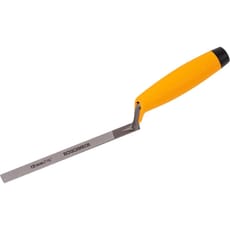
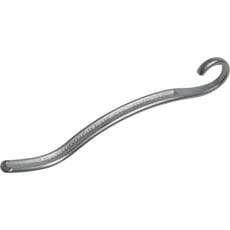
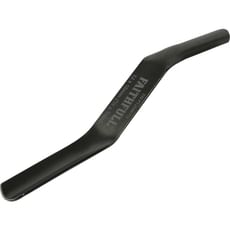
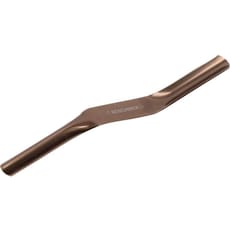
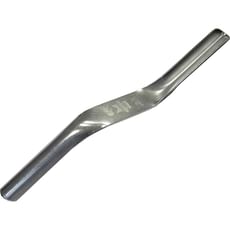
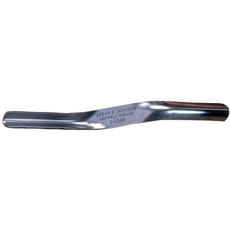
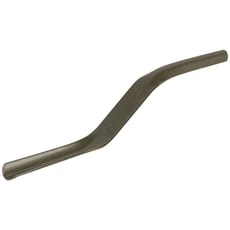
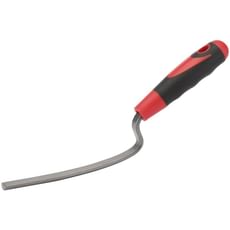
 Loading...
End of content
Error - No more pages to load
About Brick Jointers
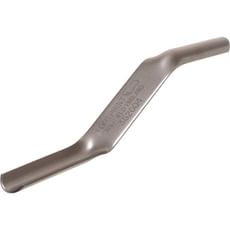
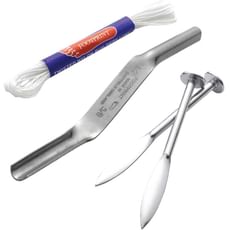
Brick jointers are essential hand tools used in bricklaying and masonry work to create neat, professional-looking mortar joints between bricks, blocks, and stonework. These specialised tools allow tradespeople to shape, smooth, and finish mortar joints to both aesthetic and functional standards, ensuring proper weatherproofing and structural integrity. Whether you're working on new construction, restoration projects, or general property maintenance, having the right brick jointer makes all the difference in achieving that crisp, uniform finish that distinguishes quality brickwork from amateur attempts.
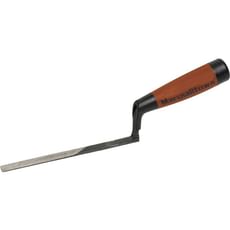
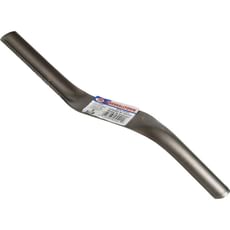
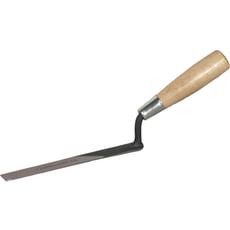
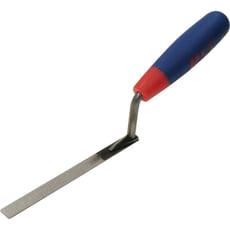
The selection at Tooled-Up.com includes convex jointers for creating bucket handle profiles, tuck pointers for narrow repointing work, and combination tools from trusted brands such as Marshalltown, Faithfull, Draper, Footprint, and RST. Available in various sizes to suit different joint widths – typically ranging from 10mm to 16mm – these tools feature different handle designs including traditional wooden handles, modern soft-grip variants, and DuraSoft options for enhanced comfort during extended pointing sessions. Some models feature dual-ended designs offering versatility for working with different joint sizes, whilst others are purpose-built for specific joint styles such as bucket handle (concave) or weatherstruck profiles.
Whether you're a professional bricklayer working on site daily or a keen DIY enthusiast tackling garden walls and home improvements, selecting the appropriate brick jointer for your mortar joint finish is crucial. These durable tools are designed to withstand the rigours of daily site use, with many featuring rust-resistant carbon steel construction and ergonomic handles that reduce hand fatigue during extended periods of pointing work. Proper jointing not only enhances the visual appearance of brickwork but also contributes significantly to its weather resistance and longevity.
Jargon Buster
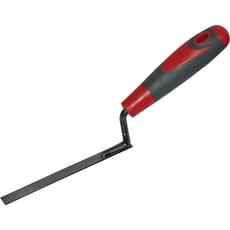
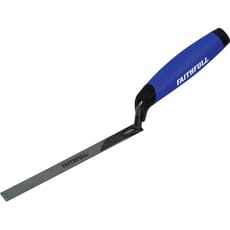
- Tuck Pointer: A narrow-bladed tool designed for filling and finishing narrow joints, particularly useful for repointing work where old mortar has been raked out and needs replacing with fresh mortar in a neat finish.
- Convex Jointer (Bucket Handle): A tool with a curved profile used to create a concave, rounded finish in mortar joints. This popular joint style sheds water effectively and is commonly seen in residential brickwork throughout the UK.
- Weatherstruck Joint: An angled joint profile that slopes outward from top to bottom, designed to shed rainwater away from the brickwork and prevent moisture penetration in exposed locations.
- Jointing: The process of finishing mortar joints whilst the mortar is still relatively fresh, typically within a few hours of laying, as opposed to repointing which involves replacing old, deteriorated mortar.
- Struck Joint: A joint where the mortar is pressed inward at an angle using the edge of a trowel or jointer, creating a shadow line that emphasises the horizontal lines of the brickwork.
- Raked Joint: A joint where mortar is recessed from the face of the brickwork, creating strong shadow lines for visual effect, though less weather-resistant than other profiles and generally unsuitable for exposed elevations.
Who Uses Brick Jointers?
- Bricklayers and Masons: Professional tradespeople who use brick jointers daily for new construction, extensions, and commercial building projects requiring consistently finished joints.
- Pointing Specialists: Tradespeople who specialise in repointing and restoration work on older buildings, heritage properties, and listed structures where matching existing joint profiles is essential.
- General Builders: Multi-trade contractors who require brick jointers for various building and maintenance projects involving brickwork repairs and new construction.
- Stonemasons: Craftspeople working with natural stone who use jointers to finish mortar joints in stonework and masonry projects requiring precise finishing.
- Property Maintenance Teams: Local authority workers and maintenance contractors responsible for repointing and repair work on housing stock and public buildings.
- Landscapers: Professionals building garden walls, boundary walls, barbecues, and other landscaping features requiring quality brickwork finishes for outdoor durability.
- DIY Enthusiasts: Homeowners tackling their own building projects, garden walls, or property maintenance work who want professional-looking results without hiring contractors.
- Conservation Specialists: Experts working on heritage buildings who require precise tools for sympathetic restoration work matching original joint profiles and historical finishes.
How to Choose the Right Brick Jointers
Selecting the appropriate brick jointer depends on several factors related to your specific requirements and working conditions. Consider the joint profile you need to create – convex jointers are ideal for standard bucket handle joints commonly seen in UK residential brickwork, whilst tuck pointers excel at narrow, recessed work typical of repointing applications. The width of your mortar joints will determine the size of jointer needed, with most brick joints ranging from 10mm to 16mm depending on brick dimensions and construction standards.
Handle design significantly impacts comfort during extended use. Soft-grip handles from brands like Faithfull reduce hand fatigue and provide better control in damp conditions typical of British weather, whilst traditional wooden handles offer a classic feel and excellent durability. DuraSoft handles from Marshalltown combine both comfort and longevity, making them popular with professional bricklayers working long site hours across multiple projects.
Consider whether a dual-ended tool would suit your needs. Many brick jointers available from Tooled-Up feature different profiles or sizes on each end, providing versatility without carrying multiple tools. This is particularly useful for varied work or when space in your tool bag is at a premium. The quality of materials matters too – look for rust-resistant carbon steel construction that will withstand exposure to moisture and mortar without degrading or pitting over time.
For professional tradespeople, investing in established brands like Marshalltown, Faithfull, or Footprint ensures you're getting tools built to withstand daily site work and repeated use. These manufacturers have decades of experience producing reliable masonry tools with consistent quality. Budget-conscious buyers or occasional users might find excellent value in quality tools from Draper or Sealey, which offer dependable performance at accessible price points suitable for DIY projects.
Think about the specific applications you'll encounter most frequently. Restoration work often demands specialist tuck pointers for neat repointing in narrow joints found in Victorian or Georgian brickwork, whilst new build work typically benefits from standard convex jointers. Some professionals keep multiple jointers in their toolkit to accommodate different brick types, joint widths, and architectural specifications across various projects and client requirements.
Popular Accessories
- Pointing Trowels: Essential for applying and packing mortar into joints before finishing with a brick jointer, ensuring complete fill and proper compression.
- Brick Line and Pins: Used to maintain straight, level courses of brickwork, ensuring consistent joint heights for uniform finishing across entire walls.
- Jointing Irons: Complementary tools for creating different joint profiles and depths in various masonry applications beyond standard brick jointing.
- Mortar Mixing Tools: Spot boards, mixing paddles, and buckets for preparing consistent mortar batches for jointing work with proper workability.
- Hawk Boards: Hand-held platforms for holding small quantities of mortar whilst working, keeping material within easy reach and reducing wasted movement.
- Brushes: Soft brushes for cleaning excess mortar from brickwork faces after jointing, and stiffer brushes for raking out old joints during preparation.
- Joint Rakers: Mechanical or manual tools for removing deteriorated mortar before repointing work begins, ensuring clean joints for new mortar.
- Spirit Levels: Essential for checking plumb and level during brickwork to ensure joints remain consistent throughout and courses stay true.
- Tool Bags and Belts: Practical storage solutions for keeping brick jointers and related tools organised and accessible on site without repeated trips to the van.
- Cleaning Solutions: Specialist products for removing mortar stains and efflorescence from completed brickwork without damaging the masonry surface.
Safety Information
Whilst brick jointers are relatively simple hand tools, proper safety practices should always be observed during bricklaying and pointing work. Always wear appropriate personal protective equipment (PPE) including safety gloves to protect hands from abrasion and cement burns, as wet mortar contains lime which can cause skin irritation and dermatitis with prolonged exposure. Safety glasses are recommended when working overhead or in windy conditions to prevent mortar particles from entering the eyes.
Be mindful of ergonomic considerations during extended pointing sessions. Repetitive strain injuries can develop from prolonged gripping and repetitive motions, so take regular breaks and vary your working position where possible. When working at height on scaffolding or ladders, ensure brick jointers are secured in tool belts or pouches to prevent dropping hazards that could injure colleagues below. Follow HSE guidance for working at height and manual handling to reduce the risk of accidents on site.
Maintain your brick jointers in good condition by cleaning them thoroughly after each use to prevent mortar build-up, which can harbour bacteria and reduce tool effectiveness. Store tools in dry conditions to prevent rust formation on steel components. Inspect handles regularly for damage or looseness that could compromise grip and control during use. Replace any tools with cracked or splintered wooden handles before they cause injury.
Frequently Asked Questions
What's the difference between jointing and pointing?
Jointing refers to finishing mortar joints in newly laid brickwork whilst the mortar is still relatively fresh, typically within a few hours of laying. Pointing or repointing involves removing deteriorated old mortar from existing brickwork and replacing it with new mortar, which is then finished with pointing tools. Both processes use similar tools available at Tooled-Up.com, but repointing requires additional preparation work to rake out old joints first.
Which joint profile is best for weatherproofing?
Bucket handle (concave) joints created with convex jointers are generally considered the most weather-resistant profile for UK conditions. The curved, compressed surface sheds water effectively and creates a tight seal against moisture penetration. Weatherstruck joints are also excellent for shedding rainwater, whilst recessed or raked joints are less suitable for exposed locations as they can trap moisture and are more vulnerable to frost damage.
How soon after laying bricks should I use a brick jointer?
Timing is crucial for achieving quality joints. Most bricklayers allow mortar to set sufficiently that it holds a thumbprint without sticking to your thumb – typically 30 minutes to 2 hours after laying, depending on weather conditions, mortar mix, and brick absorption rates. If mortar is too wet, jointing will smear the brickwork; if too dry, it won't compress properly and may crack. Experience and weather conditions will guide your timing.
Can I use the same brick jointer for repointing old walls?
Yes, brick jointers can be used for both new work and repointing, though you may need specific tuck pointers for narrow joints common in older brickwork. Ensure the jointer width matches your existing joint size for consistent results. Heritage and conservation work may require specific profiles to match original jointing styles, so check specifications if working on listed buildings or in conservation areas.
How do I clean and maintain my brick jointers?
Clean brick jointers immediately after use by scraping off excess mortar whilst still workable, then washing with clean water and a stiff brush. Dry thoroughly to prevent rust, particularly on carbon steel tools. Occasionally apply a light coating of oil to metal surfaces for long-term storage. Check wooden handles for splinters or damage, sanding smooth if necessary. Soft-grip handles should be kept clean and free from mortar build-up which can harden and reduce comfort.