

Brick Lifters & Hods

Pay in 3 interest-free payments on purchases from £20-£3000 with  . Learn more.
 Loading...
End of content
Error - No more pages to load
About Brick Lifters & Hods
Brick lifters and hods are essential manual handling tools designed to make the transportation and positioning of bricks, blocks, kerbs, slabs and other heavy masonry materials safer and more efficient on construction sites. These ingenious tools significantly reduce physical strain on workers whilst improving productivity, allowing tradespeople to move multiple bricks at once or handle awkward materials that would otherwise require two people or mechanical assistance. Whether you're working on residential bricklaying, commercial blockwork or landscape paving projects, the right brick handling equipment can prevent injury and reduce fatigue throughout the working day.
Brick lifters typically feature tong-style gripping mechanisms with adjustable jaws that can accommodate various brick and block sizes, whilst brick hods are traditional V-shaped carriers with sturdy handles that allow bricklayers to transport multiple bricks up ladders and scaffolding safely. Modern versions incorporate ergonomic design features and durable materials ranging from hardwood to high-impact plastic and galvanised steel, ensuring longevity even in demanding site conditions. Tooled-Up.com stocks brick handling equipment from trusted manufacturers including Faithfull, Draper, Marshalltown and Sealey, offering solutions for everything from standard house bricks to heavy-duty kerb stones and paving slabs.
The evolution of brick handling tools has focused on reducing manual handling injuries whilst maintaining the versatility and simplicity that makes them indispensable on site. Spring-loaded tongs and lever-action grippers provide secure holds with minimal effort, whilst improved handle designs and weight distribution reduce strain on wrists, arms and backs. For professional bricklayers working on large commercial projects or DIY enthusiasts tackling garden walling, investing in quality brick lifters and hods delivers immediate benefits in comfort, safety and work efficiency.
Jargon Buster
- Brick Tongs: Spring-loaded or lever-action gripping tools that use opposing jaws to securely hold bricks, blocks or slabs. The harder you squeeze the handle, the tighter the grip becomes, allowing safe single-handed operation whilst keeping your other hand free for positioning or balance.
- Hod: A traditional V-shaped or rectangular carrier with an extended handle, designed to carry multiple bricks or mortar up ladders and onto scaffolding. Typically holds 4-8 bricks depending on size and design, with the V-shape preventing materials sliding out during ascent.
- Adjustable Jaw: A feature on brick lifters that allows the gripping width to be modified, enabling the same tool to handle different sizes of bricks, blocks, kerbs or paving slabs. Models like the Marshalltown 88 offer adjustable arms from 400mm to 670mm for maximum versatility.
- Load Capacity: The maximum safe working weight the tool is designed to carry, typically ranging from 15kg for standard brick lifters up to 50kg+ for heavy-duty kerb and slab lifting tongs. Always check specifications and never exceed rated capacity.
- Kerb Lifter: A specialised type of brick tong with extended reach and reinforced construction, designed specifically for handling heavy kerbstones and large format paving slabs that standard brick tongs cannot safely accommodate.
- Soft Grip Handles: Ergonomic handle coverings made from rubber or cushioned materials that reduce hand fatigue and improve comfort during extended use, particularly important for professional tradespeople using the equipment daily.
Who Uses Brick Lifters & Hods?
- Bricklayers and blocklayers working on residential and commercial construction projects
- Landscape gardeners and groundworkers installing patios, driveways, retaining walls and garden features
- General builders requiring versatile handling equipment for various masonry tasks
- Highways maintenance crews replacing or installing kerbstones and paving
- Stonemasons handling natural and manufactured stone products
- Scaffolders transporting materials to elevated working platforms
- DIY enthusiasts undertaking garden walls, barbecues, raised beds and home improvement projects
- Groundwork contractors on civil engineering and infrastructure projects
- Hire companies providing tools and equipment to the construction sector
- Property maintenance teams handling repairs and renovations
- Agricultural contractors building animal housing and farm structures
How to Choose the Right Brick Lifters & Hods
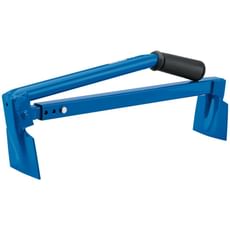
Selecting the appropriate brick handling equipment depends on several key factors. Consider the size and weight of materials you'll be working with most frequently – standard house bricks require different equipment to engineering blocks, kerbs or large format paving slabs. Check the load capacity specifications carefully and ensure there's adequate safety margin above your typical working weights. The Draper Expert Brick and Block Lifting Tongs, for example, feature adjustable length arms and automatic closing action when the handle is lifted, making them versatile for various applications.
Construction quality and material significantly affect durability and lifespan. Steel tongs with galvanised or powder-coated finishes resist corrosion in wet site conditions, whilst hardwood hod handles like those from Faithfull offer traditional strength with comfortable grip. Modern high-impact plastic hods provide excellent durability with lighter weight, making them ideal for repeated use throughout the working day whilst being easy to clean and resistant to rot or splintering.
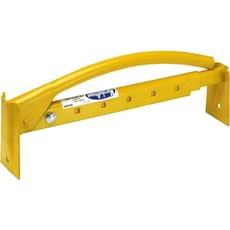
Adjustability is crucial if you work with varying material sizes. Adjustable brick lifters can handle different brick and block dimensions without tool changes, improving efficiency on mixed projects. The Marshalltown 88 Adjustable Brick Lifter Tongs extend from 400mm to 670mm, accommodating everything from standard bricks to larger blocks. Fixed-width models are typically more economical if you predominantly work with standard formats, but investing in adjustable versions provides better long-term versatility.
For working at height, traditional hods with extended handles remain the safest option for carrying bricks up ladders and onto scaffolding, keeping your hands free to maintain three points of contact. The V-shaped design prevents bricks sliding out even when ascending at steep angles. Consider capacity carefully – whilst larger hods reduce trips, overloading creates fatigue and safety risks. Most standard brick hods safely accommodate 4-6 standard house bricks, though models are available holding up to 8-10 for experienced users working on level ground.
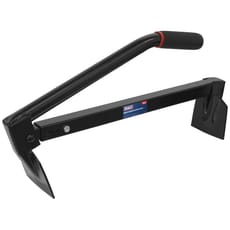
Finally, evaluate ergonomic features such as soft grip handles, balanced weight distribution and reduced bending requirements. The Sealey Brick Carrier Lifting Tongs feature comfortable handles that reduce hand fatigue, whilst the automatic closing mechanism on many modern tongs eliminates the need for constant gripping pressure. These seemingly minor details make substantial differences in comfort and injury prevention during extended use, particularly for professional tradespeople using the equipment daily across multiple sites.
Popular Accessories
- Work gloves – protective leather or synthetic gloves prevent hand injuries when handling rough masonry and improve grip
- Knee pads – essential protection for bricklayers working at ground level throughout the day
- Spirit levels – ensuring accurate brick and block alignment during installation
- Brick hammers and bolsters – for cutting and shaping bricks to size on site
- Mortar mixing equipment – paddle mixers and buckets for preparing bedding mortar
- Pointing trowels and jointers – finishing tools for professional masonry work
- Safety footwear – steel toe cap boots protect against dropped bricks and heavy materials
- Line and pins – maintaining straight courses when laying bricks and blocks
- Wheelbarrows and site trolleys – bulk transportation of bricks and materials around site
- Tool bags and belts – keeping essential hand tools accessible whilst working at height
- Hi-vis workwear – meeting site safety requirements and improving visibility
Safety Information
When using brick lifters and hods, always adhere to manual handling guidelines as outlined by the Health and Safety Executive (HSE). Even with mechanical assistance, assess each lift individually and avoid exceeding safe working loads. Ensure brick tongs are properly engaged before lifting and test the grip with gentle upward pressure before committing to the full lift. The automatic closing mechanisms on models like the Draper Expert tongs provide additional security, but visual confirmation of proper engagement is still essential.
Inspect equipment before each use, checking for damaged handles, worn gripping surfaces, cracked welds or bent components that could fail under load. Replace or repair damaged tools immediately – the modest cost is insignificant compared to injury risks from equipment failure. When working at height with hods, never overload beyond the manufacturer's specifications and maintain proper balance whilst ascending ladders. Keep your centre of gravity over your feet and take your time – rushing increases accident risk.
Wear appropriate personal protective equipment including safety footwear with steel toe caps, work gloves and high-visibility clothing on construction sites. Keep work areas clear of trip hazards and ensure stable footing before lifting. When working in teams, establish clear communication and coordinate movements to prevent accidents – simple verbal warnings like "lifting" or "coming through" prevent collisions. Be particularly cautious in wet or icy conditions where grip and footing are compromised.
Store brick lifters and hods properly when not in use, keeping them away from access routes where they could create hazards. Hang tongs on tool racks or store in designated areas rather than leaving them on the ground where they become trip hazards. Clean equipment regularly to remove mortar and debris that can affect gripping surfaces and mechanisms. Proper maintenance and storage extend tool life whilst maintaining safety standards on site.
Frequently Asked Questions
What's the difference between brick tongs and a brick hod?
Brick tongs are gripping tools that allow you to lift and position individual bricks, blocks or slabs with one hand, keeping the other free for trowel work or balance. A brick hod is a carrier that holds multiple bricks (typically 4-8) and is primarily used for transporting bricks around site or up ladders to elevated working positions. Many tradespeople use both tools for different aspects of their work – tongs for precision placement and hods for bulk transportation.
Can I use standard brick lifters for paving slabs and kerbs?
Standard brick lifters are designed for house bricks and lightweight blocks, typically with maximum capacities around 15-20kg. For heavy paving slabs and kerbstones, you need specialist kerb and slab lifter tongs like the Faithfull Heavy Duty Kerb and Slab Lifter with reinforced construction, wider jaw opening and higher load ratings (often 40-50kg+). Using inadequate equipment risks tool failure and serious injury, so always match the tool to the material weight.
Are plastic brick hods as durable as traditional wooden ones?
Modern high-impact plastic brick hods offer excellent durability with several advantages over traditional hardwood versions. They're lighter to carry when loaded, won't rot or splinter, and are easy to clean at the end of the day. Quality plastic hods from manufacturers like Faithfull are designed for professional use and typically outlast wooden equivalents in wet conditions. However, traditional hardwood hods remain popular for their classic feel, proven longevity and repairability if the handle becomes damaged.
How many bricks can I safely carry in a hod?
This depends on the hod's design and your physical capability, but most standard brick hods like the Faithfull Plastic Brick Hod accommodate 4-6 standard house bricks safely. Whilst some larger models can hold 8-10 bricks, remember that you're also climbing ladders or navigating uneven ground. The HSE recommends keeping loads manageable to maintain balance and prevent strain injuries – making more trips with lighter loads is safer and often more efficient than struggling with excessive weight that compromises your stability.
Do adjustable brick tongs work as well as fixed-width models?
Quality adjustable brick lifters available from Tooled-Up work extremely well and offer significant versatility for contractors working across different projects. Models like the Marshalltown 88 Adjustable Brick Lifter Tongs can accommodate various brick and block sizes from 400mm to 670mm, eliminating the need for multiple specialist tools. The adjustment mechanism is robust and maintains secure grip across the range. Fixed-width tongs are more economical if you consistently work with one material type, but adjustable models provide better value for mixed work.