

Brick Lines

Pay in 3 interest-free payments on purchases from £20-£3000 with  . Learn more.
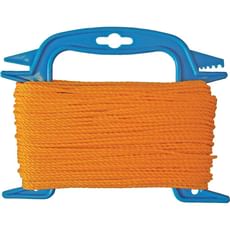
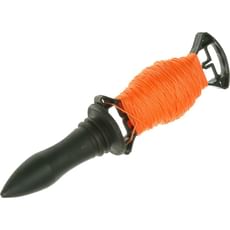
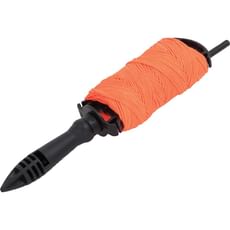
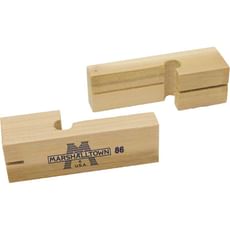

 Loading...
End of content
Error - No more pages to load
About Brick Lines
Brick lines are fundamental tools for bricklaying and masonry work, providing a simple yet highly effective method for ensuring perfectly straight, level courses of bricks or blocks. Whether constructing a garden wall, laying foundations, or working on large-scale commercial builds, a quality brick line maintains accuracy and professional standards throughout every project. These tools consist of a strong, taut line stretched between two fixed points, creating both a visual and physical guide for aligning each course of bricks with precision.
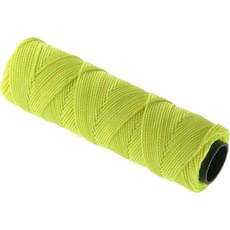
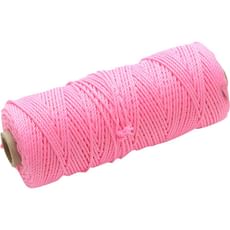
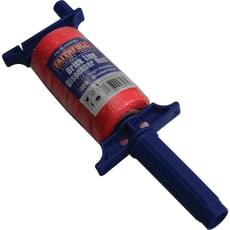
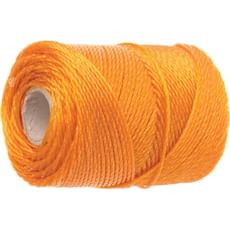
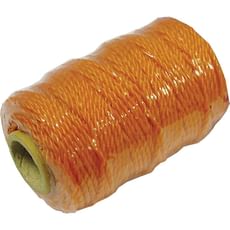
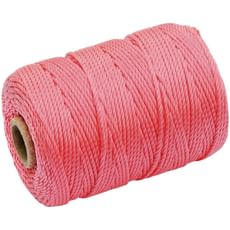
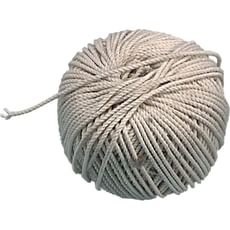
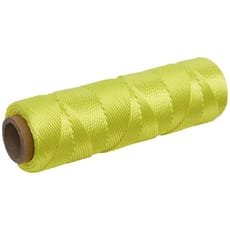
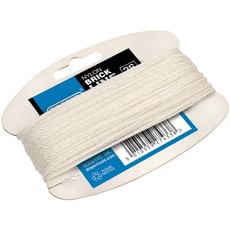
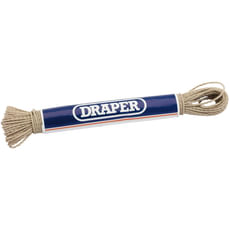
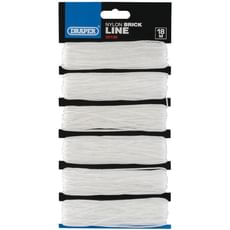
The selection available from Tooled-Up.com includes products from trusted manufacturers such as Faithfull, Draper, and Marshalltown, offering everything from basic nylon brick line hanks and polypropylene cord to complete brick line and block sets with reels, pins, and corner blocks. Ranging lines with rotating spools provide convenient deployment and retrieval, whilst brick line runners allow quick line adjustment as work progresses. Materials vary from traditional twisted cotton builders line to modern high-visibility nylon and durable polypropylene options, each suited to different working conditions and user preferences.
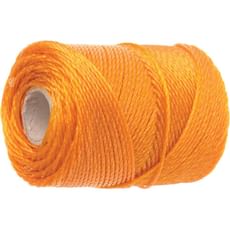
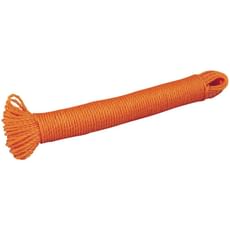
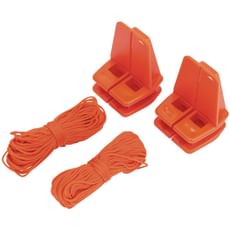
Available in various lengths, thicknesses and colours—including high-visibility orange options for improved site visibility—these tools cater to both professional bricklayers working on commercial sites and DIY enthusiasts tackling domestic projects. Multi-purpose ranging lines extend versatility beyond bricklaying to general site layout, groundwork marking, and landscaping applications, making them indispensable across the construction sector.
Jargon Buster
- Brick Line: A taut cord or string stretched horizontally between two points to guide the alignment of brick courses, ensuring they remain straight and level throughout construction work.
- Ranging Line: A heavy-duty line used for longer spans and general site layout work, often thicker and more robust than standard brick lines, suitable for marking out foundations, boundaries and excavations.
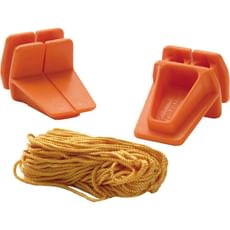
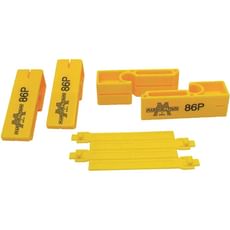
- Brick Line Blocks (Corner Blocks): L-shaped devices that grip onto the corners of brickwork, providing secure anchor points for the brick line without requiring pins or nails that might damage the masonry.
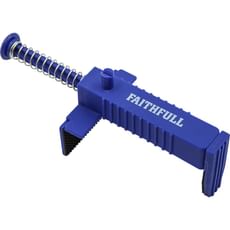
- Line Runner (Line Stretcher): A movable device that slides along the brick line, allowing the line to be adjusted between corners without repositioning the end blocks, ideal for long walls and improving efficiency.
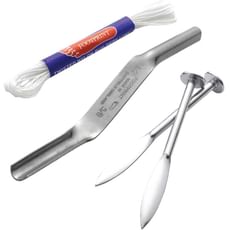
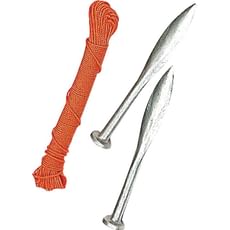
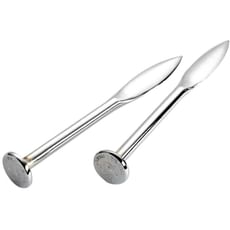
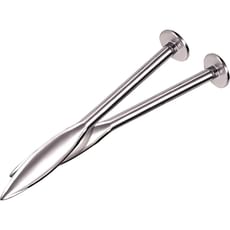
- Line Pins: Metal pins with slots or holes that are driven into mortar joints to secure brick lines at specific points along a wall, particularly useful for intermediate support on extended runs.
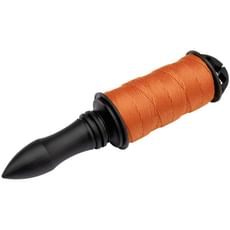
- Spool/Reel: A rotating drum for storing and deploying brick line in an organised manner, preventing tangles and making the line easier to manage on site whilst protecting it from damage.
Who Uses Brick Lines?
Brick lines are essential tools for a wide range of construction professionals and DIY users, including:
- Bricklayers and stonemasons: The primary users who rely on brick lines daily for accurate coursing and alignment on every project
- General builders: For blockwork, foundation layout, and various masonry tasks across residential and commercial sites
- Groundworkers: Using ranging lines for setting out excavations, drainage runs, and site boundaries with precision
- Landscapers: For building garden walls, raised beds, retaining structures and decorative stonework features
- Civil engineering contractors: On larger construction projects requiring precise alignment over extended distances
- Conservation specialists: Working on heritage buildings where accuracy and minimal intervention are crucial
- DIY enthusiasts: Homeowners undertaking garden wall construction, barbecue builds, or boundary wall repairs
- Construction apprentices: Learning fundamental bricklaying skills and techniques under supervision
How to Choose the Right Brick Lines
Selecting the appropriate brick line depends on several factors related to your specific project requirements:
Line Material: Nylon brick lines offer excellent durability and resistance to weather, making them ideal for extended outdoor use. Polypropylene provides good strength at an economical price point, whilst traditional twisted cotton builders line is preferred by some experienced tradespeople for its texture and handling characteristics. High-visibility options in fluorescent orange or yellow improve safety and visibility on busy sites.
Line Thickness: Thinner lines (typically 1.5-2mm) are suitable for standard bricklaying where the line sits against the brick face. Thicker ranging lines (3-4mm) are better for longer spans, ground layout work, and situations where the line needs to remain taut under challenging conditions or windy weather.
Length Requirements: Consider the typical size of your projects. Hanks of 50-100 metres suit most domestic and small commercial jobs, whilst larger spools of 200 metres or more are more economical for professional bricklayers working on extensive projects.
Complete Sets vs Individual Components: Brick line and block sets provide everything needed to get started, including line, corner blocks, and sometimes pins or reels. These represent excellent value for those new to bricklaying or setting up a toolkit. Experienced professionals often prefer to purchase components separately to replace worn items or customise their setup.
Spool or Hank: Brick lines on spools or reels with winding mechanisms prevent tangling, deploy more quickly, and stay cleaner when not in use. Simple hanks are lighter, more compact, and perfectly adequate for occasional use or when working in confined spaces.
Brand Quality: Established brands like Faithfull, Draper, and Marshalltown offer proven reliability and consistent quality. Professional tradespeople typically invest in premium options that withstand daily use, whilst DIY users may find mid-range products offer excellent value for occasional projects.
Popular Accessories
Enhance your bricklaying setup with these complementary products available at Tooled-Up:
- Brick Line Blocks and Corner Blocks: Essential for securing lines at wall corners without damaging brickwork
- Line Pins: For attaching lines at intermediate points along walls, preventing sagging on longer runs
- Brick Trowels: The fundamental tool for laying mortar and positioning bricks accurately
- Spirit Levels: For checking both the line setup and individual brick placement to ensure accuracy
- Mortar Boards (Spot Boards): Keeping mortar accessible and workable during laying operations
- Brick Hammers and Bolsters: For cutting and shaping bricks to size for corners and closers
- Jointing Tools: Creating professional-looking mortar joints and finishes
- Tape Measures: For accurate course spacing, wall dimensions and setting out
- Tool Bags and Storage: Organising and protecting your bricklaying equipment on site
- Work Gloves: Protecting hands from abrasion, mortar irritation and general site hazards
Frequently Asked Questions
What's the difference between a brick line and a ranging line?
Brick lines are typically thinner (1.5-2mm) and designed specifically for bricklaying, sitting flush against the brick face to guide alignment. Ranging lines are heavier duty, often 3-4mm thick, and used for longer spans, site layout work, and general marking out tasks. Many modern products serve both purposes effectively, making them versatile additions to any toolkit.
How tight should I pull a brick line?
The line should be taut enough to remain straight without sagging, but not so tight that it might snap or pull the corner blocks loose. A properly tensioned line will have minimal give when pressed lightly. For longer spans exceeding 5-6 metres, you may need to use a line runner or intermediate pin to prevent sagging in the middle, particularly in windy conditions.
Can I use brick lines in wet weather?
Nylon and polypropylene brick lines perform well in wet conditions, maintaining their strength and not absorbing water like natural fibres. However, wet twisted cotton lines may stretch slightly, requiring re-tensioning during use. Always ensure corner blocks or pins are securely positioned, as wet mortar can be less stable and may require more careful placement.
How do I prevent my brick line from tangling?
Store brick lines on spools or reels when not in use, winding them carefully to avoid kinks and knots. If using hanks, coil them loosely and secure with a twist tie or elastic band. Keep lines clean and dry, and avoid throwing them loose into a tool bag where they can become tangled with other equipment. Investing in a brick line with an integrated reel system largely eliminates tangling issues.
When should I replace my brick line?
Replace brick lines when they show signs of fraying, have lost elasticity, are permanently kinked, or have developed weak spots that could cause breakage during use. Nylon and polypropylene lines can degrade with prolonged UV exposure, becoming brittle and unreliable. For professional use where accuracy is critical, consider replacing lines at the start of each major project or at least annually to ensure reliability and maintain professional standards.