

Bricklaying & Plastering Tools

Pay in 3 interest-free payments on purchases from £20-£3000 with  . Learn more.
 Loading...
End of content
Error - No more pages to load
About Bricklaying & Plastering Tools
Bricklaying and plastering tools represent the backbone of professional masonry and plastering work across the UK construction industry. From traditional hand trowels that have been refined over generations to modern equipment designed to enhance efficiency and finish quality, this comprehensive category encompasses everything needed for brickwork, blockwork, rendering, and plastering applications. Whether laying bricks for a new build, applying external render systems, or achieving mirror-smooth plaster finishes on internal walls, having the right tools transforms the quality of the finished work and the speed at which it can be completed.
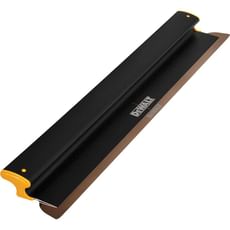
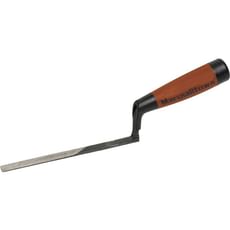
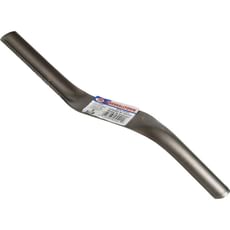
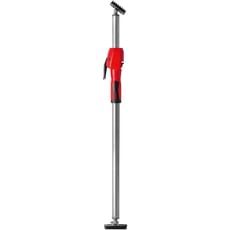
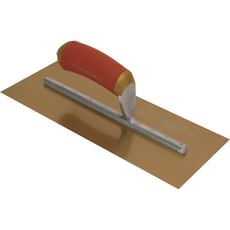
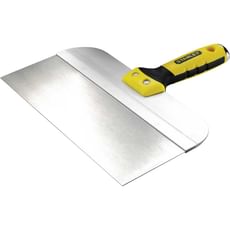
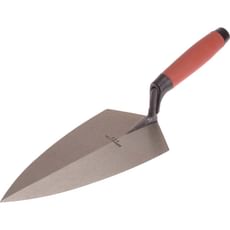
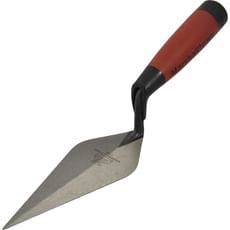
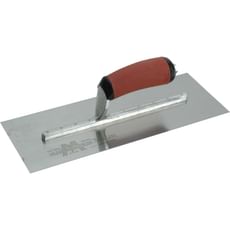
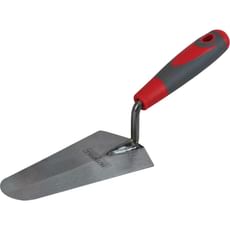
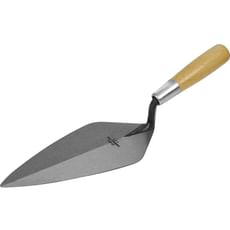
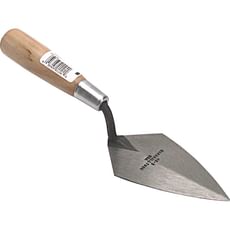
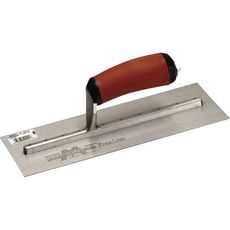
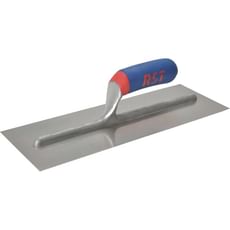
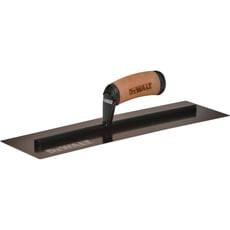
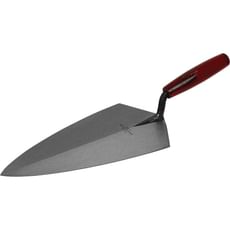
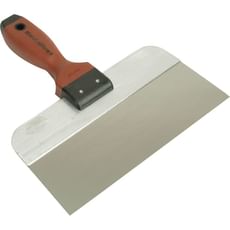
The selection at Tooled-Up.com spans specialist trowels for every conceivable application, including brick trowels for mortar handling, gauging trowels for small-batch mixing, corner trowels for internal angles, and bucket trowels for preparation work. Essential equipment such as hawks for holding material, floats for smoothing surfaces, darbys for levelling large areas, and feather edges for achieving true planes sits alongside more substantial items including plasterboard lifters, plastering stilts, and brick lifters and hods. Quality brands such as Marshalltown, Ragni, and Faithfull ensure that every tool delivers the durability and precision required for professional results.
Whether you're a time-served tradesman maintaining a professional toolkit or a DIY enthusiast tackling home improvement projects, investing in quality bricklaying and plastering tools improves working speed, reduces physical fatigue, and delivers consistently superior finishes. The right tool selection depends on your specific application, the materials you're working with, and the finish you need to achieve. From cement edgers and brick jointers for finishing work to joint rakers and mortar raking tools for preparation, the breadth of specialist equipment available reflects the exacting standards of modern construction work.
Jargon Buster
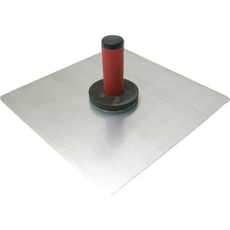
- Hawk: A flat square platform with a handle mounted underneath, used to hold quantities of mortar or plaster whilst working. The tradesman loads material onto the hawk and then transfers it to the trowel for application to the wall, eliminating constant trips to the mixing board.
- Float: A flat tool used to smooth and level wet plaster, render, or concrete surfaces. Available in various materials including wood, sponge, polyurethane, and rubber, with each material creating different surface finishes and textures according to the application requirements.
- Darby: A long, straight levelling tool typically measuring 900-1200mm in length, used to level and smooth large areas of wet plaster or render by working it across the surface to achieve an even plane before final finishing with trowels and floats.
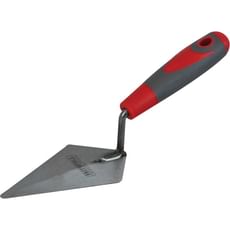
- Gauging Trowel: A small, pointed trowel usually measuring 150-180mm, specifically designed for mixing small quantities of plaster, filler, or patching compounds, and for detailed finishing work in corners and tight spaces where larger trowels cannot reach.
- Feather Edge: A long, tapered straight edge used for levelling screeds and rendering, featuring one thin edge that creates a smooth, even surface when drawn across wet material between screeds or battens.
- Devil Float: A specialist float with protruding nails or metal teeth, used to create a scratched or keyed surface on base coat plaster or render, providing improved mechanical bond for subsequent finishing layers.
Who Uses Bricklaying & Plastering Tools?
These specialist tools are essential for a wide range of construction professionals and trades, including:
- Bricklayers and Masons: Using brick trowels, jointers, line pins, and brick cutters for all aspects of brickwork and blockwork construction
- Plasterers: Relying on trowels, floats, hawks, and darbys for internal plastering, skimming, and rendering applications
- Solid Plasterers and Renderers: Specialists applying external render systems and thick coat plaster finishes to varied substrates
- General Builders: Requiring versatile bricklaying and plastering tools for all-round construction and renovation work
- Property Maintenance Contractors: Carrying out repair and renovation work on residential and commercial properties
- Shopfitters and Refurbishment Specialists: Installing stud walls and plasterboard systems in commercial environments
- Heritage Restoration Specialists: Using traditional tools and techniques for listed building repairs and conservation work
- DIY Enthusiasts: Homeowners tackling extensions, garden walls, and internal plastering projects
How to Choose the Right Bricklaying & Plastering Tools
Material and Build Quality: Professional-grade tools feature high-carbon steel blades that resist corrosion and maintain their shape under heavy use. Stainless steel options offer superior durability and easy cleaning, particularly important for plastering work where material residue can cause rust. Handles should be securely fixed and comfortable for extended use, with options including traditional wooden handles, soft-grip rubber, or durable plastic construction.
Tool Size and Weight: Brick trowels typically range from 250mm to 330mm in length—larger sizes move more mortar per load but can prove tiring for all-day use. Plastering trowels come in various widths from 280mm to 500mm, with larger sizes suited to experienced tradesmen covering big areas quickly. Consider the balance and weight distribution that suits your working style, physical comfort, and stamina requirements.
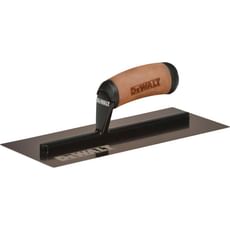
Blade Type and Shape: Different applications require specific blade profiles and characteristics. London pattern brick trowels have a classic shape ideal for general bricklaying, whilst Canadian patterns offer different blade angles for specific techniques. Pre-worn or broken-in trowels reduce the initial wearing period that new tools require. For plastering, flexible blades are essential for achieving smooth finishes, whilst stiffer blades suit heavier materials like render.
Specialist Applications: Corner trowels, edging trowels, and cement edgers are essential for professional finishing work and creating crisp details. Bucket trowels with perforations reduce suction when mixing materials, whilst gauging trowels are indispensable for small-batch mixing and detail work. Consider your specific trade requirements and the range of tasks you regularly perform when building your toolkit.
Durability versus Budget: Whilst premium brands command higher prices, they deliver extended working life and superior performance over years of professional use. A quality trowel from established manufacturers will outlast several budget alternatives whilst maintaining its shape and flexibility. However, for occasional DIY use, mid-range tools from Tooled-Up offer good value without requiring professional-level investment.
Popular Accessories
Complement your bricklaying and plastering tools with these essential accessories:
- Mixing Buckets and Baths: Heavy-duty rubber or plastic mixing containers in various sizes for mortar and plaster preparation
- Mortar Boards and Stands: Adjustable height plaster and mortar stands that position materials at comfortable working levels
- Spirit Levels: Essential for checking vertical and horizontal accuracy during bricklaying and rendering
- Line and Pins: Traditional string lines for maintaining straight, level brick courses
- Measuring Tapes and Rules: For accurate setting out, spacing, and dimensional checking
- Jointing Irons and Rakes: For finishing and preparing mortar joints between brickwork
- Sponges and Cleaning Tools: For finishing plaster surfaces and maintaining tool condition
- Knee Pads and Protective Gloves: PPE for comfort and safety during extended kneeling and handling of materials
- Tool Bags and Pouches: For organised transport and storage of hand tools on site
- Mixing Paddles and Drill Attachments: For mechanical mixing of larger quantities using 240v power drills
Safety Information
Manual Handling: Mortar, plaster, bricks, and blocks are heavy materials that require proper handling techniques. Always use correct lifting methods, bending at the knees whilst keeping loads close to your body. Utilise brick lifters, hods, and plasterboard lifters to reduce strain and prevent musculoskeletal injuries that remain common in the construction trade. The HSE provides specific guidance on weight limits and safe handling practices.
Hand and Eye Protection: Cement and lime-based products are highly alkaline and can cause serious skin burns and eye damage upon contact. Always wear appropriate protective gloves when handling mortar or plaster, and use safety glasses when cutting bricks or mixing materials. Barrier creams provide additional skin protection during extended contact with alkaline materials.
Dust Control: Cutting bricks and blocks, sanding plaster, and mixing dry materials creates harmful silica dust. Under COSHH regulations, dust exposure must be minimised through wet cutting methods where possible, extraction equipment, and appropriate RPE (respiratory protective equipment) such as FFP3 masks for high-dust operations. Chronic silica exposure can lead to serious lung conditions.
Working at Height: Plastering stilts and scaffolding work require specific training and competence. Ensure stilts are correctly adjusted to your height and leg length, and only use them on level, clear surfaces free from obstacles. When working from scaffolding or platforms, follow standard working-at-height safety protocols including edge protection, guardrails, and safe access arrangements.
Tool Maintenance: Keep tools clean and in good condition to prevent accidents. Sharp edges on trowels and floats should be maintained but not overly sharp to prevent cuts during handling. Store tools safely to prevent trips and falls on site, and regularly inspect handles for splits or looseness that could cause injury during use or result in dropped tools from height.
Frequently Asked Questions
What's the difference between a brick trowel and a plastering trowel?
Brick trowels have a thicker, stiffer blade designed for picking up and spreading mortar when laying bricks and blocks. They typically measure 250-330mm in length with a distinctive triangular shape optimised for mortar handling. Plastering trowels have larger, thinner, more flexible blades measuring 280-500mm, designed for spreading and smoothing plaster across wall surfaces to achieve flat, smooth finishes. The blade flexibility is crucial for proper plastering technique and achieving professional results.
Do I need different floats for different materials?
Yes, different float types suit different applications and create varied surface finishes. Wooden floats create a textured finish on render and are effective for keying surfaces before subsequent coats. Polyurethane and plastic floats are versatile for general smoothing work and won't absorb moisture from the material. Sponge floats are specifically for finishing and smoothing plaster to create very smooth surfaces. Rubber floats are ideal for grouting tiles, whilst foam floats work well for applying textured finishes and decorative renders.
How do I maintain my plastering trowels?
Clean trowels immediately after use before plaster sets—dried plaster becomes extremely difficult to remove and can damage blade edges. Wash thoroughly with clean water and dry completely to prevent rust formation. Never leave trowels sitting in water buckets for extended periods. For stainless steel trowels, occasional cleaning with white vinegar removes any discolouration or residue. Store trowels flat or hanging to protect the blade edges from damage, and apply a light oil coating if storing for extended periods between jobs.
What size hawk should I use?
Standard hawks measure 330mm square, which suits most plasterers for general work and provides a good balance between capacity and weight. Smaller hawks measuring 280mm are easier to handle for beginners or when working in confined spaces with limited movement. Larger hawks at 380mm hold more material for experienced tradesmen covering large areas quickly and reducing trips to the mixing board. The weight when fully loaded is an important consideration—choose a size you can comfortably hold for extended periods without excessive arm fatigue.
Are plastering stilts difficult to use?
Plastering stilts require practice, confidence, and proper training to use safely. Start with lower extensions of 400-600mm before progressing to higher models once you've developed balance and confidence. Use them only on level, clear surfaces free from obstacles, cables, and debris. They significantly reduce fatigue when plastering ceilings and upper walls by eliminating constant ladder climbing, but proper training is essential before use. Never use stilts outdoors on uneven ground or in windy conditions, and always have someone else present when you're learning to use them for the first time.