

Brush Cutters & Blades
Pay in 3 interest-free payments on purchases from £30-2000 with  . Learn more.
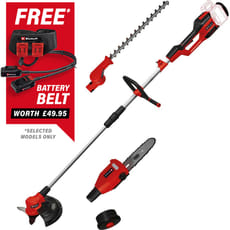
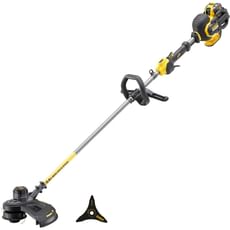
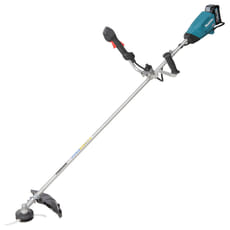
DeWalt DCM571 54v XR Cordless Brushless FLEXVOLT Brush Cutter and Grass Trimmer
in stock
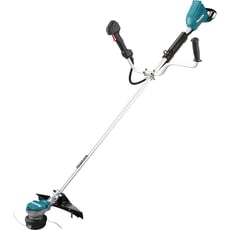
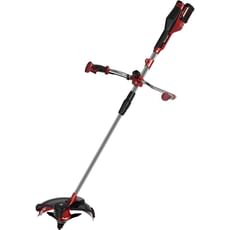
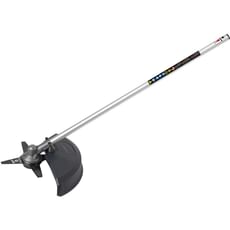
Einhell AGILLO 36v Cordless Split Shaft Brush Cutter and Line Trimmer 255/300mm
in stock
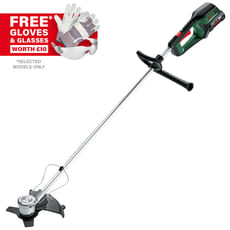
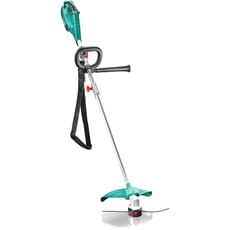
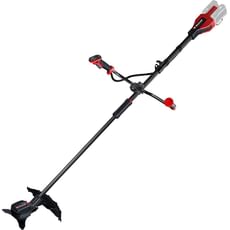
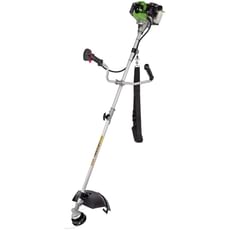
Einhell Professional GP-BC 36/430 Li BL 36v Cordless Brushless Brush Cutter 255/430mm
in stock
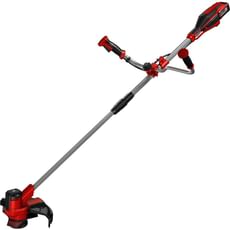
Einhell AGILLO 18/200 18v Cordless Split Shaft Brush Cutter and Line Trimmer 200/300mm
in stock
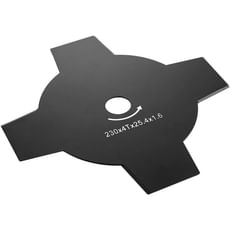
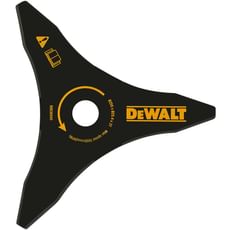
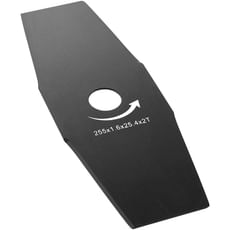
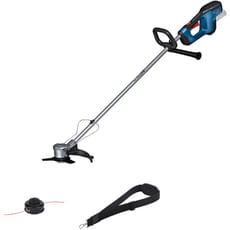
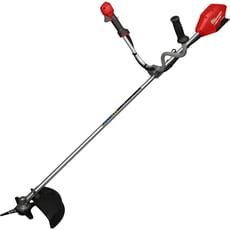
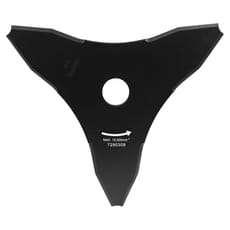
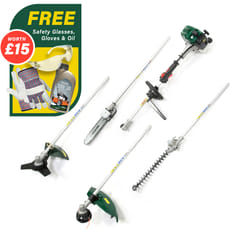
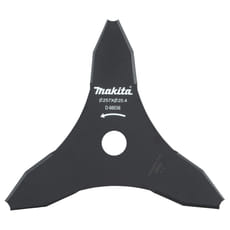

 Loading...
End of content
Error - No more pages to load
About Brush Cutters & Blades
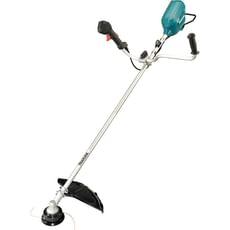
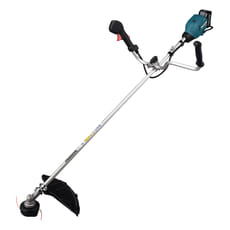
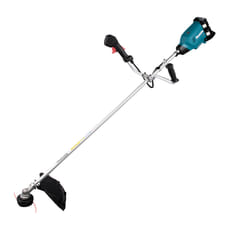
Brush cutters and blades represent the heavy-duty solution for vegetation clearance that exceeds the capabilities of standard strimmers and lawn mowers. Designed to tackle overgrown brambles, thick scrub, woody stems, and even small saplings, these powerful tools transform unruly outdoor spaces into well-maintained grounds. The category encompasses petrol-powered professional machines, versatile cordless models running on lithium-ion batteries, corded electric options for domestic use, and an extensive selection of replacement blades in various tooth configurations.
The fundamental advantage of brush cutters lies in their ability to accept metal cutting blades alongside traditional nylon line. Multi-tooth blades, tri-blade designs, and circular saw-style cutters slice through woody vegetation, dense undergrowth, and mature weeds that would instantly destroy trimmer line. This versatility proves indispensable for forestry maintenance, land management, agricultural work, and large-scale garden clearance projects. Tooled-Up.com stocks equipment from trusted manufacturers including Makita, Stihl, Einhell, and Bosch, alongside comprehensive blade options and essential accessories such as protective harnesses, safety visors, and line spools.
Whether managing extensive rural properties, clearing construction sites, maintaining public spaces, or tackling serious garden renovation projects, selecting appropriate equipment depends on understanding power requirements, blade compatibility, handle configuration, and safety features. Professional-grade petrol models deliver sustained cutting power for all-day commercial use, whilst modern cordless systems from DeWalt and Milwaukee offer emission-free operation ideal for noise-sensitive residential areas.
Jargon Buster
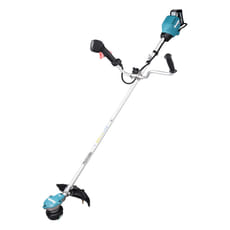
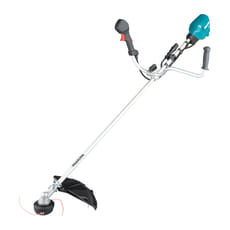
- Bike Handle vs Loop Handle: Bike handles feature two grips positioned like bicycle handlebars, providing superior control for blade work and operation on slopes. Loop handles (D-handles) attach at one point and suit lighter trimming tasks in confined spaces.
- Engine Displacement (cc): For petrol brush cutters, cubic centimetre measurement indicates engine size. Domestic models typically range from 25-35cc, whilst professional machines often exceed 40cc for maximum cutting power and sustained performance.
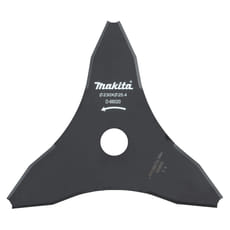
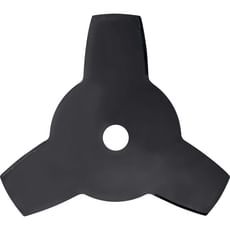
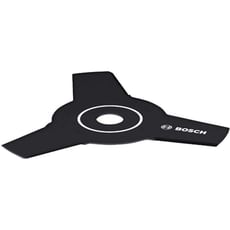
- Blade Teeth Configuration: The number and arrangement of cutting teeth determines performance characteristics. Two-tooth and three-tooth blades suit grass and light scrub, whilst eight-tooth, 40-tooth, or 80-tooth designs handle woody vegetation and saplings up to 50mm diameter more effectively.
- Drive Shaft Type: Solid drive shafts transmit power from motor to cutting head. Steel cable or solid steel rod construction affects durability—solid steel shafts prove essential for sustained blade use on professional machines.
- Bore Size: The central hole diameter of brush cutter blades, typically 20mm or 25.4mm (1 inch), must match your machine's arbor precisely. Using incorrect bore sizes creates dangerous situations and damages equipment.
- Anti-Vibration System: Technology integrated into quality brush cutters reducing vibration transmitted to operators. Critical for preventing Hand-Arm Vibration Syndrome (HAVS) during prolonged use—a serious occupational health concern recognised by the HSE.
Who Uses Brush Cutters & Blades?
- Professional Landscapers and Groundskeepers: Maintaining parks, sports grounds, commercial properties, and large residential estates
- Agricultural Workers and Farmers: Clearing field margins, maintaining hedgerows, and managing pastureland boundaries
- Forestry Contractors: Undergrowth clearance, ride maintenance, and vegetation management in woodland environments
- Local Authority Grounds Teams: Managing public spaces, roadside verges, and council-owned land
- Conservation and Wildlife Management Teams: Habitat maintenance, scrub clearance, and conservation work on nature reserves
- Golf Course Maintenance Teams: Managing rough areas, clearing invasive species, and maintaining course boundaries
- Property Developers and Site Clearance Contractors: Initial site preparation and vegetation removal before construction work
- Smallholders and Rural Property Owners: Managing larger gardens, paddocks, orchards, and rural plots
- Serious DIY Enthusiasts: Homeowners with extensive grounds, overgrown areas, or challenging terrain requiring heavy-duty clearing equipment
How to Choose the Right Brush Cutters & Blades
Power Source Selection: Corded electric brush cutters suit smaller domestic gardens within 30-40 metres of a 240v mains socket and require operation through an RCD for outdoor safety. Cordless models from Makita, DeWalt, and Milwaukee offer excellent freedom of movement with impressive runtime on modern lithium-ion platforms, ideal for medium-sized properties without trailing cables. Petrol brush cutters deliver maximum power and unlimited runtime for professional applications and large-scale clearance, though they're heavier, louder, and require fuel mixing and regular maintenance.
Engine Size and Power Output: For domestic use, 25-30cc petrol engines or 18V-36V cordless models handle most garden clearing tasks effectively. Professional landscapers should consider 35-50cc petrol machines or 36V+ cordless systems for sustained heavy-duty work throughout the day. Electric corded models typically range from 900W to 1400W—adequate for light-to-medium vegetation but limited when tackling woody growth.
Handle Configuration: Bike handles provide superior control when using metal blades and working on slopes or uneven terrain, making them the preferred professional choice. Loop handles offer better manoeuvrability for trimming work and lighter clearing in confined spaces. Some versatile models feature adjustable handle positions accommodating different tasks and operator preferences.
Blade Compatibility and Selection: Ensure your brush cutter accepts metal blades—not all models do. Available from Tooled-Up, blade selection depends on vegetation type: nylon line or two-three tooth blades for grass and weeds; eight-tooth or tri-blade designs for thick grass, nettles, and light scrub; 20-40 tooth circular blades for woody stems, brambles, and saplings up to 50mm diameter. Always verify bore size compatibility before purchasing replacement blades.
Weight and Balance: Lighter machines (4-6kg) suit occasional domestic use, whilst professional models (6-9kg) offer better durability and sustained power output. Consider whether a harness is included—essential for comfortable operation during extended use and particularly important for heavier petrol models distributing weight across shoulders rather than arms alone.
Anti-Vibration Features: Critical for anyone using brush cutters regularly or professionally. Quality machines from brands like Stihl, Makita, and Husqvarna incorporate vibration-dampening technology reducing fatigue and preventing HAVS, a serious occupational health concern for professional operators.
Popular Accessories
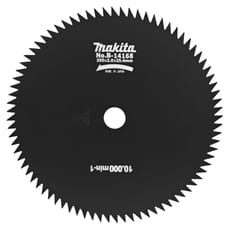
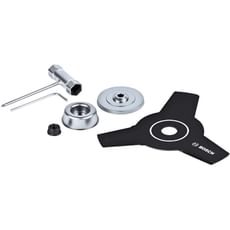
- Replacement Brush Cutter Blades: Multi-tooth blades, grass blades, scrub blades, and circular saw blades in various tooth configurations and diameters
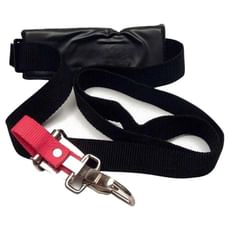
- Brush Cutter Harnesses: Padded shoulder harnesses and double-shoulder professional harnesses distributing weight comfortably across the body
- Trimmer Line and Spools: Various diameters (typically 2mm-3mm) for when blade cutting isn't required
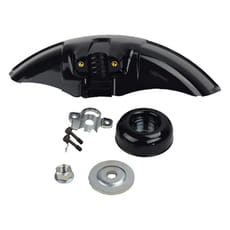
- Protective Guards: Replacement cutting guards and debris shields essential for safe operation
- Multi-Tool Attachments: Extending machine versatility with hedge trimmer, pole saw, and cultivator attachments for compatible split-shaft models
- Fuel Mixing Bottles: For accurately preparing two-stroke fuel mixtures for petrol brush cutters
- Spare Battery Packs: Additional Makita, DeWalt, or Milwaukee batteries ensuring uninterrupted cordless operation
- Blade Sharpening Tools: Files and sharpening kits maintaining blade performance and extending service life
Safety Information
Brush cutters are powerful tools requiring proper safety precautions. Always wear approved eye protection—preferably a full-face visor—as spinning blades can eject stones, wood chips, and debris at high velocity. Hearing protection is essential, particularly with petrol models that typically exceed 95dB. Heavy-duty work gloves, steel toe-capped boots, and close-fitting clothing prevent injuries from flying debris and blade contact.
When using corded electric brush cutters, always operate through an RCD (Residual Current Device) protecting against electric shock—a critical safety requirement for outdoor 240v power tool use. Inspect cables regularly for damage and never use equipment with compromised insulation.
For petrol brush cutters, store fuel in approved containers away from ignition sources, and never refuel whilst the engine is running or hot. Ensure adequate ventilation when mixing two-stroke fuel, and dispose of old fuel responsibly at approved facilities.
The HSE recognises prolonged brush cutter use as a HAVS (Hand-Arm Vibration Syndrome) risk. Professional operators should monitor exposure times, choose machines with effective anti-vibration systems, and maintain equipment properly to minimise vibration levels. Keep blades sharp—blunt blades increase vibration and reduce cutting efficiency.
Before starting work, clear the area of bystanders, pets, and obstacles. Maintain a 15-metre safety zone around the operator. Inspect blades for damage before fitting, ensuring they're correctly mounted and tightened to manufacturer specifications. Never fit damaged or cracked blades. When changing blades or line, always disconnect the spark plug (petrol) or remove the battery (cordless) to prevent accidental starting.
Frequently Asked Questions
What's the difference between a brush cutter and a strimmer?
Whilst both tools cut vegetation using a rotating head, brush cutters are more powerful and designed to accept metal blades alongside nylon line. This makes them capable of cutting through thick weeds, woody stems, brambles, and small saplings that would destroy strimmer line. Brush cutters typically feature more robust construction, bike handles for better control, and more powerful engines (typically 25cc+ for petrol models). Standard strimmers are lighter, designed primarily for grass trimming, and usually feature loop handles.
Can I use any blade on my brush cutter?
No—blade compatibility depends on several factors. First, verify your brush cutter is approved for blade use (not all are). Check the arbor bore size (typically 20mm or 25.4mm) and only fit blades matching this specification. Blade diameter must suit your machine's guard and power output—oversized blades are dangerous and can damage equipment. Always consult your manufacturer's guidelines regarding maximum blade diameter and tooth count, and never exceed specified limits.
Do I need a harness for brush cutter use?
A harness is highly recommended, particularly for machines over 5kg or when working for extended periods. Proper harnesses distribute weight across shoulders and hips, reducing fatigue and strain on arms and back. They also improve control and safety—if you lose grip, the harness prevents the machine dropping onto your feet. Professional users should consider double-shoulder harnesses offering superior weight distribution and comfort during all-day operation.
How often should I sharpen or replace brush cutter blades?
Sharpen blades when you notice reduced cutting performance, increased vibration, or the machine labours through vegetation it previously cut easily. Depending on usage and vegetation type, this might be after 8-10 hours of work. Use proper files maintaining the original tooth angle. Replace blades when teeth are significantly worn, bent, or cracked, or when sharpening has reduced tooth size noticeably. Never use damaged blades—they're dangerous and create excessive vibration.
Are cordless brush cutters powerful enough for professional use?
Modern cordless brush cutters using 36V+ battery platforms from Makita, DeWalt, and Milwaukee deliver impressive performance rivalling smaller petrol models for many applications. They're increasingly popular with professional landscapers for noise-sensitive areas, emission-free operation, and minimal maintenance. However, petrol models still offer advantages for sustained heavy-duty clearing, extremely dense vegetation, and situations where battery changing isn't practical. Many professionals now use both—cordless for domestic work and urban areas, petrol for large-scale rural clearance.