

Brushes

Pay in 3 interest-free payments on purchases from £20-£3000 with  . Learn more.
 Loading...
End of content
Error - No more pages to load
About Brushes
Professional brushes represent essential maintenance components for commercial floor care equipment, ensuring cleaning machinery continues to deliver optimal performance across diverse working environments. The range at Tooled-Up.com focuses on precision-engineered replacement brushes designed specifically for professional floor sweepers, with particular emphasis on components compatible with Kärcher cleaning equipment. These critical wear items require periodic replacement to maintain effective debris collection, protect delicate floor surfaces, and ensure thorough cleaning results in commercial, industrial, and institutional settings.
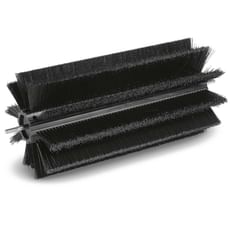
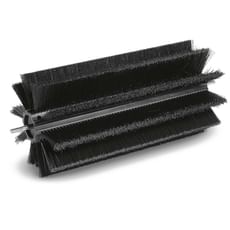
The brushes available include main roller brush assemblies engineered for the Kärcher KM 70/15 C floor sweeper, offered in both standard and soft bristle configurations. Standard roller brushes feature moisture-proof universal bristles suitable for robust cleaning across all surface types, from industrial concrete to outdoor paving, whilst soft bristle variants provide gentler action ideal for sensitive indoor flooring such as polished wood, vinyl, linoleum, and sealed surfaces where standard brushes might cause scratching or marking. Both configurations are manufactured as complete reversing roller mill assemblies, designed for straightforward replacement and extended service life.
Maintaining a supply of appropriate replacement brushes ensures minimal downtime for commercial cleaning operations whilst preventing the performance degradation associated with worn bristles. Timely brush replacement not only extends the operational lifespan of expensive floor care equipment but also delivers consistently superior cleaning outcomes, prevents potential damage to floor surfaces, and maintains the professional standards expected in contract cleaning, facility management, and property maintenance applications.
Jargon Buster
- Main Roller Brush: The primary rotating brush assembly that spans the full width of a floor sweeper, responsible for agitating and collecting debris from floor surfaces. Driven by the machine's motor or transmission system, this component determines overall sweeping effectiveness and requires regular replacement as bristles wear.
- Soft Bristle Brush: A roller brush variant featuring flexible, gentler bristles specifically engineered for delicate or polished floor surfaces. These brushes prevent scratching on sensitive materials whilst maintaining effective debris collection on vinyl, sealed wood, and decorative flooring.
- Reversing Roller Mill: A brush assembly design that allows the roller to be reversed when one side becomes worn, effectively doubling the usable service life before complete replacement becomes necessary. This feature reduces maintenance costs and extends intervals between brush purchases.
- Moisture-Proof Bristles: Brush fibres treated or manufactured to resist water absorption and degradation when used in damp conditions or on wet surfaces. This characteristic ensures consistent performance in both indoor and outdoor applications whilst preventing bristle deterioration.
- Universal Bristles: Brush fibres with material composition and stiffness characteristics suitable for use across multiple floor surface types, eliminating the need for frequent brush changes when sweeping different areas within a facility.
- Bristle Wear Pattern: The visible reduction in bristle length and the uneven deterioration pattern that develops through regular use. Monitoring wear patterns helps determine optimal replacement timing to maintain cleaning performance before efficiency drops significantly.
Who Uses Brushes?
Professional replacement brushes serve essential maintenance requirements across numerous trades and sectors:
- Contract Cleaners: Commercial cleaning companies maintaining offices, retail premises, shopping centres, and public buildings requiring regular floor sweeping programmes
- Facility Managers: Professionals responsible for cleanliness standards in warehouses, distribution centres, manufacturing plants, and logistics facilities
- School Maintenance Teams: Educational establishment caretakers and cleaning staff managing extensive corridor systems, halls, and classroom areas
- Hospital and Healthcare Cleaning Staff: NHS trusts and private healthcare facilities maintaining stringent hygiene standards across large floor areas
- Retail Store Managers: Supermarkets, department stores, and shopping venues conducting daily floor maintenance before and after trading hours
- Local Authority Grounds Teams: Council workers maintaining public buildings, leisure centres, community facilities, and civic venues
- Industrial Cleaning Operatives: Factory floor maintenance personnel in production environments, workshops, and processing facilities
- Property Maintenance Companies: Businesses providing ongoing cleaning services across commercial property portfolios and multi-site operations
- Car Park Maintenance Crews: Teams responsible for keeping car parks, loading bays, and external hard-standing areas clear of debris
How to Choose the Right Brushes
Equipment Compatibility: Accurate model identification represents the critical first step in brush selection. Brushes are precision-engineered for specific floor sweeper models, and using incorrect components results in poor fitment, reduced performance, or potential equipment damage. Always verify your machine's exact model number from the serial plate or operator manual before ordering. For Kärcher equipment, note that brushes designed for the KM 70/15 C will not fit other models in the range.
Floor Surface Assessment: Your flooring type determines whether standard or soft bristle brushes provide optimal results. Hard-wearing surfaces including concrete, tarmac, block paving, and industrial flooring accommodate standard brushes that deliver robust debris collection. Conversely, delicate surfaces such as polished wood, vinyl composition tiles, linoleum, sealed cork, or decorative flooring require soft bristle variants that prevent surface damage whilst maintaining effective sweeping performance. When facilities contain multiple floor types, consider maintaining both brush variants for appropriate deployment.
Usage Intensity and Environment: Operational demands significantly influence replacement frequency. High-traffic environments with heavy debris loads—such as factory floors, construction sites, or warehouse loading bays—accelerate bristle wear compared to lighter-duty applications in offices or retail settings. Similarly, outdoor use on rough surfaces reduces brush lifespan compared to smooth indoor flooring. Understanding your usage intensity helps determine appropriate stock levels of replacement brushes to prevent operational disruption.
Bristle Condition Monitoring: Establish regular inspection routines to assess bristle condition before performance deteriorates noticeably. Warning signs requiring replacement include bristle length reduced to less than 50% of original height, uneven wear patterns across the roller width, visible debris trails during sweeping operations, or damaged and broken bristles. Proactive replacement based on condition assessment prevents the productivity losses associated with worn brushes and protects floor surfaces from potential damage.
Genuine Manufacturer Parts: Tooled-Up stocks genuine Kärcher Professional replacement brushes that guarantee precise fitment specifications, appropriate bristle material composition, and performance standards matching original equipment. Whilst aftermarket alternatives may offer initial cost savings, genuine parts protect your investment in professional cleaning equipment through assured quality, maintained warranties, and reliable long-term performance that reduces total cost of ownership.
Popular Accessories
Maximise floor care equipment performance and operational efficiency with these complementary products:
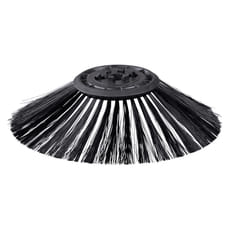
- Replacement Side Brushes: Edge-cleaning brush assemblies that work alongside main rollers for comprehensive coverage against walls and into corners
- Dust Filters and Collection Bags: Essential consumables for capturing fine particles and maintaining optimal suction performance in floor sweepers
- Floor Sweeper Maintenance Kits: Complete service packages containing multiple brush types, filters, and other wear components for scheduled maintenance
- Brush Removal Tools: Specialised implements enabling safe, efficient roller brush changes without damaging equipment housings or bearing assemblies
- Cleaning and Maintenance Solutions: Specialist products for cleaning brush assemblies and removing accumulated debris between replacement intervals
- Replacement Squeegees: For scrubber-dryer applications where brush systems work in conjunction with water recovery components
- Drive Belts and Transmission Parts: Complementary wear components that may require replacement during brush service intervals
- Bearing and Bushing Sets: Supporting components for roller brush assemblies that ensure smooth rotation and optimal contact with floor surfaces
Frequently Asked Questions
How often should I replace floor sweeper brushes?
Replacement frequency depends primarily on usage intensity, surface types, and debris loads, but typically ranges from every three to six months for heavy commercial applications. Light-duty environments may extend this interval to twelve months. Rather than following rigid schedules, inspect bristles regularly for wear indicators including length reduction to less than 50% of original height, uneven wear patterns, or damaged fibres. Performance signs such as visible debris trails, reduced collection efficiency, or increased dust escape suggest immediate replacement is necessary regardless of time elapsed since previous change.
What's the difference between standard and soft roller brushes for the KM 70/15 C?
Standard main roller brushes feature stiffer, more robust bristles engineered for effective cleaning on hard-wearing surfaces including concrete, tarmac, industrial flooring, and outdoor paving. These brushes provide aggressive debris agitation and collection in demanding environments. Soft roller brushes utilise gentler, more flexible bristles specifically designed for delicate indoor surfaces such as polished wood, vinyl composition tiles, linoleum, sealed cork, or decorative flooring where standard brushes might cause scratching, scuffing, or surface marking. Both variants maintain effective debris collection whilst protecting their intended floor types.
Can I use one set of brushes across multiple floor sweeper models?
No—roller brushes are precision-engineered for specific floor sweeper models with exact dimensional requirements for shaft diameter, roller width, bristle configuration, and mounting systems. Brushes designed for the Kärcher KM 70/15 C will not fit other models in the Kärcher range or equipment from different manufacturers. Always verify your exact machine model number before ordering replacement brushes to ensure correct fitment. Using incompatible brushes results in poor performance, potential equipment damage, and safety risks from components dislodging during operation.
How do I know when my brushes need replacing rather than just cleaning?
Visual inspection reveals several clear indicators that replacement rather than cleaning is required. Bristle length reduced to 50% or less of original height, uneven wear patterns creating bald patches across the roller, visible bristle breakage or fraying, and permanent deformation of bristle tips all signal replacement necessity. Performance indicators include debris trails left behind during sweeping, reduced collection efficiency requiring multiple passes, increased dust escape from the machine, or unusual noise during operation. If thorough cleaning and debris removal fail to restore normal performance, replacement becomes necessary.
What maintenance extends roller brush lifespan between replacements?
Regular maintenance significantly extends brush service life whilst maintaining optimal performance. After each use or at minimum daily, remove the brush assembly and clear any wrapped debris, string, wire, or plastic film from the bristles using appropriate tools. Weekly, wash brushes with mild detergent solution to remove accumulated dust, grime, and fine particles that compact between bristles and reduce effectiveness. Ensure brushes are completely dry before reinstallation to prevent premature bristle degradation. Store spare brushes in clean, dry conditions away from direct sunlight, chemicals, and temperature extremes that might compromise bristle material properties before installation.