
Brushes

Pay in 3 interest-free payments on purchases from £20-£3000 with  . Learn more.
Loading...
End of content
Error - No more pages to load
About Brushes
Vacuum cleaner brushes and attachments are essential accessories that transform wet and dry vacuum systems into versatile cleaning solutions capable of handling any workshop, construction site or vehicle cleaning task. Whether tackling fine dust from power tool operations, debris from building work, or maintaining vehicle interiors to professional standards, the correct brush attachments maximise extraction efficiency whilst protecting delicate surfaces from scratches and damage. These specialist vacuum cleaning brushes are designed to work seamlessly with leading brands including Kärcher, Draper, Bosch and Festool vacuum cleaners.
The selection at Tooled-Up.com encompasses everything from combination brushes that handle both hard floors and sensitive surfaces to specialist nozzles for tight corners and awkward crevices. Floor tools with robust metal bases deliver the durability required for heavy-duty site work, whilst softer brush inserts protect expensive equipment, painted surfaces and vehicle upholstery. Many attachments serve as direct replacements for worn or damaged original parts, ensuring vacuum cleaners maintain peak performance throughout their working life. Quality vacuum brushes are manufactured to precise specifications, guaranteeing proper fitment with specific hose diameters—commonly 32mm, 35mm and 36mm connections—and particular vacuum models.
For professional tradespeople maintaining multiple work sites or DIY enthusiasts keeping home workshops spotless, investing in the appropriate brush attachments represents a practical approach to achieving exceptional cleaning results. From managing sawdust and wood shavings in joinery workshops to removing metal filings in engineering environments, these accessories are engineered to complement professional vacuum systems whilst meeting the demanding requirements of UK building sites and industrial premises.
Jargon Buster
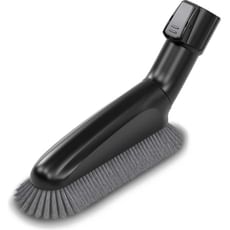
- Combination Brush – A versatile attachment featuring retractable bristles that extend for delicate surfaces or retract to use the suction nozzle directly on hard floors and smooth surfaces, offering flexibility for varied cleaning tasks.
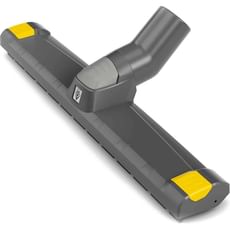
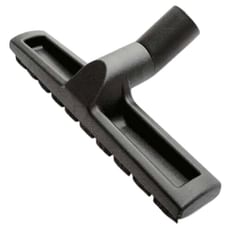
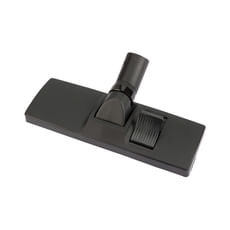
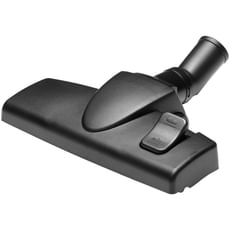
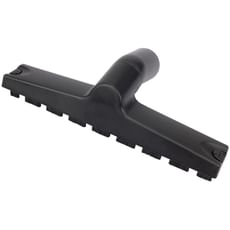
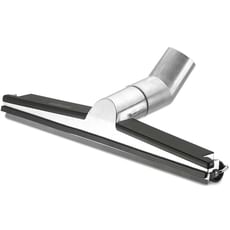
- Floor Tool/Floor Attachment – A wide-format brush head designed specifically for efficient cleaning of large floor areas, typically featuring wheels for easy manoeuvrability and a metal or plastic base for durability in workshop and site environments.
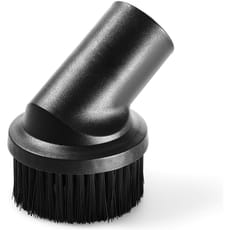
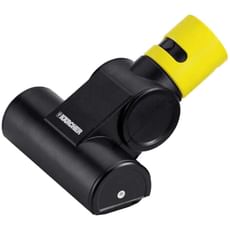
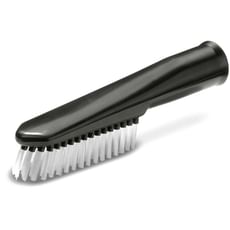
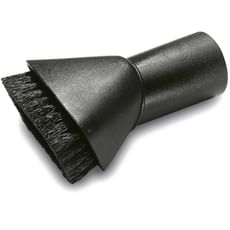
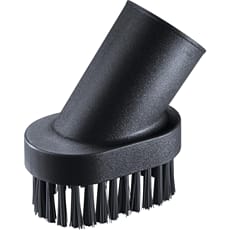
- Brush Nozzle – A smaller, focused brush attachment ideal for cleaning detailed areas, equipment surfaces, and reaching into corners where larger tools cannot access effectively, essential for precision cleaning work.
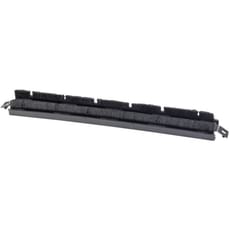
- Brush Insert – A replaceable brush component that fits into a vacuum tool housing, allowing you to refresh worn bristles without replacing the entire attachment, providing an economical maintenance solution.
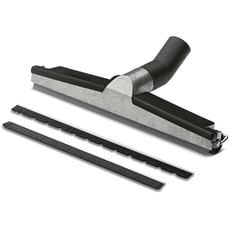
- Squeegee Insert – A rubber blade attachment designed for liquid extraction and wet cleaning applications, commonly used in wet and dry vacuum systems for workshop floor cleaning and spillage management.
- Suction Brush Attachment – A specialised brush designed to work with dust extraction systems, often featuring soft bristles to contain dust whilst protecting work surfaces during sanding, cutting or routing operations.
Who Uses Brushes?
Vacuum cleaner brushes are essential tools for a wide range of professional tradespeople and dedicated DIY users:
- Workshop Engineers and Machinists – maintaining clean workspaces and equipment free from metal filings and swarf
- Carpenters and Joiners – managing sawdust and wood shavings in workshops and on construction sites
- Builders and General Contractors – keeping sites clean and meeting HSE health and safety requirements
- Vehicle Valeters and Detailers – professional interior cleaning without damaging upholstery or trim
- Electricians and Sparks – cleaning up after installation work and maintaining tidy first-fix and second-fix sites
- Decorators – removing dust before painting and maintaining clean preparation areas
- Facility Maintenance Teams – general cleaning across commercial and industrial premises
- Groundworkers and Civil Engineers – managing site cleanliness and controlling dust on construction projects
- DIY Enthusiasts – maintaining home workshops and garages to professional standards
- Tool Hire Companies – maintaining rental equipment and vacuum systems between hires
How to Choose the Right Brushes
Selecting the appropriate vacuum brush attachments requires consideration of several key factors to ensure compatibility and optimal performance:
Compatibility and Fitment: Always verify that attachments are compatible with your specific vacuum cleaner model and hose diameter. Common sizes include 32mm, 35mm and 36mm connections. Manufacturers like Kärcher, Draper, Bosch and Festool often use specific connection systems, so check model numbers carefully before purchasing to avoid fitment issues.
Application Type: Consider the primary cleaning tasks you'll undertake. Large floor tools deliver the most efficient coverage for workshop floors and open areas, whilst smaller brush nozzles excel at detailed cleaning around machinery and equipment. Combination brushes offer versatility if you regularly switch between surface types, making them ideal for mobile tradespeople working across varied environments.
Bristle Material: Softer bristles are essential when cleaning painted surfaces, vehicle interiors or sensitive equipment to prevent scratching and surface damage. Stiffer bristles provide more aggressive cleaning action for concrete floors and heavily soiled industrial areas. Some professional attachments feature horsehair or similar natural fibres for optimal dust containment during fine woodworking or finishing operations.
Construction Quality: Metal-based floor tools from Tooled-Up offer superior durability for demanding site work compared to plastic alternatives, though they're heavier and may scratch delicate flooring. Consider the working environment and how frequently the attachment will be used when weighing durability against weight and surface protection requirements.
Replacement Parts Availability: For frequently used attachments, check whether brush inserts and wearing parts are available separately. This allows you to refresh worn brushes economically rather than replacing entire assemblies, reducing long-term operating costs for busy professional users.
Popular Accessories
- Extension Tubes and Wands – reach high areas and reduce bending during floor cleaning operations
- Hose Adaptors – connect different diameter attachments to your existing vacuum system
- Crevice Tools – complement brush attachments for accessing narrow gaps and tight spaces
- Vacuum Filters and Bags – maintain suction performance alongside your brush tools
- Tool Adaptor Kits – connect vacuum brushes directly to power tools for dust extraction at source
- Brush Insert Replacements – refresh worn attachments to maintain cleaning efficiency
- Storage Clips and Holders – keep multiple attachments organised on your vacuum cleaner
- Anti-Static Hoses – reduce dust adhesion when using brush attachments for fine particles
- Wet Vacuum Squeegees – specialised liquid extraction tools for workshop spillages
Frequently Asked Questions
Why won't my brush attachment fit my vacuum cleaner hose?
Vacuum manufacturers use various hose diameters, commonly 32mm, 35mm and 36mm. Even small differences prevent proper fitment. Always check your vacuum model specifications or measure your existing hose internal diameter before purchasing new attachments. Some brands like Kärcher Professional use different connection systems to their domestic ranges, so verify compatibility carefully with product specifications.
How often should I replace vacuum brush attachments?
Replace brushes when bristles become significantly worn, bent or lose their shape, typically affecting cleaning efficiency and potentially scratching surfaces. With regular professional use, floor tools may need replacement annually, whilst less frequently used nozzles can last several years. Many attachments feature replaceable brush inserts, allowing you to refresh just the worn component rather than the complete assembly, providing better value for professional users.
Can I use the same brushes for wet and dry vacuuming?
Most brush attachments work with both wet and dry applications, though some are optimised for specific uses. Squeegee inserts are specifically designed for liquid extraction, whilst standard brush attachments handle dry debris more effectively. Always ensure your attachment is clean and dry before storing to prevent bristle degradation and mould growth, particularly after wet use on building sites or workshop floors.
What's the difference between a floor tool and a combination brush?
Floor tools are wide-format attachments optimised for efficient cleaning of large floor areas, typically featuring a metal or plastic base with wheels for easy movement across workshop and site environments. Combination brushes are smaller, handheld attachments with retractable bristles, offering versatility for both hard surfaces and delicate cleaning tasks. Choose floor tools for workshop floors and site cleaning, combination brushes for equipment, vehicles and detailed work.
Will using the wrong brush damage my vacuum cleaner?
Using incompatible attachments won't typically damage the vacuum motor, but poorly fitting brushes reduce suction efficiency and may detach during use, creating safety hazards on busy sites. More critically, using attachments with inappropriate bristle types can scratch expensive equipment, vehicle paintwork or finished surfaces. Always match brush hardness to the surface being cleaned and ensure secure connection to maintain optimal extraction performance and comply with HSE workplace standards.