

Bucket Trowels

Pay in 3 interest-free payments on purchases from £20-£3000 with  . Learn more.
 Loading...
End of content
Error - No more pages to load
About Bucket Trowels
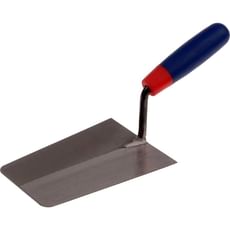
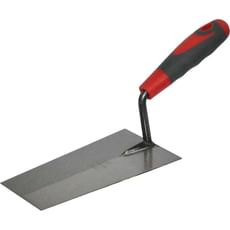
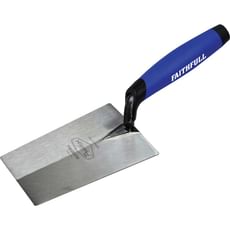
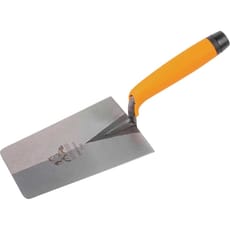
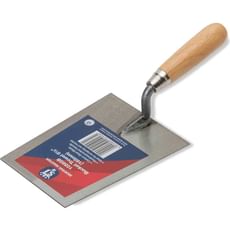
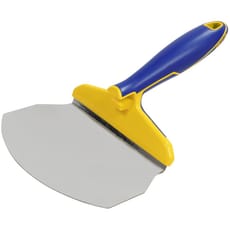
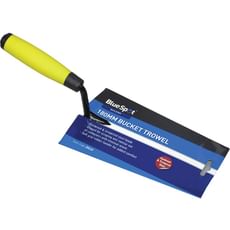
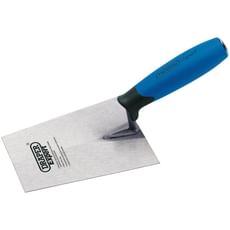
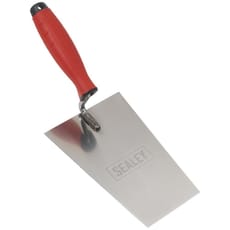
A bucket trowel is a specialist hand tool designed specifically for scooping plaster, mortar, cement, and other building materials directly from a bucket or mixing container. Whilst it might seem like any trowel could perform this task, a dedicated bucket trowel features unique design characteristics that make it the most efficient tool for the job. Its distinctive rounded shape and smooth edges allow you to extract every last bit of material from the bucket, minimising waste and making site clean-up considerably easier. The curved profile prevents damage to plastic mixing buckets whilst ensuring you can reach into corners and along curved surfaces to retrieve material that would otherwise be wasted.
The key advantage of using a proper bucket trowel lies in its construction and purpose-built design. Unlike standard pointing or plastering trowels, bucket trowels typically feature rounded or curved edges that won't scratch or damage the inside of plastic mixing buckets. This not only extends the life of your buckets but also prevents small fragments of plastic from contaminating your mix, which could compromise the finish of your work. Most bucket trowels available from Tooled-Up.com feature comfortable soft-grip handles for extended use and are manufactured from durable materials including carbon steel and stainless steel, with welded or riveted construction ensuring the blade remains securely attached even under heavy daily use.
Whether you're a professional plasterer working on large commercial projects or a DIY enthusiast tackling home improvements, having a quality bucket trowel in your toolkit ensures cleaner working practices and less material wastage. The Tooled-Up range includes bucket trowels from trusted brands such as Faithfull, BlueSpot, Draper, RST, Sealey, and Spear & Jackson, offering options to suit different budgets and preferences whilst maintaining the high standards expected by UK tradespeople.
Jargon Buster
- Carbon Steel: A common blade material for bucket trowels, offering good durability and strength at an affordable price point. Carbon steel blades require proper care to prevent rust, but provide excellent rigidity for scooping dense materials like mortar and render.
- Stainless Steel: A premium blade material that resists corrosion and rust, making it ideal for wet working conditions. Stainless steel bucket trowels are easier to clean and maintain than carbon steel alternatives, though they typically cost more.
- Soft Grip Handle: An ergonomic handle design featuring rubber or foam coating that provides enhanced comfort during prolonged use and improved grip, particularly when working with wet hands or in cold conditions typical on UK building sites.
- Welded Construction: Refers to the method of attaching the blade to the handle, where the tang is welded to the handle shank. This creates a strong, durable connection that can withstand the forces involved in scooping heavy materials repeatedly throughout the working day.
- Rounded Edges: The smooth, curved edges of a bucket trowel blade that prevent scratching and damage to plastic buckets whilst allowing complete material extraction from corners and curved surfaces, minimising waste on site.
- Hawk: A flat plastering tool with a handle underneath, used to hold plaster or mortar whilst working. Bucket trowels are commonly used to transfer material from the bucket onto the hawk before application.
Who Uses Bucket Trowels?
Bucket trowels are essential tools for a wide range of construction and building professionals, including:
- Plasterers: Professional plasterers use bucket trowels daily to transfer plaster, skim, and render from mixing buckets to hawks and directly onto surfaces, making them indispensable for efficient workflow.
- Bricklayers: For scooping mortar from buckets onto spot boards or directly onto their trowels when laying bricks and blocks on residential and commercial projects.
- Tilers: Wall and floor tilers use bucket trowels to scoop adhesive and grout from containers, ensuring minimal waste and clean working practices throughout the day.
- Renderers: External rendering specialists require bucket trowels to efficiently transfer render materials during large-scale facade projects where speed and material conservation are crucial.
- General Builders: Multi-trade contractors keep bucket trowels in their tool kits for various applications involving mixed materials, from repairs to new construction work.
- Decorators: When preparing walls with filler or textured coatings, decorators benefit from the efficient material handling a bucket trowel provides.
- DIY Enthusiasts: Home improvers tackling plastering, tiling, or rendering projects will find a bucket trowel invaluable for cleaner, more efficient working and reduced material waste.
How to Choose the Right Bucket Trowels
Selecting the appropriate bucket trowel depends on several important factors:
Blade Material: Consider whether carbon steel or stainless steel better suits your needs. Carbon steel options from brands like Draper and Faithfull offer excellent value and durability for general use, whilst stainless steel models such as the Sealey Stainless Steel Bucket Trowel resist corrosion and are easier to maintain in wet conditions typical on UK building sites. Carbon steel requires more care to prevent rust but provides superb rigidity for dense materials.
Handle Comfort: If you're using a bucket trowel regularly throughout the working day, invest in a model with a soft-grip handle. The ergonomic design reduces hand fatigue and provides better control, particularly important when transferring heavy materials. Most professional-grade bucket trowels from brands like BlueSpot and RST feature comfortable grip designs that perform well even with wet hands or when wearing gloves.
Build Quality: Look for welded construction where the blade is securely attached to the handle tang. This ensures the tool can withstand repeated use and the forces involved in scooping dense materials like mortar and render. Check product specifications for welded or riveted construction details, as inferior joints can fail under heavy site use.
Blade Size and Shape: Most bucket trowels feature a similar rounded profile optimised for bucket work, but slight variations in size exist. Consider the size of buckets you typically use and whether you need a larger blade for faster material transfer or a more compact design for precise control and working in confined spaces.
Price vs. Quality: Whilst budget options exist, investing in a quality bucket trowel from established brands like Faithfull or Spear & Jackson ensures better longevity and performance. A well-made bucket trowel should last for years with proper care, making it a worthwhile investment for professional tradespeople.
Popular Accessories
To get the most from your bucket trowel and maintain efficient working practices, consider these complementary products available at Tooled-Up:
- Mixing Buckets: Heavy-duty plastic mixing buckets in various sizes for preparing plaster, mortar, and other materials without damage from your bucket trowel.
- Plasterer's Hawks: Essential for holding material whilst working, available in various sizes and materials including lightweight aluminium options that reduce fatigue.
- Mixing Paddles: Drill-mounted mixing paddles for efficiently preparing consistent batches of plaster and mortar, ensuring professional results.
- Pointing Trowels: For detailed work after transferring material with your bucket trowel, perfect for joints and smaller applications.
- Finishing Trowels: Plastering and finishing trowels for smoothing and levelling applied materials to achieve a professional finish.
- Tool Cleaning Brushes: Stiff bristle brushes for removing dried material from trowels and other tools, extending their working life.
- Bucket Sponges: Large sponges for cleaning buckets and tools at the end of each working day, maintaining hygiene and tool condition.
- Tool Bags and Storage: Organised storage solutions to keep your trowels and hand tools protected and easily accessible on site, from brands like Stanley FatMax and DeWalt.
Frequently Asked Questions
Q: What's the difference between a bucket trowel and a regular trowel?
A: Bucket trowels feature a distinctively rounded shape with smooth, curved edges specifically designed for scooping material from buckets without causing scratches or damage. Regular pointing or finishing trowels have squared edges and flatter profiles optimised for applying and smoothing materials on surfaces rather than scooping from containers. Using the wrong tool can damage buckets and waste material.
Q: Should I choose carbon steel or stainless steel?
A: Carbon steel bucket trowels offer excellent durability at a lower price point and are perfectly adequate for most applications, though they require cleaning and drying after use to prevent rust. Stainless steel options cost more but resist corrosion naturally, making them ideal if you frequently work in wet conditions or prefer low-maintenance tools that can withstand the demands of daily professional use.
Q: How do I maintain my bucket trowel?
A: Clean your bucket trowel thoroughly after each use, removing all material residue before it hardens. For carbon steel blades, dry completely and consider applying a light oil coating for storage to prevent rust. Stainless steel models require less maintenance but still benefit from proper cleaning. Check the handle regularly for damage and ensure the blade remains securely attached to the tang.
Q: Can I use a bucket trowel for applying plaster directly to walls?
A: Whilst you could technically apply material with a bucket trowel, it's not designed for this purpose. Bucket trowels are optimised for scooping and transferring materials, whereas finishing trowels have the correct flat profile and edge design for spreading and smoothing plaster on surfaces. Use your bucket trowel to transfer material onto a hawk or finishing trowel for best results and a professional finish.
Q: Will a bucket trowel work with all bucket sizes?
A: Yes, bucket trowels are designed to work effectively with standard mixing buckets commonly used in the UK construction industry. The rounded profile allows you to reach into corners and extract material efficiently regardless of bucket size, though larger buckets naturally allow more working room. The curved edges ensure you can retrieve material from any standard bucket without waste.