

Buckets & Containers

Pay in 3 interest-free payments on purchases from £20-£3000 with  . Learn more.
 Loading...
End of content
Error - No more pages to load
About Buckets & Containers
Buckets and containers represent some of the most fundamental yet essential equipment across virtually every trade and industry. From mixing plaster and transporting aggregates to storing tools and carrying cleaning solutions, the right bucket or container significantly improves worksite efficiency and organisation. Tooled-Up.com stocks a comprehensive range of professional-grade buckets, tubs, and specialist containers designed to withstand the demanding conditions of trade environments whilst providing years of reliable service.
The selection available from Tooled-Up includes heavy-duty builders' buckets and mixing tubs alongside stackable storage containers, paint kettles, and food-grade options for catering professionals. Whether you're a plasterer requiring robust mixing buckets with graduated markings, a decorator needing paint scuttles with integral grids, or a general tradesperson looking for versatile material handling solutions, professional containers are engineered with features that matter—reinforced rims to prevent splitting, ergonomic wire bail handles for comfortable carrying even when loaded, and smooth interiors that facilitate easy cleaning between applications.
Professional buckets and containers are manufactured from high-quality materials including polypropylene, HDPE (high-density polyethylene), and galvanised steel, each offering distinct advantages depending on your specific application. UV-stabilised options prevent degradation on outdoor sites, chemical-resistant containers meet stringent safety standards for hazardous material handling in compliance with HSE and COSHH regulations, and food-safe containers ensure hygiene compliance in catering environments. Many professional-grade buckets feature nestable designs that maximise valuable van storage space, whilst stackable containers with secure lids keep worksites organised and materials protected during transport.
Jargon Buster
- HDPE (High-Density Polyethylene): A robust, chemical-resistant plastic commonly used in professional-grade buckets and containers. HDPE offers excellent impact resistance whilst remaining lightweight, making it suitable for storing liquids, aggregates, chemicals, and mixed materials without degradation or contamination.
- Food-Safe/Food-Grade: Containers manufactured from materials that comply with food safety regulations and won't leach harmful chemicals into contents. Essential for catering professionals and any application involving food storage or preparation, these containers meet stringent hygiene standards.
- Graduated Markings: Volume indicators printed or moulded into container sides, allowing accurate measurement of liquids or materials without additional measuring equipment. Particularly useful for mixing plaster, render, or adhesives to specific manufacturer-recommended ratios.
- UV Stabilised: Containers treated with additives that prevent degradation from ultraviolet light exposure. UV-stabilised buckets maintain their structural integrity and won't become brittle when stored outdoors or on sunny worksites, extending service life considerably.
- Wire Handle/Bail Handle: A metal carrying handle spanning the bucket diameter, typically featuring a plastic or wooden grip for comfort. Wire handles distribute weight more evenly than moulded plastic alternatives, proving more durable and can be repositioned out of the way when filling or accessing contents.
- Nestable/Stackable: Containers designed to fit inside one another when empty (nestable) or stack securely when full or lidded (stackable), maximising storage space in vans, workshops, and storage areas whilst making transportation more efficient.
Who Uses Buckets & Containers?
Buckets and containers are universal tools used across numerous trades and industries:
- Plasterers and Renderers: For mixing plaster, carrying materials, and cleaning tools between applications
- Painters and Decorators: Paint kettles, scuttles, and mixing buckets for various coatings and surface preparations
- Builders and General Contractors: Material transport, mixing concrete, site organisation, and waste collection
- Tilers: Mixing adhesive and grout to precise consistencies with accurate water ratios
- Landscapers and Groundworkers: Moving soil, aggregates, water, and mixed materials across sites
- Electricians and Plumbers: Carrying tools, components, and collecting waste materials during installations
- Cleaners and Facilities Maintenance: Holding cleaning solutions and transporting equipment between areas
- Agricultural Workers: Feeding livestock, carrying water, and storing materials around farms and holdings
- DIY Enthusiasts: Home improvement projects, gardening, decorating, and general household storage
- Catering and Food Service: Food preparation, ingredient storage, and maintaining hygiene compliance
- Manufacturing and Warehouse Operations: Parts storage, waste collection, and material handling
How to Choose the Right Buckets & Containers
Capacity and Size: Buckets typically range from 5 litres to 25 litres or more. Consider your specific application—a 10-litre bucket suits most general tasks, whilst plasterers often prefer 15-20 litre mixing buckets for efficiency. Larger capacities reduce trips but increase weight when filled. Remember that a full 20-litre bucket of water weighs approximately 20kg plus container weight, which approaches safe manual handling limits.
Material Construction: HDPE and polypropylene buckets offer excellent chemical resistance and durability for most trade applications whilst remaining lightweight. Galvanised steel buckets provide superior strength for heavy aggregates but may corrode over time in wet conditions. Food-grade containers are essential for catering environments, whilst UV-stabilised options prevent degradation on outdoor sites and sunny worksites.
Handle Design: Wire bail handles with comfortable grips distribute weight more evenly than moulded plastic handles and prove significantly less likely to break under heavy loads or repeated use. Some containers feature dual side handles for two-handed carrying or controlled pouring, particularly useful for larger volumes or when working in confined spaces.
Special Features: Graduated markings enable accurate measuring for mixing ratios without additional equipment. Pouring lips facilitate controlled dispensing of liquids. Reinforced rims prevent splitting and cracking under rough site conditions. Nestable designs save valuable van and storage space. Secure lids provide contamination-free storage and prevent spillage during transport between sites.
Application-Specific Requirements: Paint kettles feature internal grids for removing excess paint from brushes and rollers. Mixing buckets require smooth interiors for easy cleaning and preventing material build-up. Storage containers may require airtight seals to protect contents from moisture. Consider whether you need chemical resistance certification, food-safety compliance, or specific colour coding for different materials or work areas to maintain site organisation.
Popular Accessories
- Bucket Lids: Secure contents during storage and transport, prevent contamination and spillage
- Mixing Paddles: Power drill attachments for efficiently mixing plaster, paint, adhesives, and render
- Paint Grids and Roller Trays: Insert accessories that convert paint kettles and buckets into efficient decorating stations
- Bucket Dollies: Wheeled platforms for moving heavy, loaded buckets without lifting or manual handling risks
- Measuring Jugs and Scoops: For accurate portioning and achieving correct mixing ratios consistently
- Storage Caddy Inserts: Organiser trays that fit inside buckets for tools, fixings, and small parts
- Bucket Liners: Disposable or reusable liners that simplify cleaning and prevent cross-contamination between materials
- Funnel Sets: Facilitate clean, controlled pouring into containers without spillage or waste
- Labels and Markers: Identify contents and mixing dates for COSHH compliance and safety documentation
Safety Information
Manual Handling: Always assess weight before lifting a filled container. A 20-litre bucket filled with water or mixed materials can weigh over 25kg, approaching safe lifting limits established by HSE guidance. Use two hands, maintain good posture with straight back and bent knees, and consider using bucket dollies or requesting assistance for heavy loads to prevent back injuries and musculoskeletal strains.
Chemical Storage: When storing chemicals, solvents, or hazardous materials, ensure containers are chemical-resistant and properly labelled in accordance with COSHH regulations. Never store chemicals in food-grade containers or vice versa, as this presents serious contamination risks. Keep lids securely fitted to prevent spills, fume release, and contamination of other materials.
Food Safety: Only use certified food-grade containers for storing food products or ingredients. Regularly clean and sanitise containers used in food preparation environments to prevent cross-contamination and bacterial growth. Replace containers showing signs of damage, scratching, or wear as these can harbour bacteria.
Site Safety: Store empty buckets securely to prevent trip hazards on busy worksites. Never leave buckets filled with water unattended where children might access them, as they present a drowning risk even in shallow depths. When working at height, ensure containers are secured within proper tool buckets or platforms to prevent them falling from scaffolding, ladders, or elevated work platforms.
Frequently Asked Questions
What's the difference between a bucket and a tub?
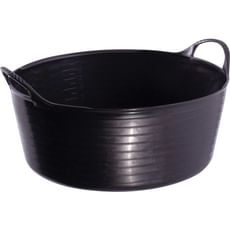
Buckets typically feature a wire bail handle for carrying and are taller in proportion to their diameter, making them ideal for liquids and materials requiring transport around sites. Tubs generally have a wider, shallower profile with either integrated side handles or no handles at all, making them better suited for mixing operations, storage applications, and situations where you need easy access to contents from above.
Can I use regular buckets for mixing plaster or concrete?
Whilst standard buckets work for occasional mixing, professional mixing buckets offer significant advantages including reinforced construction that withstands repeated use with mixing paddles, smooth interiors that clean easily and don't trap material in textured surfaces, and graduated markings for accurate water-to-material ratios. The investment in proper mixing buckets from Tooled-Up pays off through durability and consistency of mixing results.
How do I remove dried plaster or paint from buckets?
For dried plaster, allow it to dry completely then flex the bucket sides—dried plaster often pops cleanly away from smooth HDPE surfaces. Alternatively, fill with water and leave overnight to soften residue before scraping. For paint, dedicated bucket liners prevent the problem entirely, or use appropriate solvents matching the paint type. Many experienced tradespeople keep dedicated buckets for different materials to avoid cross-contamination issues altogether.
Are plastic buckets suitable for hot liquids?
Most standard HDPE buckets can handle warm water up to approximately 60-70°C, but always check manufacturer specifications before use. For boiling water or very hot materials, galvanised metal buckets are more suitable. Be aware that hot contents can cause plastic to soften temporarily, making handles less secure, and always use appropriate PPE including heat-resistant gloves when handling containers with hot contents.
What size bucket do I need for general building work?
A 15-litre bucket represents the sweet spot for most general building and trade applications—large enough to be useful for mixing and carrying materials but not so large that it becomes dangerously heavy when filled. Many tradespeople keep several sizes available: 10-litre buckets for cleaning and smaller jobs, 15-20 litre for mixing and general site use, and larger tubs for storage or bulk materials that don't require frequent transport.