

Bulb Planters & Dibbers

Pay in 3 interest-free payments on purchases from £20-£3000 with  . Learn more.
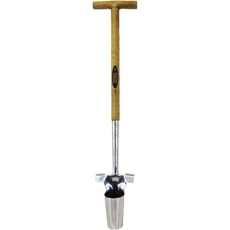
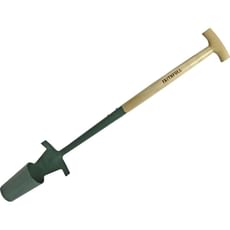
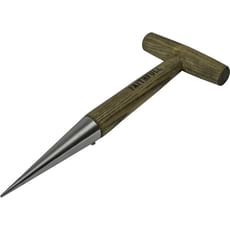
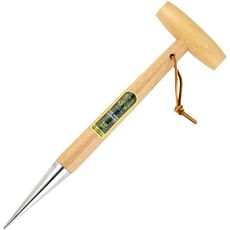
 Loading...
End of content
Error - No more pages to load
About Bulb Planters & Dibbers
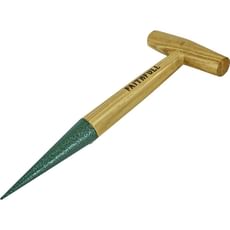
Bulb planters and dibbers are specialised gardening tools designed to simplify the task of planting bulbs, seedlings, and young plants with precision and consistency. Whether establishing colourful spring displays, creating ornamental borders, or planting vegetable sets, these purpose-built tools eliminate guesswork whilst significantly reducing the physical strain associated with repetitive digging. From traditional pointed dibbers for seed planting to cylindrical bulb planters that remove perfect soil cores, Tooled-Up.com stocks a comprehensive selection to suit professional landscapers, groundskeepers, and dedicated home gardeners alike.
The range available from Tooled-Up includes hand-held models for precision border work and container planting, alongside long-handled versions that enable standing work and reduce back strain during extensive planting projects. Construction materials vary from corrosion-resistant stainless steel through to durable carbon steel options, with leading brands such as Faithfull, Spear and Jackson, Kent and Stowe, and Draper offering designs suited to different soil conditions and user requirements. Many modern bulb planters incorporate automatic soil release mechanisms that dramatically speed up repetitive planting tasks, whilst depth markers ensure consistent planting depths for optimal bulb establishment.
The primary advantage of using dedicated bulb planters and dibbers is the ability to create uniform planting holes at precisely the correct depth every time. This consistency proves crucial for successful bulb flowering and plant establishment, with hand-held tools offering exceptional control for detailed work and long-handled versions providing the leverage necessary for tackling heavier clay soils or large-scale planting schemes. Ergonomic features including cushioned grips, T-handles, and serrated cutting edges transform what was once laborious work into an efficient, comfortable process suitable for planting hundreds of bulbs in a single session.
Jargon Buster
- Dibber (or Dibble)
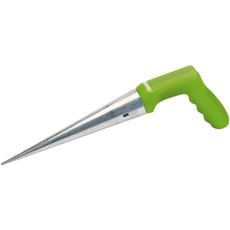
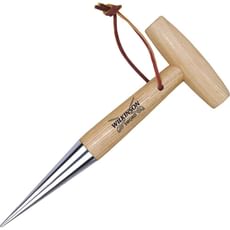
- A pointed gardening tool used to create conical holes in soil for planting seeds, seedlings, or small bulbs. Traditional dibbers have a simple tapered design and are pushed into the ground using hand or foot pressure.
- Bulb Planter
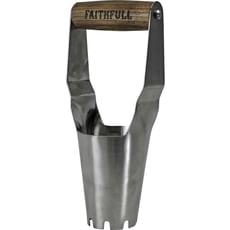
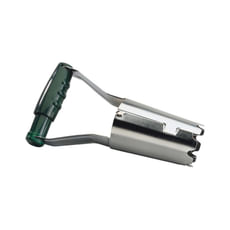
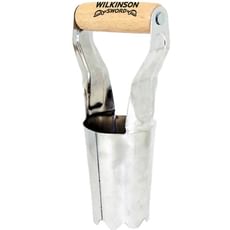
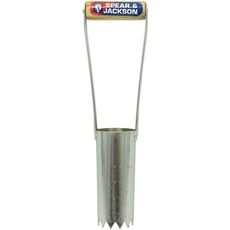
- A cylindrical tool specifically designed to remove a core of soil, creating a flat-bottomed hole perfectly sized for bulb planting. Most feature serrated edges for easier penetration and graduated measurement markings for consistent depth control.
- Automatic Release Mechanism
- A spring-loaded or trigger-operated feature found on advanced bulb planters that ejects the soil core without manual removal, significantly accelerating the planting process when working with large quantities.
- Long-Handled Bulb Planter
- A bulb planter with an extended shaft and T-shaped or D-shaped handle that allows standing operation. These tools are operated using foot pressure on the shoulder of the planter, ideal for reducing back strain during extensive planting work.
- Widger
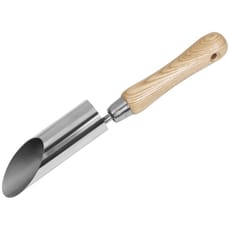
- A specialised narrow trowel or dibber featuring a flat blade, designed specifically for transplanting seedlings and small plants without damaging delicate root systems.
- Depth Markers
- Graduated measurements stamped or engraved onto bulb planter cylinders that indicate planting depth, ensuring bulbs are positioned at the optimal depth for their variety—typically three times the bulb's height.
Who Uses Bulb Planters & Dibbers?
- Professional Landscapers: Creating seasonal displays in public parks, commercial premises, and residential gardens
- Groundskeepers and Estate Managers: Maintaining extensive ornamental gardens, golf courses, and historic grounds
- Horticultural Contractors: Planting bulbs on a commercial scale for local councils and landscape projects
- Garden Designers: Implementing detailed planting schemes with precise bulb positioning and spacing
- Nursery Workers: Propagating and transplanting seedlings, young plants, and container stock
- Allotment Holders: Establishing vegetable plots and planting sets including onions, shallots, and garlic
- Garden Centre Staff: Demonstrating proper planting techniques and seasonal bulb displays to customers
- Parks Department Teams: Maintaining public green spaces and creating community flower displays
- Keen Gardeners and DIY Enthusiasts: Creating seasonal flower displays and maintaining home gardens
How to Choose the Right Bulb Planters & Dibbers
Handle Length and Working Position
Consider whether you prefer working whilst kneeling or standing. Hand-held bulb planters and short dibbers provide excellent control for detailed border work, raised beds, and container planting. Long-handled versions with T-grips or D-handles enable standing operation, making them ideal for extensive planting schemes, lawn work, or users with mobility concerns. Long-handled tools typically require foot pressure to penetrate harder or compacted soils effectively.
Material and Construction Quality
Stainless steel tools offer superior corrosion resistance and maintain sharp cutting edges longer, making them excellent for regular use in damp conditions. Carbon steel options provide robust durability at a more affordable price point but may require additional maintenance including oil application after use. Look for solid forged construction rather than pressed metal for tools capable of withstanding professional demands. The Faithfull Prestige range and Kent and Stowe stainless steel models exemplify quality construction suitable for demanding applications.
Soil Release Mechanism
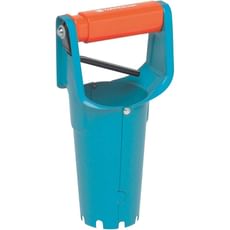
Automatic release bulb planters feature spring-loaded mechanisms that eject soil cores with a simple trigger squeeze or handle action. Models such as the Gardena Automatic Release Bulb Planter prove invaluable when planting large quantities, dramatically reducing time and physical effort. Manual planters offer simpler operation and typically cost less but require hand removal of each soil core, which becomes tiring during extended planting sessions.
Diameter and Depth Capacity
Different bulb planters accommodate different bulb sizes. Standard 60mm diameter planters handle most common bulbs including daffodils, tulips, and crocuses, whilst larger diameter models prove necessary for substantial bulbs like alliums and lilies. Check depth markers to ensure the tool reaches required planting depths—typically 100-150mm for most spring-flowering bulbs. Shallow planters around 50mm depth suit smaller bulbs and alpine species.
Grip Comfort and Ergonomics
Comfortable grips make substantial difference during extended planting periods. Rubber or cushioned handles reduce hand fatigue and provide better purchase in wet conditions. For long-handled tools, the shape and size of the T-handle or D-handle affects leverage and comfort when applying foot pressure. Testing the grip size against your hand dimensions ensures comfortable operation throughout lengthy planting sessions.
Popular Accessories
- Kneelers and Kneeling Pads: Provide cushioning and protect knees when using hand-held bulb planters for extended periods
- Garden Trowels and Hand Forks: Complementary tools for loosening compacted soil and final positioning of bulbs
- Bulb Storage Nets and Trays: Organised storage keeping bulbs separated by variety before planting
- Garden Gloves: Protect hands from soil, moisture, blisters, and potential skin irritation during prolonged planting
- Measuring Sticks and Garden Lines: Help achieve uniform spacing between bulbs and maintain straight rows
- Tool Cleaning Brushes: Essential for removing compacted soil from serrated edges and mechanisms
- Bulb Fertiliser and Bonemeal: Slow-release nutrients added to planting holes promoting strong root development
- Garden Trugs and Buckets: Transport bulbs around planting areas and collect soil cores whilst working
- Tool Maintenance Oil: Keeps metal components rust-free during winter storage periods
- Lawn Repair Seed: For reinstating grass after planting bulbs in lawn areas
Frequently Asked Questions
What's the difference between a bulb planter and a dibber?
A bulb planter is a cylindrical tool that removes a complete core of soil, creating a flat-bottomed hole where bulbs can sit firmly without air pockets beneath—crucial for proper root development. A dibber creates a pointed, conical hole and proves better suited for seeds, seedlings, and smaller bulbs. Bulb planters are specifically designed for larger bulbs like daffodils and tulips, whilst dibbers excel at transplanting work and creating holes for vegetable sets including onions, shallots, and garlic cloves.
Do I need a long-handled or hand-held bulb planter?
This depends on your physical comfort and planting scale. Long-handled bulb planters enable standing work, making them ideal for people with back problems or when planting large areas including lawns. Hand-held planters offer superior precision and control, making them better for border work, raised beds, and containers. Many professional gardeners maintain both types for different applications. If planting heavy clay soil, long-handled versions provide the leverage necessary for effective penetration using body weight through foot pressure.
How deep should I plant bulbs, and do bulb planters show the depth?
Most quality bulb planters feature depth markings on the cylinder, typically showing measurements in centimetres. As a general rule, plant bulbs at approximately three times their height. Spring-flowering bulbs like tulips and daffodils typically require 100-150mm depth, whilst smaller crocuses need only 70-80mm. The depth markers on models from brands like Faithfull and Spear and Jackson make achieving consistent planting depth straightforward, ensuring optimal growing conditions and reducing the risk of frost damage or poor flowering.
Can bulb planters be used in heavy clay soil?
Yes, but you'll need a robust model with serrated edges and strong forged construction. Long-handled bulb planters provide superior leverage in heavy soils, allowing you to use body weight through foot pressure. Stainless steel or forged carbon steel models like those from Kent and Stowe cope better with compacted ground than lightweight pressed metal versions. In very heavy clay, watering the area first or working after rain softens the soil significantly. Some gardeners find dibbers more effective in extremely compacted conditions as they require less soil displacement.
How do I maintain my bulb planter or dibber?
Clean soil off after each use with a stiff brush and wipe metal parts with an oily rag to prevent rust—especially important for carbon steel tools. Stainless steel models are more corrosion-resistant but still benefit from cleaning. Check wooden handles regularly for splinters and apply linseed oil annually to prevent drying and cracking. Examine automatic release mechanisms for soil build-up that might impede operation. Store tools in a dry location, and sharpen or replace worn serrated edges before the main autumn planting season to ensure clean soil penetration and reduce required effort.