

Burr & Rasp Bits

Pay in 3 interest-free payments on purchases from £20-£3000 with  . Learn more.
 Loading...
End of content
Error - No more pages to load
About Burr & Rasp Bits
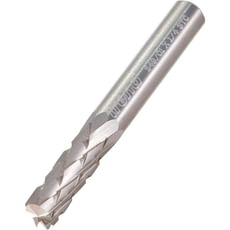
Burr and rasp bits are specialised router cutters designed for aggressive material removal, shaping, and finishing work across a wide range of materials. Unlike traditional router bits that produce smooth, precise cuts, these cutters feature a textured or serrated cutting surface that rapidly removes material whilst significantly reducing the risk of clogging. They're particularly valuable when working with softer materials, fibrous composites, glass reinforced plastics (GRP), or situations where you need to blend, shape, or sculpt rather than make precision cuts. The distinctive rasp-style cutting action provides exceptional control for shaping operations that would prove challenging with conventional router cutters.
These versatile cutters excel at tasks such as smoothing rough timber edges, shaping laminated materials, grinding and carving GRP components, creating decorative profiles, and removing material from awkward angles where standard router bits would struggle. The coarse cut pattern produces a textured finish that can be refined with progressively finer abrasives, making them ideal for both rough shaping work and semi-finished applications. Quality brands like Trend manufacture solid carbide rasp router cutters that deliver exceptional durability and consistent performance, even when working with highly abrasive materials such as glass reinforced plastics.
Whether you're a professional joiner working on bespoke furniture, a boat builder dealing with GRP components, a shopfitter tackling laminated panels, or a keen DIY enthusiast undertaking custom woodworking projects, burr and rasp bits offer a unique solution for material removal tasks that demand control and versatility. Available from Tooled-Up.com, these cutters are compatible with standard routers operating at speeds between 10000-30000 RPM and can be used handheld or table-mounted, making them a flexible addition to any workshop.
Jargon Buster
- Solid Carbide Construction: Router cutters manufactured entirely from tungsten carbide rather than having carbide tips brazed onto a steel body. This provides superior durability, heat resistance, and edge retention, particularly important for the aggressive cutting action required when working with abrasive materials like GRP.
- Rasp Profile: The textured cutting surface pattern on the bit, similar to a traditional hand rasp file. This configuration features multiple small cutting teeth that remove material progressively rather than in continuous shavings, reducing clogging and improving control during shaping operations.
- Coarse Cut: Refers to the tooth pattern and spacing on the rasp bit. Coarse cut designs remove material more rapidly but leave a rougher surface texture that requires subsequent finishing with abrasives. This cutting style is ideal for initial shaping and grinding operations.
- Operating RPM Range: The recommended rotational speed range for safe and effective operation, typically 10000-30000 RPM for rasp bits. Operating within this range ensures optimal material removal whilst preventing excessive heat build-up and premature tool wear.
- Shank Diameter: The cylindrical portion of the bit that fits into the router collet, typically available in 6mm, 8mm, or 1/4-inch sizes in the UK market. Ensuring correct shank diameter compatibility with your router is essential for safe operation and optimal performance.
- GRP (Glass Reinforced Plastic): A composite material consisting of plastic resin reinforced with glass fibres. Burr and rasp bits are specifically designed for grinding, carving, and shaping GRP without the excessive clogging that conventional router bits experience with fibrous materials.
Who Uses Burr & Rasp Bits?
- Boat Builders and Marine Engineers: For shaping, grinding, and finishing fibreglass, GRP components, and composite materials where traditional cutting creates excessive dust or clogging issues
- Joiners and Cabinetmakers: When shaping custom profiles, blending joints, and creating decorative edges on bespoke furniture and fitted installations
- Composite Fabricators: Working with glass reinforced plastics, carbon fibre components, and advanced composite materials requiring controlled material removal
- Sculptors and Woodcarvers: For initial rough shaping and aggressive material removal before progressing to finer carving tools and detail work
- Furniture Restorers: Sympathetically shaping repairs, blending patches, and replicating worn profiles on antique and period furniture pieces
- Shopfitters: When working with laminated materials, composite panels, and requiring quick material removal during retail and commercial fit-outs
- Set Designers and Prop Makers: Creating textured surfaces, distressing materials, and rapid prototyping where speed takes priority over precision finishing
- General Tradespeople and DIY Enthusiasts: Tackling repair work, modifications, and custom fabrication projects requiring versatile material removal capabilities
How to Choose the Right Burr & Rasp Bits
Material Compatibility: Consider the materials you'll be working with most frequently. Solid carbide rasp bits are specifically designed for grinding, carving, and shaping glass reinforced plastics (GRP), timber, softwoods, hardwoods, MDF, chipboard, laminated panels, and certain plastics. Ensure the bit you select is rated for your specific application to avoid premature wear or damage.
Operating Speed Requirements: Rasp bits typically operate at speeds between 10000-30000 RPM. Verify your router's speed range and ensure it provides variable speed control for optimal results across different materials. Too slow and you'll experience poor cutting; too fast and you risk excessive heat generation and premature wear.
Shank Size Compatibility: Verify your router's collet size before purchasing. Most UK routers accept 6mm, 8mm, or 1/4-inch shanks. Never force an incorrectly sized shank into a collet or use adapter sleeves, as this creates dangerous runout and potential bit ejection during operation.
Cutting Profile and Diameter: Consider the finished surface texture you require – coarser rasp patterns remove material faster but leave a rougher finish requiring more extensive sanding. Larger diameter cutters remove material more quickly but require more powerful routers (typically 1200W minimum) and careful handling. For detailed work or smaller routers, opt for compact profiles.
Build Quality and Brand Reputation: Quality manufacturers like Trend produce precisely balanced cutters with consistent rasp patterns and superior carbide grades. The Tooled-Up range includes solid carbide construction that ensures exceptional durability, particularly important when working with abrasive materials like GRP. Cheaper alternatives may feature uneven cutting teeth, poor balance causing vibration, and significantly shorter working life.
Plunge Cutting Limitations: Note that rasp bits are not suitable for plunge cutting operations. They're designed for edge work, shaping, and grinding applications where the cutter engages material from the side rather than plunging vertically. Plan your work accordingly and never attempt to plunge these cutters into material.
Popular Accessories
- Router Collets and Collet Extensions: Precision collets ensure secure bit retention and reduced vibration during high-speed operation
- Router Dust Extraction Attachments: Essential for managing the fine dust produced by rasp bits, particularly when working with GRP or MDF, compatible with workshop vacuum systems
- Variable Speed Routers: Quality routers from Makita, DeWalt, Bosch, or Festool providing the 10000-30000 RPM range necessary for optimal rasp bit performance
- Router Tables: Stable platforms from DeWalt or Bosch for controlled rasp bit operations, particularly useful for repetitive shaping work
- Safety Equipment: FFP2/FFP3-rated dust masks, safety glasses or face shields, and hearing protection for extended routing sessions
- Abrasive Products: Sanding pads, sheets, and finishing products for refining the textured surface left by rasp bits, progressing from 80-grit through to 240-grit
- Router Bit Storage Cases: Protecting your investment and keeping cutters organised, readily accessible, and free from damage
- Cutting Lubricants and Cleaners: Specialised products that reduce friction and heat when working with challenging materials, plus cleaners for removing resin build-up
- Work Holding Equipment: Quality clamps and vices for securing workpieces safely during routing operations
Safety Information
Personal Protective Equipment: Always wear appropriate safety glasses or a face shield, as rasp bits can eject particles at high velocity, particularly when working with GRP or composite materials. Use FFP2 or FFP3-rated dust masks to protect against fine dust, especially critical when working with glass reinforced plastics, MDF, or treated timber. Hearing protection is essential during extended use, as routers generate noise levels exceeding HSE recommended exposure limits.
Secure Workpiece Clamping: Never hold workpieces by hand when using router bits. Always secure material with robust clamps or in a vice to prevent dangerous movement or kickback. The aggressive cutting action of rasp bits can grab unsecured materials unexpectedly, creating serious injury risks.
Operating Speed Compliance: Strictly observe the manufacturer's recommended RPM range of 10000-30000 RPM. Operating outside this range generates dangerous heat levels and can cause carbide to fracture. Use routers with variable speed control to match operating speed to material hardness and cutting conditions.
Plunge Cutting Prohibition: These rasp bits are not suitable for plunge cutting operations. Always engage the material from the side and never attempt to plunge vertically into workpieces, as this can cause bit breakage, workpiece damage, and dangerous kickback.
Bit Installation and Inspection: Before each use, inspect the bit for damage, cracks, or excessive wear. Ensure the shank is inserted fully into the collet (at least 20mm depth) and the collet nut is properly tightened according to manufacturer specifications. Never use damaged or excessively worn cutters, as they can shatter during high-speed operation.
Dust Management: The fine dust produced by rasp bits, particularly when working with GRP or composite materials, presents both immediate respiratory hazards and long-term health risks including silicosis and occupational asthma. Connect your router to adequate dust extraction wherever possible, and ensure workshop ventilation meets HSE guidelines and COSHH requirements for your work environment.
Frequently Asked Questions
What materials can I use burr and rasp bits on?
Burr and rasp bits excel at grinding, carving, and shaping glass reinforced plastics (GRP), softwoods, hardwoods, MDF, chipboard, laminated panels, and certain plastics. They're specifically designed for abrasive and fibrous materials that would clog conventional router bits. The coarse cut pattern removes material rapidly whilst maintaining control, making them ideal for boat building, composite fabrication, and woodworking applications. Always verify that your specific bit is rated for your intended material to ensure safe operation and optimal results.
Why can't I use rasp bits for plunge cutting?
Rasp bits feature a textured cutting surface designed for side engagement and shaping operations rather than vertical plunging. Attempting to plunge these cutters can cause bit breakage, excessive vibration, poor cut quality, and dangerous kickback. The rasp tooth pattern isn't arranged to clear material effectively when plunging, leading to immediate clogging and potential tool failure. Always engage rasp bits from the side of the workpiece and use them for edge work, shaping, and grinding applications only.
What router speed should I use with rasp bits?
Rasp bits typically operate optimally between 10000-30000 RPM. The exact speed depends on your material – harder materials generally require higher speeds, whilst softer materials work better at lower speeds to prevent burning. Variable speed routers from quality brands like Makita, DeWalt, or Bosch provide the necessary control. Start at mid-range speeds and adjust based on results: if you experience burning, reduce speed or increase feed rate; if material removal is too slow, incrementally increase speed whilst monitoring heat generation.
How do I achieve a smooth finish after using a rasp bit?
Rasp bits intentionally leave a textured surface requiring progressive refinement. Begin with 80-grit abrasive to remove prominent rasp marks, then progress through 120-grit, 180-grit, and 240-grit to achieve your desired smoothness. For curved or profiled surfaces, flexible sanding pads or detail sanders work effectively. This two-stage approach – rapid material removal with the rasp followed by controlled sanding – is often faster than attempting to achieve final dimensions with conventional router bits alone, particularly when working with challenging materials like GRP.
How long will a solid carbide rasp bit last?
Lifespan varies significantly based on materials worked, operating conditions, and maintenance practices. Quality solid carbide rasp bits from manufacturers like Trend, available at Tooled-Up.com, can handle extensive use when properly maintained – often many hours of productive cutting. However, highly abrasive materials like GRP, moisture-laden timber, or MDF accelerate wear. Regular cleaning to prevent resin build-up, operating within recommended speed ranges, avoiding excessive heat, and proper storage all extend cutter life considerably. Replace bits when you notice significant performance degradation, increased burning, excessive vibration, or visible damage to the cutting surface.