

Cabinet Heaters

Pay in 3 interest-free payments on purchases from £20-£3000 with  . Learn more.
 Loading...
End of content
Error - No more pages to load
About Cabinet Heaters
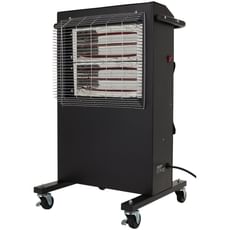
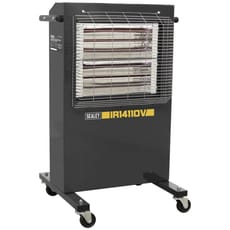
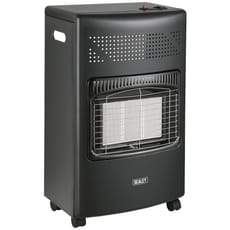
Cabinet heaters are robust, portable heating solutions engineered to deliver powerful warmth in workshops, garages, construction sites, and other demanding professional environments. Unlike lightweight fan heaters, these units feature durable metal enclosures that protect internal heating elements whilst distributing heat effectively across medium to large spaces. The reinforced construction makes cabinet heaters particularly suitable for trade environments where equipment must withstand dust, moisture, and the rigours of daily site work.
Available in both gas-powered and electric infrared configurations, cabinet heaters provide versatile heating options to suit different working conditions. Gas butane cabinet heaters offer exceptional portability and high heat output without requiring mains electricity, making them ideal for remote sites, outdoor covered areas, or locations where power supplies are unavailable. Electric infrared cabinet heaters operate on standard 240v UK mains power and use radiant heat technology to warm objects and people directly rather than simply heating the air, delivering more efficient and comfortable heating in draughty spaces where conventional heating proves inadequate.
Tooled-Up.com stocks cabinet heaters from respected manufacturers including Sealey and Draper, ensuring tradespeople and serious DIY enthusiasts receive professional-grade equipment backed by manufacturer warranties. Whether maintaining comfortable working temperatures through winter months, taking the chill off during restoration projects, or providing temporary heating on construction sites, these heating units deliver the reliable performance that demanding applications require.
Jargon Buster
- Infrared Heating: A radiant heating technology that emits infrared waves to warm objects, surfaces, and people directly rather than heating surrounding air. This method proves particularly effective in draughty environments as heat isn't lost through air circulation, with conversion efficiencies reaching 95% of input electricity.
- BTU (British Thermal Unit): The standard measurement of heat output for gas heaters. One BTU represents the energy needed to raise one pound of water by one degree Fahrenheit. Higher BTU ratings indicate greater heating capacity, with typical cabinet heaters offering 14,000 BTU or more.
- Butane Cabinet Heater: A portable gas-powered heating unit that burns butane gas from replaceable canisters. These heaters require no mains electricity and typically feature safety cut-off mechanisms, oxygen depletion sensors, and piezo ignition systems for reliable operation in remote locations.
- kW (Kilowatt) Rating: The electrical power consumption and heat output measurement for electric heaters. Cabinet heaters typically range from 1.5kW to 3kW, directly correlating to the warmth produced. A 3kW heater draws 12.5A from a standard 240v supply.
- Thermostat Control: An integrated temperature regulation system that automatically cycles the heater on and off to maintain desired ambient temperature, improving energy efficiency and comfort whilst reducing running costs during extended operation.
Who Uses Cabinet Heaters?
- Motor mechanics and vehicle restorers maintaining comfortable working conditions in uninsulated garages and workshops
- Construction workers and site managers providing temporary heating in partially completed buildings or outdoor covered areas
- Joiners and cabinet makers keeping workshops warm whilst ensuring proper glue curing and varnish drying conditions
- Electricians and plumbers working in cold environments where manual dexterity must be maintained for precision work
- Agricultural workers and farm maintenance teams heating machinery sheds and livestock buildings
- Warehouse and storage facility managers spot-heating specific work zones without heating entire buildings
- Plant hire companies and tool rental businesses offering temporary heating solutions to contractors
- Event organisers and marquee operators providing temporary heating for outdoor covered venues
- Serious DIY enthusiasts maintaining comfortable conditions for home workshop projects during winter months
- Garden room and shed users extending the usability of outdoor spaces throughout the year
How to Choose the Right Cabinet Heaters
Power Source: Consider whether mains electricity is available at your location. Gas butane cabinet heaters offer complete portability without requiring electrical connections, making them perfect for remote sites or outdoor use. Electric infrared models need access to 240v power but eliminate concerns about gas bottle replacement and provide cleaner operation in enclosed spaces with no combustion emissions.
Heating Capacity: Calculate the volume of space requiring warmth. As a general guide, allow approximately 100 watts per square metre for well-insulated spaces, or up to 150 watts per square metre for poorly insulated areas. A typical 2.8kW electric cabinet heater effectively heats 20-25 square metres of reasonably insulated workshop space, whilst gas models with 4.2kW output manage similar or slightly larger areas.
Portability Requirements: Consider whether you need to move the heater frequently between locations. Look for units with robust carry handles, integrated castors, and manageable weight. Gas models typically offer greater flexibility for multi-site use, whilst electric models suit fixed workshop installations where consistent heating is required.
Safety Features: Essential safety mechanisms include automatic tip-over switches, overheat protection, and flame failure devices on gas models. For professional site use, ensure compliance with relevant HSE guidelines and check for CE marking indicating conformity with UK safety standards. The selection at Tooled-Up includes models designed specifically for commercial and industrial environments.
Running Costs: Calculate operational expenses based on usage patterns. Electric heaters' running costs depend on your electricity tariff and kW rating—a 3kW unit costs approximately 75-100p per hour based on typical UK rates. Gas heaters' costs relate to butane canister prices and consumption rates, typically 300-400g per hour, often proving more economical for high-output requirements.
Ventilation: Gas cabinet heaters consume oxygen and produce combustion gases, requiring adequate ventilation even with safety cut-offs. Electric infrared heaters don't affect air quality, making them more suitable for tightly sealed spaces or overnight operation in occupied areas.
Popular Accessories
- Butane Gas Canisters: Replacement fuel supplies for gas-powered cabinet heaters, typically available in various sizes from 220g disposable cartridges to larger refillable bottles
- Extension Leads and Cable Reels: Heavy-duty, thermally protected electrical accessories rated for high-wattage appliances (minimum 13A capacity, suitable for 240v operation)
- Heater Guards and Safety Screens: Protective barriers to prevent accidental contact with hot surfaces in busy workshop environments
- Timer Switches: Programmable controls to manage heating schedules, reduce energy waste, and warm spaces before arrival
- Carbon Monoxide Detectors: Essential safety equipment when operating any fuel-burning appliance in enclosed or semi-enclosed spaces
- Thermometers and Hygrometers: Environmental monitoring equipment to optimise heating efficiency and maintain ideal working conditions
- Heat-Resistant Gloves: PPE for safely handling hot equipment or replacing gas canisters during operation
Safety Information
Ventilation: Gas cabinet heaters must only be used in adequately ventilated areas. Even models with oxygen depletion sensors require continuous fresh air circulation to prevent carbon monoxide buildup. Never operate gas heaters in sealed rooms or overnight in occupied sleeping areas. Ensure minimum air changes per hour as specified in manufacturer instructions.
Clearance Distances: Maintain minimum clearances around all cabinet heaters as specified in manufacturer instructions—typically at least one metre from combustible materials, walls, and ceilings. Never use heaters to dry clothing or store materials on or near the unit. Ensure adequate space for heat dissipation and air circulation.
Electrical Safety: Electric cabinet heaters draw significant current and should be plugged directly into properly rated wall sockets rather than light-duty extension leads. Ensure the 240v electrical supply matches the heater's wattage requirements, and never operate damaged equipment or frayed cables. A 3kW heater draws 12.5A, approaching the 13A socket limit.
Supervision and Placement: Never leave operating heaters unattended for extended periods, and ensure they're positioned on stable, level, non-combustible surfaces. Keep heaters away from water sources, and never touch hot surfaces without appropriate PPE. Position units where they won't be knocked over or obstructed.
Regular Maintenance: Inspect heaters before each use for damage, blockages, or wear. Gas models require periodic checks of hoses, connections, and burner cleanliness, whilst electric infrared heaters need regular cleaning of reflectors and elements to maintain 95% conversion efficiency.
Compliance: Ensure all heating equipment meets current UK safety standards and carries appropriate CE marking. For professional site use, comply with HSE workplace heating guidelines and maintain appropriate risk assessments under the Health and Safety at Work Act 1974.
Frequently Asked Questions
What's the difference between infrared and gas cabinet heaters?
Infrared electric cabinet heaters use radiant heating elements to warm objects and people directly, operating on 240v mains power with conversion efficiencies up to 95%. They're ideal for fixed workshop locations with electricity access and produce no emissions. Gas butane cabinet heaters burn fuel to generate heat, offering complete portability without electrical requirements but requiring adequate ventilation and regular gas canister replacement. Gas models typically provide higher heat output and are better suited to temporary site work or locations without power supplies.
How much space can a cabinet heater effectively warm?
Heating capacity depends on the unit's power output and your space's insulation quality. A typical 2.8kW electric cabinet heater can effectively heat approximately 20-25 square metres of reasonably insulated workshop space. Gas models with 4.2kW output (around 14,000 BTU) can manage similar or slightly larger areas. Poorly insulated spaces, high ceilings, or draughty conditions significantly reduce effective coverage. For precise calculations, allow 100-150 watts per square metre depending on insulation quality and ceiling height.
Can I use a cabinet heater in my garage overnight?
Electric infrared cabinet heaters can be used overnight in garages provided they're positioned safely, properly maintained, and ideally fitted with a thermostat to prevent overheating and reduce running costs. However, gas cabinet heaters should never be left operating unattended or overnight, especially in occupied or enclosed spaces, due to oxygen depletion and carbon monoxide risks even with safety cut-offs engaged. Always ensure adequate ventilation and install carbon monoxide detectors when using gas heating.
Are cabinet heaters expensive to run?
Running costs vary by fuel type and usage. A 3kW electric heater costs approximately 75-100p per hour based on typical UK electricity prices (25-33p per kWh). Gas butane heaters consume roughly 300-400g of gas per hour, with canister costs varying by supplier and size. Gas heating often proves more economical for high-output requirements or locations where electricity is unavailable. Using thermostatic controls and only heating occupied periods significantly reduces operational expenses for both fuel types.
Do I need any special electrical supply for a cabinet heater?
Most electric cabinet heaters operate on standard UK 240v mains supply through a conventional 13A plug socket. However, a 3kW heater draws 12.5A, approaching socket capacity limits. Never plug high-wattage heaters into light-duty extension leads or multi-socket adapters. If using an extension lead, ensure it's rated for at least 13A continuous load with thermal protection. For workshop installations, consider having a qualified electrician install dedicated sockets positioned conveniently for heater placement to avoid overloading circuits.