

Cabinet Scrapers

Pay in 3 interest-free payments on purchases from £20-£3000 with  . Learn more.
 Loading...
End of content
Error - No more pages to load
About Cabinet Scrapers
Cabinet scrapers are precision hand tools that deliver exceptional surface finishes on timber through a fundamentally different approach to sandpaper. Rather than abrading wood fibres, a properly prepared cabinet scraper slices cleanly through them, producing gossamer-thin shavings and leaving behind a glass-smooth surface that's immediately ready for finishing. This cutting action makes them particularly valuable when working with challenging grain patterns, figured timbers, and veneered surfaces where tear-out from planes or sanding would ruin the appearance. The tool consists of a thin blade of hardened steel—typically 0.6mm to 1mm thick—with a microscopic burr edge that performs the actual cutting.
The selection at Tooled-Up.com includes rectangular card scrapers for general cabinet work and flat surfaces, shaped or gooseneck scrapers with curved profiles for mouldings and concave surfaces, and comprehensive scraper sets that provide multiple blade configurations for different applications. Available from respected manufacturers including Bahco, Faithfull, FootPrint, and Marples, these tools are crafted from high-carbon spring steel that maintains a sharp cutting edge through extended use and can be resharpened repeatedly. Professional cabinet makers and dedicated woodworking enthusiasts alike appreciate how cabinet scrapers achieve results that surpass even the finest abrasive papers, particularly on demanding timbers like burr walnut, quilted maple, or interlocked grain species.
Cabinet scrapers excel in situations where power sanders and abrasives struggle—removing old finishes without damaging underlying wood, smoothing glue squeeze-out, eliminating plane tear-out, and preparing figured veneers for finishing. They produce virtually no airborne dust, create minimal noise compared to power tools, and offer precision control that allows removal of material measured in thousandths of an inch. From the furniture restorer working on delicate antiques to the contemporary maker seeking flawless finishes on bespoke joinery, cabinet scrapers remain indispensable tools that bridge traditional hand tool techniques with modern workshop efficiency.
Jargon Buster
- Burr (or Hook)
- The microscopically turned edge created during sharpening that performs the actual cutting. This tiny hook is formed by burnishing the prepared edge with a hardened steel rod and distinguishes a functional scraper from a simple piece of flat steel.
- Burnisher
- A hardened steel rod with a smooth, polished surface used to turn the burr on a cabinet scraper blade. Essential for proper scraper preparation and periodic edge refreshing during use.
- Card Scraper
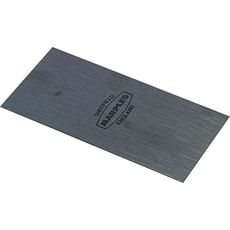
- A flat, rectangular cabinet scraper without handles, held directly in both hands and flexed slightly during use to concentrate the cutting action along a narrow zone. The most common and versatile scraper configuration.
- Gooseneck Scraper
- A cabinet scraper with curved or shaped profiles designed specifically for working on mouldings, rounded edges, coves, and concave surfaces where rectangular scrapers cannot reach.
- Ticketer
- Traditional British term for a cabinet scraper, still used in some woodworking circles, particularly amongst older craftsmen and in restoration workshops.
- Tear-out
- Rough, splintered patches where wood fibres have been torn from the surface rather than cut cleanly—commonly occurring when planing or sanding against or across difficult grain patterns. Cabinet scrapers specifically address this problem.
Who Uses Cabinet Scrapers?
- Cabinet Makers and Joiners: For achieving flawless finishes on bespoke furniture, fitted cabinetry, and high-end joinery projects
- Furniture Restorers: Essential for removing old finishes and preparing antique pieces without damaging delicate veneers or original surfaces
- Luthiers: Instrument makers who depend on scrapers for finishing guitar bodies, violin plates, and other musical instruments where surface quality affects tonal properties
- Shopfitters: For on-site finishing work where dust generation and noise must be minimised in occupied premises
- Boat Builders: Particularly useful for working the curved surfaces and brightwork found on traditional wooden vessels
- Wood Turners: For removing tool marks and achieving smooth finishes on bowls, platters, and other turned items
- Set Builders and Prop Makers: Theatre and film professionals requiring rapid, dust-free finishing of scenic timber elements
- Woodworking Teachers: Instructors teaching proper hand tool techniques and traditional surface preparation methods
- DIY Enthusiasts: Home woodworkers tackling furniture projects, restoration work, and finishing applications where superior results matter
How to Choose the Right Cabinet Scrapers
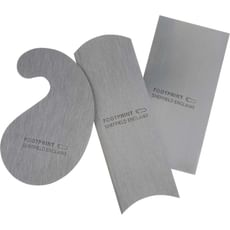
Blade Profile and Shape: Rectangular scrapers suit flat surfaces and general cabinet work, whilst shaped or gooseneck scrapers become necessary when working mouldings, coves, beads, and curved components. Consider a multi-piece set like the FootPrint 3-piece offerings that include both square and profiled scrapers, providing versatility across different project requirements without significant additional investment.
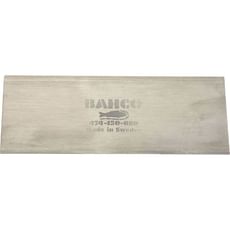
Steel Quality and Manufacture: Look for scrapers manufactured from high-carbon spring steel that holds a sharp burr through extended use. Premium brands like Bahco and FootPrint use Swedish or British steel that can be resharpened repeatedly without losing temper or becoming too soft to maintain an effective cutting edge. Quality steel should feel substantial and exhibit fine machining on the edges and faces.
Blade Thickness: Cabinet scraper blades typically range from 0.6mm to 1mm thick. Thinner scrapers (around 0.6mm) flex more easily, making them ideal for curved surfaces and delicate work on veneers. Thicker blades (0.8-1mm) provide greater rigidity for aggressive stock removal on flat work and resist flexing when applying firm pressure. Standard rectangular scrapers around 0.8mm thick offer the best balance for general workshop applications.
Physical Dimensions: Larger scrapers (approximately 150mm × 60mm) cover surface area quickly but demand more physical effort to use effectively, whilst smaller scrapers offer superior control in confined spaces and around details. A 70mm wide blade—such as the Faithfull replacement blade—represents a popular middle ground, offering manoeuvrability without sacrificing efficiency on larger surfaces.
Handled Versus Handheld: Card scrapers held directly in the hands offer maximum feedback and control but can cause thumb fatigue during extended sessions. Handled scrapers reduce hand strain and suit users with limited hand strength, though some craftsmen feel they sacrifice tactile connection with the work. If choosing a handled version, verify that replacement blades like those from Faithfull are readily available.
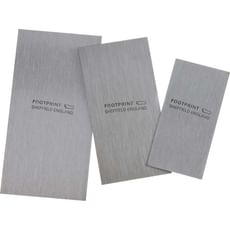
Individual Tools Versus Sets: Beginners often benefit from a three-piece set that includes different profiles, providing experience with various scraper types before investing in specialised shapes. The FootPrint 241 and 242 sets offer excellent introductions. Professional cabinet makers typically purchase individual scrapers tailored to their specific work requirements once they've identified which profiles they use most frequently.
Popular Accessories
- Burnishers: Hardened steel rods (round or triangular section) absolutely essential for turning the cutting burr on scraper blades
- Sharpening Stones: Fine waterstones or oilstones (800-1200 grit) for preparing perfectly flat, scratch-free scraper edges before burnishing
- Engineers Files: Mill bastard files useful for initial edge preparation and removing damage or previous burrs from scraper blades
- Honing Guides: For maintaining precise 90-degree edge angles during the sharpening process, particularly helpful for beginners
- Scraper Holders: Wooden or metal holders that reduce hand fatigue during extended scraping sessions, particularly useful for card scrapers
- Protective Thumb Guards: Leather thumb pads or wraps to prevent blistering when using card scrapers for prolonged periods
- Tool Rolls and Storage: Canvas or leather rolls for safely storing and transporting multiple scraper profiles without damaging the delicate burr edges
- Bench Vices: Essential for securely holding scrapers during sharpening and burnishing operations
- Marking Gauges: For identifying grain direction and planning scraping strategy on complex figured timbers
Safety Information
Whilst cabinet scrapers rank among the safest woodworking tools, proper handling remains important for injury prevention. Freshly sharpened scraper edges can cause cuts if handled carelessly—always grasp scrapers by their sides or handles, never running fingers along the working edge to test sharpness. When sharpening, secure the scraper firmly in a metalworking vice to prevent slippage, and always work the burnisher away from your body with controlled strokes rather than aggressive stabbing motions.
The fine shavings produced by cabinet scrapers are generally harmless, but when working with exotic hardwoods or materials containing old finishes (particularly pre-1960s paints and varnishes), ensure adequate workshop ventilation to avoid inhaling potentially harmful particles. Some tropical timber species can cause allergic reactions, respiratory irritation, or dermatological sensitivity even in shaving form rather than dust. Always work in a well-ventilated workshop and consider wearing appropriate respiratory protection when working unfamiliar timber species for extended periods, following HSE guidance on wood dust exposure.
Store cabinet scrapers with edge protectors (such as the plastic guards supplied with Bahco scrapers) or in dedicated tool rolls to protect both the sharp burrs and yourself when reaching into tool drawers or toolboxes. Never leave scrapers lying loose on benches where they might be knocked onto the floor, cause injury when reaching for other tools, or have their delicate edges damaged by contact with other workshop items. Treat scrapers with the same respect as chisels and marking knives—they're edged tools that deserve careful handling and storage.
Frequently Asked Questions
How long does a cabinet scraper stay sharp?
A properly burnished cabinet scraper typically remains effective for 20-30 minutes of continuous use, though this varies considerably depending on timber hardness and density. When performance diminishes, the burr can be quickly refreshed with a burnisher in approximately 30 seconds without requiring complete resharpening. After 3-5 burr refreshments, you'll need to perform full edge preparation—filing or stoning flat, honing, and burnishing afresh—which takes around 5-10 minutes once you've mastered the technique.
Can cabinet scrapers be used safely on veneered surfaces?
Yes, cabinet scrapers are actually ideal for veneered work precisely because they remove extremely thin shavings (often translucent) with excellent tactile control. This makes them considerably safer than power sanders which can cut through thin veneers in seconds. Use light pressure, take fine cuts, and work systematically across the surface. The scraper's cutting action also prevents the veneer edge lifting that sometimes occurs with abrasive papers, particularly on older hide-glue applications.
What's the difference between a cabinet scraper and a card scraper?
The terms are largely interchangeable in modern usage, though "card scraper" typically refers specifically to a simple rectangular blade held directly in the hands, whilst "cabinet scraper" can describe both handheld blades and handled versions with wooden or metal bodies. Functionally, they work identically—the distinction is primarily one of regional terminology and handling style rather than cutting mechanism or blade preparation.
Do I need different scrapers for hardwoods and softwoods?
No, the same cabinet scrapers work effectively across all timber species. However, technique varies considerably—softwoods require a lighter touch and finer burr as they're more susceptible to compression damage and burnishing of the surface fibres. Dense hardwoods, particularly tropical species, may require a more robust burr and firmer pressure to achieve effective cutting. Most experienced users develop a feel for adjusting pressure and scraper angle based on the timber being worked.
Can cabinet scrapers replace sandpaper entirely in woodworking?
For many traditional cabinet making and joinery applications, yes—a sharp cabinet scraper can take timber directly from planed surface to finish-ready condition without abrasives. However, sandpaper remains useful for inside curves and mouldings that scrapers cannot reach, for removing deep scratches or mill marks that would require excessive scraping, and for final de-nibbing between finish coats. Most professional woodworkers at Tooled-Up.com use both tools complementarily, selecting whichever is most appropriate for each specific task rather than adopting an exclusively scraper-based or abrasive-based approach.