

Cable Extension Reels & Leads

Pay in 3 interest-free payments on purchases from £20-£3000 with  . Learn more.
 Loading...
End of content
Error - No more pages to load
About Cable Extension Reels & Leads
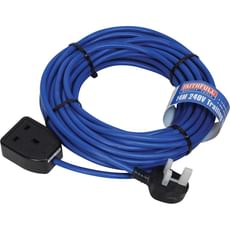
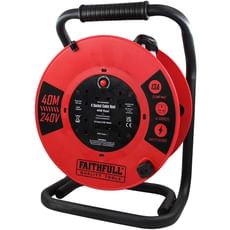
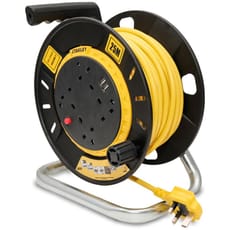
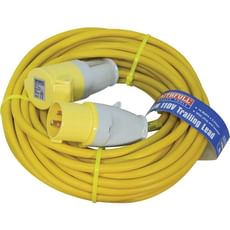
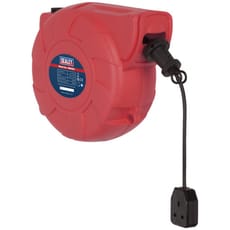
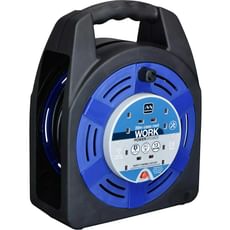
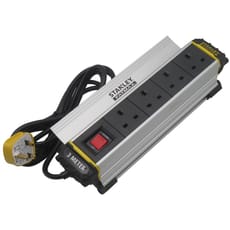
Cable extension reels and leads are fundamental equipment for delivering safe, reliable 240v mains power to wherever work needs to be done. From compact 10-metre extension leads for workshop tasks to heavy-duty 50-metre cable reels for large construction sites, these power distribution solutions enable tradespeople and DIY enthusiasts to operate tools and equipment far beyond fixed socket locations. The selection at Tooled-Up.com spans socket extension leads for indoor applications, robust site extension leads built for outdoor construction environments, versatile trailing sockets for flexible power distribution, industrial cable reels with thermal protection, and site distribution boxes designed to supply multiple outlets safely in demanding conditions.
Modern cable extension reels incorporate essential safety features including thermal cut-out protection to prevent overheating, RCD units for earth leakage protection, and impact-resistant construction to withstand daily site use. Quality varies significantly across this category—professional-grade equipment from manufacturers like Makita, DeWalt and Milwaukee delivers the durability and safety compliance that commercial work demands, whilst budget options may lack critical protection features. Cable gauge, socket configuration, IP ratings for environmental protection, and rated load capacity all influence suitability for specific applications.
Selecting appropriate extension equipment depends on understanding power requirements, working environment, cable length needed, and the safety standards applicable to your work. Construction sites typically mandate 30mA RCD protection and equipment meeting BS EN standards, whilst workshop and domestic use allows more flexibility. Regardless of application, proper use matters enormously—fully unwinding cable reels under load, respecting rated capacities, and regular inspection prevent the vast majority of electrical accidents and equipment failures.
Jargon Buster
- RCD (Residual Current Device): A life-saving safety device that instantly disconnects power when it detects earth leakage current, protecting users from electric shock. Construction sites typically require 30mA sensitivity RCD protection on all portable power equipment.
- IP Rating: Ingress Protection rating indicating resistance to dust and moisture. IP44 provides splash protection suitable for outdoor use, IP54 offers dust protection for site environments, whilst IP67 delivers full waterproof protection for harsh conditions.
- Thermal Cut-Out: Automatic safety feature that disconnects power when dangerous temperatures develop, typically caused by operating cable reels under load whilst cable remains wound on the drum. Prevents insulation damage and fire risk.
- Cable Gauge (mm²): Cross-sectional area of cable conductors measured in square millimetres. Standard extension leads use 1.5mm² for lighter loads up to 13A, whilst professional equipment often features 2.5mm² cable for higher current capacity and reduced voltage drop over longer distances.
- Rated Load: Maximum power in watts or amps that equipment can safely supply. Cable reels typically show two ratings—higher capacity when fully unwound (better heat dissipation) and significantly reduced capacity when wound (heat buildup within drum).
- 13A vs 16A Systems: 13A equipment uses standard UK three-pin plugs suitable for domestic sockets and light commercial use. 16A industrial systems feature blue commando-style connectors, heavier cable, and higher power capacity for professional construction applications.
Who Uses Cable Extension Reels & Leads?
- Electricians: Powering tools, testing equipment and temporary lighting during installation and maintenance work
- Builders and Construction Workers: Essential for operating multiple power tools across sites without permanent electrical installations
- Carpenters and Joiners: Running circular saws, routers, planers, sanders and dust extraction equipment on site
- Plumbers and Heating Engineers: Operating power tools, pipe threading equipment and inspection equipment during installations
- Landscapers and Groundworkers: Powering hedge trimmers, pressure washers, angle grinders and outdoor lighting
- Painters and Decorators: Running orbital sanders, spray equipment, heat guns and work lighting throughout properties
- Mechanics and Vehicle Technicians: Workshop power distribution for diagnostic equipment, power tools and inspection lighting
- Facility Maintenance Teams: Maintaining commercial premises, industrial units and public buildings with portable power access
- Event and Exhibition Contractors: Temporary power distribution for displays, audio-visual equipment and lighting installations
- DIY Enthusiasts and Homeowners: Home improvement projects, garden maintenance, garage workshops and outdoor activities
How to Choose the Right Cable Extension Reels & Leads
Calculate Power Requirements: Total the wattage or amperage of all tools you'll operate simultaneously. Power tools often draw substantially higher current during start-up than during running. For professional trade use, 16A equipment provides necessary capacity for demanding tools, whilst 13A suffices for lighter applications. Always verify both wound and unwound ratings—capacity reduces dramatically when cable remains on the drum.
Determine Cable Length: Measure maximum distance from typical power sources to work areas, factoring in routing around obstacles whilst avoiding trip hazards. Common lengths include 10-15 metres for workshops and small sites, 25 metres for typical construction applications, and 50 metres for large sites. Excessive length creates unnecessary hazards and storage challenges—choose the shortest practical option.
Match Environment to IP Rating: Indoor workshop use requires basic protection (IP20), whilst outdoor and site work demands minimum IP44 splash resistance. Harsh construction environments, particularly groundworks and external building work, benefit from IP54 or IP67 rated equipment. Tooled-Up stocks site distribution boxes with robust weatherproof enclosures specifically designed for challenging conditions.
Prioritise Safety Features: Thermal cut-out protection should be standard on cable reels to prevent overheating incidents. RCD protection (30mA sensitivity) is mandatory on most construction sites and strongly recommended for all applications—it provides life-saving protection against earth faults. Look for reset indicators, power-on lights, and easily accessible emergency switches.
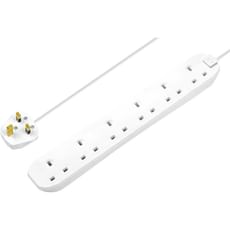
Consider Socket Configuration: Single-socket extension leads suit straightforward applications, whilst four-socket trailing leads enable multiple tool operation. Site distribution boxes often provide six or more outlets plus dedicated 16A sockets for high-demand equipment. Some modern reels incorporate USB charging ports—increasingly useful for keeping mobile devices and cordless tool batteries topped up on site.
Assess Build Quality: Professional-grade equipment features impact-resistant drums, reinforced cable entry points, and high-visibility cable that resists kinking and abrasion. Metal frames generally outlast plastic in demanding site environments. Check for stable bases preventing tip-over, comfortable carry handles, and secure cable retention. Brands like DeWalt, Makita and Milwaukee offer construction-grade solutions engineered for daily professional use and backed by comprehensive warranties.
Popular Accessories
- Plug-In RCD Adapters: Add residual current protection to existing extension leads and equipment lacking built-in safety features
- Plug Adapters and Splitters: Convert between socket types or expand single outlets into multiple connections for light loads
- Cable Protectors and Ramps: Protect trailing cables from vehicle traffic, foot traffic and mechanical damage on sites
- Weatherproof Socket Covers: Shield connections from rain and moisture during outdoor use whilst maintaining accessibility
- Replacement Plugs and Sockets: Repair damaged connections on existing reels and leads, extending equipment lifespan
- Socket Testers: Verify correct wiring, polarity and earthing of extension equipment and fixed installations
- Cable Tidies and Management: Organise excess cable safely, reducing trip hazards and preventing cable damage
- Portable Work Lights: Clip-on or magnetic lighting designed to plug into extension reels for improved visibility
- Extension Lead Storage Solutions: Wall-mounted hooks, reels and organisers for workshop, garage and van storage
- Voltage Testers and Multimeters: Essential diagnostic tools for verifying power supply and troubleshooting electrical issues
Safety Information
Always Fully Unwind Cable Reels: Operating cable reels under load whilst cable remains wound creates dangerous heat buildup that insulation cannot dissipate. This damages cable, trips thermal protection, and poses serious fire risk. Even partially wound cable significantly reduces safe current capacity—always extend fully when powering equipment drawing more than minimal current.
Inspect Before Every Use: Check cables, plugs and sockets for cuts, abrasions, exposed conductors, cracked casings, bent pins, or scorching. Never use damaged equipment—even minor damage compromises safety and violates electrical regulations on construction sites. This simple pre-use check prevents the majority of electrical accidents.
Respect Load Ratings: Never exceed rated capacity marked on equipment. Calculate total load by summing wattage or amperage of all connected devices, remembering that motor-driven tools draw higher start-up current. Overloading causes overheating, damages equipment, and creates fire risk. When operating multiple tools, allow margin below maximum rating.
Match IP Rating to Environment: Don't use indoor-rated equipment (IP20) outdoors or in wet conditions. Construction site work requires minimum IP44, whilst particularly harsh or wet environments demand IP67 protection. Remember IP ratings only apply when covers are properly closed and sealed—exposed connections negate environmental protection.
Site Compliance Requirements: Construction sites must comply with HSE regulations regarding temporary electrical installations. This typically mandates 110v centre-tapped-to-earth systems or 240v equipment with 30mA RCD protection meeting BS EN 61242 standards. Site managers bear responsibility for ensuring all extension equipment meets applicable regulations and receives regular portable appliance testing.
Safe Cable Routing: Position cables to minimise trip hazards, avoiding doorways, walkways and areas with vehicle traffic where possible. Never route cables through standing water, over sharp edges, or where they'll be crushed or abraded. Use cable ramps where crossing access routes is unavoidable. Keep connections away from wet areas and ensure weatherproof covers are fitted outdoors.
Frequently Asked Questions
Can I connect one extension lead into another?
Whilst not illegal for domestic use, daisy-chaining extension leads is strongly discouraged by the HSE and electrical safety organisations. Each additional connection introduces resistance and potential failure points, increasing overheating risk and making total load calculation difficult. On construction sites, daisy-chaining is typically prohibited outright. Instead, use a single longer extension lead or proper distribution system.
What's the difference between 13A and 16A cable reels?
13A reels use standard UK three-pin plugs and are limited to approximately 3,000 watts maximum load at 240v. They're suitable for light trade work and DIY applications. 16A reels feature industrial connectors (usually blue commando-style plugs) and handle up to 3,680 watts, making them appropriate for professional construction use with high-demand power tools. Cable gauge is typically heavier on 16A equipment for improved current capacity.
Do I need RCD protection if my power tools already have it?
Yes, additional RCD protection at the power source remains essential and is often mandatory on construction sites. Multiple protection layers provide redundancy if one device fails. Importantly, an RCD on your extension reel protects the cable itself and guards against faults in the fixed installation you're connecting to, not just faults within your tools.
Why does my cable reel keep tripping out?
If thermal cut-out activates, the most common cause is operating under load with cable still wound on the drum. Fully unwind the cable and allow cooling before resetting. If RCD protection keeps tripping, there's likely an earth leakage fault—check for water ingress, damaged cable insulation, or faulty connected equipment. Persistent tripping requires professional inspection before continued use.
What cable length works best for typical site work?
For most construction and trade applications, 25-metre cable reels offer optimal balance between reach and manageability. Smaller domestic sites and workshops often manage perfectly with 10-15 metres, whilst large construction sites may require 50-metre reels. Consider positioning the reel centrally within your work area—this reduces cable length needed, minimises trip hazards, and improves overall site safety.