

Cable Guide Rods

Pay in 3 interest-free payments on purchases from £20-£3000 with  . Learn more.

 Loading...
End of content
Error - No more pages to load
About Cable Guide Rods
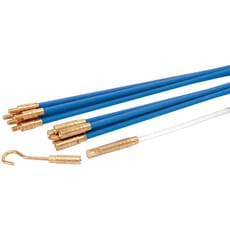
Cable guide rods, frequently referred to as cable access rods or fish tapes in the electrical trade, are indispensable tools for routing cables and wiring through confined spaces where direct access is impossible. These flexible yet rigid fibreglass rods connect together in sections to create extended lengths, enabling electricians and cable installers to push or pull cables through wall cavities, ceiling voids, floor spaces, and conduit runs. Whether you're installing new circuits in a commercial building, rewiring a residential property, or running network cables through office partitions, cable guide rods transform challenging cable routing tasks into manageable operations.
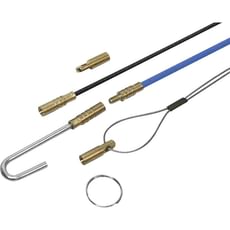
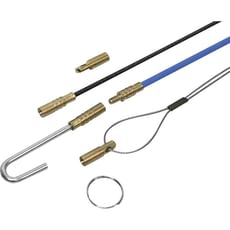
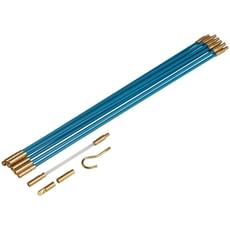
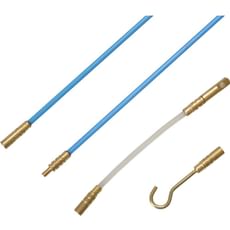
Professional cable rod sets typically comprise multiple sections—usually between 10 and 15 pieces—that screw together via threaded connectors to reach distances of 3 to 15 metres when fully assembled. Quality sets available from Tooled-Up.com include various end attachments such as hook ends for pulling cables, eye ends for attaching draw wires, and brush heads for clearing debris from blocked conduits. Premium brands like CK Tools, Faithfull, Draper, and Armeg supply their rod sets in protective carrying cases or tubes that keep the components organised and safeguarded between jobs, essential for mobile tradespeople working across multiple sites.
The construction material is crucial to both performance and safety. Modern cable rods are manufactured from fibreglass or reinforced nylon, chosen specifically for their non-conductive properties. This electrical insulation provides vital protection when working in environments where live 240v circuits may be present, making fibreglass rods significantly safer than older metal alternatives. Professional-grade rods feature robust threaded brass or steel connectors that ensure sections remain securely joined even when navigating tight bends or applying pulling force to heavy cable bundles.
Jargon Buster
- Fish Tape
- An alternative trade term for cable guide rods, derived from the action of "fishing" cables through walls, floors, and conduits. Commonly used by electricians and data installers throughout the UK.
- Draw Wire
- A flexible wire or cord used alongside cable rods to establish a pulling route through long or complex runs. The rod pushes the draw wire through first, which then pulls the actual cables back along the established path.
- Glow Rod
- High-visibility cable rods manufactured from fluorescent or luminous materials, making them easier to locate in dark loft spaces, subfloor voids, or unlit wall cavities. Particularly useful when working alone.
- Flexi-Leader
- A flexible extension attachment that connects to the leading end of rigid cable rods, providing enhanced manoeuvrability when navigating tight corners, bends, or obstructions within conduit systems.
- Pull-Through
- The process of using cable rods to establish a clear path through a confined space, then attaching cables and pulling them back through the route. The standard method for running cables through inaccessible areas.
- Conduit Run
- A length of protective tubing—typically PVC or galvanised steel—through which electrical cables are routed for mechanical protection and organisation. Cable rods are essential for feeding cables through these enclosed runs.
Who Uses Cable Guide Rods?
Cable guide rods are essential equipment for numerous trades and professional users:
- Electricians and Electrical Contractors – The primary users who rely on cable rods for virtually every installation, rewiring project, and circuit addition across domestic and commercial properties
- Network and Data Installers – For routing ethernet, fibre optic, and telecommunications cables through commercial offices, residential buildings, and industrial facilities
- Alarm and Security System Installers – Running sensor wires, CCTV camera cables, and control wiring discreetly through structures without causing unnecessary damage to decorative finishes
- Audio-Visual Technicians – Installing speaker cables, HDMI runs, and home cinema wiring concealed within walls and ceilings for clean, professional installations
- Satellite and Aerial Installers – Routing coaxial cables from external dishes and aerials to internal distribution points and receivers
- Building Maintenance Teams – For ongoing electrical maintenance, circuit additions, and upgrade work in commercial, industrial, and residential properties
- Shopfitters and Retail Installers – Creating electrical infrastructure for display lighting, point-of-sale systems, and specialist retail equipment
- Serious DIY Enthusiasts – Homeowners undertaking garden lighting projects, home extensions, garage electrical installations, or adding new circuits to existing properties
How to Choose the Right Cable Guide Rods
Length Requirements: Assess the typical distances you'll be working across. Mini cable rod sets from brands like Faithfull extend to approximately 3-5 metres, ideal for domestic electrical work and confined spaces. Full-size professional sets can reach 10-15 metres when fully assembled, essential for commercial installations or running cables between floors in multi-storey buildings. Remember that longer assembled rods become progressively more difficult to control and manoeuvre.
Rod Diameter and Flexibility: Thicker rods (typically 10-12mm diameter) provide superior pushing power through long straight runs and can handle heavier cable bundles, but they're less flexible when navigating tight bends in conduit systems. Thinner rods (6-8mm diameter) offer greater flexibility for conduit work with multiple bends but may lack the rigidity required for very long runs through open loft spaces or subfloor voids.
Connector Quality: Professional-grade sets feature brass or hardened steel threaded connectors that provide secure, reliable connections between sections. Budget sets sometimes use plastic connectors that can cross-thread, strip under load, or disconnect mid-pull when you're working in awkward spaces. The range at Tooled-Up includes quality brands like CK Tools Mighty Rod, Armeg, and Sealey that prioritise connector reliability.
Included Accessories: Comprehensive kits should include multiple end attachments: hook ends for snagging and pulling cables, eye ends for attaching draw wires and pulling socks, and brush or disc ends for clearing debris from blocked conduits. Professional sets like the Draper CAKL Tool Box Cable Guide Rod Set come in sturdy carrying cases that protect the rods and keep accessories organised, whilst tube-style carriers offer a more compact storage solution for mobile tradespeople.
Material Construction: Fibreglass rods offer the optimal combination of flexibility, strength, and crucially, electrical safety. They won't conduct electricity if they accidentally contact live 240v cables, providing essential protection when working in existing electrical installations. Always avoid metal rods for electrical work unless specifically required for particular industrial applications.
Popular Accessories
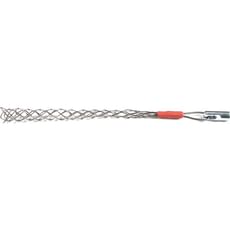
- Cable Pulling Socks and Grips – Mesh grips like the CK Mighty Rod Cable Pulling Sock that tighten around cables when tension is applied, distributing pull force evenly without damaging cable jackets
- Draw Wire and Draw Tape – Essential for establishing pull-through routes in very long cable runs where the rods alone cannot reach
- Cable Lubricant – Reduces friction when pulling cables through conduit, preventing jacket damage and reducing the physical effort required on long pulls
- Head Lamps and Inspection Lights – Illuminates dark voids, ceiling spaces, and wall cavities when feeding rods through confined areas
- Borescope or Inspection Camera – Helps visualise the cable path and identify obstructions before committing to a difficult cable run
- Cable Detectors and Voltage Testers – Essential safety equipment for confirming circuits are dead and locating existing cables before drilling or cutting
- Conduit Brush Heads – Specialist attachments for cleaning out debris-filled or blocked conduit runs before attempting to pull cables through
- Magnetic Retrieval Tools – For recovering dropped fixings, screws, or locating metal-tipped rods within wall cavities
- Replacement End Fittings – Keep spares of commonly used attachments as they can wear, break, or become lost on busy sites
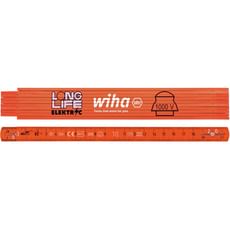
- Folding Rules and Measuring Tools – Products like the Wiha Longlife Elektrik Folding Rule help accurately measure cable runs and plan routing strategies
Safety Information
Always isolate electrical circuits at the consumer unit before working in areas that may contain live cables. Use a proper two-pole voltage tester to confirm dead testing, and follow HSE guidance on safe isolation procedures. Although fibreglass cable rods are non-conductive, never rely on this material property as your sole protection against electric shock—proper isolation is mandatory.
When working in ceiling voids, loft spaces, or subfloor areas, ensure adequate lighting and remain vigilant for hazards including exposed nails, rough timber edges, loose insulation materials, and overhead obstructions. Wear appropriate PPE including safety glasses (debris frequently falls when pushing rods upward), protective gloves to guard against splinters and sharp edges, and a dust mask when working in dusty or insulated environments.
Exercise caution when assembling long rod lengths, particularly in confined spaces. Fully extended rods under compression can suddenly spring, buckle, or whip if they bind on an obstruction, potentially causing facial injuries or striking nearby objects. Work methodically, adding sections only as required, and ensure you have adequate space to control the assembled tool safely. When working at height or from ladders, never overreach—reposition your access equipment instead.
Store cable rods in their supplied carrying case or tube to prevent damage to the fibreglass construction and threaded connectors. Inspect rods before each use for cracks, splits, or damaged threads that could compromise performance or cause sections to separate during use. Replace damaged sections immediately rather than attempting repairs.
Frequently Asked Questions
What's the difference between mini cable rod sets and full-size professional sets?
Mini cable rod sets typically extend to 3-5 metres and feature thinner, more flexible rods ideally suited to domestic electrical work, running cables behind plasterboard stud walls, and working in tighter confined spaces. Full-size professional sets extend to 10-15 metres with thicker, more rigid rods that can push through longer runs and handle heavier cable bundles, making them essential for commercial installations, multi-storey buildings, and long conduit runs.
Can cable rods be used in occupied buildings with existing live electrical systems?
Fibreglass cable rods are non-conductive, providing a level of electrical safety that metal alternatives don't offer. However, you must always follow proper electrical safety procedures including isolating circuits in the work area whenever possible and using a voltage tester to confirm dead testing. Never assume the non-conductive rods alone provide complete protection—proper isolation is essential.
How do I prevent cable rod sections disconnecting whilst feeding through a wall cavity?
Ensure each threaded connector is firmly hand-tightened before proceeding with the cable run. Quality brands like Faithfull, Armeg, and Draper use brass or hardened steel connectors with fine precision threads that resist loosening under normal working conditions. Avoid over-extending the rods or applying excessive sideways pressure that can unscrew connections. When working alone on long runs, periodically check connections remain tight, particularly after navigating obstacles or tight bends.
What length of cable rod set do I need for typical domestic electrical work?
For most domestic projects including socket circuit additions, lighting installations, and consumer unit relocations, a 10-metre set provides adequate reach for running cables between floors, across ceiling voids, and through wall cavities in standard properties. A 15-piece set from brands like Sealey or Blue Spot typically achieves this working length whilst remaining manageable for a single operative. Professional electricians working on larger properties or commercial premises should consider longer sets up to 15 metres.
Can cable guide rods be used to clear blocked conduits?
Yes, this is a common application in electrical installation work. Most cable rod sets include brush or disc attachments specifically designed for clearing spiderwebs, debris, and minor obstructions from conduit runs before pulling cables through. However, for seriously blocked, collapsed, or damaged conduit, specialist drain rods or replacement of the affected section may be necessary. Cable rods are not designed for forcing through major blockages that could damage the flexible fibreglass construction.