

Cable Ties & Clips

Pay in 3 interest-free payments on purchases from £20-£3000 with  . Learn more.

 Loading...
End of content
Error - No more pages to load
About Cable Ties & Clips
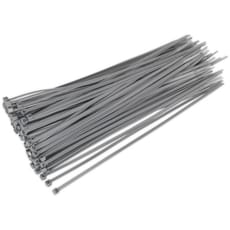
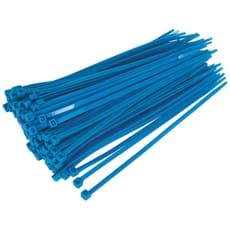
Cable ties and clips are indispensable fastening solutions used across virtually every trade and industry for bundling, organising, and securing cables, wires, hoses, and pipes. From simple nylon cable ties that provide a quick fix on site to specialised mounting clips designed for permanent installations, these versatile products help maintain safe, tidy, and professional-looking work. Whether you're a sparky running cables through a new build, a plumber securing pipework, or a facilities manager organising a server room, the right cable ties and clips make cable management faster, neater, and more reliable.
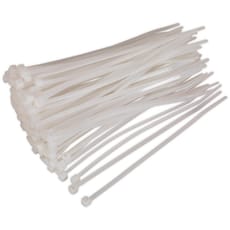
Modern cable ties come in an extensive range of materials, sizes, and strengths to suit different applications and environments. Standard nylon cable ties remain the most popular choice for general-purpose bundling, available in various widths and lengths with tensile strengths ranging from light-duty to heavy industrial grades. For outdoor or harsh environments, UV-resistant and stainless steel cable ties offer superior durability, whilst specialist options include releasable ties for temporary installations, metal-detectable ties for food processing environments, and fire-rated ties for applications requiring compliance with specific safety standards.
Cable clips provide secure fixing points for cables and conduit to walls, joists, and other surfaces. From simple round and flat cable clips hammered into masonry to adhesive-backed clips for temporary installations and professional cable management systems with multiple fixing options, these products ensure cables remain securely positioned whilst meeting building regulations and maintaining a professional finish. Tooled-Up.com stocks a comprehensive selection suitable for electrical installations, plumbing applications, data cabling, automotive work, and countless other professional and DIY projects.
Jargon Buster
- Tensile Strength – The maximum load or pulling force a cable tie can withstand before breaking, typically measured in kilograms or pounds. Heavy-duty ties may have tensile strengths exceeding 80kg, whilst lighter ties are rated around 8-18kg for general bundling applications.
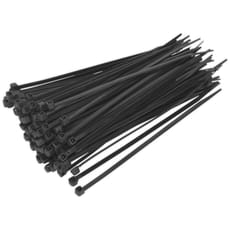
- UV Resistant – Cable ties treated or manufactured from materials that resist degradation from ultraviolet light exposure, essential for outdoor installations where standard nylon ties would become brittle and fail over time. These are typically black in colour due to carbon additives.
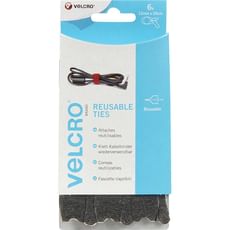
- Releasable/Reusable Cable Ties – Cable ties featuring a release mechanism that allows them to be opened and reused multiple times, ideal for temporary installations or situations where cables need regular access for maintenance or modification without cutting ties.
- Bundling Diameter – The maximum circumference of cables or materials that can be secured within a cable tie when fully tightened, helping you select the appropriate length for your specific application. Measured in millimetres for UK applications.
- Operating Temperature Range – The minimum and maximum temperatures within which a cable tie maintains its specified performance characteristics. Standard nylon typically operates between -40°C and +85°C, whilst specialist materials extend these ranges for extreme environments.
- Metal Detectable – Cable ties manufactured with metal-impregnated materials that can be identified by metal detection equipment, crucial in food processing and pharmaceutical manufacturing to prevent contamination if ties become dislodged.
Who Uses Cable Ties & Clips?
Cable ties and clips are used across virtually every trade and industry, including:
- Electricians and sparkies – bundling and routing electrical cables in domestic, commercial, and industrial installations, including 240v mains wiring and low-voltage circuits
- Plumbers and heating engineers – securing pipework, manifolds, and underfloor heating systems to joists and walls
- IT technicians and network installers – organising data cables in server rooms, offices, and datacentres for clean, accessible installations
- Automotive mechanics – securing wiring looms, hoses, and components in vehicles and machinery
- HVAC engineers – fixing ducting, securing sensor cables, and organising plant room installations
- Carpenters and joiners – temporary securing of materials and organising power tool cables on site
- Facilities managers – maintaining organised cable management systems in commercial buildings
- Shop fitters and signage installers – securing cables and fixing components in retail and exhibition environments
- Marine and industrial applications – environments requiring stainless steel ties for corrosion resistance
- DIY enthusiasts – general household organisation, garage storage, and home improvement projects
How to Choose the Right Cable Ties & Clips
Application and Environment: Consider whether the installation is indoor or outdoor, temporary or permanent. Outdoor applications require UV-resistant ties, whilst areas exposed to chemicals, extreme temperatures, or moisture may need stainless steel or specialist polymer ties. Standard nylon suffices for most indoor general-purpose applications.
Bundle Size and Weight: Measure or estimate the diameter of the cable bundle you need to secure, then select ties with an appropriate bundling diameter and tensile strength. Heavier bundles or applications subject to vibration require higher tensile strength ratings to prevent failure. For typical electrical installations, 18kg tensile strength handles most requirements, whilst industrial applications may need 40kg or higher.
Length and Width: Cable ties range from small 100mm ties suitable for light bundling to heavy-duty 900mm ties for large industrial cable runs. Wider ties (7.5mm-12mm) provide greater strength and are easier to grip when tightening large bundles, whilst narrow ties (2.5mm-4.8mm) suit lighter applications and tighter spaces.
Fixing Method: Decide whether you need standard cable ties for bundling only, or ties with integral mounting features such as screw holes or adhesive pads. Cable clips require appropriate fixings for your surface material—masonry nails for blockwork, screws for timber, or adhesive backing for temporary installations.
Accessibility Requirements: If cables need regular access for maintenance or modifications, invest in releasable cable ties rather than standard one-use types. This prevents waste and damage to cables from repeatedly cutting and replacing ties, particularly important in data centres or control panels.
Regulatory Compliance: Certain industries and applications require specific cable tie specifications, such as fire-rated ties in fire-protected zones, metal-detectable ties in food production, or halogen-free ties in enclosed spaces. Always verify any relevant building regulations or industry standards for your installation.
Popular Accessories
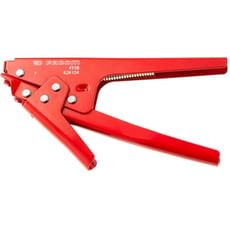
- Cable tie guns and tensioning tools – professional tools for consistent tightening and automatic tail trimming on large installations
- Cable tie mounts and bases – adhesive or screw-fixed mounting points for securing bundles to surfaces
- Cable clips in various sizes – round, flat, and D-line clips for individual cables and small bundles
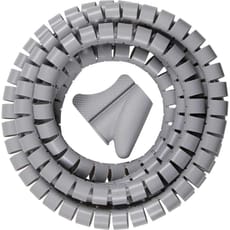
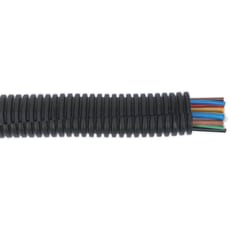
- Cable conduit and trunking – protective channels for routing cables along walls and surfaces
- Heat shrink tubing – for insulating and protecting cable connections and joints
- Cable labels and markers – identification systems for maintenance and troubleshooting
- Wire strippers and cable preparation tools – complementary tools from brands like Knipex, Wera, and Wiha
- Tool storage systems – Stanley FatMax, DeWalt TSTAK, or Milwaukee PACKOUT organisers to keep fasteners sorted and accessible on site
Frequently Asked Questions
What's the difference between standard and UV-resistant cable ties?
Standard nylon cable ties are suitable for indoor use but will become brittle and fail when exposed to prolonged sunlight outdoors. UV-resistant cable ties contain additives (typically carbon black, giving them a black colour) that protect against ultraviolet degradation, maintaining their strength and flexibility for years in outdoor installations. Always use UV-resistant ties for external applications to ensure long-term reliability and compliance with professional installation standards.
Can I reuse cable ties?
Standard cable ties are designed for single use only—once tightened, the ratchet mechanism locks permanently and the tie must be cut off for removal. However, releasable or reusable cable ties feature a release tab that allows the locking mechanism to be disengaged, enabling multiple uses. These are ideal for temporary installations or situations requiring regular access to cables, though they typically cost slightly more than standard ties. Available from Tooled-Up in various sizes and strengths.
What tensile strength do I need for electrical cables?
For most domestic and light commercial electrical installations, cable ties with an 18kg tensile strength are sufficient for bundling standard 240v mains cables and smaller circuits. Heavier industrial cable bundles, outdoor overhead runs, or applications subject to vibration may require 40kg or higher tensile strength. Consider both the weight of the cables and any additional forces (pulling, movement, environmental factors) when selecting appropriate strength ratings.
Are metal cable ties better than nylon?
Stainless steel cable ties offer superior strength, temperature resistance, and corrosion resistance compared to nylon, making them essential for harsh environments, high-temperature applications, or where security is paramount. However, they're significantly more expensive, can damage cables if over-tightened, and may create galvanic corrosion issues with certain metals. For most general applications, quality nylon ties provide excellent performance at lower cost. Use stainless steel only where its specific properties are genuinely required.
How do I remove cable ties without damaging cables?
Use side cutters or cable tie removal tools to cut the tie at the locking head, taking care not to cut into the cables themselves. Cut on the opposite side from the cables where possible. For valuable or delicate cables, specialist cable tie removal tools provide a safer alternative, sliding under the tie head to release the locking mechanism without cutting. Never pull or twist cable ties tightly wrapped around cables, as this can damage insulation or individual conductors, particularly on data cables or control wiring.