
Cable Ties

Pay in 3 interest-free payments on purchases from £20-£3000 with  . Learn more.
Loading...
End of content
Error - No more pages to load
About Cable Ties
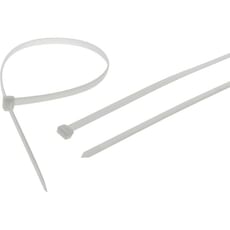
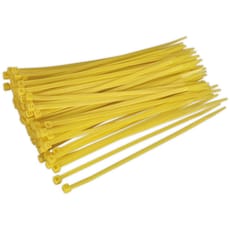
Cable ties are indispensable fastening solutions used across electrical installations, cable management systems, and countless organisation tasks in professional and domestic settings. From standard black nylon zip ties for bundling wires to heavy-duty stainless steel variants for harsh industrial environments, these versatile fasteners provide secure, reliable cable management that meets stringent UK standards. Whether you're an electrician managing complex wiring looms, a network engineer organising data centre infrastructure, or a tradesperson securing materials on site, the right cable tie ensures neat, professional results that comply with BS 7671 regulations and workplace safety requirements.
The comprehensive selection at Tooled-Up.com features trusted brands including Sealey, Faithfull, Bosch Professional, Facom, and Draper, offering everything from standard black and white cable ties to specialised products like Bosch EPB cable routing bows, EPH electrical cable hangers, and FMS metal strapping systems for conduit installations. Available in various lengths from compact 100mm ties for small electronics work to heavy-duty 400mm variants for industrial bundling, these fasteners cater to every application. Professional-grade cable tie cutters and installation tools from brands like Facom enable clean, flush cuts without leaving sharp edges that could damage cables or cause injury.
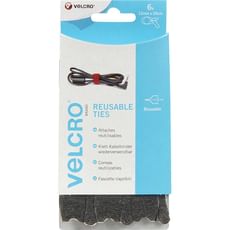
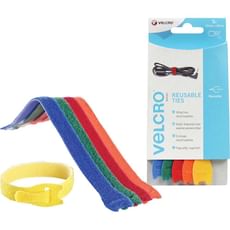
Beyond traditional single-use cable ties, the range includes reusable hook and loop fasteners from Velcro® Brand, convenient cable tie barrels containing assorted sizes for versatile applications, and corrosion-resistant stainless steel ties specifically engineered for outdoor installations where UV resistance and weatherproofing are essential. Whether you're working to electrical installation standards, securing cables in automotive applications, or organising workshop equipment, these fastening solutions deliver professional performance at competitive trade prices suitable for both high-volume contractors and discerning DIY enthusiasts.
Jargon Buster
- Tensile Strength: The maximum load or pulling force a cable tie can withstand before breaking, typically measured in kilograms. Standard ties might handle 8-18kg whilst heavy-duty industrial variants can secure loads exceeding 50kg, essential when calculating safe working loads for cable bundles and mechanical fixings.
- Pawl and Ratchet Mechanism: The internal locking system within a cable tie head where the serrated strap (ratchet) engages with the pawl (locking tooth) to prevent loosening once tightened. This one-way mechanism ensures secure fastening but makes standard ties single-use unless you specify releasable variants.
- UV Stabilised: Cable ties treated with additives that resist degradation from ultraviolet sunlight exposure, essential for outdoor installations where standard nylon ties would become brittle and fail within months. Always specify UV-stabilised variants for external lighting, satellite dishes, garden equipment, and any cable runs exposed to sunlight.
- Flush Cut: A cable tie design or cutting technique that removes excess tail material level with the head, eliminating sharp edges that could snag clothing, cut skin, or damage adjacent cables. Professional cable tie cutters from Facom deliver consistently flush cuts for safer, neater installations.
- Operating Temperature Range: The minimum and maximum temperatures at which a cable tie maintains its mechanical properties and structural integrity. Standard nylon typically functions from -40°C to +85°C, whilst specialist stainless steel variants extend these ranges to -80°C to +538°C for extreme industrial environments.
- Bundle Diameter: The maximum circumference of cables or materials that a cable tie can accommodate when fully tightened. Always measure your bundle and add 30mm for comfortable installation clearance when selecting appropriate tie lengths.
Who Uses Cable Ties?
- Electricians and Electrical Contractors: Securing cable runs, organising consumer units, managing wiring in distribution boards, and maintaining neat installations compliant with BS 7671 wiring regulations and Part P building requirements
- IT and Network Engineers: Managing data cables, patch leads, and server room infrastructure where organised cabling prevents downtime, simplifies troubleshooting, and maintains efficient airflow through racks
- Automotive Mechanics and Auto Electricians: Securing wiring looms, routing cables away from hot or moving engine components, temporary repairs, and organising electrical systems during vehicle modifications
- HVAC Engineers: Fastening refrigerant lines, securing control cables, organising electrical connections in heating and ventilation systems, and bundling ducting insulation
- Maintenance Teams and Facilities Managers: General organisation throughout commercial premises, temporary fixes, preventing trip hazards, and keeping installations compliant with HSE health and safety requirements
- Exhibition and Event Crews: Rapid cable management for temporary installations, securing leads to prevent accidents, creating safe walkways, and facilitating quick breakdown after events
- Manufacturing and Warehouse Operatives: Bundling products for dispatch, securing packaging materials, general organisation in industrial environments, and maintaining orderly production lines
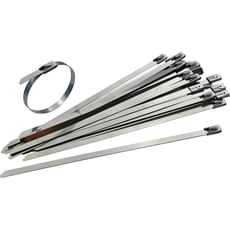
- Marine Engineers and Boat Builders: Using stainless steel cable ties for corrosion resistance in harsh saltwater environments where standard nylon would degrade
- DIY Enthusiasts and Homeowners: Garden projects, workshop organisation, home theatre cable management, securing greenhouse materials, and countless household fastening tasks
How to Choose the Right Cable Ties
Material Selection: Standard nylon cable ties from brands like Sealey and Faithfull suit most indoor applications and offer excellent value for general cable management. For outdoor use exposed to sunlight, specify UV-stabilised nylon that resists degradation and maintains flexibility for years. Stainless steel cable ties provide superior strength and complete corrosion resistance for marine environments, chemical plants, extreme temperature applications, or installations near heat sources. Consider Velcro® Brand hook and loop fasteners where cables require frequent access or repositioning without cutting.
Length and Bundle Diameter: Measure the circumference of your cable bundle and add at least 25-30mm for comfortable installation clearance and the tie head mechanism. Common sizes include 100mm for electronics, 200mm for standard electrical work, 300mm for larger bundles, and 400mm for industrial applications. Assorted cable tie barrels from Faithfull and Draper provide flexibility for varied tasks, whilst bulk packs of single sizes offer better value for large-scale installations or contractors working on multiple properties.
Tensile Strength Requirements: Light-duty ties (8-18kg) suit electronics, domestic appliances, and basic organisation. Medium-duty variants (18-35kg) handle typical electrical installations, network cabling, and general bundling tasks. Heavy-duty ties (35kg+) secure industrial cable runs, heavy conduit, outdoor applications, or situations where additional security is essential. Always specify ties with capacity exceeding your maximum anticipated load by at least 25% for safety margins.
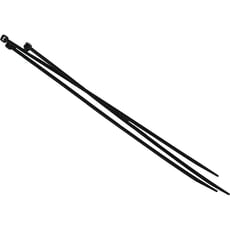
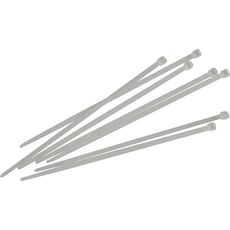
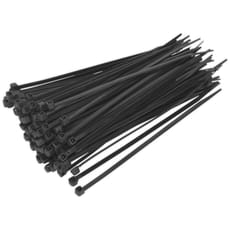
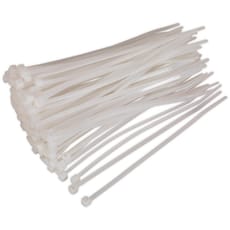
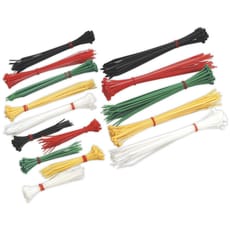
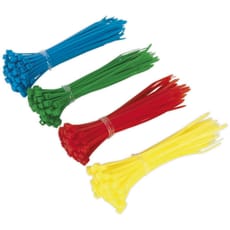
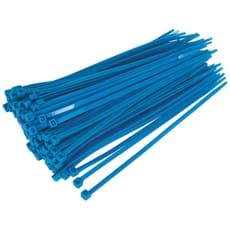
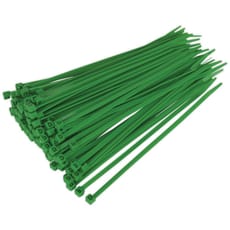
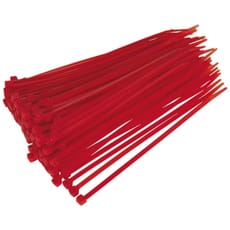
Colour Coding: Black cable ties are standard for most applications and offer inherent UV resistance. White ties provide neat aesthetics in visible locations, clean room environments, or colour-coding for different cable types. Some installers use specific colours to identify circuits, phases, voltage levels, or service types for easier maintenance and fault-finding during troubleshooting.
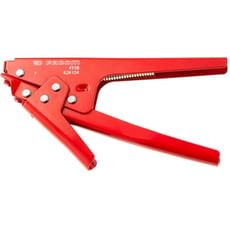
Installation Tools: For professional results and consistent quality, invest in proper cable tie cutters or specialist pliers like the Facom SLS models that deliver clean, flush cuts without leaving sharp edges. Hand-tightening works for light applications, but cable tie guns ensure consistent tension, professional finish on large installations, and significantly reduce hand fatigue during high-volume work.
Popular Accessories
- Cable Tie Cutters and Pliers: Professional tools including Facom cable tie pliers and cutters that deliver clean, flush cuts protecting both cables and installers' hands from sharp edges
- Cable Tie Guns: Tensioning tools that apply consistent, adjustable tension and automatically cut ties flush for high-volume installations whilst reducing repetitive strain
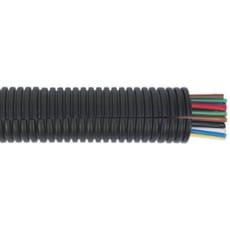
- Cable Routing Bows: Bosch EPB cable bows that maintain neat separation and organised routing in electrical installations, available in various sizes for different cable quantities
- Cable Hangers and Clips: Fixed mounting points including Bosch EPH hangers for securing cables to walls, joists, or equipment in accordance with spacing requirements
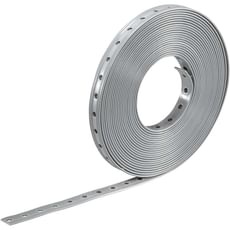
- Metal Strapping and Banding: Heavy-duty alternatives like Bosch FMS systems for securing conduit runs, cable tray installations, and mechanically demanding applications
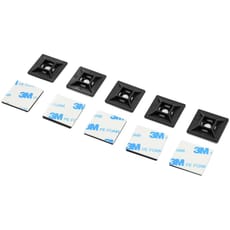
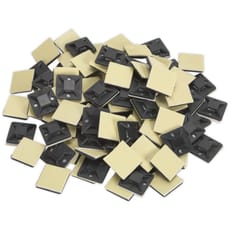
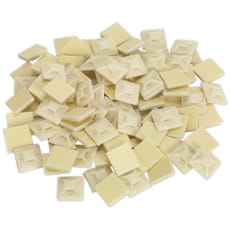
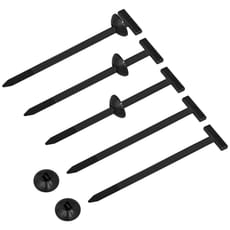
- Cable Tie Mounts: Adhesive or screw-fixed bases providing anchor points for cable ties on smooth surfaces where direct attachment isn't possible
- Identification Tags: Write-on labels that attach to cable ties for circuit identification, maintenance records, and compliance documentation
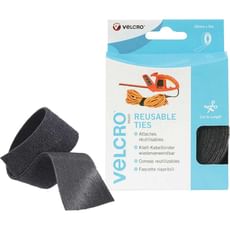
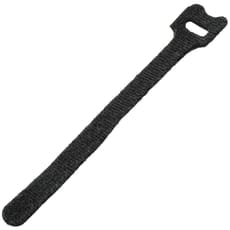
- Velcro® Cable Wraps: Reusable hook and loop fasteners ideal for applications requiring frequent access, adjustments, or temporary installations
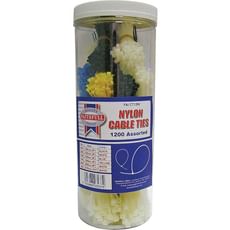
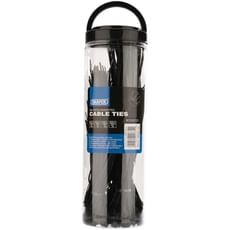
- Cable Tie Barrels: Convenient storage containing assorted sizes from Faithfull and Draper, perfect for mobile engineers and varied workshop applications
Frequently Asked Questions
Q: What's the difference between standard and UV-stabilised cable ties?
A: Standard nylon cable ties work perfectly indoors but degrade rapidly when exposed to sunlight, becoming brittle and failing within 6-12 months of outdoor use. UV-stabilised cable ties contain additives that resist ultraviolet radiation, maintaining strength and flexibility for 3-5 years or more in outdoor applications. Always specify UV-stabilised ties for any installation exposed to sunlight, including outdoor lighting, satellite dishes, garden equipment, external cable runs, and roof-mounted installations. The modest price premium is insignificant compared to the cost and inconvenience of premature failure.
Q: Can I reuse cable ties or do they need cutting off?
A: Standard cable ties feature a one-way pawl and ratchet mechanism and must be cut for removal, making them single-use fasteners. However, releasable cable ties and Velcro® Brand hook and loop wraps are specifically designed for multiple uses, featuring release mechanisms that allow repositioning without cutting. These reusable options cost more initially but prove economical for temporary installations, test rigs, audio-visual equipment, or applications requiring frequent cable access such as network modifications or equipment maintenance.
Q: What length cable tie do I need for my application?
A: Measure the circumference of your cable bundle and add approximately 30mm for the tie head and comfortable installation clearance. For example, a 50mm diameter bundle has roughly 160mm circumference, requiring a 200mm cable tie minimum. When uncertain, choose slightly longer ties rather than shorter ones—excess length is easily trimmed with proper cutters, whilst short ties won't secure properly and may break during installation. Assorted cable tie barrels from brands like Faithfull provide various sizes for different applications without maintaining large individual stock.
Q: Are metal cable ties better than nylon ones?
A: Stainless steel cable ties offer superior tensile strength, extreme temperature tolerance (-80°C to +538°C), and complete resistance to chemicals, UV radiation, and corrosion. They're essential for harsh industrial environments, marine applications, installations near heat sources, and chemical plants. However, they cost significantly more than nylon ties, require proper cutters for installation, and can damage softer cables if over-tightened. For most electrical and general applications, quality nylon cable ties from brands like Sealey, Faithfull, or Draper provide excellent performance at better value.
Q: Do cable ties comply with UK electrical installation standards?
A: Yes, cable ties are widely accepted for cable management in electrical installations when used appropriately. BS 7671 (IET Wiring Regulations) requires cables to be adequately supported and protected from mechanical damage. Cable ties fulfil these requirements when properly specified—using appropriate sizes, correct spacing intervals (typically 300-400mm for vertical runs, 250mm for horizontal), and avoiding over-tightening that could damage cable insulation or reduce current-carrying capacity. For fire-rated installations or specific compliance requirements, verify that your chosen cable ties meet relevant BS EN standards and maintain segregation between 240v power circuits and low-voltage data cables.