

Caps
Pay in 3 interest-free payments on purchases from £30-2000 with  . Learn more.
 Loading...
End of content
Error - No more pages to load
About Caps
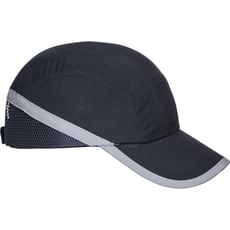
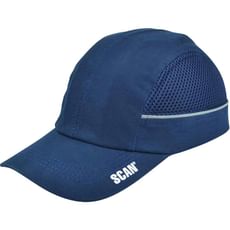
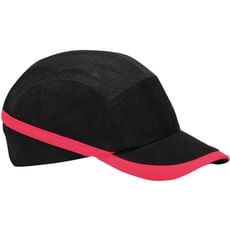
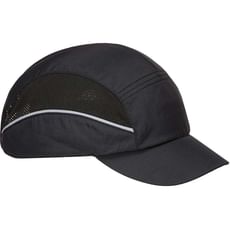
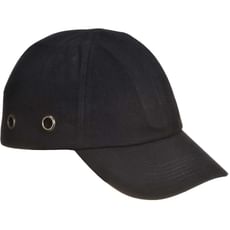
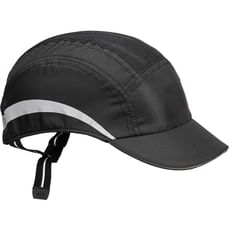
Caps serve an essential dual purpose in professional and industrial environments, combining practical safety features with everyday comfort and sun protection. Whether you're working on a construction site, in a warehouse, or in a food production facility, the right cap provides crucial protection whilst maintaining professionalism and comfort throughout your working day. From lightweight bump caps that guard against minor head impacts to specialist food industry caps and high-visibility options, this category encompasses a comprehensive range of headwear designed to meet diverse workplace requirements.
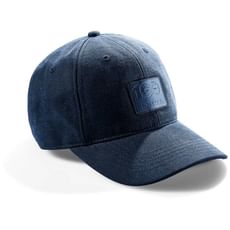
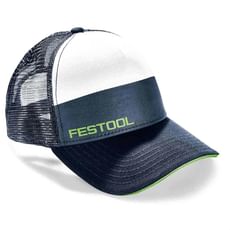
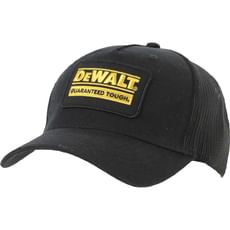
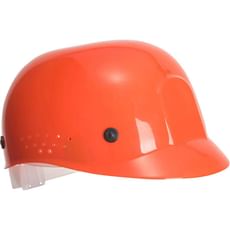
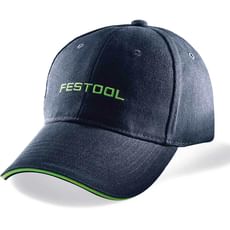
Modern work caps have evolved significantly beyond simple baseball-style designs. Today's professional headwear incorporates advanced materials, lightweight shell protection, and industry-specific features that address real workplace hazards. Bump caps, for instance, offer an excellent solution for environments where full hard hat protection isn't required but where there's still a risk of bumping your head on low ceilings, machinery, or protruding objects. The selection at Tooled-Up.com includes branded caps from manufacturers like DeWalt and Festool, providing comfortable, professional-looking options for tradespeople who want to represent their preferred tool brands whilst staying protected from the elements.
Leading brands such as Portwest dominate the professional cap market, offering specialised designs for specific industries including construction, warehousing, and food production. With features like breathable AirTech fabrics, adjustable sizing, and compliance with relevant safety standards, these caps deliver genuine value for tradespeople, site workers, and DIY enthusiasts who demand both protection and comfort from their workwear.
Jargon Buster
- Bump Cap
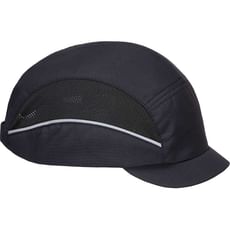
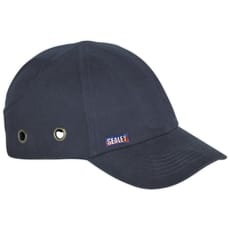
- A lightweight protective cap featuring a plastic or foam shell insert in the crown, designed to protect against minor bumps and scrapes from low overhead hazards. Not a replacement for safety helmets where falling object protection is required, but ideal for warehouses, workshops, and confined spaces.
- AirTech Fabric
- Advanced breathable material technology that promotes air circulation and moisture wicking, keeping the wearer cool and comfortable during extended wear in warm environments or physically demanding work.
- Peak/Brim
- The protruding front section of a cap that shields eyes from sunlight, glare, and light rain. Available in various lengths including short peak, standard, and long peak designs depending on coverage requirements.
- Six-Panel Construction
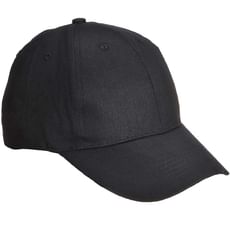
- A cap design featuring six fabric sections sewn together to create the crown, providing superior fit and shape retention compared to simpler constructions, commonly used in professional baseball-style caps.
- Snood Cap
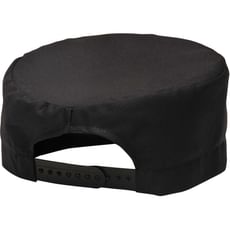
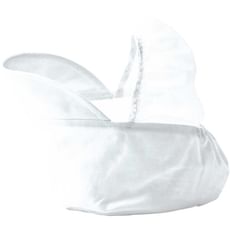
- A close-fitting cap design that covers the entire head and sometimes the neck, essential for food production environments where complete hair coverage is mandatory for hygiene compliance.
- Hi-Vis/High-Visibility
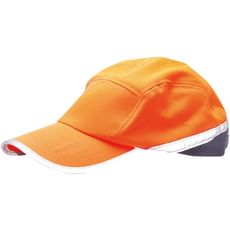
- Caps manufactured in fluorescent colours (typically yellow or orange) with reflective strips to enhance wearer visibility in low-light conditions or high-traffic areas, essential for roadside work and construction sites.
Who Uses Caps?
- Construction Workers & Site Operatives: For sun protection and light head protection when working in areas where hard hats aren't mandatory
- Warehouse Staff & Logistics Workers: Bump caps protect against low ceilings, racking, and overhead equipment whilst maintaining comfort during physical work
- Engineers & Maintenance Technicians: Working in plant rooms, under machinery, and in confined spaces where minor head bump risks exist
- Food Production & Catering Staff: Specialised skull caps and snood caps maintain hygiene standards and comply with food safety regulations
- Joiners & Carpenters: Protection when working under staircases, in loft spaces, or around timber frames
- Delivery Drivers & Couriers: Bump caps provide protection when loading and unloading vehicles with low roofs
- DIY Enthusiasts: Home improvers working on renovation projects, in garages, or building garden structures
- Automotive Technicians: Working underneath vehicles and in tight engine compartments where head bumps are common
- Electricians & Plumbers: When working in domestic properties, crawl spaces, and areas with limited headroom
How to Choose the Right Caps
Selecting the appropriate cap depends primarily on your specific workplace hazards and industry requirements. For environments where there's a risk of bumping your head on fixed objects or low ceilings—such as warehouses, workshops, or vehicle loading bays—a bump cap with an integrated protective shell is essential. These provide EN 812 compliant protection against impact from stationary objects, though it's crucial to understand they're not substitutes for hard hats in areas where falling objects present a hazard.
Consider the working environment's temperature and ventilation when choosing materials. AirTech and other breathable fabric technologies significantly improve comfort during summer months or in warm indoor environments. For outdoor site work, particularly near roadways or in areas with moving vehicles, high-visibility caps with reflective strips are not just sensible but often legally required to comply with HSE guidelines. Peak length is another practical consideration—longer peaks provide better sun and glare protection, whilst micro-peak designs reduce interference when working in confined spaces.
For food production, catering, or healthcare environments, hygiene regulations dictate the cap style required. Skull caps and snood designs that completely cover hair are essential for compliance with food safety standards. Ensure any cap you choose offers adjustable sizing or comes in multiple sizes for proper fit—a cap that's too loose won't provide adequate protection, whilst one that's too tight causes discomfort and headaches during extended wear. Finally, consider durability and ease of cleaning, particularly for daily professional use where regular washing is necessary.
Popular Accessories
- Safety Glasses & Eyewear: Essential companion to caps for complete head and eye protection on site
- Ear Defenders & Hearing Protection: Complements bump caps in noisy workshop environments
- High-Visibility Vests & Jackets: Pairs with hi-vis caps for complete visibility compliance
- Work Gloves: Complete your personal protective equipment alongside appropriate headwear
- Cooling Towels & Neck Coolers: Enhance comfort in hot conditions when wearing caps for extended periods
- Sweatbands & Moisture-Wicking Accessories: Additional comfort for physically demanding work
- Cleaning Products & Workwear Detergent: Maintain hygiene standards and extend cap lifespan
Safety Information
It's vital to understand that whilst bump caps provide valuable protection against minor head impacts from stationary objects, they do not offer protection against falling objects and should never replace proper safety helmets (hard hats) in environments where such hazards exist. Bump caps typically meet EN 812 standards for industrial bump caps, which specifies their protective capabilities and limitations. Always conduct a proper risk assessment of your working environment to determine whether a bump cap provides adequate protection or whether EN 397 compliant safety helmets are required.
Regularly inspect bump caps for damage to the protective shell, as cracks, dents, or deformation significantly compromise their protective capabilities. Replace caps immediately after any significant impact, even if damage isn't visible. For food industry caps, maintain strict hygiene protocols—wash regularly according to manufacturer guidelines and replace when showing signs of wear or staining that could harbour bacteria. When working outdoors, particularly during summer months, remember that caps primarily protect the top and front of your head; ensure you apply appropriate sun protection to exposed skin including ears, neck, and face to prevent sunburn and long-term skin damage.
Frequently Asked Questions
What's the difference between a bump cap and a safety helmet?
Bump caps protect against minor bumps from walking or standing into stationary objects like low beams, pipes, or shelving. They meet EN 812 standards but do not protect against falling objects. Safety helmets (hard hats) meet EN 397 standards and provide protection from falling objects, making them mandatory on construction sites and other high-risk environments. If there's any risk of objects falling from height, a proper safety helmet is legally required.
Can bump caps be worn in food production environments?
Standard bump caps are generally not suitable for food production due to hygiene requirements. Food industry environments require specialised skull caps or snood caps that completely cover hair and can be easily cleaned or disposed of. However, some manufacturers offer food-safe bump caps specifically designed to meet both head protection and food hygiene standards—check product specifications carefully before use.
How often should I replace my work cap?
Replace bump caps immediately after any significant impact, as the protective shell may be compromised even without visible damage. For regular wear caps without protective shells, replace when they show signs of significant wear, loss of shape, or damage. Food industry caps should be replaced more frequently according to your facility's hygiene protocols, often daily for disposable types or weekly for washable versions, depending on usage intensity and cleanliness standards.
Are branded caps like DeWalt and Festool just for show or do they offer real protection?
It depends on the specific model. Some branded caps are primarily lifestyle products offering sun protection and brand representation, whilst others incorporate genuine safety features like bump cap protection. Always check the product specifications and safety certifications available from Tooled-Up.com. Brands like Portwest typically focus on genuine workplace protection, whilst tool manufacturer caps vary—some are casual wear, others meet safety standards. If you need certified protection, ensure the cap displays relevant EN standard markings.
Do I need a high-visibility cap for roadside work?
Yes, when working near traffic or on public highways, high-visibility clothing including headwear is typically required by HSE regulations and is often mandated by site-specific safety policies. Hi-vis caps with reflective strips ensure you remain visible to vehicle operators, particularly in low-light conditions. Even in good visibility, fluorescent colours significantly improve recognition and reaction times, making hi-vis caps an essential safety measure for roadside workers, traffic management personnel, and anyone working near moving vehicles.