

Car Buffers

Pay in 3 interest-free payments on purchases from £20-£3000 with  . Learn more.
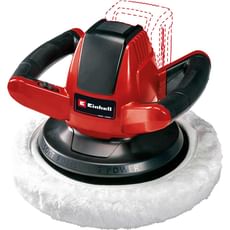
 Loading...
End of content
Error - No more pages to load
About Car Buffers
Car buffers are specialist power tools engineered to restore and maintain vehicle paintwork to showroom condition, efficiently removing swirl marks, light scratches, oxidation, and other surface imperfections. These machines work by rotating a soft bonnet or pad at controlled speeds to apply compounds, polishes, and protective waxes evenly across automotive surfaces, delivering professional results that would be virtually impossible to achieve through manual polishing alone. Whether you're a professional detailer working on multiple vehicles daily or an enthusiast maintaining your own car, a quality buffer dramatically reduces both the time and physical effort required to achieve exceptional finishes.
The selection at Tooled-Up.com includes both corded electric and cordless battery-powered models from trusted manufacturers including Milwaukee, Einhell, and Sealey. Modern car buffers feature variable speed control, ergonomic designs that reduce user fatigue, and optimised speed ranges that prevent the risk of burning through delicate clear coat layers. Cordless options have become increasingly popular amongst mobile detailers, with 18V and 12V models offering the freedom to work anywhere on a vehicle without trailing cables, whilst maintaining the power and performance needed for professional-grade results.
This category encompasses complete buffer units alongside essential accessories including replacement bonnets, polishing pads, and complementary products. Contemporary machines typically feature random orbital action that's considerably safer for beginners than traditional rotary polishers, with pad sizes ranging from 150mm to 254mm to suit different applications from large panel work to intricate detailing around body lines and fixtures.
Jargon Buster
- Random Orbital Action
- A dual-motion pattern where the buffing pad rotates whilst simultaneously moving in small orbits, significantly reducing the risk of paint damage, holograms, and burning through clear coat compared to single-action rotary buffers.
- Bonnet
- The soft, typically microfibre or synthetic, cover that attaches to the buffer's rotating head. Different bonnets suit specific applications, from aggressive cutting work through to final wax application and finishing.
- Backing Plate
- The firm disc that attaches to the machine's spindle and provides a secure mounting surface for bonnets or pads. Most car buffers feature backing plates measuring between 150mm and 254mm in diameter.
- Variable Speed Control
- A feature allowing users to adjust the buffer's operating speed (measured in RPM) to suit different polishing compounds, paint conditions, and user experience levels, with lower speeds preferred for delicate finishing work.
- Throw
- The diameter of the orbital movement on random orbital buffers, typically ranging from 8mm to 21mm. Larger throws remove defects more quickly but require greater skill to control safely, particularly on edges and body lines.
Who Uses Car Buffers?
- Professional Vehicle Detailers – specialists offering paint correction, ceramic coating preparation, and enhancement services to retail and trade clients
- Mobile Valeting Services – tradespeople providing on-site cleaning and polishing at customers' homes or business premises
- Body Shop Technicians – finishing repaired and resprayed panels to match existing paintwork perfectly
- Car Dealership Preparation Teams – ensuring used and new vehicles are presented in pristine condition for forecourt display and sale
- Fleet Maintenance Operatives – maintaining company vehicles, taxis, and commercial fleets to professional standards
- Classic Car Restorers – bringing aged paintwork back to life as part of comprehensive restoration projects
- Automotive Enthusiasts and DIYers – hobbyists maintaining personal vehicles to show-quality standards
- Marine and Caravan Detailers – applying similar techniques to fibreglass and gel coat surfaces
How to Choose the Right Car Buffers
Power Source: Decide between corded 240v electric models offering continuous power for workshop environments, or cordless battery-powered buffers that provide excellent mobility for working around vehicles or at remote locations. Cordless options from Milwaukee and Einhell, typically available in 12V or 18V platforms, offer genuine convenience for mobile detailers and those working without convenient mains access.
Speed Control and Range: Variable speed control is essential, allowing you to adjust RPM according to the compound and task. Lower speeds (typically 1000-2000 RPM) suit delicate finishing work and wax application, whilst moderate speeds work better with cutting compounds. Models with electronic speed stabilisation maintain consistent performance under load, preventing stalling when pressure is applied.
Pad Size and Coverage: Buffers typically feature backing plates from 150mm to 254mm diameter. Larger pads cover bonnets, boots, and roofs efficiently, reducing overall polishing time, whilst smaller diameters offer superior control around intricate areas like wing mirrors, door handles, grilles, and tight body lines.
Weight and Ergonomics: Tool weight significantly affects user comfort during prolonged polishing sessions. Lighter cordless models reduce arm fatigue, whilst ergonomic handle designs and good balance improve control and precision. Consider models with additional handles or grip points for better stability and reduced vibration transmission.
Action Type: Random orbital buffers are the safest option for beginners and general detailing work, as they're far less likely to cause paint damage or holograms. Rotary buffers offer more aggressive cutting power but require greater skill and experience. Specialised low-speed tyre buffers serve specific purposes for tyre dressing application.
Brand Reliability: Established manufacturers like Milwaukee, Sealey, and Einhell offer proven reliability, comprehensive warranty support, and readily available replacement parts and accessories – important considerations for professional users who depend on their equipment for income generation.
Popular Accessories
- Replacement Bonnets and Polishing Pads – microfibre, foam, and wool options in various grades for different compounds and finishing stages
- Backing Plates – various sizes and hardness levels to suit different applications and pad types
- Hook and Loop Fastening Systems – enabling quick pad changes during multi-stage correction workflows
- Battery Packs and Chargers – additional capacity for cordless models to maintain productivity throughout the working day
- Cutting Compounds – abrasive formulations for removing scratches, swirl marks, and oxidation
- Polishing Compounds – finer grades for refining the finish after cutting stages
- Finishing Waxes and Sealants – protection products applied with soft finishing bonnets
- Storage and Carrying Cases – protecting your investment and keeping accessories organised during transport
- Extension Leads with RCD Protection – for greater reach when using 240v mains-powered models
- Microfibre Towels – for removing compound residue and buffing to final shine
Safety Information
Personal Protective Equipment: Always wear safety glasses or goggles to protect your eyes from polishing compound spray and potential debris. Dust masks are advisable when working with cutting compounds that may create fine airborne particles. Avoid loose clothing, jewellery, ties, and long hair that could become caught in the rotating mechanism, potentially causing serious injury.
Surface Preparation: Ensure the vehicle is thoroughly cleaned and completely dry before buffing. Dirt particles or contaminants trapped under the bonnet can scratch paintwork severely. Never use a car buffer on hot surfaces or in direct sunlight, as this causes compounds to dry too quickly and potentially damage paint finishes.
Paint Thickness Awareness: Exercise particular caution on edges, ridges, and areas where paint is naturally thinner, including panel seams, body lines, badges, and trim edges. Excessive pressure or prolonged dwelling in one spot can burn through the clear coat or even penetrate base paint layers, requiring expensive professional rectification.
Electrical Safety: When using 240v mains-powered buffers, inspect cables regularly for damage and always use an RCD (residual current device) for protection, especially when working outdoors or in damp conditions. Ensure your equipment complies with UK electrical standards and features proper earthing. Never use damaged equipment or attempt repairs without proper qualifications.
Machine Handling: Maintain a firm grip on the buffer at all times and allow it to reach full operating speed before making contact with the surface. Never start or stop the machine whilst pressed against paintwork, as this can leave marks or cause sudden snatching. Be aware that cordless models can be just as powerful as corded versions and require the same respect and careful handling technique.
Frequently Asked Questions
Can beginners safely use car buffers?
Yes, modern random orbital buffers available from Tooled-Up are beginner-friendly and significantly safer than traditional rotary polishers. Start with lower speeds, use light pressure (letting the machine do the work), and practice on less visible panels first. Many DIY enthusiasts achieve excellent results after watching tutorial videos and starting with milder polishing compounds rather than aggressive cutting compounds. Consider purchasing a test panel to practice technique before working on your vehicle.
What's the difference between a car buffer and a polisher?
The terms are often used interchangeably in the automotive detailing industry. Traditionally, "buffer" refers to machines used with soft bonnets for final finishing and wax application, whilst "polisher" indicates more aggressive paint correction capability with firmer pads. Modern dual-action machines handle both tasks effectively with appropriate pad changes, making the distinction largely academic for most users.
How long does a cordless car buffer battery last?
Battery runtime depends on the capacity (Ah rating) and the machine's power demands. An 18V 4.0Ah battery typically provides 20-40 minutes of continuous buffing time, which is usually sufficient for polishing a complete medium-sized vehicle if working efficiently. Professional detailers often keep multiple batteries charged for uninterrupted workflow, with many modern systems offering rapid charging capabilities.
Do I need different bonnets for different stages?
Absolutely. Use firmer wool or microfibre pads with cutting compounds for defect removal, medium-grade foam pads for polishing stages, and soft finishing bonnets for wax application. Using the correct bonnet for each product and stage prevents cross-contamination, maximises product effectiveness, and achieves optimal results. Most professionals maintain separate, clearly labelled bonnets for each compound type.
Can car buffers be used on surfaces other than vehicle paintwork?
Yes, car buffers work effectively on various surfaces including motorcycle tanks, caravans, boats, fibreglass, chrome, stainless steel, and even certain types of furniture and worktops. They're particularly useful for marine gel coat restoration and caravan maintenance. Always test on an inconspicuous area first and use appropriate compounds for the specific material you're working with, as techniques and products suitable for automotive paint may not transfer to other surfaces.