

Car Chemicals & Sprays

Pay in 3 interest-free payments on purchases from £20-£3000 with  . Learn more.
 Loading...
End of content
Error - No more pages to load
About Car Chemicals & Sprays
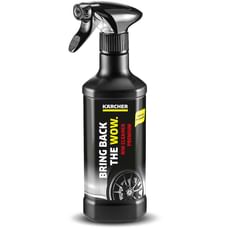
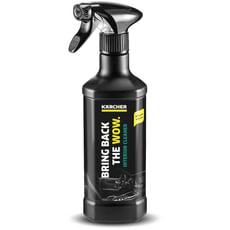
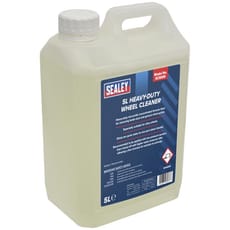
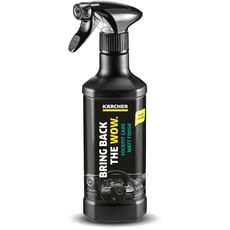
Maintaining a vehicle's appearance and protecting its surfaces requires more than just water and elbow grease. Car chemicals and sprays are specially formulated products designed to clean, protect, and enhance every part of a vehicle, from paintwork and glass to wheels and interior surfaces. Whether tackling stubborn traffic film on a fleet vehicle, removing brake dust from alloy wheels, or maintaining a showroom finish on a cherished car, the right chemical formulations make the difference between mediocre results and professional standards. Tooled-Up.com stocks a comprehensive range of car care products from trusted brands including Karcher and Sealey, both known for their effective formulations that deliver consistent results across professional and domestic applications.
The category encompasses everything needed for complete vehicle maintenance, including concentrated car shampoos that provide economical cleaning for high-volume users, traffic film removers that break down stubborn road grime, specialist wheel cleaners formulated to dissolve brake dust and iron fallout, streak-free glass cleaners, interior care products that protect dashboards and trim, and finishing products like polishes and waxes that provide long-lasting protection and shine. Many products are available as concentrates, offering excellent value for professional valeters and fleet operators who can dilute them to appropriate strengths for different cleaning tasks, whilst ready-to-use spray bottles provide convenience for occasional users and specific applications.
From pre-wash treatments that loosen contaminants before the main wash, through pH-neutral shampoos safe for regular use on protected paintwork, to protective waxes that shield surfaces from UV damage and harsh weather, having the right selection of car chemicals ensures you're equipped for any cleaning challenge. Professional mobile valeters, car wash operators, and automotive detailers rely on these products to achieve the high standards their customers expect, whilst DIY enthusiasts and classic car owners use the same professional-grade formulations to maintain their vehicles to showroom condition.
Jargon Buster
- TFR (Traffic Film Remover): A powerful alkaline detergent designed to break down and remove traffic film – the stubborn layer of road grime, diesel residue, and atmospheric pollution that accumulates on vehicle surfaces. Typically applied as a pre-wash treatment to dry vehicles before shampooing, allowing effective removal of heavy soiling without excessive scrubbing.
- Concentrate vs Ready-to-Use: Concentrate products require dilution with water at specified ratios (commonly 1:10 to 1:200 depending on application), offering better value and allowing strength adjustment for different tasks. Ready-to-use (RTU) products come in spray bottles pre-diluted for immediate application, ideal for convenience and specific spot cleaning.
- pH Neutral: Cleaning products with a neutral pH (around 7) that won't strip existing wax protection or damage paintwork, making them safe for regular maintenance washes whilst still providing effective cleaning. Most suitable for vehicles with ceramic coatings or recently applied wax protection.
- Cockpit Care: Specialist interior cleaning and protecting products designed for dashboard, door cards, and plastic trim surfaces. These formulations clean whilst leaving a protective finish that prevents fading and cracking from UV exposure, often available in matt or gloss finishes.
- Polymer Wax: Modern synthetic wax formulations that chemically bond to paintwork, providing durable protection against environmental contaminants whilst enhancing gloss and shine. Often easier to apply and longer-lasting than traditional carnauba waxes, requiring less frequent reapplication.
- Iron Fallout: Microscopic particles of brake dust and industrial fallout that embed into paintwork and wheels, appearing as small orange or brown spots. Specialist wheel cleaners and decontamination products dissolve these metallic contaminants, which can cause corrosion and pitting if left untreated.
Who Uses Car Chemicals & Sprays?
- Professional Valeters: Mobile and fixed-location vehicle cleaning specialists who require reliable, cost-effective products that deliver consistent professional results across multiple vehicles daily
- Car Wash Operators: Commercial car wash businesses, both automated and hand wash sites, using concentrate products for high-volume vehicle cleaning with controlled costs per vehicle
- Fleet Managers: Those responsible for maintaining company vehicles, from small business fleets to large commercial operations requiring presentable, well-maintained vehicles that reflect positively on brand image
- Automotive Detailers: Specialists offering premium vehicle preparation and detailing services, requiring high-quality chemicals for paint correction, decontamination, and protection work
- Car Dealerships: Vehicle preparation teams ensuring forecourt stock is presented in pristine condition to attract buyers and maximise sale values, with rapid turnaround between trade-in and display
- Mechanics and Garages: Workshop teams who need to clean customer vehicles after servicing and repair work, maintaining professional standards and customer satisfaction
- Taxi and Private Hire Drivers: Operators who must maintain clean, professional vehicles as part of licensing requirements and to ensure positive customer experiences
- Mobile Mechanics: Tradespeople who appreciate returning vehicles in better condition than received, adding value to their service offering
- DIY Enthusiasts: Home users who take pride in maintaining their own vehicles to professional standards, enjoying the satisfaction of achieving showroom results
- Classic Car Owners: Collectors and enthusiasts who require gentle yet effective products to preserve valuable vehicles without damaging original paintwork or delicate surfaces
How to Choose the Right Car Chemicals & Sprays
Consider Your Usage Frequency: Professional valeters cleaning multiple vehicles daily benefit significantly from concentrate products, which offer better value for money and allow bulk mixing. Calculate your typical weekly or monthly usage to determine cost per vehicle. For occasional home use, ready-to-use spray bottles from the Tooled-Up range provide convenience without requiring measuring equipment or storage of mixed solutions.
Match Products to Surface Types: Different areas of vehicles require different formulations to avoid damage. Paintwork needs pH-neutral or slightly alkaline cleaners, glass requires ammonia-free formulations to protect tints and seals, wheels often need acidic cleaners to dissolve brake dust, and interior plastics require gentle, non-solvent products. Never use acidic wheel cleaners on bodywork, and avoid solvent-based degreasers on interior surfaces where they can cause discolouration or brittleness.
Assess Cleaning Power Requirements: Light maintenance washes of regularly cleaned vehicles require only gentle pH-neutral shampoos, whilst heavily soiled commercial vehicles, construction site trucks, or agricultural equipment may need powerful TFR products applied before shampooing. Consider whether you typically encounter light dust, moderate road grime, or heavy contamination from specific working environments. Products with added wax provide additional protection but may not be suitable for vehicles awaiting paint correction or ceramic coating application.
Check Compatibility with Equipment: If using pressure washers or foam lances, ensure chemicals are suitable for your equipment type. Karcher products are specifically formulated to work optimally with their pressure washer systems, with correct viscosity for foam generation and chemical compatibility with seals and components. Universal products from brands like Sealey offer compatibility across different equipment brands. Always verify manufacturer guidance to avoid damaging pressure washer internals or voiding warranties.
Factor in Environmental and Safety Considerations: Look for biodegradable formulations, particularly if washing on surfaces where chemicals may enter drains or watercourses. Professional operators must consider COSHH requirements, ensuring appropriate handling, storage, and staff training for concentrated products. Check whether products require specific personal protective equipment and whether your premises have suitable storage facilities away from heat sources and incompatible materials.
Build a Complete System: Best results come from using complementary products in sequence – pre-wash treatment to loosen contaminants, shampoo for main cleaning, thorough rinsing, then protection products. Consider purchasing a range of products that work together as a system rather than mixing brands randomly, as chemical interactions can sometimes reduce effectiveness or cause residues. Starting with a basic kit of TFR, shampoo, glass cleaner, and wheel cleaner covers most requirements, with specialist products added as specific needs arise.
Popular Accessories
- Pressure Washers: Essential for applying TFR and pre-wash products effectively, creating foam for better dwell time, and achieving thorough rinsing that removes all chemical residues
- Foam Lances: Attachments for pressure washers that create thick, clinging foam allowing cleaning products extended contact time with surfaces for more effective cleaning
- Microfibre Cloths and Wash Mitts: Soft, non-scratching materials for applying and buffing products safely without creating swirl marks or scratches in paintwork
- Buckets and Grit Guards: For proper two-bucket washing technique that separates clean rinse water from dirty wash water, preventing dirt being reapplied to paintwork
- Spray Bottles and Measuring Jugs: For accurately decanting concentrates into appropriate ready-to-use solutions at correct dilution ratios
- Detailing Brushes: Soft brushes for agitating cleaners in difficult areas like grilles, badges, door shuts, and panel gaps where dirt accumulates
- Wheel Brushes: Specialist brushes with angled heads and soft bristles designed to reach into wheel barrels and around spoke patterns without scratching
- Applicator Pads: For applying wax and polish products evenly with minimal waste and consistent coverage across panels
- Chamois Leathers or Drying Towels: For achieving streak-free drying after washing, preventing water spots and speeding up finishing
- Protective Gloves and Safety Glasses: Essential when handling concentrated chemicals, particularly alkaline TFRs or acidic wheel cleaners that can irritate skin and eyes
Safety Information
Car chemicals contain active cleaning agents that require careful handling to ensure user safety and prevent damage to vehicle surfaces or surrounding areas. Always read product labels thoroughly before use and follow manufacturer dilution ratios precisely – using products at incorrect concentrations can cause surface damage, leave residues, or reduce cleaning effectiveness whilst wasting product.
Personal Protection: Wear appropriate nitrile or rubber protective gloves when handling concentrated products, particularly TFRs, wheel cleaners, and degreasers which can cause skin irritation or chemical burns. Safety glasses or goggles are advisable when spraying products overhead or in windy conditions to prevent eye contact. Ensure adequate ventilation when working with solvent-based products or when working in enclosed spaces like garages, as some products release fumes that can cause respiratory irritation or dizziness.
COSHH Compliance: Professional users must comply with Control of Substances Hazardous to Health regulations enforced by the HSE. Keep safety data sheets readily accessible for all products, ensure proper training for staff handling chemicals, and implement appropriate risk assessments covering storage, handling, application, and disposal. Store concentrated products securely in clearly labelled containers in cool, dry conditions away from heat sources, direct sunlight, and incompatible materials. Ensure mixing and decanting areas have appropriate spill containment and washing facilities.
Environmental Considerations: Be mindful of where wash water drains, as many local authorities prohibit washing vehicles on public roads where chemicals can enter storm drains and watercourses untreated. Use designated wash areas with appropriate drainage leading to foul sewers where possible, or use commercial facilities with proper treatment systems. Never allow concentrated chemicals to enter drains undiluted. Choose biodegradable formulations where available, particularly for mobile operations without controlled drainage.
Storage and Handling: Keep products in original containers with labels intact so you can always identify contents and refer to usage instructions. Store in a cool, dry location away from direct sunlight, as heat can degrade some formulations or increase pressure in sealed containers. Keep products away from children and pets in secure storage. Never mix different chemical products unless specifically instructed by manufacturers, as dangerous reactions producing toxic fumes or heat can occur. Dispose of empty containers according to local authority guidelines, and never reuse chemical containers for other purposes.
Frequently Asked Questions
What's the difference between car shampoo and TFR?
TFR (Traffic Film Remover) is a powerful alkaline pre-wash detergent designed to break down heavy soiling, road film, diesel residue, and stubborn grime before the main wash. It's typically applied to a dry vehicle using a spray bottle or foam lance, allowed to dwell for several minutes, then rinsed off thoroughly. Car shampoo is a gentler product used with water and a wash mitt during the main cleaning stage, designed to be safe on waxed surfaces whilst providing effective cleaning and lubrication to prevent scratching during contact washing. Using TFR first removes the worst contamination, allowing the shampoo stage to clean and enhance rather than just shift heavy dirt.
Can I use car chemicals with my pressure washer?
Yes, most car chemicals are compatible with pressure washers, though application methods vary by product type and equipment. Some concentrates can be drawn through the pressure washer's detergent intake system, whilst others are better applied via foam lances or pre-spray bottles before rinsing with the pressure washer. Karcher products available from Tooled-Up are specifically formulated for their pressure washer systems, with correct viscosity for foam generation and chemical compatibility with internal seals and components. Always check product instructions and your pressure washer manual to ensure chemicals won't damage seals, pumps, or void warranties.
How much concentrate should I use?
Dilution ratios vary significantly by product and application. Typical ratios range from 1:10 (100ml per litre) for heavy-duty TFR applications on very dirty vehicles, through 1:100 (10ml per litre) for standard car shampoo maintenance washing, up to 1:200 for light refreshing of recently cleaned vehicles. Always follow manufacturer guidelines printed on product labels, as formulations vary in strength. Using too much concentrate wastes product and can leave sticky residues that attract dirt or cause streaking, whilst too little won't clean effectively. Measuring accurately and keeping notes on which ratios work best for your typical soiling levels helps achieve consistent results and control costs.
Are car chemicals safe on all vehicle surfaces?
No, different products are formulated for specific surfaces and must be used appropriately. General car shampoos are safe on paintwork, glass, rubber seals, and plastic trim. However, acidic wheel cleaners should only be used on wheels and must be rinsed promptly to avoid damage to certain alloy finishes or exposure to brake components. Interior cleaners are formulated differently to exterior products, with lower pH and no harsh degreasers. Never use solvent-based degreasers on painted surfaces where they can damage clear coats, or on interior plastics where they cause discolouration and brittleness. Always test products on inconspicuous areas first if unsure, and never allow products to dry on surfaces before rinsing.
Do products with wax really provide protection?
Yes, car shampoos and polishes with wax additives do provide a degree of protection, though not as durable or substantial as dedicated wax applications. Shampoos with wax help maintain existing protection layers and add a light coating of polymers that enhance gloss, improve water beading, and provide some barrier against environmental contaminants. However, these are gradually removed with subsequent washes. For long-lasting protection, use a dedicated polish and wax product after washing. These provide much more substantial and durable protection against UV rays that fade paintwork, road salt that causes corrosion, bird droppings, tree sap, and other environmental contaminants, typically lasting several months with proper maintenance.