
Car Clamps

Pay in 3 interest-free payments on purchases from £20-£3000 with  . Learn more.


Loading...
End of content
Error - No more pages to load
About Car Clamps
Car clamps are essential security and immobilisation devices designed to prevent unauthorised movement of vehicles, trailers, caravans, and motorcycles. These robust mechanical restraints serve multiple purposes across professional and private applications, from parking enforcement and vehicle recovery operations to protecting valuable equipment from theft on building sites and forecourts. Available in various configurations including wheel clamps, claw clamps, and jockey wheel assemblies, these devices combine high-visibility deterrent properties with tamper-resistant construction to provide reliable security in all weather conditions.
The car clamps available from Tooled-Up.com feature heavy-duty steel construction with powder-coated finishes, typically in high-visibility yellow and red colourways that act as an immediate visual deterrent. Modern designs incorporate adjustable mechanisms to accommodate different wheel sizes, quick-release systems for authorised users, and protective padding to prevent damage to alloy wheels. Professional-grade models include hardened steel locking mechanisms with anti-drill and anti-pick protection, whilst jockey wheel clamps combine mobility functionality with secure vehicle positioning for trailers and caravans.
Whether securing vehicles during recovery operations, managing parking enforcement, protecting motor trade inventory, or safeguarding personal vehicles in storage, quality car clamps deliver peace of mind through proven mechanical restraint. Sealey, a trusted manufacturer in automotive security equipment, provides a comprehensive range of wheel clamps and accessories designed to meet both professional standards and private security requirements, with models suitable for everything from motorcycles to standard passenger vehicles.
Jargon Buster
- Claw Clamp: A specific wheel clamp design featuring adjustable claw-like arms that grip around the tyre and wheel rim simultaneously. The ratchet action allows quick application and removal, with plastic-sleeved claws protecting alloy wheels from scratching whilst preventing rotation.
- Wheel Boot: Alternative term for a wheel clamp, particularly in parking enforcement contexts. These mechanical devices attach to a vehicle's wheel, completely preventing the vehicle from being driven away until removed by authorised personnel with the correct key.
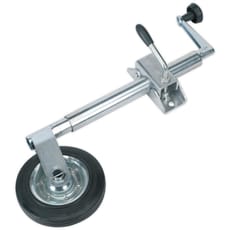
- Jockey Wheel Assembly: A retractable wheel fitted to the front of trailers and caravans, used for manoeuvring when disconnected from the towing vehicle. Clamp-style jockey wheels combine this mobility function with secure locking to prevent unauthorised movement.
- Tamper-Resistant Lock: Specialised locking cylinders designed to withstand picking, drilling, and forceful removal attempts. These feature hardened steel cores, protective housings, and unique key patterns to maintain security under attack.
- Powder-Coated Finish: A durable protective coating applied electrostatically and heat-cured, offering superior resistance to corrosion, scratches, and weathering compared to standard paint. Essential for equipment exposed to outdoor conditions and road salt.
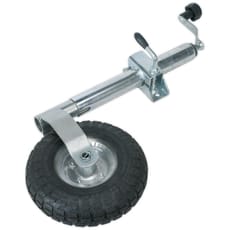
- Pneumatic Wheel: An air-filled tyre used on jockey wheel assemblies, providing cushioned movement across uneven surfaces such as gravel drives and building sites. Requires periodic inflation but offers superior manoeuvrability compared to solid rubber alternatives.
Who Uses Car Clamps?
- Vehicle Recovery Operators: Professionals securing vehicles during transportation, storage, or breakdown recovery to prevent unauthorised movement
- Parking Enforcement Officers: Local authority and private parking management personnel immobilising illegally parked vehicles in accordance with regulations
- Motor Traders and Dealers: Forecourts, auction houses, and dealerships protecting inventory from theft or unauthorised test drives
- Caravan and Trailer Owners: Private individuals and hire companies securing recreational vehicles and trailers when stored at home, on sites, or in compounds
- Construction Site Managers: Site supervisors protecting valuable plant machinery, vehicles, and equipment from opportunistic theft on unsecured sites
- Automotive Workshops: Mechanics and technicians securing customer vehicles during extended repairs or awaiting collection outside working hours
- Fleet Managers: Businesses managing multiple vehicles needing to immobilise specific units for maintenance, administrative reasons, or security protocols
- Event Organisers: Temporary parking management at festivals, shows, and outdoor events where vehicle security and crowd control are required
- Private Vehicle Owners: Individuals seeking additional security for classic cars, motorcycles, or high-value vehicles stored at home, in garages, or remote locations
How to Choose the Right Car Clamps
Vehicle Type and Wheel Compatibility: Determine what you'll be clamping before purchasing. Standard car wheel clamps typically accommodate wheel widths from 185mm to 290mm, covering most passenger vehicles. Motorcycle-specific clamps feature narrower profiles, whilst commercial vehicles may require heavy-duty models with extended adjustment ranges. Measure your vehicle's tyre width (found on the sidewall, such as 205/55R16 where 205mm is the width) and verify compatibility with the clamp's adjustable range. Adjustable claw-style clamps offer versatility for users securing multiple vehicle types.
Security Level and Construction: Assess the theft risk in your area and the value of what you're protecting. High-security clamps feature hardened steel construction, tamper-resistant locks, and anti-drill protection that withstand forceful removal attempts. Professional-grade models from manufacturers like Sealey use heavy-gauge steel with powder-coated finishes for superior weather resistance and longevity. For parking enforcement applications, ensure models comply with relevant UK regulations and provide sufficient visual deterrent through high-visibility colouring.
Application Speed and Ergonomics: If you'll be fitting and removing clamps regularly throughout the day, prioritise designs with quick-release mechanisms and manageable weight. Claw clamps with simple ratchet actions allow rapid deployment without touching wheels or tyres, keeping hands clean during operation. Consider models with carrying handles and ergonomic features that reduce strain during repeated applications, particularly important for vehicle recovery operators and parking enforcement professionals.
Wheel Protection Features: Quality clamps designed for modern vehicles include protective padding or plastic-sleeved contact points that prevent scratching or denting alloy wheels. This consideration is essential for motor traders and workshops handling customer vehicles where damage could result in costly claims. Verify that adjustment mechanisms include protective materials at all contact points and that the clamp distributes pressure evenly across the tyre and rim.
Storage and Portability Requirements: Vehicle recovery operators and parking enforcement officers need clamps they can transport efficiently. Consider the total weight if carrying multiple units, and look for compact designs that nest together or include storage brackets to maximise vehicle space. Models with protective padding prevent damage during transit, whilst organised storage solutions ensure clamps remain accessible and ready for deployment.
Popular Accessories
- Replacement Locks and Keys: Spare locking cylinders and duplicate keys to prevent access issues and enable multiple authorised users across teams
- Jockey Wheel Replacement Tyres: Both pneumatic and solid wheel options for refurbishing worn jockey wheel assemblies, maintaining smooth operation
- Warning Signs and Labels: Adhesive or magnetic notices explaining clamping policies and removal procedures for parking enforcement compliance
- Wheel Clamp Covers: Weather-resistant protective covers that shield locking mechanisms from corrosion during extended outdoor storage periods
- Security Chains and Padlocks: Additional securing devices for linking clamps to fixed ground anchors or protecting valuable trailers with multiple restraints
- Maintenance Lubricants: Weatherproof greases and anti-seize compounds for keeping moving parts, adjustment mechanisms, and locks functioning smoothly
- Storage Brackets: Wall-mounted or vehicle-mounted holders for organised clamp storage between uses in workshops or service vehicles
- Ground Anchors: Permanent or portable anchor points for securing vehicles with chains in combination with wheel clamps for maximum security
Safety Information
Manual Handling Considerations: Car clamps can be substantial pieces of equipment, with some models weighing over 15kg. Follow HSE manual handling guidelines when lifting and positioning clamps to prevent injury. Bend at the knees rather than the waist, keep the load close to your body, and avoid twisting movements whilst carrying. Consider the cumulative strain if applying multiple clamps throughout the day, particularly for vehicle recovery operators and parking enforcement professionals. Use trolleys or carrying aids where practical, and never attempt to lift clamps that exceed your safe handling capacity.
Correct Application Technique: Always ensure clamps are correctly fitted according to manufacturer instructions to maintain security and prevent damage. Incorrectly positioned clamps may damage wheel rims, fail to adequately immobilise the vehicle, or become dislodged during tampering attempts. Verify that all locking mechanisms are fully engaged before leaving the vehicle unattended. Never apply clamps to damaged, corroded, or structurally compromised wheels that might fail under the stress of restraint or removal attempts.
Public Safety Awareness: When using clamps for parking enforcement or in public areas, ensure adequate warning signage is visible to prevent pedestrian accidents. Sharp edges and protruding adjustment mechanisms can cause injury, particularly to children who may not recognise the hazard. Position clamped vehicles away from pedestrian thoroughfares where possible, and apply high-visibility markings in low-light areas or car parks. Consider the placement of clamps to avoid creating trip hazards or obstructions in busy areas.
Storage and Maintenance: Store clamps in dry conditions to prevent corrosion of locking mechanisms and adjustment components. Regularly inspect all parts for wear, paying particular attention to locking cylinders, ratchet mechanisms, protective padding, and structural welds. Replace worn or damaged components immediately to maintain security effectiveness and prevent failure during use. Apply weatherproof lubricant to moving parts and locks periodically, avoiding oil-based products that attract dirt and debris. Clean clamps after use to remove road salt, mud, and contaminants that accelerate corrosion.
Frequently Asked Questions
What size wheel clamp do I need for my vehicle?
Most standard car wheel clamps accommodate tyre widths between 185mm and 290mm, covering the majority of passenger vehicles from small hatchbacks to large saloons and SUVs. To determine compatibility, check the tyre width measurement on your sidewall (such as 205/55R16 where 205mm is the width) and verify this falls within the clamp's adjustable range. The selection at Tooled-Up.com includes models suitable for various applications: motorcycle owners require specialist narrow-profile clamps, whilst commercial vehicle operators may need heavy-duty models with extended adjustment capabilities. Adjustable claw clamps offer versatility if you're securing multiple vehicle types across a fleet or forecourt.
Are wheel clamps legal for private use in the UK?
Yes, vehicle owners can legally clamp their own vehicles on private property for security purposes without restriction. However, clamping someone else's vehicle on private land is subject to strict regulations following the Protection of Freedoms Act 2012, which banned most private parking enforcement clamping in England and Wales. Scotland operates under separate legislation with different provisions. If you're considering wheel clamps for commercial parking management or enforcement, always verify current regulations with your local authority and ensure compliance with signage requirements, release procedures, and maximum charges. Private security use for your own vehicles faces no such restrictions and remains an effective theft deterrent.
How do I maintain my wheel clamp in good working order?
Regular maintenance extends the service life of your clamp and ensures reliable security performance. After each use, particularly in winter months, clean your clamp thoroughly to remove road salt, mud, and debris that accelerate corrosion. Apply a thin layer of weatherproof grease to moving parts, adjustment mechanisms, and ratchet systems every few months. Keep the locking cylinder lubricated with graphite powder or specialist lock lubricant—avoid oil-based products that attract dirt and can gum up mechanisms. Store clamps in dry conditions when not in use, ideally indoors or under protective covers. Inspect for damage, wear, or loose components before each application, and replace worn parts immediately to maintain security integrity and prevent failures during use.
Can wheel clamps damage my alloy wheels?
Quality wheel clamps designed for modern vehicles include protective padding or plastic-sleeved contact points that prevent scratching or denting alloy wheels when correctly applied. Sealey models, for example, feature plastic sleeves on claw arms specifically to protect alloy finishes whilst maintaining secure grip. Always position the clamp according to manufacturer guidelines, ensuring it grips the tyre and rim evenly without concentrating force on vulnerable areas. Avoid overtightening adjustment mechanisms beyond what's necessary to secure the wheel—excessive force can cause damage. Never force a clamp onto wheels outside its designed size range. Correctly applied clamps from reputable manufacturers should not damage wheels, but always verify protective features are present before purchasing if you're securing vehicles with expensive alloy wheels.
What's the difference between pneumatic and solid jockey wheels?
Pneumatic jockey wheels feature air-filled tyres that provide cushioned movement across rough ground, making manoeuvring significantly easier on uneven surfaces like gravel drives, building sites, or grass pitches. The shock absorption reduces strain when moving loaded trailers and caravans over bumps and obstacles. However, pneumatic wheels require periodic inflation checks and can suffer punctures, potentially leaving you unable to move your trailer. Solid rubber wheels are completely maintenance-free and puncture-proof, offering maximum reliability regardless of surface conditions or storage duration. They provide a firmer ride with less shock absorption but eliminate the risk of deflation. Choose pneumatic for frequent movement across varied terrain where manoeuvrability is paramount, or solid wheels for occasional use on smooth surfaces and applications where absolute reliability matters more than cushioned movement.