

Carabiners & Rope

Pay in 3 interest-free payments on purchases from £20-£3000 with  . Learn more.

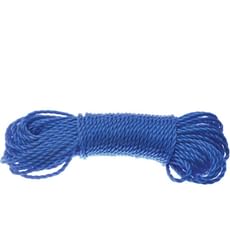
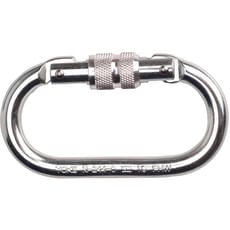
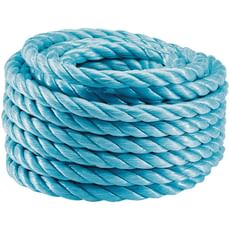
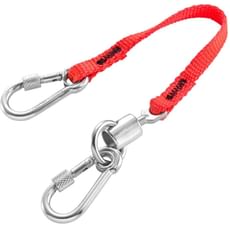
 Loading...
End of content
Error - No more pages to load
About Carabiners & Rope
Carabiners and rope form the backbone of safe working practices across countless professional applications, from working at height and rigging operations to load securing and rescue scenarios. These essential components connect workers to safety systems, secure tools and materials, and enable controlled movement in challenging environments. Tooled-Up.com stocks a comprehensive range of industrial-grade carabiners and rope designed to meet the demanding requirements of UK tradespeople, including steel and aluminium carabiners with screw gate, twist lock, and snap hook configurations, alongside synthetic and natural fibre ropes, wire rope, and specialised cordage for lifting, hauling, and general securing applications.
The selection available from Tooled-Up includes equipment compliant with EN362, EN1891, and other relevant British and European standards, ensuring that professional users can source certified products suitable for life-safety applications, load management, and tool tethering. Whether you're a roofer securing yourself whilst working on pitched surfaces, an arborist rigging tree sections for controlled lowering, or a facilities manager conducting overhead maintenance, the right carabiner and rope combination provides both safety assurance and operational efficiency. All professional-grade equipment features clearly marked load ratings, breaking strengths, and working load limits, allowing competent users to select appropriate specifications for their specific applications.
Understanding the critical differences between equipment types—such as static versus dynamic rope characteristics, steel versus aluminium carabiner construction, and various gate mechanisms—enables informed decision-making that balances safety requirements with practical considerations like weight, durability, and ease of use. With HSE regulations mandating strict compliance for working at height and lifting operations, selecting properly certified carabiners and rope isn't just good practice—it's a legal requirement for UK worksites.
Jargon Buster
- Breaking Strength (BS): The maximum load a carabiner or rope can withstand before failure, typically measured in kilonewtons (kN). Professional equipment should have a minimum breaking strength well above the expected working load to provide adequate safety margins.
- Working Load Limit (WLL): The maximum weight that equipment is designed to handle during normal use, calculated as a fraction of the breaking strength with an appropriate safety factor built in. For general rigging, HSE guidance typically recommends a 5:1 safety factor.
- Gate Opening: The maximum clearance when a carabiner gate is fully open, measured in millimetres. This dimension determines what size fixtures, rope diameters, or equipment the carabiner can accommodate, affecting versatility and application suitability.
- Elongation: The amount a rope stretches under load, expressed as a percentage. Low-elongation static ropes are preferred for work positioning and hauling where precise control is needed, whilst high-elongation dynamic ropes provide essential shock absorption for fall arrest scenarios.
- EN Standards: European safety standards that carabiners and rope must meet for professional use on UK worksites. EN362 covers carabiners and connectors, whilst EN1891 specifies low-stretch kernmantel rope for work access and rescue applications.
- Major Axis Loading: Loading a carabiner along its strongest orientation—the spine from top to bottom. Carabiners are designed and rated for major axis loading; cross-loading or gate-loading dramatically reduces strength and can lead to catastrophic failure.
Who Uses Carabiners & Rope?
Carabiners and rope are indispensable across numerous trades and industries:
- Roofers and scaffolders securing themselves and materials when working at height
- Arborists and tree surgeons for climbing, rigging, and controlled lowering operations
- Window cleaners and facade maintenance teams using rope access techniques
- Industrial riggers and lifting operatives managing heavy loads and machinery installation
- Construction and building contractors for general securing, hauling, and temporary installations
- Maintenance engineers and facilities managers conducting overhead repairs and equipment access
- Rescue services and emergency response teams requiring certified life-safety equipment
- Marine and offshore workers securing equipment in challenging saltwater environments
- Warehouse and logistics operatives for load securing and material handling
- Event riggers and stage technicians installing lighting, sound systems, and temporary structures
- Telecommunications engineers accessing towers and masts for equipment maintenance
How to Choose the Right Carabiners & Rope
Load Requirements: Calculate the maximum loads your equipment will encounter, including dynamic forces if applicable. Always select carabiners and rope with a working load limit that exceeds your requirements with an adequate safety margin. HSE guidance typically recommends a minimum safety factor of 5:1 for general rigging applications, though life-safety equipment has specific minimum ratings defined by relevant standards.
Gate Type and Security: Screw gate carabiners provide positive locking for permanent or semi-permanent connections, whilst snap hooks offer quick attachment for tool tethering and frequent repositioning. Twist-lock and auto-locking gates provide security without requiring manual thread engagement, ideal for situations where you're working with gloved hands or need rapid connections. Consider whether the gate opening dimension is sufficient for your intended fixtures and rope diameters.
Material Construction: Steel carabiners offer superior strength and exceptional durability for heavy-duty rigging, harsh environments, and applications involving abrasion or edge loading, though they add significant weight. Aluminium variants provide excellent strength-to-weight ratios, making them ideal for work positioning and tool tethering where weight accumulation matters over a full shift or when multiple units are carried.
Rope Type and Construction: Synthetic ropes manufactured from polyester, polypropylene, or nylon resist rot and mildew, making them suitable for outdoor use and storage in damp conditions. Natural fibre ropes like manila may be preferred for specific applications or traditional rigging methods. Wire rope provides the highest strength for lifting operations and situations involving heat or abrasion. Consider whether you need static (low-stretch) characteristics for work positioning or dynamic (shock-absorbing) properties for fall arrest scenarios.
Diameter and Length: Rope diameter affects handling characteristics, strength, and compatibility with other equipment like pulleys and rope grabs. Thicker diameters generally provide higher breaking strengths and better grip but can be less flexible and more challenging to handle. Ensure your rope length allows adequate working distance whilst remaining manageable on site—excessively long rope creates trip hazards and complicates storage.
Standards Compliance: For professional use on UK worksites, ensure all equipment meets relevant EN standards and carries proper certification markings with traceability to the manufacturer. This isn't just good practice—it's essential for insurance validity, legal compliance, and HSE requirements. Equipment used for lifting operations must comply with LOLER regulations, whilst work at height activities fall under the Work at Height Regulations 2005.
Popular Accessories
- Rope protectors and edge guards preventing damage when rope runs over sharp surfaces or building edges
- Pulleys and descenders for rope access systems and load hauling applications
- Rope bags and storage solutions keeping cordage organised, clean, and protected from contamination
- Connectors and shackles creating secure attachment points between different system components
- Harnesses and lanyards for personal fall protection systems compliant with current regulations
- Thimbles and ferrules for terminating wire rope professionally with maintained strength ratings
- Rope grabs and ascenders enabling safe progression along fixed lines during climbing or positioning
- Tool tethers and attachment points preventing dropped objects from height—a major hazard on construction sites
- Inspection tags and record books maintaining compliance with regular equipment examination requirements
- Karabiner storage racks keeping equipment organised and preventing damage during transport
Safety Information
Working with carabiners and rope involves significant safety considerations that must never be overlooked. All equipment used for working at height or lifting operations must be regularly inspected by a competent person in accordance with LOLER (Lifting Operations and Lifting Equipment Regulations) and PUWER (Provision and Use of Work Equipment Regulations) requirements. Visual inspections should occur before each use, checking for deformation, cracks, excessive wear, corrosion, or gate malfunction on carabiners, and cuts, abrasion, contamination, or inconsistent diameter on rope.
Never exceed the working load limit of any equipment, and retire from service any carabiners or rope that have been subjected to shock loading, even if no visible damage is apparent—internal structural damage may have occurred that compromises integrity. Equipment involved in arresting a fall must be withdrawn immediately and inspected by a competent person before any further use. Keep detailed records of inspections, maintenance, and usage, and ensure all users receive appropriate training for the specific equipment and applications they'll encounter.
Carabiners should only be loaded along the major axis (spine) unless specifically rated for alternative loading configurations. Cross-loading or gate-loading dramatically reduces strength—often to less than one-third of the rated capacity—and can lead to catastrophic failure. When working with rope, always protect it from sharp edges, chemicals, heat sources, and excessive UV exposure, all of which can degrade strength without obvious visual signs. Store all equipment in a clean, dry environment away from corrosive substances, battery acid, and solvents, and follow manufacturer guidelines for maximum service life—typically 10 years from manufacture for synthetic rope and carabiners, though working conditions may necessitate considerably earlier retirement.
Frequently Asked Questions
What's the difference between a carabiner and a karabiner?
These terms are interchangeable—both refer to the same coupling device. "Karabiner" reflects the German origin of the word, whilst "carabiner" is the more common anglicised spelling in the UK. The important distinction is between recreational carabiners used for sport climbing and industrial-rated carabiners that meet EN362 or similar standards for professional use on worksites. Industrial carabiners undergo more rigorous testing and certification processes suitable for life-safety and load-bearing applications.
How often should carabiners and rope be inspected?
Visual inspection should occur before every use, checking for obvious damage, wear, or malfunction. Additionally, LOLER regulations require thorough examination by a competent person at intervals not exceeding 6 months for lifting equipment, or 12 months for work positioning equipment. Any equipment showing signs of damage, subjected to shock loading, or involved in arresting a fall should be withdrawn immediately and professionally inspected before returning to service. Maintain written records of all inspections as required by HSE regulations.
Can I use climbing rope for work access or rigging?
No—climbing rope and industrial work rope are designed for different applications with distinct safety characteristics. Work access and positioning require low-stretch static rope meeting EN1891 standards, providing minimal elongation for precise positioning and hauling. Dynamic climbing rope is designed to absorb fall energy through controlled elongation, making it unsuitable for work positioning where stretch could position a worker dangerously close to lower hazards. Always use equipment specifically designed and certified for your intended application.
What safety factor should I use when selecting rope and carabiners?
HSE guidance typically recommends a minimum safety factor of 5:1 for general rigging and securing applications—meaning the breaking strength should be at least five times your maximum expected load. For life-safety equipment like fall arrest systems, minimum ratings are specified in relevant standards (for example, EN362 requires carabiners to withstand 20kN along the major axis). Higher safety factors may be appropriate where dynamic loading, vibration, shock loads, or harsh environments are factors. When in doubt, consult with a competent person or the equipment manufacturer.
How do I know when rope needs replacing?
Replace rope immediately if you observe cuts or abrasions penetrating to core fibres, inconsistent thickness indicating internal damage, excessive stiffness or glazing from heat exposure, discolouration from chemical contamination, flattening under normal load, or fuzzy appearance with numerous broken external fibres. Even without visible damage, manufacturers typically specify maximum service lives (often 10 years from manufacture, considerably less with intensive use). Maintain detailed usage records—rope used daily in harsh conditions may need replacement within 1-2 years, whilst lightly-used rope in protected environments may last significantly longer within the manufacturer's maximum lifespan. When uncertain, err on the side of caution and retire the rope from service.