

Carbon Monoxide Detectors
Pay in 3 interest-free payments on purchases from £30-2000 with  . Learn more.
 Loading...
End of content
Error - No more pages to load
About Carbon Monoxide Detectors
Carbon monoxide detectors are essential life-safety devices designed to monitor air quality and alert occupants to the presence of carbon monoxide (CO), a colourless, odourless, and highly toxic gas produced by incomplete combustion of fuels. These alarms continuously analyse the atmosphere in homes, workplaces, and commercial properties, triggering a loud audible warning when dangerous CO concentrations are detected, providing crucial time to evacuate and summon emergency services. Whether you're a Gas Safe registered engineer installing heating systems, a landlord fulfilling legal obligations, or a homeowner protecting your family, reliable carbon monoxide detection is not just recommended—it's often a legal requirement and absolutely vital wherever fuel-burning appliances are present.
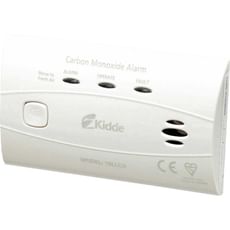
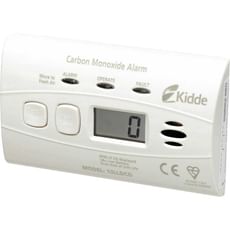
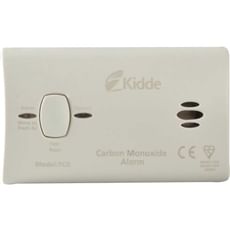
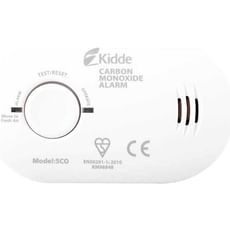
Tooled-Up.com stocks a comprehensive range of carbon monoxide alarms to suit different applications and budgets. Long-life sealed battery models from trusted manufacturers like Kidde offer 7-year or 10-year operational lifespans, eliminating the hassle and potential safety gaps associated with regular battery changes. Digital display models provide real-time CO concentration readings in parts per million (PPM), allowing heating engineers and homeowners to identify potential appliance issues before they become critical emergencies, whilst standard audible-only detectors deliver reliable protection at economical price points. All quality carbon monoxide alarms meet or exceed British Standard EN 50291, ensuring they've been rigorously tested for performance and reliability in UK conditions.
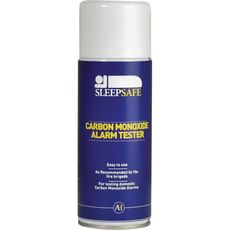
For professional tradespeople working with boilers, gas fires, oil heaters, wood burners, and other fuel-burning appliances, carbon monoxide detectors represent an integral component of compliant and safe installations. The Tooled-Up range includes professional testing equipment such as CO alarm tester spray from Arctic Hayes, enabling gas engineers and heating technicians to verify alarm functionality during commissioning, annual servicing, and safety inspections. This testing capability ensures compliance with Gas Safe regulations and provides documented evidence that safety systems are operational, protecting both tradespeople and their clients.
Jargon Buster
- PPM (Parts Per Million) – The standard measurement unit for carbon monoxide concentration in air. Exposure to 50 PPM over eight hours represents the maximum safe workplace exposure level, whilst concentrations above 400 PPM can prove life-threatening within hours. Digital CO alarms display real-time PPM readings.
- EN 50291 – The European standard adopted as a British Standard that specifies performance requirements and test methods for carbon monoxide alarms in domestic premises. Compliance with EN 50291 ensures detectors meet minimum sensitivity, reliability, and durability criteria for UK use.
- Sealed Battery Unit – Carbon monoxide detectors featuring non-replaceable, long-life lithium batteries that power the alarm throughout its entire operational lifespan, typically 7-10 years. These eliminate battery replacement costs and reduce the risk of detectors becoming non-functional due to flat batteries.
- Electrochemical Sensor – The detection technology used in quality CO alarms that employs chemical reactions to accurately measure carbon monoxide concentrations with minimal false alarms. Electrochemical sensors prove significantly more reliable than cheaper semiconductor-based alternatives found in budget detectors.
- End-of-Life Warning – An audible chirp or visual indicator that signals when a carbon monoxide detector has reached the end of its operational lifespan and requires replacement. This typically occurs after 7-10 years when the electrochemical sensor degrades and becomes unreliable, regardless of apparent functionality.
- Peak Level Memory – A feature available on digital carbon monoxide alarms that records and displays the highest CO concentration detected since the last reset. This proves invaluable for heating engineers diagnosing intermittent appliance problems that may not be present during site visits.
Who Uses Carbon Monoxide Detectors?
- Gas Safe Registered Engineers – installing and certifying CO alarms as mandatory components of boiler and gas appliance installations
- Heating Engineers and Technicians – fitting detectors near oil-fired boilers, solid fuel stoves, biomass heating systems, and wood burners
- Plumbers – incorporating CO detection into central heating system installations, upgrades, and maintenance programmes
- Electricians – installing 240v mains-powered or hardwired carbon monoxide alarm systems in residential and commercial properties
- Landlords and Letting Agents – ensuring rental properties comply with The Smoke and Carbon Monoxide Alarm (England) Regulations 2015 and equivalent legislation across the UK
- Property Maintenance Professionals – servicing, testing, and replacing CO detectors during routine inspections and safety audits
- Building Contractors and Site Managers – installing alarms in new-build properties, renovations, and conversions to meet Building Regulations requirements
- Homeowners and DIY Enthusiasts – protecting families by installing detectors near fuel-burning appliances and conducting regular testing
- Caravan and Motorhome Owners – fitting compact CO alarms in recreational vehicles equipped with gas appliances and portable heaters
- Fire Safety Officers and Compliance Managers – ensuring commercial premises have adequate carbon monoxide detection where fuel-burning equipment is present
How to Choose the Right Carbon Monoxide Detectors
Power Source and Operational Lifespan: Sealed battery units offering 7-year or 10-year operational life provide maximum convenience and reliability, eliminating battery replacement requirements and reducing maintenance costs. The Kidde range available at Tooled-Up includes both 7-year and 10-year models with sealed lithium batteries. Ten-year detectors offer better long-term value, particularly for landlords managing multiple properties, whilst 7-year models represent economical protection for owner-occupiers. Although replaceable battery models cost less initially, they require annual battery changes and still need complete unit replacement after 7-10 years when sensors degrade.
Display Type and Monitoring Features: Digital carbon monoxide alarms display real-time CO concentrations in PPM and typically include peak level memory, making them invaluable for heating engineers diagnosing intermittent appliance problems or for homeowners wanting detailed environmental monitoring. Standard audible-only alarms cost less whilst still providing essential detection and warning capabilities that meet regulatory requirements for most residential applications. Consider digital models for professional use or properties with older appliances where monitoring trends proves beneficial.
Standards Compliance and Certification: Always specify detectors complying with EN 50291 to ensure reliable performance and legal compliance. Products from established manufacturers like Kidde offer proven track records in life-safety equipment, comprehensive warranties matching operational lifespans, and technical support for professional installers. Check that certification covers the specific model variant, as some budget detectors claim standard compliance without proper third-party testing verification.
Installation Location Requirements: Consider mounting location when selecting detectors, as most should be positioned at head height (1-2 metres from floor level) and 1-3 metres from potential CO sources such as boilers, gas fires, or wood burners. Some models suit ceiling mounting whilst others perform optimally on walls. Avoid locations near windows, doors, or extraction fans where air currents might affect readings. Always follow manufacturer guidance and Building Regulations approved documents for optimal placement.
Professional Testing Capability: For heating engineers, Gas Safe registered installers, and maintenance technicians, access to CO alarm tester spray proves essential for commissioning work and annual servicing. The Arctic Hayes tester spray available from Tooled-Up allows professionals to verify alarm response correctly without exposing sensors to dangerous actual carbon monoxide concentrations, providing documented proof of functionality for compliance records and customer certification.
Warranty Coverage and Replacement Planning: Quality carbon monoxide detectors typically include warranties matching their operational lifespan—often 7-10 years from leading manufacturers. Remember that electrochemical sensors degrade over time, making replacement at rated lifespan end crucial for maintaining protection, even if electronics and sounders still function. Factor replacement costs into property maintenance budgets and set calendar reminders, as expired detectors provide false security whilst offering no actual protection.
Popular Accessories
- CO Alarm Tester Spray – essential testing equipment for Gas Safe engineers and heating professionals to verify alarm functionality during installation, commissioning, and annual servicing visits
- Smoke Alarms and Detectors – complementary life-safety devices required alongside CO detectors in residential properties under UK fire safety regulations
- Heat Alarms – additional fire detection for kitchens, garages, and utility rooms where smoke alarms may cause nuisance false activations
- Alarm Mounting Brackets and Fixings – supplied with most detectors but available separately for replacement installations on different surface types
- Flue Gas Analysers – professional diagnostic equipment for heating engineers to measure combustion efficiency and carbon monoxide production from appliances
- Warning Labels and Safety Signage – to identify CO alarm locations and emergency procedures in commercial properties, rental accommodation, and HMOs
- Multi-Tool Sets – for professional installation work, including brands like Knipex and Wera for quality and reliability
Safety Information
Regular Testing is Essential: Test your carbon monoxide detector weekly using the built-in test button to verify the alarm sounder, electronics, and battery are functioning correctly. Never attempt testing with actual CO gas sources—use only the test button or approved tester spray designed for this purpose. If your alarm fails the test button check, replace it immediately regardless of age, as you cannot rely on non-functional detectors for protection.
Responding to Alarm Activation: If your CO alarm sounds, treat it as a genuine emergency, not a malfunction. Immediately evacuate all occupants from the property, open windows and doors if safe to do so without delaying evacuation, turn off fuel-burning appliances at the mains or gas supply, and call the Gas Emergency Services on 0800 111 999 for gas appliances or seek appropriate emergency help for other fuel types. Do not re-enter the property until it has been declared safe by qualified Gas Safe engineers or other relevant professionals. Seek medical attention for anyone experiencing symptoms of carbon monoxide poisoning including headaches, dizziness, nausea, or confusion.
Mandatory Replacement Requirements: Carbon monoxide detectors have finite operational lifespans, typically 7-10 years depending on the model. The electrochemical sensor degrades progressively over time, rendering older units unreliable even if they appear to function normally during test button checks. Always replace detectors immediately when the end-of-life warning activates or when the manufacturer's expiry date printed on the unit is reached. Expired detectors provide no protection and create dangerous false confidence.
Maintenance Does Not Replace Detection: CO alarms protect against unexpected appliance failures and deterioration but do not substitute for proper servicing of fuel-burning equipment. Gas appliances require annual servicing by Gas Safe registered engineers, whilst oil-fired boilers, solid fuel stoves, and wood burners need regular professional maintenance according to manufacturer schedules. Proper appliance maintenance prevents carbon monoxide production, whilst detectors provide emergency warning if problems develop between services.
Legal Installation Requirements: For landlords, The Smoke and Carbon Monoxide Alarm (England) Regulations 2015 mandate CO alarms in any room containing solid fuel burning appliances such as wood burners, multi-fuel stoves, or coal fires. Scotland, Wales, and Northern Ireland have similar or more comprehensive requirements under respective legislation. New-build properties and major renovations must meet Building Regulations requirements for carbon monoxide detection. Professional tradespeople should always follow current Building Regulations approved documents, Gas Safe guidance, and manufacturer installation instructions to ensure compliant and effective protection.
Frequently Asked Questions
Where should I position carbon monoxide detectors in my property?
Install CO alarms in every room containing fuel-burning appliances including boilers, gas fires, wood burners, oil heaters, or solid fuel stoves. Position detectors at head height (approximately 1-2 metres from floor level) and 1-3 metres away from the appliance itself—close enough to detect problems but not so close that normal combustion products trigger false alarms. Avoid locations near windows, doors, or extractor fans where air currents might dilute CO concentrations and affect readings. In multi-storey properties with fuel-burning appliances on lower floors, fit additional detectors in bedrooms directly above these appliances, as carbon monoxide can migrate through floor voids and ceiling spaces. Always follow manufacturer installation guidance and Building Regulations approved documents for specific room layouts.
How long do carbon monoxide alarms last before replacement?
Most carbon monoxide detectors have operational lifespans of 7-10 years from date of manufacture, after which the electrochemical sensor becomes unreliable and the complete unit must be replaced. Sealed battery models like those from Kidde are designed to operate throughout their entire rated lifespan without battery replacement, whilst units with replaceable batteries still require complete replacement after 7-10 years regardless of battery condition. The sensor degradation occurs independently of battery life or electronic functionality, meaning apparently working alarms may fail to detect dangerous CO levels when sensors expire. Always check the expiry date printed on your detector, replace units promptly when end-of-life warnings sound, and maintain records of installation dates for properties with multiple alarms.
Are carbon monoxide detectors a legal requirement in UK properties?
Legal requirements depend on property type, location, and fuel-burning appliances present. In England, The Smoke and Carbon Monoxide Alarm (England) Regulations 2015 require landlords to install CO alarms in any room containing solid fuel burning appliances such as wood burners, multi-fuel stoves, or coal fires. Scotland introduced more comprehensive requirements under recent amendments to the Housing (Scotland) Act, mandating CO detectors in properties with any fuel-burning appliances or flues. Wales and Northern Ireland have similar regulations. New-build properties and those undergoing significant renovation must meet Building Regulations requirements for carbon monoxide detection. Even where not legally mandated, CO detectors are strongly recommended wherever any fuel-burning appliance is present, as carbon monoxide poisoning causes approximately 50 deaths and 4,000 hospital attendances annually across the UK.
What's the difference between 7-year and 10-year carbon monoxide alarms?
The primary difference lies in operational lifespan, warranty period, and long-term value. Ten-year alarms provide three additional years of protection before mandatory replacement, which proves more economical over time and reduces replacement frequency—particularly beneficial for landlords managing multiple properties or homeowners wanting extended peace of mind. Both 7-year and 10-year models use sealed lithium batteries and reliable electrochemical sensors meeting EN 50291 standard requirements, offering comparable detection performance and reliability during their respective operational periods. The choice typically depends on budget considerations and property management preferences. Ten-year models cost more initially but offer better value per year of protection, whilst 7-year models suit tighter budgets or properties where other factors may require earlier replacement.
Can I test my carbon monoxide detector myself or do I need a professional?
Homeowners should test CO alarms weekly using the test button, which verifies electronics, sounder functionality, and battery condition. This simple check takes seconds and ensures basic operational status. For professional installations by Gas Safe engineers or heating technicians, CO alarm tester spray provides more thorough verification that sensors respond correctly to actual carbon monoxide presence. The Arctic Hayes tester spray offers approximately seven tests per can, allowing professionals to document alarm functionality for compliance records and customer certification. Never use actual CO gas, car exhaust fumes, or other dangerous carbon monoxide sources for testing, as this poses serious health risks and may damage sensors. If your alarm fails any test button check, replace it immediately regardless of age, and never rely on non-functional detectors for protection.