

Cargo Nets

Pay in 3 interest-free payments on purchases from £20-£3000 with  . Learn more.
 Loading...
End of content
Error - No more pages to load
About Cargo Nets
Cargo nets are indispensable load-securing accessories designed to keep tools, equipment, and materials safely contained during transport. Whether you're a tradesperson loading your van for a day on site, a delivery driver securing packages, or a DIY enthusiast transporting materials from the builders' merchant, a quality cargo net provides a flexible, reusable solution for preventing items from shifting, sliding, or falling during transit. Unlike rigid restraints, cargo nets conform to irregular loads and can accommodate various shapes and sizes, making them incredibly versatile for both professional and domestic applications.
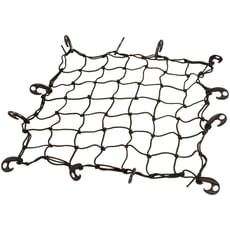
Modern cargo nets typically feature an elasticated bungee construction with reinforced edges and multiple attachment points, allowing them to stretch over loads whilst maintaining secure tension. The hook systems enable quick installation and removal, making them ideal for tradespeople who need to load and unload frequently throughout the working day. The selection at Tooled-Up.com includes cargo nets in various sizes and load capacities, suitable for securing everything from small hand tools and power tools to larger equipment, building materials, and general cargo in vans, trailers, pickup trucks, and estate cars.
Quality cargo nets from trusted manufacturers like Draper are constructed from durable elasticated rubber materials designed to withstand the rigours of daily professional use. Weather-resistant designs ensure longevity even when exposed to the elements on open trailers or external van racks. The elasticated construction not only keeps items secure but also provides some shock absorption, helping to protect valuable tools and equipment from damage during transport across construction sites or during long journeys on UK roads.
Jargon Buster
- Bungee Cord: Highly elastic shock cord incorporated into cargo net designs, providing stretch and tension to accommodate varying load sizes whilst maintaining secure containment throughout transit.
- Load Rating: The maximum weight capacity that a cargo net is designed to safely secure, typically measured in kilograms. Always ensure your load weight remains within the manufacturer's specified rating to maintain safety compliance.
- Hook Points: Metal or reinforced plastic hooks positioned around the perimeter of the cargo net that attach to anchor points, tie-down rails, or fixing eyes in your vehicle or trailer. The number of hooks affects load distribution and security.
- Mesh Size: The dimensions of the gaps within the net weave, which determines what size items can be effectively retained. Smaller mesh prevents smaller items like hand tools from slipping through during transport.
- Anchor Points: Fixed mounting locations in your vehicle, trailer, or roof rack designed to accept cargo net hooks or tie-down straps, ensuring secure attachment. Most commercial vans come with factory-fitted anchor points for load securing.
- Elasticated Construction: The stretchable rubber or cord material that allows the cargo net to expand over irregular loads and maintain tension, providing both security and shock absorption during transit.
Who Uses Cargo Nets?
Cargo nets are invaluable tools for a wide range of trades and users, including:
- Builders and General Contractors: Securing tools, materials, and equipment during site-to-site transport across construction projects
- Electricians and Plumbers: Keeping pipe lengths, cable reels, and toolboxes contained in vans alongside power tools from brands like Makita and DeWalt
- Landscapers and Groundworkers: Transporting plants, equipment, and materials in pickup trucks and trailers to multiple job locations
- Removal and Delivery Drivers: Securing furniture, boxes, and general cargo during transit to prevent damage and ensure road safety
- Carpenters and Joiners: Restraining timber, sheet materials, and tool cases in work vehicles during daily site visits
- DIY Enthusiasts: Safely transporting materials from builders' merchants or hire centres for home improvement projects
- Outdoor Activity Businesses: Securing kayaks, camping equipment, and sports gear on roof racks for commercial and recreational purposes
- Maintenance Engineers: Keeping testing equipment, spare parts, and tool cases secure during service calls
- Waste and Recycling Operatives: Containing loose materials in trailers and skip trucks to comply with road safety regulations
How to Choose the Right Cargo Nets
Selecting the appropriate cargo net requires consideration of several important factors:
Size and Coverage: Measure the area you need to cover in your van, trailer bed, or storage space. Cargo nets come in various dimensions—for example, a 75cm x 75cm net is ideal for smaller load areas or securing specific items, whilst larger nets suit long-wheelbase vans. Although elasticated nets stretch, choosing one appropriately sized for your load area ensures optimal security and proper tension distribution.
Hook Type and Quantity: Consider how many attachment points your vehicle provides and what hook style is compatible. More hooks generally mean better load distribution and security. Common configurations include 6, 8, 10, or 12 hook designs. Plastic-coated hooks prevent damage to your vehicle's paintwork and anchor points, making them particularly suitable for commercial vehicles where appearance matters.
Load Capacity: Always check the manufacturer's specified load rating and ensure it exceeds your typical cargo weight. Remember that whilst cargo nets secure loads effectively, they work best in conjunction with proper loading practices and should not be overloaded beyond their rated capacity. For professional use, factor in daily wear when calculating safety margins.
Material Quality: Professional-grade cargo nets available from Tooled-Up feature robust elasticated rubber and reinforced stitching at stress points. Look for weather-resistant materials if the net will be exposed to the elements regularly on open trailers or roof racks. Quality construction from established brands like Draper ensures longevity under demanding site conditions.
Mesh Aperture: Consider what you'll typically be securing. Finer mesh patterns prevent smaller items like hand tools, fixings, or fasteners from slipping through, whilst larger mesh suffices for bigger equipment, toolboxes, and boxed materials. Match the mesh size to your most common cargo type.
Elasticity and Stretch: The degree of stretch affects how securely the net grips your load. Greater elasticity accommodates irregular shapes and varying load heights but ensure there's sufficient tension when fully stretched. The net should grip firmly without being strained to its maximum extension during normal use.
Popular Accessories
Maximise the effectiveness of your cargo nets with these complementary load-securing products:
- Ratchet Straps: Provide additional securing power for heavier loads or when extra security is required for valuable power tools and equipment during long-distance transport
- Bungee Cords: Useful for quickly securing smaller items or providing additional tie-down points to complement your cargo net system
- Roof Bars and Roof Racks: Essential mounting systems for securing cargo nets on vehicle roofs, particularly for transporting ladders and lengthy materials
- Tie-Down Anchors: Additional fixing points that can be installed in vans or trailers to increase cargo net attachment options and improve load distribution
- Load Securing Bags: Contained storage solutions that work well beneath cargo nets for smaller loose items like fixings, fasteners, and hand tools
- Protective Blankets: Placed under cargo nets to prevent scratching or damage to finished surfaces or delicate equipment during transit
- Van Racking Systems: Organised storage solutions from brands like Stanley and DeWalt that work in conjunction with cargo nets for comprehensive load management
- Tool Storage Systems: Milwaukee PACKOUT, DeWalt TSTAK, and Makita MakPac systems that sit securely under cargo nets whilst keeping tools organised
Safety Information
Whilst cargo nets are straightforward to use, observing proper safety practices is essential for protecting your load, your vehicle, and other road users:
Regular Inspection: Before each use, examine your cargo net for signs of wear, fraying, damaged hooks, or loss of elasticity. Replace nets showing significant deterioration as their load-holding capability may be compromised. For professional tradespeople using cargo nets daily, monthly detailed inspections help identify potential failures before they occur.
Proper Loading: Never exceed the manufacturer's stated load capacity. Distribute weight evenly and ensure heavier items are positioned low and towards the front of the load area. Cargo nets are designed to prevent load shift, not to act as the primary load-bearing structure. Heavy power tools, equipment, and materials should be properly secured before applying the cargo net.
Secure Attachment: Ensure all hooks are properly engaged with suitable anchor points rated for load securing. Hooks should be firmly attached, not loosely draped or stretched beyond their designed extension. Check that plastic hooks haven't become brittle or cracked, particularly after prolonged exposure to cold temperatures common in UK winters.
HSE Compliance: For commercial use, ensure your load securing methods comply with Health and Safety Executive guidelines for safe loading and load security during transport. Inadequately secured loads pose serious risks to vehicle occupants and other road users. The HSE's "Safety of Loads on Vehicles" guidance provides comprehensive requirements for UK operators.
Check During Journey: For longer journeys or when transporting particularly valuable equipment—such as power tools from Festool, Milwaukee, or Bosch—stop periodically to verify that your cargo net remains properly tensioned and that the load hasn't shifted. This is especially important when driving on rough terrain or unmade site roads.
Weather Considerations: In wet conditions, ensure your cargo net hasn't become slippery and that hooks maintain secure engagement. During winter, check that elasticated material hasn't stiffened in cold temperatures, which can reduce effectiveness and increase the risk of hook detachment.
Frequently Asked Questions
What size cargo net do I need for a standard transit van?
Most standard short-wheelbase transit vans work well with cargo nets measuring approximately 75cm x 75cm for sectional securing, or 1.5m x 2m for full load area coverage, though requirements vary depending on your specific load area dimensions and typical cargo. For long-wheelbase vans, you may require a larger net or multiple nets to adequately cover the cargo space. Always measure your load area before purchasing, and consider whether you need to secure the entire space or specific sections for different types of equipment.
How many hooks should my cargo net have?
The number of hooks affects load distribution and security. A 12-hook cargo net, such as the Draper model available from Tooled-Up.com, provides excellent load distribution and multiple attachment options for varying load configurations. For smaller loads or compact vehicles, 6 or 8 hooks may suffice, whilst larger vans and trailers benefit from 10 or 12 hooks. More hooks allow you to adjust tension more precisely and accommodate irregular load shapes more effectively.
Can cargo nets be used on roof racks?
Yes, cargo nets are excellent for securing items on roof racks and roof bars. Ensure your roof rack has suitable anchor points and that the hooks can attach securely. Always check that items are aerodynamically positioned and that the net is tensioned sufficiently to prevent wind lift at motorway speeds. For frequent roof-mounted transport, consider a purpose-designed cargo net with weather-resistant construction suitable for prolonged outdoor exposure in UK conditions.
How do I know if my cargo net needs replacing?
Replace your cargo net if you notice significant fraying of the elasticated rubber material, broken or bent hooks, loss of elasticity (the net no longer returns to its original size after stretching), or visible damage to reinforced edge sections. For professional use by tradespeople making multiple daily journeys, consider replacing cargo nets annually or after particularly heavy use periods. Any net that has secured a load during an emergency braking situation should be thoroughly inspected and potentially replaced.
Are cargo nets suitable for securing power tools?
Yes, cargo nets effectively secure toolboxes, power tool cases, and equipment bags containing brands like Makita, DeWalt, Milwaukee, and Bosch tools. However, loose individual tools should be contained within cases or bags first to prevent damage and ensure small items don't slip through the mesh. For valuable power tools and sensitive equipment, consider using a cargo net in conjunction with proper storage cases and van racking systems for optimal security and organisation during transport between job sites.