

Carpentry Aprons

Pay in 3 interest-free payments on purchases from £20-£3000 with  . Learn more.
 Loading...
End of content
Error - No more pages to load
About Carpentry Aprons
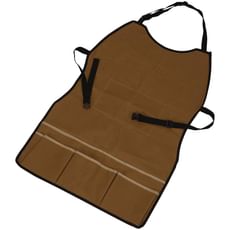
Carpentry aprons are essential workwear for professional tradespeople and DIY enthusiasts who need to keep their tools organised and within easy reach whilst working on site or in the workshop. Designed to distribute weight evenly across the body, a quality carpenter's apron features multiple pockets, loops, and compartments specifically configured to hold hammers, chisels, tape measures, pencils, nails, screws, and other essential hand tools. Unlike standard work aprons, carpentry aprons are built from durable materials such as heavy-duty cotton canvas, leather, or modern synthetic fabrics that can withstand the rigours of daily professional use.
Today's carpentry aprons come in various styles to suit different trades and working environments. Traditional nail aprons with multiple pockets remain popular amongst carpenters and joiners, whilst mechanics' aprons with reinforced tool pockets serve those working in automotive and engineering trades. Some modern designs incorporate cut-resistant materials for enhanced protection, whilst others focus on lightweight construction for all-day comfort. Whether you're framing a roof, fitting kitchen cabinets, or undertaking general maintenance work, the right carpentry apron keeps your essential tools secure and organised, reducing time wasted searching for equipment and improving overall productivity on the job.
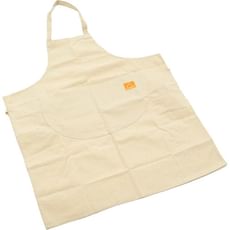
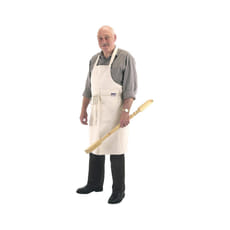
The selection at Tooled-Up.com includes carpentry aprons from leading brands such as Draper, Faithfull, Portwest, and Sealey, all designed to meet the demands of UK tradespeople. These feature adjustable straps for custom fit, reinforced stitching at stress points, and weather-resistant materials suitable for both indoor and outdoor applications. Many professional chippies consider a well-designed tool apron as indispensable as their favourite hammer, providing an efficient storage solution that moves with them throughout the working day.
Jargon Buster
- Nail Bag: A specialised pocket or pouch designed specifically to hold loose nails, screws, or fixings, typically featuring a wide opening for easy access and reinforced construction to prevent wear from sharp fasteners.
- Hammer Loop: A reinforced leather or fabric loop attached to the apron designed to securely hold a claw hammer or other striking tools, keeping them accessible without occupying pocket space.
- Canvas Weight: Refers to the thickness and durability of cotton canvas material, typically measured in ounces per square yard; heavier weights (12-16 oz) offer greater durability and resistance to tearing.
- Cut Resistance Level: A standardised rating system (typically Level A through D) that indicates an apron's ability to protect against cuts from sharp tools or materials, with Level D offering the highest protection under BS EN 388 standards.
- Bar-Tack Stitching: A series of reinforced stitches concentrated at stress points such as pocket corners and strap attachments, providing superior strength and preventing tears under heavy tool loads.
- Rivet Reinforcement: Metal rivets strategically placed at stress points and pocket corners to prevent tearing and extend the working life of the apron under heavy tool loads.
Who Uses Carpentry Aprons?
Carpentry aprons serve a wide range of trades and professions across the construction and maintenance sectors:
- Carpenters and Joiners: For holding hand tools, fixings, pencils, and measuring equipment whilst working on timber frames, fitted furniture, and structural carpentry
- Cabinet Makers: Keeping precision tools and small hardware organised during bespoke furniture construction and installation work
- Shop Fitters: Managing tools and fixings whilst installing retail displays, shelving units, and commercial interior fixtures
- Maintenance Engineers: Carrying essential tools for facility maintenance, repairs, and general building upkeep
- Mechanics and Auto Technicians: Utilising heavy-duty aprons with multiple pockets for spanners, sockets, and automotive hand tools
- DIY Enthusiasts: Homeowners undertaking renovation projects, garden construction, or regular maintenance tasks requiring organised tool storage
- Gardeners and Landscapers: Keeping secateurs, twine, plant labels, and small hand tools accessible during horticultural work
- Electricians and Plumbers: Secondary trades professionals who require convenient storage for hand tools whilst working on installations
How to Choose the Right Carpentry Aprons
Selecting the appropriate carpentry apron depends on several key factors that affect comfort, durability, and functionality:
Material Construction: Heavy-duty cotton canvas offers breathability and durability for general carpentry work, whilst leather provides superior resistance to punctures and abrasion. Modern synthetic materials may incorporate cut-resistant fibres for enhanced protection. Consider the working environment—water-resistant materials such as Oxford fabric suit outdoor applications, whilst breathable cotton fabrics are preferable for indoor workshop use.
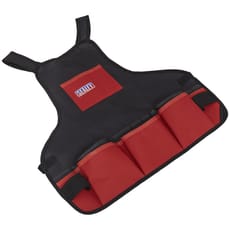
Pocket Configuration: Evaluate how many pockets you require and their size. Carpenters typically need multiple small pockets for fixings and pencils, plus larger pockets for hand tools. Mechanics may prefer fewer, larger pockets for spanners and sockets. Look for aprons with specialised compartments such as tape measure holders, hammer loops, and dedicated pencil slots that match your specific tool kit. The Sealey 16 Pocket Mechanics Tool Apron, for example, offers extensive storage for comprehensive tool sets.
Weight Distribution and Comfort: An adjustable neck strap and waist ties are essential for distributing weight evenly and preventing back strain during extended wear. Some professional-grade aprons feature padded neck straps or plastic locks that hold the desired length securely. Cross-back designs reduce shoulder fatigue when carrying heavy tool loads throughout the day.
Durability Features: Check for reinforced stitching at stress points, metal rivets at pocket corners, and double-layered fabric in high-wear areas. Bar-tack stitching provides superior strength compared to standard stitching, particularly important for tradespeople who rely on their apron daily. Tear-resistant fabrics offer extended service life in demanding environments.
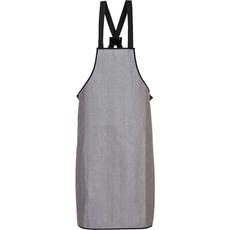
Cut Resistance Rating: For trades involving sharp tools or materials, consider aprons certified to BS EN 388 standards with appropriate cut resistance levels. Tooled-Up stocks the Portwest Level D Cut Resistant Work Apron, which offers maximum protection for high-risk applications involving blades, sharp metal edges, or glass handling.
Popular Accessories
Enhance your carpentry apron setup with these complementary products:
- Tool Belts and Pouches: Additional storage solutions that work alongside aprons for larger tool collections
- Knee Pads: Essential protective equipment from brands like Snickers and Scruffs for floor-level carpentry work
- Carpenter's Pencils: Flat pencils designed for marking timber and building materials
- Tape Measures: Quality measuring tools from Stanley or Bahco that fit conveniently in apron pockets
- Utility Knives: Retractable blade knives for cutting materials, cords, and packaging on site
- Work Gloves: Protective gloves that complement apron use for handling rough materials
- Safety Glasses: Essential PPE for protecting eyes during carpentry and construction work
- Tool Storage Boxes: DeWalt TSTAK, Milwaukee PACKOUT, or Stanley FatMax systems for transporting tools to and from site
Safety Information
Whilst carpentry aprons primarily serve as tool organisers, proper use contributes to workplace safety and HSE compliance:
Load Management: Avoid overloading apron pockets, as excessive weight can cause back strain and increase fatigue during extended wear. Distribute heavy tools evenly across available pockets and consider using a tool belt for larger implements. The HSE recommends regular assessment of manual handling practices to prevent musculoskeletal injuries.
Sharp Objects: When storing sharp tools such as chisels, utility knives, or snips in apron pockets, ensure blades are sheathed or retracted to prevent accidental cuts. Cut-resistant aprons certified to BS EN 388 standards provide additional protection but should not replace safe handling practices.
Fit and Security: Ensure your apron fits securely with properly adjusted straps. Loose aprons can catch on machinery, protrusions, or moving equipment, presenting a significant hazard on busy construction sites. Check strap condition regularly and replace worn fastenings promptly.
Maintenance: Regularly inspect your carpentry apron for damaged stitching, torn pockets, or worn fabric that could allow tools to fall. Clean according to manufacturer instructions to maintain material integrity and remove accumulated dust or debris that may harbour irritants.
Frequently Asked Questions
What's the difference between a carpenter's apron and a mechanic's apron?
Carpenter's aprons typically feature multiple smaller pockets designed for nails, screws, pencils, and hand tools like chisels and measuring tapes, often with hammer loops. Mechanic's aprons generally have fewer but larger, deeper pockets suited to holding spanners, sockets, and automotive tools. The material construction may also differ, with mechanic's aprons often incorporating oil-resistant fabrics.
How do I clean and maintain my carpentry apron?
Most canvas and cotton aprons can be machine washed on a cool cycle, though check manufacturer instructions first. Empty all pockets thoroughly before washing, and allow to air dry naturally rather than tumble drying, which can cause shrinkage. Leather aprons should be wiped clean with a damp cloth and treated with leather conditioner periodically. Inspect stitching and pockets regularly, repairing any damage promptly to extend working life.
Are cut-resistant aprons necessary for carpentry work?
For general carpentry and joinery work, a standard heavy-duty canvas or leather apron typically provides adequate protection. However, if your work regularly involves handling sharp materials, using cutting tools at body level, or working in environments where cut hazards are prevalent, a Level C or D cut-resistant apron offers valuable additional protection in line with HSE guidance on personal protective equipment.
What size carpentry apron should I buy?
Most carpentry aprons feature adjustable neck straps and waist ties to accommodate a range of body sizes. The apron should provide adequate coverage without restricting leg movement or causing trips. If between sizes, consider your build and whether you'll wear the apron over heavy work clothing during colder months. Look for models with adjustable neck loops and plastic locks that allow you to set and maintain your preferred length.
Can I use a carpentry apron for gardening and other tasks?
Absolutely. Whilst designed with carpentry in mind, these versatile aprons work excellently for numerous applications including plumbing, electrical work, gardening, general maintenance, and DIY projects. The Draper Garden Apron, for instance, is specifically designed with tear-resistant Oxford fabric for horticultural use. The organised pocket system suits any task requiring convenient access to multiple hand tools.