

Carving Gouge
Pay in 3 interest-free payments on purchases from £30-2000 with  . Learn more.
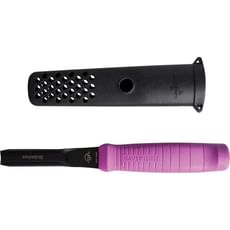
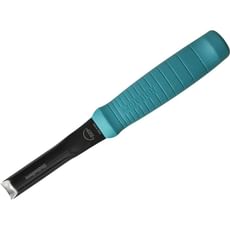
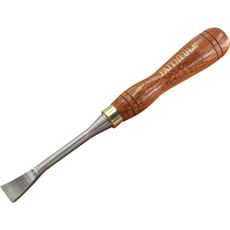
 Loading...
End of content
Error - No more pages to load
About Carving Gouge
Carving gouges are specialised hand tools that feature curved cutting edges designed to scoop and shape wood, making them essential for anyone working with timber in three dimensions. Unlike flat chisels that remove material in straight planes, the curved blade profile of a carving gouge allows woodworkers to create flowing, organic shapes and hollowed forms with precision and control. These tools are indispensable for spoon carving, bowl making, sculptural work, relief carving, and adding decorative details to furniture and architectural woodwork.
The selection at Tooled-Up.com includes both incannel and outcannel configurations, each offering distinct cutting characteristics for different applications. Incannel gouges, with their bevel ground on the inside curve, excel at hollowing operations such as carving spoon bowls and creating smooth concave surfaces in green wood. Outcannel gouges feature the bevel on the outside of the curve, making them ideal for relief carving, shaping convex surfaces, and working detailed decorative elements. Quality brands like Hultafors and Faithfull manufacture carving gouges with high-carbon steel blades that hold a sharp edge through extended use, paired with comfortable hardwood handles that provide excellent control during detailed work.
Whether you're a professional furniture maker adding carved embellishments to bespoke pieces, a traditional green woodworker crafting functional utensils, or an enthusiastic hobbyist exploring sculptural carving, having properly designed carving gouges transforms the experience from laborious struggle to efficient, satisfying craftsmanship. Modern carving gouges combine traditional tool geometry refined over centuries with contemporary metallurgy and heat treatment processes, delivering professional results for tradespeople and dedicated DIY enthusiasts alike.
Jargon Buster
- Incannel Gouge – A carving gouge with the sharpening bevel ground on the inside (concave side) of the curved blade. This configuration is particularly effective for hollowing operations, creating smooth concave surfaces, and excavating material in spoon carving and bowl making where the tool needs to scoop cleanly without catching.
- Outcannel Gouge – A gouge featuring the bevel ground on the outside (convex side) of the curved blade. This design excels at relief carving, rounding edges, and shaping convex surfaces where precise control and clean cuts are essential, as the bevel naturally guides the tool along the cutting path.
- Sweep – The degree of curvature in a gouge's blade profile, typically numbered from 1 (nearly flat) to 11 (deep U-shaped). A medium sweep around 7-8 offers good versatility for general carving, whilst higher numbers create deeper cuts and lower numbers approach the function of a standard chisel.
- Green Wood – Freshly felled or unseasoned timber with high moisture content, making it considerably softer and easier to carve than dried wood. Green wood is the preferred material for traditional spoon carving and woodcraft, as it cuts cleanly with less effort and produces less tool wear.
- Stropping – The process of polishing and refining a blade edge by drawing it across leather treated with honing compound. Essential for maintaining razor-sharp gouges between full sharpening sessions, stropping removes microscopic burrs and aligns the cutting edge for optimal performance.
- Tang – The tapered metal extension of the blade that fits into the handle. Deep-seated tangs provide secure blade-to-handle connections that withstand the considerable forces involved in carving, particularly when working harder timbers or using mallet-driven techniques.
Who Uses Carving Gouge?
- Spoon Carvers – craftspeople specialising in traditional wooden utensil making, from eating spoons to large serving implements
- Wood Sculptors – artists creating three-dimensional sculptural works in timber, from small decorative pieces to large-scale installations
- Furniture Makers – joiners and cabinet makers adding carved decorative details, embellishments, and bespoke elements to high-end furniture
- Restoration Specialists – professionals repairing, replicating, and restoring carved elements on antique furniture, period properties, and listed buildings
- Green Woodworkers – traditional craftspeople working with freshly felled timber using hand tools for chairs, bowls, and functional woodland products
- Pattern Makers – skilled tradespeople creating wooden patterns and moulds for metal casting in foundries and engineering workshops
- Architectural Carvers – specialists working on decorative woodwork for heritage buildings, churches, and period property renovations
- Bowl Turners – woodturners who use gouges for initial shaping and detail work on wooden bowls before or alongside lathe work
- Theatre Prop Makers – creative professionals requiring carved wooden elements for stage productions, film sets, and exhibitions
- Hobbyist Woodworkers – DIY enthusiasts exploring decorative carving, spoon making, and sculptural woodwork as rewarding creative pursuits
How to Choose the Right Carving Gouge
Bevel Configuration: Your choice between incannel and outcannel gouges should be driven by your primary applications. For hollowing work such as spoon bowls, kitchen utensils, and concave surfaces, an incannel gouge is essential as the inside bevel allows the tool to scoop efficiently without the blade diving too deep. For relief carving, surface shaping, and working convex forms, an outcannel gouge provides better control and cleaner cuts. Serious carvers typically invest in both configurations for maximum versatility across different projects.
Blade Material and Heat Treatment: Look for high-carbon steel blades from reputable manufacturers like Hultafors and Faithfull that hold a keen edge through extended carving sessions. Properly heat-treated steel offers the ideal balance between hardness for edge retention and toughness to resist chipping. Avoid cheap alternatives with unknown metallurgy that may prove difficult to sharpen or fail to maintain an edge, resulting in frustration and compromised results.
Sweep and Blade Width: Consider the scale and style of your typical projects when selecting gouge dimensions. A medium sweep (approximately 6-8) offers excellent versatility for general carving work, handling both gentle curves and moderately deep hollows. Blade width should match your project size – wider gouges between 20-30mm remove material efficiently on larger pieces like serving spoons and bowls, whilst narrower gouges around 10-15mm suit detailed work, tight curves, and smaller items.
Handle Ergonomics: Since carving often involves extended periods of detailed work with repetitive hand movements, handle comfort significantly impacts both performance and enjoyment. Traditional hardwood handles offer excellent feel and warmth, moulding to your grip over time. The handle should fill your palm comfortably without pressure points, allowing controlled force application without causing hand fatigue during longer carving sessions.
Tang Construction: Quality carving gouges feature deep-seated tangs with steel ferrules that prevent handle splitting under working pressure. This robust construction ensures the blade remains securely anchored during both hand pressure and mallet-driven work, providing confidence and longevity that cheaper alternatives with shallow tangs cannot match.
Popular Accessories
- Sharpening Stones – combination whetstones and diamond stones for maintaining sharp cutting edges through regular honing
- Slip Stones – shaped sharpening stones designed specifically for working the curved profiles of gouge blades
- Leather Strops – for polishing and refining gouge edges to razor sharpness between full sharpening sessions
- Honing Compound – polishing paste applied to strops for final edge refinement and maintenance
- Carving Gloves – cut-resistant safety gloves protecting the hand holding the workpiece during carving operations
- Bench Hooks – simple workholding aids that secure timber safely whilst carving without requiring elaborate clamping
- Carving Axes – for initial roughing out of spoon blanks and bowl forms before detailed gouge work
- Tool Rolls – canvas or leather protective storage solutions for organising and transporting carving tools safely
- Work Aprons – heavy-duty canvas or leather aprons protecting clothing and providing convenient tool storage during carving
- Carving Mallets – wooden mallets for driving gouges through harder timber or when removing larger amounts of material
Safety Information
Carving gouges are extremely sharp cutting tools that demand careful handling and proper technique to use safely. Always carve away from your body, ensuring the cutting direction moves the blade away from you and others in the workspace. Keep your non-cutting hand behind the blade at all times, never placing fingers or hands in the potential path of the cutting edge. Cut-resistant carving gloves on your holding hand provide valuable protection, particularly when learning new techniques or working with unfamiliar timber species.
Maintain a stable working position with the workpiece properly secured using a bench hook, vice, or carving clamp. Never attempt to hold small pieces in your hand whilst carving unless wearing appropriate protective equipment and using controlled techniques. Counterintuitively, a sharp gouge is considerably safer than a dull one – sharp tools require less force and provide better control, reducing the likelihood of slips that cause injuries. Dull tools demand excessive pressure and are prone to unpredictable behaviour.
Store carving gouges with blade guards or in dedicated tool rolls to protect both the cutting edges and yourself when reaching into storage. When placed on the workbench during use, position gouges with blades facing away from you and clearly visible. Work in good lighting conditions where you can clearly see your cutting line, grain direction, and hand positions. Regular breaks help maintain concentration and prevent the fatigue that can lead to accidents during extended carving sessions.
Frequently Asked Questions
What's the difference between incannel and outcannel carving gouges?
An incannel gouge has its sharpening bevel ground on the inside (concave side) of the curved blade, making it ideal for hollowing operations like excavating spoon bowls and creating concave surfaces. An outcannel gouge features the bevel on the outside (convex side), better suited for relief carving, shaping convex surfaces, and decorative work. The bevel position fundamentally changes how the tool cuts and controls material removal, so choosing the correct configuration for your application is essential for efficient, satisfying work.
Do carving gouges from Tooled-Up arrive sharp and ready to use?
Quality carving gouges from reputable manufacturers like Hultafors and Faithfull arrive with functional factory edges, but most carvers prefer to properly sharpen and strop their tools before first use. This establishes the optimal edge angle for your specific work and ensures maximum sharpness. Learning to sharpen your gouges correctly is an essential skill that serves you throughout your carving journey, as regular maintenance keeps tools performing at their best.
Can I use carving gouges on seasoned hardwood?
Whilst carving gouges can work on dried hardwood, they perform most efficiently on green (freshly cut) wood or softer seasoned timbers like lime, pine, or cherry. Carving fully dried hardwoods requires considerably more effort, produces more tear-out and chipping, and dulls cutting edges much faster. For extensive hardwood carving, consider using wooden mallets to drive the gouge rather than relying on hand pressure alone, and expect to sharpen more frequently.
How often should I sharpen my carving gouge during use?
Sharpening frequency depends on usage intensity, timber hardness, and grain characteristics. During active carving sessions, strop your gouge every 10-15 minutes to maintain peak sharpness and optimal performance. Full sharpening on stones becomes necessary after several hours of use or when stropping no longer restores cutting performance. A properly sharp gouge cuts effortlessly with minimal pressure – if you find yourself working hard to make cuts or seeing torn fibres rather than clean cuts, it's time to sharpen.
What size carving gouge is best for beginners learning spoon carving?
For general spoon carving, an incannel gouge with a medium sweep (approximately 7-9) and blade width around 20-25mm offers excellent versatility for learning fundamental techniques. This size efficiently handles most standard eating spoon and serving spoon bowls, allowing you to develop proper carving skills on typical projects. As your experience grows, you may add narrower gouges for smaller spoons or wider ones for large serving pieces, but a medium-sized incannel gouge represents the ideal starting point for developing core competencies.