

Carving Sets

Pay in 3 interest-free payments on purchases from £20-£3000 with  . Learn more.
 Loading...
End of content
Error - No more pages to load
About Carving Sets
Carving sets are specialised collections of chisels and gouges designed for shaping, sculpting, and detailing wood with precision and control. Whether you're creating intricate relief work, sculpting decorative features, or crafting bespoke wooden items, a quality carving set provides the essential tools needed to transform raw timber into works of art. These sets typically include a variety of blade profiles including straight chisels, V-tools, gouges of varying sweeps, and parting tools, each designed for specific cutting techniques and effects.
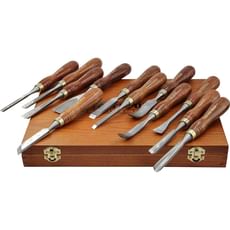
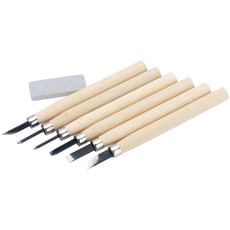
The carving sets available from Tooled-Up.com include professional options from trusted brands such as Draper and Faithfull, supplied in configurations ranging from compact 7-piece sets to comprehensive 12-piece collections. These sets are supplied in protective cases or rolls, keeping your tools organised and protected when not in use. The blades are manufactured from high-carbon steel that has been hardened and tempered for superior edge retention, whilst the handles are ergonomically designed to provide comfort during extended carving sessions. Many sets include sharpening stones manufactured from aluminium oxide, allowing you to maintain razor-sharp edges between uses.
From beginners taking their first steps into woodcarving to experienced craftspeople requiring reliable tools for professional commissions, a well-chosen carving set offers excellent value and versatility. Modern carving sets are engineered to exacting standards, ensuring consistent quality across the range whilst remaining accessible for hobbyists and professionals alike working with softwoods, hardwoods, and even certain composite materials.
Jargon Buster
- Gouge: A carving chisel with a curved or U-shaped blade profile, available in various 'sweeps' (degrees of curvature). Gouges are used for hollowing, shaping curves, and creating rounded details in wood.
- Sweep: The measurement of a gouge's curvature, typically numbered from 1 (almost flat) to 11 (deep U-shape). A higher sweep number indicates a more pronounced curve in the cutting edge.
- V-Tool (Veiner): A carving chisel with a V-shaped cutting edge, ideal for creating sharp lines, decorative grooves, and outlining designs. The angle typically ranges from 45 to 90 degrees.
- Parting Tool: A narrow, deep-bladed chisel used for separating carved areas and creating deep, clean cuts. Essential for relief carving and creating definition between elements.
- Skew Chisel: A flat chisel with an angled cutting edge, providing excellent control for delicate work in tight corners and for creating clean, crisp lines.
- Tang: The pointed portion of the blade that extends into the handle, providing a secure connection. A full tang extends through the entire handle length for maximum strength and control.
Who Uses Carving Sets?
- Woodcarvers and sculptors creating decorative pieces, relief panels, and three-dimensional sculptures
- Furniture makers and joiners adding decorative details, carved embellishments, and bespoke features to cabinetry and furniture
- Restoration specialists repairing and replicating period detailing on antique furniture and architectural woodwork
- Pattern makers crafting precision moulds and patterns for casting and manufacturing processes
- Signwriters and letterers creating raised or recessed lettering in timber signs and nameplates
- Hobby woodworkers and DIY enthusiasts exploring woodcarving as a creative pastime or adding personalised touches to projects
- Theatre and prop makers producing carved elements for stage sets, period pieces, and decorative props
- Luthiers and musical instrument makers shaping and detailing wooden instruments including violins, guitars, and woodwind instruments
How to Choose the Right Carving Sets
Number of Pieces: Consider whether you need a comprehensive set or a starter collection. A 7-piece set typically covers fundamental carving techniques, whilst 12-piece or larger sets provide greater variety for complex projects. Beginners often find 6-8 tools sufficient to develop core skills before expanding their collection.
Blade Material and Quality: High-carbon steel blades that have been hardened and tempered offer superior edge retention and can be honed to razor sharpness. Look for sets where the blades arrive factory-sharpened or require only minimal preparation. Quality steel will maintain its edge through extended use and can be resharpened multiple times throughout its lifespan.
Handle Design: Ergonomic handles reduce hand fatigue during prolonged carving sessions. Handles crafted from hardwood such as ramin, composite materials, or rubberised grips each offer different benefits. Consider whether you prefer traditional wooden handles for their aesthetic and tactile qualities, or modern synthetic handles for durability and grip in varied conditions.
Storage and Protection: Sets supplied in fitted cases or tool rolls protect your investment and keep tools organised. A quality case prevents blade damage during transport and storage, essential for maintaining sharp edges and preventing accidents on the workshop bench.
Brand Reputation: Established brands like Draper and Faithfull manufacture carving sets to consistent quality standards backed by warranties. These manufacturers have decades of experience producing tools for the UK market, ensuring products meet the expectations of British tradespeople and craftspeople.
Intended Use: Match the set to your projects. Fine detail work requires smaller, delicate tools with shallow sweeps, whilst larger sculptural carving benefits from deeper gouges and more robust construction. Consider whether you'll primarily work with softwoods or hardwoods, as this influences the blade strength and handle robustness required.
Popular Accessories
- Sharpening stones and strops for maintaining razor-sharp cutting edges on chisels and gouges
- Honing compound and polishing paste for achieving the finest edge possible on carving tools
- Carving gloves providing cut-resistant protection for your non-dominant hand during detailed work
- Bench hooks and carving vices securely holding workpieces whilst allowing comfortable working positions
- Mallets (wooden or rubber) for controlled striking of chisel handles during heavier stock removal
- Gouging slips and profiled stones shaped to match the internal curves of your gouges for proper sharpening
- Tool rolls and storage cases for protecting and organising additional tools as your collection expands
- Workbenches and carving stands providing stable platforms at comfortable working heights
- Dust extraction equipment maintaining a clean, healthy workshop environment during extended carving sessions
Safety Information
Carving tools are extremely sharp instruments requiring careful handling and respect. Always carve away from your body and keep your free hand behind the cutting edge. Cut-resistant gloves provide valuable protection for your non-tool hand, particularly when learning new techniques or working with unfamiliar materials.
Ensure your workpiece is securely clamped or held in a carving vice before beginning work. Unstable workpieces can shift unexpectedly, causing loss of control and potential injury. Maintain sharp tools at all times – paradoxically, dull tools are more dangerous as they require excessive force and are prone to slipping.
Store carving tools with blade guards or in protective cases to prevent accidental contact. Never leave sharp tools loose in drawers or toolboxes where they can cause injury when reaching for other items. When not in use, position tools with blades facing away from the working area.
Work in well-lit conditions with adequate ventilation, particularly when carving resinous woods or treated timber. Wear safety glasses to protect against flying chips and splinters. Follow HSE guidance regarding workshop safety and ensure your workspace is organised and free from trip hazards.
Frequently Asked Questions
Do carving sets come ready to use or do they require sharpening first?
Most quality carving sets from brands like Draper and Faithfull arrive factory-sharpened to a usable edge, though many experienced carvers prefer to hone them to their personal preference before first use. Even "sharp" new tools benefit from a quick strop to remove any manufacturing residue and achieve optimal sharpness. It's worth investing time in learning proper sharpening techniques, as maintaining keen edges is fundamental to successful and safe carving.
What's the difference between wood carving chisels and standard woodworking chisels?
Wood carving chisels feature longer, more slender blades with a wider variety of profiles including gouges, V-tools, and specialised shapes. They're designed for precision shaping and detailing rather than the heavy-duty chopping and paring tasks that standard bench chisels perform. Carving tools typically have handles designed for palm control rather than mallet striking, though some can accommodate light mallet work. The steel is often ground to a finer edge angle for cleaner cuts in detailed work.
Can beginners use professional carving sets or should they start with basic tools?
Quality carving sets are entirely suitable for beginners and actually make learning easier thanks to their superior edge retention and balanced design. Starting with professional-grade tools from reputable manufacturers means you won't outgrow your equipment or struggle with poor-quality tools that hinder skill development. Browse the selection at Tooled-Up.com to find a modest 7-piece set that provides sufficient variety to learn fundamental techniques without overwhelming new carvers with too many options.
How often do carving tools need sharpening during typical use?
Sharpening frequency depends on the wood hardness, carving intensity, and your sharpness standards. Softwoods may allow several hours of carving between sharpenings, whilst dense hardwoods dull edges more quickly. Most carvers perform light stropping every 15-30 minutes during active carving to maintain peak sharpness, with full sharpening on stones required after several hours of use. Developing a "touch and feel" for edge sharpness becomes intuitive with experience.
Are the carving sets suitable for both relief carving and sculpture in the round?
Standard carving sets are versatile enough for both relief carving (where the design remains attached to a background) and three-dimensional sculpture work. The variety of gouges, chisels, and V-tools included in comprehensive sets like the 12-piece Faithfull collection covers the essential profiles needed for either discipline. As your skills progress and you specialise, you may add specific tools suited to your preferred carving style, but general-purpose sets provide an excellent foundation for exploring all carving approaches.