

Carving Tools

Pay in 3 interest-free payments on purchases from £20-£3000 with  . Learn more.
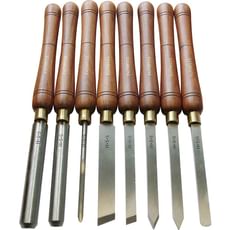
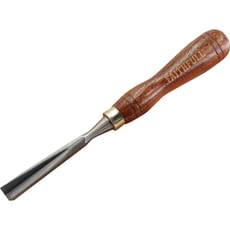
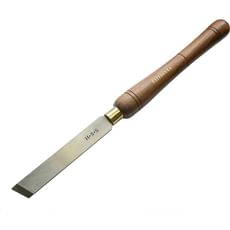
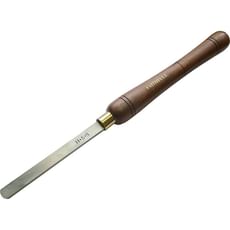
 Loading...
End of content
Error - No more pages to load
About Carving Tools
Carving tools are precision hand tools designed for shaping, sculpting, and detailing wood, enabling craftspeople to transform raw timber into intricate works of art or functional items. Whether you're hollowing out bowls on a lathe, creating decorative relief carvings, or turning chair legs with precision, having the right carving tools is essential for achieving clean cuts and professional results. The comprehensive range at Tooled-Up.com includes everything from delicate carving chisels for fine detail work to robust turning gouges for removing material quickly on the lathe.
The quality of your carving tools directly impacts the finish of your work and your ability to work efficiently. Professional-grade carving tools feature high-carbon steel or HSS (High Speed Steel) blades that hold a sharp edge longer, reducing the need for constant resharpening. Many tools now incorporate ergonomic handles designed for extended use, reducing hand fatigue during lengthy carving sessions. From traditional ash-handled tools favoured by purists to modern composite handles offering superior grip, there's a tool to suit every preference and working style.
This category encompasses both individual specialised tools and complete sets that provide excellent value for those starting out or expanding their workshop capabilities. Whether you're a professional woodturner producing commissioned pieces, a furniture maker adding decorative details, or a hobbyist exploring the creative possibilities of woodcarving, you'll find the precision tools needed to bring your vision to life across carving chisels, gouges, turning tools, and scrapers.
Jargon Buster
- Sweep - The curvature of a gouge blade, numbered from 1 (almost flat) to 11 (deep U-shape). A higher sweep number removes more material and creates deeper cuts, whilst lower sweeps are better for finishing work.
- HSS (High Speed Steel) - A steel alloy that maintains hardness and sharpness even at high temperatures, making it ideal for woodturning where friction generates significant heat. HSS tools require less frequent sharpening than traditional carbon steel.
- Skew Angle - The angle at which the cutting edge is ground across the blade width. Skew chisels are essential for producing smooth finishes on spindle work and can create fine details when used correctly.
- Bevel - The ground angle on the cutting edge of the tool. Carving tools typically have shorter bevels (around 20-25 degrees) for controlled cutting, whilst turning tools have longer bevels (around 40-45 degrees) for supported cuts against the tool rest.
- Flute - The curved channel ground into the face of a gouge. The flute's depth and shape determine how the tool cuts and how efficiently it clears shavings from the work.
- Tang - The pointed end of the blade that fits into the tool handle. A properly fitted tang ensures the tool is secure and can withstand the forces applied during carving or turning operations.
Who Uses Carving Tools?
- Woodturners - creating bowls, spindles, decorative pieces and architectural elements on the lathe
- Furniture Makers - adding decorative details, relief carvings and custom embellishments to bespoke pieces
- Sculptors - working in wood to create three-dimensional art pieces and figurative work
- Luthiers - shaping and refining musical instruments including guitars, violins and other stringed instruments
- Pattern Makers - creating precise wooden patterns for casting and manufacturing processes
- Restoration Specialists - repairing and recreating decorative elements on antique furniture and historic buildings
- Sign Makers - carving lettering and designs into wooden signs and nameplates
- Model Makers - crafting detailed scale models and prototypes in wood
- Hobbyists and DIY Enthusiasts - exploring woodcarving and turning as a creative pastime
- Educators - teaching woodworking and carving skills in schools, colleges and community workshops
How to Choose the Right Carving Tools
Identify Your Primary Application: Determine whether you'll be primarily working at the lathe (turning tools), doing hand carving (carving chisels and gouges), or both. Turning tools have longer handles and are designed to be used with a tool rest, whilst carving tools are shorter and offer more control for handheld work.
Consider Tool Steel Quality: HSS tools are more expensive but stay sharper significantly longer than carbon steel, making them worthwhile for regular use. Carbon steel tools are more affordable and perfectly adequate for occasional use or beginners learning sharpening techniques.
Select Appropriate Sizes: Start with mid-range sizes (around 10-13mm width) which are versatile for most tasks. As your skills develop, add smaller tools for detail work and larger ones for rapid material removal. Tool width is typically measured in millimetres or inches at the cutting edge.
Handle Comfort and Length: Longer handles (around 250-300mm) provide better leverage for turning and can be tucked under the arm for stability, whilst shorter handles (150-200mm) offer precision for detailed carving. Try different handle shapes to find what feels comfortable in your grip during extended use.
Sets Versus Individual Tools: Complete carving or turning sets offer excellent value and provide a coordinated range of tools to tackle most projects. However, professional users often prefer to build a custom collection of individual tools tailored to their specific work.
Brand Reputation: Established manufacturers produce tools with consistent quality, proper heat treatment and accurate grinding. Well-made tools available from Tooled-Up will last decades with proper care and sharpening, making them a genuine long-term investment for your workshop.
Popular Accessories
- Sharpening Stones and Systems - Japanese waterstones, diamond stones and honing guides for maintaining razor-sharp edges
- Grinding Wheels - for reshaping bevels and repairing damaged edges on turning tools
- Tool Rests - various shapes and sizes to support tools at optimal angles during turning operations
- Bench Hooks and Carving Clamps - secure workholding solutions for hand carving projects
- Slipstones - shaped stones for sharpening the inside curves of gouges
- Tool Rolls and Storage - protective storage to keep edges sharp and tools organised
- Honing Compound - for final polishing of tool edges to achieve optimal sharpness
- Calipers and Measuring Tools - for precision sizing when turning or carving to specific dimensions
- Dust Extraction Equipment - essential for managing fine wood dust produced during carving and turning
- Work Lights - task lighting to clearly see detail and tool position whilst working
Safety Information
Carving tools are extremely sharp by necessity and require careful handling to prevent accidents. Always cut away from your body and keep both hands behind the cutting edge. When testing sharpness, never run your finger along the edge - instead, test on a piece of scrap wood or paper.
Secure your workpiece properly before beginning any carving or turning operation. Loose work can spin or move unexpectedly, causing the tool to slip with potentially serious consequences. Use appropriate clamps, chucks or holding devices for the task at hand.
Wear appropriate eye protection when carving and turning, as flying chips and dust can cause eye injuries. The HSE recommends safety glasses as a minimum, with full face shields advisable for lathe work where larger pieces could detach. Avoid loose clothing, jewellery and ties that could catch on rotating work or machinery.
Wood dust, particularly from exotic hardwoods, can cause respiratory sensitisation and other health issues with prolonged exposure. Ensure adequate ventilation in your workshop and consider dust extraction systems and appropriate respiratory protection in line with COSHH regulations. Even small amounts of fine dust produced by hand carving should be managed properly.
Keep tools sharp - counter-intuitively, blunt tools are more dangerous than sharp ones as they require excessive force and are more likely to slip. Establish a regular sharpening routine and take your time to ensure bevels are ground correctly. Store tools safely with edge guards or in dedicated tool rolls where blades cannot contact each other or cause injury when reaching into storage.
Frequently Asked Questions
What's the difference between carving tools and turning tools?
Carving tools are designed for handheld use and typically have shorter handles, providing precise control for detailed work on stationary pieces. Turning tools have longer handles and are used with a tool rest whilst the workpiece rotates on a lathe. Turning tools remove material more aggressively and are designed to withstand the different forces involved in lathe work. The bevel angles also differ, with turning tools having longer bevels for supported cutting.
How often do carving tools need sharpening?
This depends on the steel quality, the hardness of the wood you're working, and your sharpness standards. HSS turning tools might work for several hours between sharpenings, whilst carbon steel carving chisels working in hard woods like oak may need touching up every 20-30 minutes. Professional carvers often give tools a few strokes on a strop every few minutes to maintain optimal edge quality. Learning to sharpen effectively is as important as learning to carve.
Can I use the same tools for both softwood and hardwood?
Yes, quality carving tools work in both softwoods and hardwoods, though you'll notice differences in how they perform. Softwoods like pine can be "stringy" and may tear if tools aren't extremely sharp, whilst hardwoods like oak or ash cut cleanly but dull edges faster. You may need to adjust your technique and cutting angles depending on the timber species, and hardwoods will require more frequent sharpening.
Do I need a complete set or can I start with individual tools?
For beginners, a small starter set provides good value and the essential tools to learn fundamental techniques. As you develop your skills and discover what type of work you prefer, you can add individual specialised tools to suit your specific needs. Professional carvers and turners often have extensive collections built up over years, but started with basic sets before identifying which additional tools would benefit their particular style of work.
What's the best way to store carving tools?
Tools should be stored so the edges don't contact each other or hard surfaces that could damage them. Tool rolls, wall-mounted racks with individual slots, or drawer inserts with compartments all work well. Keep tools dry to prevent rust, and consider a light coating of camellia oil or similar protective treatment if storing long-term. Never throw sharp tools loose into a drawer or toolbox where they'll damage each other and pose a safety risk when you reach in.