

Castors

Pay in 3 interest-free payments on purchases from £20-£3000 with  . Learn more.
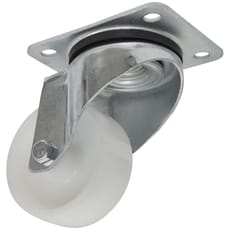
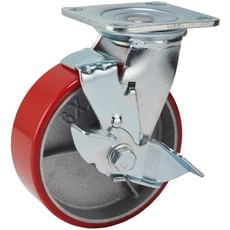
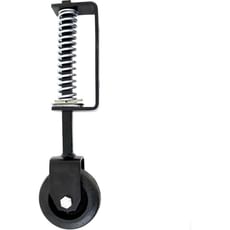
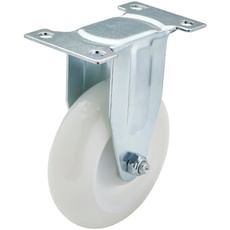
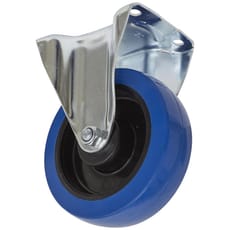
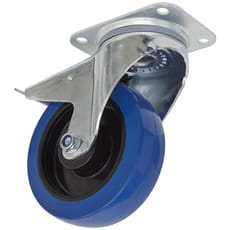
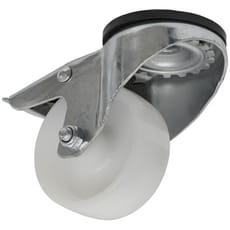
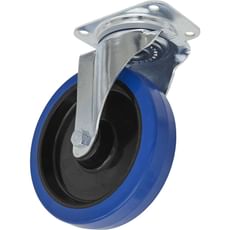
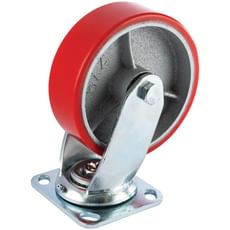
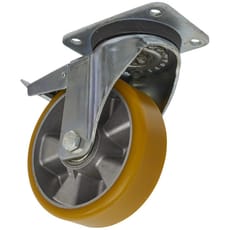

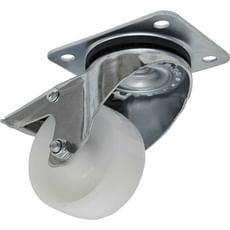
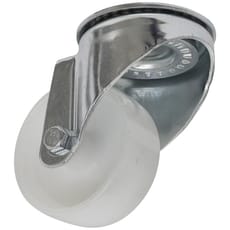
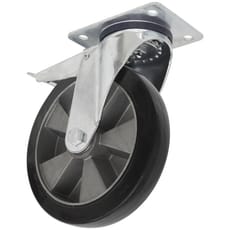
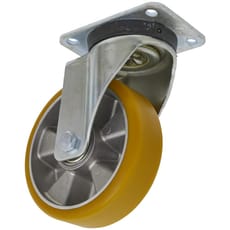
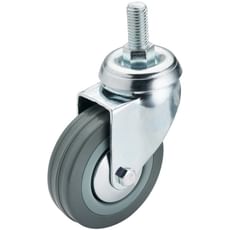
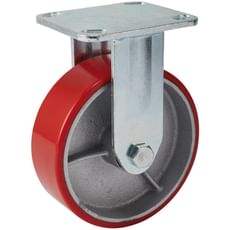
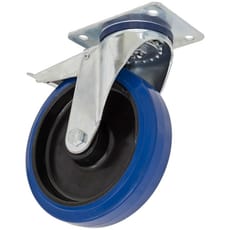
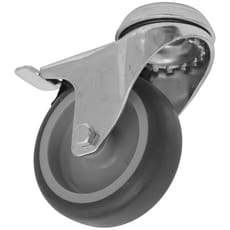
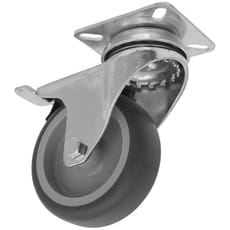
Sealey Heavy-Duty Blue Elastic Rubber Swivel Castor Wheel and Total Lock
available
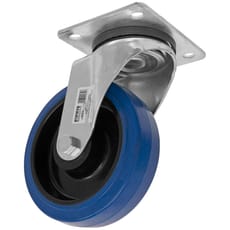
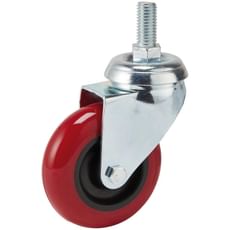
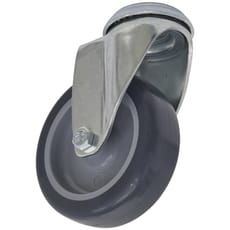
 Loading...
End of content
Error - No more pages to load
About Castors
Castors are wheeled assemblies that transform static equipment into mobile solutions, providing essential flexibility across workshops, warehouses, and industrial environments. These complete units comprise the wheel, mounting bracket, bearings, and fixing mechanism, designed to support loads ranging from lightweight tool storage to heavy industrial machinery. Whether repositioning workshop cabinets, moving material handling equipment, or creating adaptable workspaces, quality castors deliver the manoeuvrability and stability that tradespeople and DIY enthusiasts require for efficient operations.
The selection at Tooled-Up.com encompasses fixed and swivel castors with various wheel materials, fixing methods, and load capacities to suit diverse applications. Fixed castors provide directional stability for predictable straight-line movement, whilst swivel castors offer 360-degree rotation for maximum manoeuvrability. Available wheel materials include polyurethane for heavy-duty applications with excellent floor protection, nylon for smooth rolling and chemical resistance, and rubber for quiet operation on delicate flooring. Fixing options include plate fixing with four-hole mounting brackets for robust stability, and bolt fixing with threaded stems for simpler installation where undersurface access permits.
Tooled-Up stocks castors from established brands including Draper, Sealey, and Bunker, with optional brake mechanisms for secure positioning when equipment needs to remain stationary. From lightweight applications on mobile tool storage to heavy-duty variants supporting substantial workshop machinery, selecting appropriate castor specifications ensures safe operation, protects flooring investments, and enhances workplace productivity across professional and home workshop environments.
Jargon Buster
- Swivel Castor
- A castor with a rotating mounting bracket allowing 360-degree directional movement, providing maximum manoeuvrability. Typically positioned at the front of mobile units paired with fixed castors at the rear for optimal control.
- Fixed Castor
- A castor that moves only in a straight line without rotating, delivering directional stability and predictable movement patterns. Usually positioned at the rear of equipment for controlled steering.
- Load Capacity
- The maximum safe working load (SWL) that a castor can support, measured in kilograms. Calculate by dividing total equipment weight (including contents) by the number of castors, then adding a 25-30% safety margin.
- Plate Fixing
- A mounting method using a flat metal plate with four corner holes, secured with bolts or screws. Provides excellent stability and even weight distribution across the mounting surface.
- Brake Mechanism
- A foot-operated locking device that prevents wheel movement, essential for securing equipment during use. Advanced brakes lock both wheel rotation and swivel action simultaneously.
- Wheel Material
- The composition of the rolling surface, determining load capacity, floor protection, and rolling characteristics. Common materials include polyurethane (heavy-duty, floor-friendly), nylon (smooth rolling, chemical resistant), and rubber (quiet, protective).
Who Uses Castors?
Castors serve essential mobility requirements across numerous trades and applications:
- Mechanics and vehicle technicians – for mobile tool chests, engine hoists, transmission jacks, and workshop creepers
- Woodworkers and joiners – for repositioning table saws, planers, dust extractors, and timber storage racks
- Metalworkers and fabricators – for moving welding equipment, grinders, and heavy fabrication machinery
- Warehouse operatives and logistics professionals – for trolleys, roll cages, and material handling equipment
- Electricians – for mobile workbenches, cable drum dispensers, and portable tool stations
- Plumbers and heating engineers – for toolboxes, pipe benders, and equipment transporters on site
- Maintenance engineers – for service carts, diagnostic equipment trolleys, and portable tool storage
- Facilities managers – for cleaning equipment, catering trolleys, and mobile display units
- DIY enthusiasts and home workshop owners – for creating flexible workshop layouts and mobile storage solutions
- Shopfitters and retail professionals – for display units, stockroom organisation, and merchandising equipment
How to Choose the Right Castors
Load Capacity: Calculate the total weight of your equipment including maximum contents, then divide by the number of castors. Always add a 25-30% safety margin to accommodate uneven weight distribution and dynamic loading during movement. Heavy-duty polyurethane castors typically offer superior load ratings compared to nylon or rubber alternatives.
Wheel Material Selection: Polyurethane wheels deliver excellent durability and high load capacity whilst protecting floor surfaces, making them ideal for workshop machinery and industrial applications. Nylon wheels provide smooth rolling characteristics and chemical resistance but may mark softer flooring materials. Rubber wheels offer the quietest operation and superior floor protection but typically have lower load ratings, suiting lighter-duty applications.
Fixing Method: Plate fixing provides maximum stability and even load distribution, perfect for heavy equipment and workshop cabinets requiring robust mounting. Bolt fixing offers easier installation where access beneath the mounting surface is available. Ensure your equipment has adequate fixing points and structural strength to support the chosen mounting method.
Swivel versus Fixed Configuration: Most applications benefit from combining swivel castors at the front for manoeuvrability with fixed castors at the rear for directional stability. Four-swivel configurations offer maximum agility but can be harder to control in straight lines. Two-swivel, two-fixed arrangements provide the optimal balance for most workshop applications.
Brake Requirements: Equipment used in stationary positions—workbenches, machinery, tool cabinets—requires braked castors for safety compliance. Consider whether you need brakes that lock just the wheel rotation or both wheel and swivel action for maximum security during operation.
Wheel Diameter: Larger diameter wheels roll more easily over uneven surfaces, obstacles, and debris whilst reducing pushing effort. Smaller wheels suit compact equipment where low overall height is important for clearance or ergonomic considerations.
Popular Accessories
- Castor mounting plates – retrofit plates for equipment without factory fixing points
- Wheel locks and chocks – additional security preventing unwanted movement on gradients
- Tool cabinets and roller cabs – mobile storage designed to accept castor upgrades
- Workshop benches – workstations compatible with castor installations for mobile configurations
- Trolleys and material handling equipment – complementary mobile storage and transport solutions
- Levelling feet – adjustable supports for converting mobile equipment to stationary positioning
- Anti-slip mats – additional security for items placed on mobile units during transport
- Replacement wheels – spare rolling components for maintaining existing castor assemblies
Safety Information
Proper castor installation and use is essential for workplace safety and compliance with HSE guidance on manual handling equipment and mobile workplace fixtures. Never exceed the manufacturer's stated load capacity—overloading can cause catastrophic wheel failure, tipping hazards, or mounting point damage. Ensure all fixing bolts are properly tightened to specified torque values and check regularly for loosening, particularly during the first weeks of use when bedding-in occurs.
When moving heavy equipment on castors, always push rather than pull where possible, maintaining a clear view of your direction of travel. Keep the load's centre of gravity as low as possible to prevent tipping during movement or turning. On gradients, never allow mobile equipment to roll freely—maintain positive control at all times. Regularly inspect castors for wheel damage, bearing wear, mounting bracket integrity, and brake function, replacing worn components promptly to maintain safe operation.
Apply brakes on all castors when equipment is stationary and being worked on or accessed. Be particularly vigilant on smooth floors where even slight gradients may cause unexpected movement. Consider floor surface conditions—debris, liquids, or uneven surfaces significantly affect stability and control. Ensure adequate clearance around mobile equipment to prevent trapping hazards, and never overload equipment beyond its designed capacity even if castor ratings theoretically permit higher loads.
Frequently Asked Questions
What's the difference between a castor and a wheel?
A castor is a complete assembly including the wheel, mounting bracket, bearings, and fixing mechanism—essentially a ready-to-install unit. The wheel is simply the rolling component. When purchasing castors, you receive the full assembly ready to bolt onto your equipment, whereas replacement wheels are just the rolling element for existing castor frames.
How many castors do I need for my equipment?
Four castors provide optimal stability for most rectangular equipment and evenly distribute the load across mounting points. Larger or longer items such as extended workbenches may require six or more castors to prevent sagging and ensure even weight distribution. Always consult load capacity ratings based on your total castor count, remembering that weight may not distribute perfectly evenly.
Can I mix fixed and swivel castors on the same equipment?
Yes, mixing fixed and swivel castors is actually recommended for most applications. The standard configuration uses two swivel castors at the front for manoeuvrability and two fixed castors at the rear for directional stability, making equipment easier to control whilst maintaining good steering capability. This arrangement prevents the unpredictable movement that can occur with four swivel castors.
Will castors damage my workshop floor?
Floor protection depends on wheel material and maintenance. Rubber and polyurethane wheels offer excellent floor protection and won't mark most surfaces including epoxy-coated concrete, vinyl, and timber. Nylon wheels may scuff softer floors. Always keep wheels clean and free from embedded debris, swarf, or grit that could scratch flooring, and avoid spinning wheels whilst stationary which can cause scuff marks.
How often should I replace castors?
Replace castors when you notice uneven wheel wear, bearing roughness or excessive noise, cracks or flat spots in the wheel material, bent or damaged mounting brackets, or unreliable brake operation. Regular inspection every three to six months in professional environments helps identify wear before failure occurs. In demanding industrial settings with heavy loads and frequent movement, annual replacement may be necessary to maintain safety and performance standards.