

Cement Edgers

Pay in 3 interest-free payments on purchases from £20-£3000 with  . Learn more.
 Loading...
End of content
Error - No more pages to load
About Cement Edgers
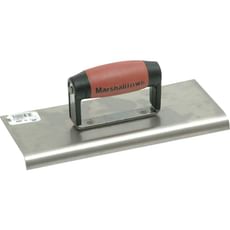
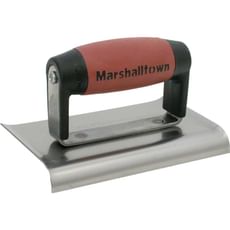
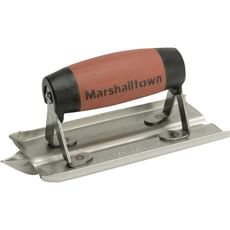
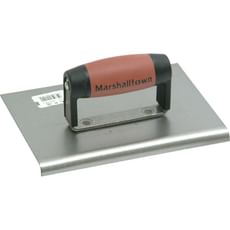
Cement edgers, also known as concrete edgers or edge tools, are specialist hand tools designed to create smooth, professional-looking rounded edges on fresh concrete and cement surfaces. These essential finishing tools prevent chipping and cracking along the edges of slabs, paths, driveways, and steps whilst giving completed work a polished, professional appearance. The curved edge profile they create not only improves aesthetics but also significantly extends the lifespan of concrete work by reducing vulnerability to damage from traffic, weather, and general wear.
The selection at Tooled-Up.com features professional-grade cement edgers from Marshalltown, one of the most trusted names in concrete finishing equipment. Available in various sizes and handle configurations including traditional wood handles and ergonomic DuraSoft grips, these edgers come in both carbon steel and stainless steel construction. Whether you're working on small domestic patios or large commercial concrete pours, having the right edger ensures crisp, consistent edges that mark the difference between amateur and professional concrete finishing work.
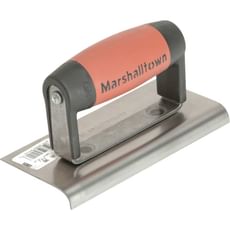
Cement edgers typically feature a flat base plate with a curved lip along one edge, mounted to a handle that allows the operative to work whilst standing. The radius of the curved edge varies between models, with deeper profiles suited to heavier-duty applications and shallower curves ideal for decorative finish work. Premium stainless steel models offer superior durability and easier cleaning, making them the preferred choice for contractors who depend on their tools day after day.
Jargon Buster
- Edging: The process of rounding off and smoothing the edges of fresh concrete to create a finished appearance and prevent chipping. This is typically done after floating but before final trowelling.
- Radius: The curvature measurement of the edger's lip, which determines how rounded the finished edge will be. Common radii range from 6mm to 13mm (1/4" to 1/2"), with larger radii creating more pronounced rounded edges.
- Stainless Steel Construction: Edgers manufactured from stainless steel offer superior rust resistance and longevity compared to carbon steel alternatives. They're easier to clean and maintain, though typically cost more initially.
- DuraSoft Handle: Marshalltown's proprietary ergonomic handle design featuring a soft rubber grip that reduces hand fatigue during extended use and provides better control in wet conditions.
- Bit Depth: The measurement of how far the curved lip extends down from the flat base plate. Greater bit depth allows for working on thicker concrete sections and creating more defined edges.
- Working Green Concrete: The industry term for finishing concrete whilst it's still workable but has begun to set. Edging must be done at precisely the right moment – too early and the concrete tears, too late and the tool won't form the edge properly.
Who Uses Cement Edgers?
- Concreters and cement finishers who specialise in laying and finishing concrete slabs, paths, and driveways
- General builders working on foundations, floor slabs, and structural concrete work
- Landscape gardeners and groundworkers installing patios, garden paths, and decorative concrete features
- Highway maintenance contractors repairing pavements, kerbs, and roadway sections
- Civil engineering contractors working on infrastructure projects requiring concrete finishing
- Property maintenance teams for councils, housing associations, and commercial property management
- Serious DIY enthusiasts tackling home improvement projects involving concrete work such as shed bases, garden paths, or patio installations
- Agricultural contractors installing concrete yards, silage pits, and livestock housing floors
How to Choose the Right Cement Edgers
Size and Length: Cement edgers typically range from 150mm to 460mm (6" to 18") in length. Smaller edgers offer greater manoeuvrability for detailed work, tight corners, and decorative applications, whilst longer edgers cover more ground quickly and help maintain straight edges on larger projects. Consider the typical scale of your work when selecting.
Material Construction: Carbon steel edgers are economical and perfectly adequate for occasional use or budget-conscious buyers. However, stainless steel models resist rust, clean more easily, and last significantly longer under professional use. If you're working daily or in wet conditions, stainless steel quickly justifies the additional investment through extended tool life.
Handle Type: Traditional wooden handles offer a classic feel and are easily replaced if damaged, whilst modern DuraSoft ergonomic handles reduce hand fatigue during extended use and provide superior grip in wet conditions. If you're edging large areas regularly, the comfort benefits of ergonomic handles become significant.
Edge Radius: The curvature of your edger determines the profile of the finished edge. Standard radii around 6-10mm suit most general applications, whilst larger radii create more pronounced rounded edges for heavy-duty work or areas with significant traffic. Match the radius to your project requirements and the aesthetic you're aiming to achieve.
Professional vs DIY Use: Occasional DIY users can work successfully with entry-level carbon steel edgers, but professional concreters should invest in stainless steel models from reputable manufacturers like Marshalltown. Professional-grade tools available from Tooled-Up maintain their working edge better and withstand the rigours of daily site use.
Popular Accessories
- Concrete floats and trowels for smoothing the concrete surface before and after edging
- Groovers and jointing tools for creating control joints in concrete slabs
- Bull floats for levelling and smoothing large concrete areas
- Knee pads and kneelers for comfort when working on slab-level concrete
- Hand brushes for creating textured non-slip finishes on edged concrete
- Cement mixing tools and paddles for preparing the concrete mixture
- Spirit levels for ensuring edges remain true and level
- Tool cleaning solutions for removing concrete residue and maintaining your edgers
- Work gloves suitable for cement work to protect hands from alkaline concrete
- Tool bags and storage cases for transporting and protecting finishing tools on site
Safety Information
When working with cement edgers and fresh concrete, always wear appropriate personal protective equipment. Wet concrete is highly alkaline and can cause serious chemical burns with prolonged skin contact, so waterproof gloves rated for cement work are essential. Safety boots with steel toecaps protect feet from heavy equipment and wet concrete, whilst knee pads prevent concrete contact if kneeling during edge work.
Be aware of the physical demands of concrete finishing work. Edging requires repetitive movements and sustained awkward postures that can lead to musculoskeletal disorders. Take regular breaks, vary your working position where possible, and use ergonomic tools to minimise strain. Ensure adequate ventilation when working indoors, as concrete curing releases moisture that can create slippery conditions.
Clean your edgers immediately after use, as dried concrete becomes extremely difficult to remove and can damage the tool's working surface. When cleaning, avoid letting concrete wash into drains where it can set and cause blockages. Always consult COSHH data sheets for any concrete additives or sealers you're using, as these may introduce additional hazards. Store edgers in a dry location to prevent rust on carbon steel models and maintain wooden handles in good condition.
Frequently Asked Questions
When should I edge concrete after pouring?
Edge concrete when it has firmed sufficiently that the edger doesn't sink into the surface but is still workable enough for the tool to form a smooth edge – typically when the concrete holds a thumb impression about 6mm deep. This is usually 1-4 hours after pouring, depending on weather conditions, concrete mix, and temperature. Working too early causes the edge to slump, whilst waiting too long makes edging difficult and can result in cracking.
What's the difference between an edger and a groover?
Cement edgers create rounded edges along the perimeter of concrete work, whilst groovers (also called jointing tools) cut control joints across the concrete surface to control where cracking occurs. Edgers work around the outside edges; groovers work across the face. Both are essential finishing tools but serve completely different purposes in concrete work.
Do I really need a stainless steel edger or will carbon steel do?
For occasional DIY use, a carbon steel edger is perfectly adequate and represents good value. However, if you're a professional concreter or use your edger regularly, stainless steel is worth the investment. It resists corrosion far better, cleans more easily, maintains its working edge longer, and will outlast several carbon steel alternatives. The reduced maintenance and extended lifespan make stainless steel more economical for professional use.
How do I prevent my edger from sticking to the concrete?
Keep your edger clean and occasionally dip it in water whilst working to prevent concrete from building up on the tool. Don't over-wet the concrete surface itself, as this weakens the finished edge. Work with smooth, consistent strokes rather than stopping and starting, which can cause the tool to drag. Quality stainless steel edgers generally release from concrete more cleanly than carbon steel alternatives.
What size cement edger should I buy for general use?
For versatile general-purpose work, a 300-380mm (12-15") edger with a medium radius (around 6-10mm) suits most applications. This length provides good control whilst covering ground efficiently. Smaller edgers around 150-180mm are useful for detailed work and tight spaces, whilst longer 460mm models speed up work on large slabs but require more skill to control accurately. Many professional concreters keep multiple sizes to suit different situations.