

Cement Trowels

Pay in 3 interest-free payments on purchases from £20-£3000 with  . Learn more.
 Loading...
End of content
Error - No more pages to load
About Cement Trowels
Cement trowels are essential hand tools for anyone working with concrete, cement renders, screeds, and other cementitious materials. Designed specifically for spreading, smoothing, and finishing cement-based products, these trowels feature robust construction and carefully engineered blade profiles that allow tradespeople to achieve professional results across a wide range of applications. Whether you're laying concrete slabs, applying render to external walls, or finishing swimming pool surfaces, having the right cement trowel makes all the difference to the quality and efficiency of your work.
The cement trowel range at Tooled-Up.com includes premium options from industry-leading manufacturers such as Marshalltown and Faithfull. These tools are available in various sizes and specifications, from standard finishing trowels to specialised large swimming pool trowels. Quality cement trowels are typically manufactured from either high-carbon steel or stainless steel, with the latter offering superior rust resistance and easier cleaning – particularly important when working with corrosive cement mixtures. The blade flexibility, handle comfort, and overall balance of a cement trowel significantly impact the user's ability to achieve a smooth, even finish.
Professional-grade cement trowels feature durable mounting systems that secure the blade firmly to the handle, preventing the wobble and flex that can ruin a finish. Many models incorporate ergonomically designed handles with comfortable grips that reduce hand fatigue during extended use on site. Whether you're a professional bricklayer, plasterer, or concrete finisher, or a serious DIY enthusiast tackling groundwork projects, investing in a quality cement trowel from trusted brands like Marshalltown ensures you have the reliability and performance needed for consistently excellent results.
Jargon Buster
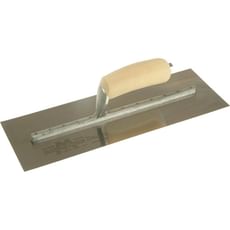
- Finishing Trowel: A flat-bladed trowel used for the final smoothing and finishing of cement or concrete surfaces, creating a smooth, level appearance once the material begins to set.
- Stainless Steel Blade: A trowel blade manufactured from corrosion-resistant stainless steel, which prevents rust, is easier to clean, and provides a smoother finish with less material drag compared to standard steel.
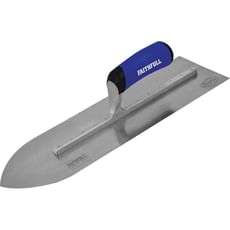
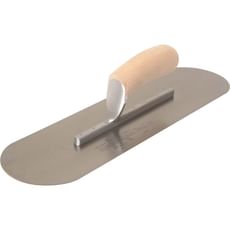
- Swimming Pool Trowel: A specialised, typically larger cement trowel designed for finishing curved surfaces and large flat areas such as swimming pool bases and walls, usually featuring rounded edges to prevent gouging.
- Blade Flexibility: The degree to which a trowel blade can flex during use – important for achieving smooth finishes, as the right amount of flex allows the blade to follow surface contours without digging in.
- Tang: The part of the trowel blade that extends into and connects with the handle, critical for tool durability and preventing separation during heavy use.
- Prestige Grade: A quality designation indicating professional-grade construction with premium materials, superior finish, and enhanced durability for demanding trade use.
Who Uses Cement Trowels?
Cement trowels are indispensable tools for a wide range of construction and building professionals, including:
- Bricklayers and Blocklayers: For spreading and finishing cement mortar and working with concrete blocks
- Plasterers and Renderers: For applying and smoothing cement-based renders on external walls
- Concrete Finishers: Specialists who finish concrete floors, driveways, and structural elements
- General Builders: For various cement and concrete work across building projects
- Groundworkers: For finishing concrete bases, footings, and external hardstanding areas
- Swimming Pool Installers: For rendering and finishing pool structures and surrounds
- Landscape Contractors: For laying concrete paths, patios, and garden features
- Maintenance Teams: For repair work involving cement-based materials in commercial and industrial settings
- Serious DIY Enthusiasts: Homeowners tackling concrete laying, rendering, or patio projects
How to Choose the Right Cement Trowels
Selecting the appropriate cement trowel depends on several important factors:
Blade Material: Stainless steel blades offer superior rust resistance, easier cleaning, and smoother finishes, making them ideal for professional use and corrosive environments. High-carbon steel options provide excellent durability at a lower price point but require more maintenance to prevent rust.
Size and Application: Standard finishing trowels typically range from 280mm to 400mm in length. Larger trowels cover more area quickly and are ideal for extensive flat surfaces, whilst smaller trowels offer better control in confined spaces or detailed work. Swimming pool trowels are considerably larger for covering curved surfaces efficiently.
Handle Design: Ergonomic handles with comfortable grips reduce hand fatigue during prolonged use. Consider the handle mounting style – better quality trowels feature robust tang and handle connections that won't loosen or separate under heavy use. Some professionals prefer wooden handles for traditional feel, whilst others opt for modern composite materials that resist moisture damage.
Blade Shape and Profile: Standard flat finishing trowels work for most applications, whilst rounded-edge swimming pool trowels prevent gouging on curved surfaces. The blade should have appropriate flexibility – too stiff and you'll struggle to achieve smooth finishes; too flexible and you'll lack control.
Brand Quality: Trusted manufacturers like Marshalltown and Faithfull produce cement trowels with consistent quality, proper heat treatment, and reliable construction that stands up to daily professional use. Their prestige and professional ranges offer enhanced durability for demanding site work.
Popular Accessories
To get the most from your cement trowels and improve your efficiency on site, consider these complementary products available from Tooled-Up:
- Plastering and Rendering Tools: Hawks, floats, and finishing sponges for different stages of cement work
- Mixing Tools: Paddle mixers and mixing buckets for preparing cement-based materials
- Cleaning Brushes: Stiff-bristled brushes for removing dried cement from trowel blades
- Tool Pouches and Belts: For keeping trowels accessible whilst working at height or moving around site
- Knee Pads: Essential PPE for protecting knees during floor finishing work
- Spirit Levels: For checking finished surfaces are level and true
- Work Gloves: Protective gloves that guard against the caustic nature of wet cement
- Tool Bags: Durable storage solutions for transporting trowels between jobs without damage
- Measuring Tapes: For accurate layout and section marking before cement application
Safety Information
When working with cement trowels and cementitious materials, observe these important safety considerations:
Skin Protection: Wet cement is highly alkaline and can cause serious chemical burns with prolonged contact. Always wear appropriate work gloves when handling cement-based materials, and wash any skin contact immediately with clean water. Consider barrier creams for additional protection.
Manual Handling: Repetitive trowelling motions can lead to strain injuries, particularly affecting wrists, elbows, and shoulders. Take regular breaks, use ergonomic tools where possible, and maintain good posture whilst working. The HSE provides guidance on preventing work-related upper limb disorders.
Working at Height: When using cement trowels on elevated surfaces or scaffolding, ensure proper edge protection is in place and tools are secured when not in use to prevent dropping hazards.
Tool Maintenance: Keep trowel blades clean and edges smooth to prevent snagging injuries. Store tools safely with blade edges protected to prevent accidental cuts during retrieval from tool bags.
Frequently Asked Questions
What's the difference between a plastering trowel and a cement trowel?
Whilst similar in appearance, cement trowels are typically more robust with thicker, stiffer blades designed to handle the heavier texture and abrasiveness of cement-based materials. Plastering trowels have more flexible blades suited to smoother finishing plasters. Many cement trowels can handle both applications, but plastering trowels may not withstand the demands of heavy cement work.
Should I choose stainless steel or carbon steel for my cement trowel?
Stainless steel offers excellent rust resistance and easier cleaning, making it the preferred choice for professionals who use their trowels daily and in varied weather conditions. The blades also provide a smoother finish with less material drag. Carbon steel trowels are more economical and perfectly adequate for occasional use or when budget is a priority, but they require more maintenance to prevent corrosion.
How do I clean and maintain my cement trowel?
Clean your cement trowel immediately after use, before cement has fully hardened. Use a stiff brush and water to remove material, then dry thoroughly. For stubborn dried cement, soak briefly in water to soften before scrubbing. Stainless steel blades need minimal maintenance beyond cleaning, whilst carbon steel blades benefit from a light coating of oil to prevent rust. Store trowels in a dry location with blades protected.
What size cement trowel should I buy?
For general cement finishing work, a trowel between 330mm and 400mm provides a good balance of coverage and control. Larger trowels (400mm+) are efficient for extensive flat areas like floors and driveways but require more skill to handle. Smaller trowels offer better precision for detailed work and confined spaces. Many professionals keep several sizes for different applications.
Can I use a cement trowel for other materials?
Quality cement trowels are versatile and can handle various materials including concrete, mortar, render, screed, and even heavier finishing plasters. However, they're not ideal for fine gypsum plasters where a dedicated plastering trowel's flexibility provides better results. Stainless steel cement trowels are particularly versatile across different cementitious applications.