

Ceramic Heaters
Pay in 3 interest-free payments on purchases from £30-2000 with  . Learn more.
 Loading...
End of content
Error - No more pages to load
About Ceramic Heaters
Ceramic heaters are robust, energy-efficient heating solutions designed specifically for workshops, garages, construction sites, and commercial spaces where reliable warmth is essential. Unlike traditional fan heaters, ceramic heaters utilise advanced ceramic heating elements that reach operating temperature rapidly and distribute heat more evenly throughout the space. These professional-grade units are built to withstand the demanding conditions of site work and industrial environments, offering superior durability compared to domestic heating appliances.
The ceramic heating element at the core of these units offers significant advantages for tradespeople and professionals. The self-regulating nature of ceramic materials means they maintain a consistent temperature without overheating, whilst the built-in fans distribute warm air efficiently across larger areas. Many models feature adjustable thermostats, multiple heat settings, and safety cut-off switches, making them ideal for prolonged use in workshops where maintaining a comfortable working temperature is crucial for productivity and comfort.
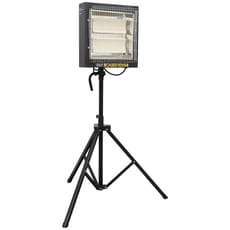
Available in various configurations from compact portable units to larger workshop heaters with telescopic tripod stands, ceramic heaters from trusted brands like Sealey and Faithfull provide flexible heating solutions for any professional environment. Whether you're working in a cold garage during winter months, need supplementary heating on a construction site, or require a reliable heat source for curing materials, the selection at Tooled-Up.com delivers consistent performance with lower energy consumption than traditional heating methods.
Jargon Buster
- Ceramic Heating Element – A positive temperature coefficient (PTC) ceramic component that generates heat when electrical current passes through it. Self-regulating to prevent overheating and more energy-efficient than traditional wire heating elements.
- Thermostat Control – An automatic temperature regulation system that cycles the heater on and off to maintain a preset temperature, reducing energy consumption and preventing excessive heat build-up in enclosed spaces.
- Thermal Cut-Out – A critical safety feature that automatically switches off the heater if internal temperatures exceed safe operating limits, preventing fire hazards and equipment damage.
- kW Rating – Kilowatt rating indicating the heater's power consumption and heat output. Most professional ceramic heaters range from 2kW to 3kW, suitable for spaces up to 30 square metres.
- IP Rating – Ingress Protection rating showing the unit's resistance to dust and moisture. Higher IP ratings indicate better suitability for dusty workshop environments and outdoor site use.
- Tip-Over Switch – An automatic safety mechanism that cuts power immediately if the heater is knocked over or tilted beyond a safe angle, preventing potential fire hazards on busy work sites.
Who Uses Ceramic Heaters?
Ceramic heaters are essential equipment for a wide range of trades and professional applications:
- Mechanics and Auto Electricians – maintaining comfortable workshop temperatures for vehicle repairs and diagnostics
- Joiners and Carpenters – heating workshops and drying timber materials in cold conditions
- Builders and General Contractors – providing temporary heating on construction sites and in unfinished buildings
- Painters and Decorators – accelerating paint and plaster drying times in cold environments
- Garage Owners and Workshop Managers – maintaining comfortable working conditions for staff and customers
- Warehouse and Storage Facility Operators – preventing frost damage and maintaining ambient temperatures
- Events and Marquee Hire Companies – providing portable heating solutions for temporary structures
- Agricultural Workers – protecting equipment and materials in barns and outbuildings
- DIY Enthusiasts and Home Workshop Owners – ensuring year-round comfort in garage workshops and sheds
How to Choose the Right Ceramic Heaters
Selecting the appropriate ceramic heater for your requirements involves considering several key factors:
Heat Output and Coverage: Calculate your space size in square metres and choose a heater with adequate kW rating. As a general rule, 2kW heaters suit spaces up to 20 square metres, whilst 3kW models can effectively heat areas up to 30 square metres. Consider ceiling height and insulation quality when making your selection.
Portability Requirements: Determine whether you need a fixed workshop heater or a portable unit for multiple locations. Models with carry handles and robust casings suit site work, whilst heaters with telescopic tripod stands offer adjustable height positioning for optimal heat distribution in larger workshops.
Power Supply Availability: Verify that your electrical supply can support the heater's requirements. Most ceramic heaters operate on standard 240v UK mains supply with 13A plugs, but check your circuit capacity, especially when running other equipment simultaneously. Extension lead specifications matter on site work.
Safety Features: Prioritise models with thermal cut-out protection, tip-over switches, and cool-touch casings if working in busy environments where accidental contact is possible. HSE guidelines recommend these features for workplace heating equipment.
Environment Conditions: Consider whether you're working in dusty, damp, or outdoor conditions. Look for heaters with adequate IP ratings and robust construction. Stainless steel or powder-coated finishes withstand workshop environments better than plastic housings.
Adjustability and Control: Multiple heat settings and adjustable thermostats provide better energy efficiency and temperature control, particularly important for prolonged use or overnight operation in commercial premises.
Popular Accessories
- Heavy-Duty Extension Leads – industrial-grade cables rated for high-wattage heating appliances
- Timer Plugs – programmable controls for automated heating schedules, reducing energy costs
- Protective Heater Guards – additional safety screening for high-traffic workshop areas
- Tripod Stand Extensions – adjustable height supports for optimised heat distribution
- Cable Management Reels – safe storage and deployment of power cables on site
- Weatherproof Covers – protective storage solutions for outdoor or damp environments
- Portable RCD Adaptors – additional electrical safety protection for site work
- Thermometers and Temperature Monitors – accurate ambient temperature measurement for efficient heating control
Safety Information
Ceramic heaters are generally safe when used correctly, but following proper safety protocols is essential in professional environments:
Electrical Safety: Always connect ceramic heaters directly to mains sockets where possible. If extension leads are necessary, ensure they're rated for the heater's full wattage (typically 13A minimum). Never daisy-chain multiple extension leads or overload circuits. Regularly inspect plugs, cables, and connections for damage, and replace immediately if worn or frayed.
Placement and Clearance: Position heaters on stable, level surfaces away from combustible materials. Maintain minimum clearances of 1 metre from walls, furniture, flammable substances, and storage areas. Never place heaters where they might be knocked over by personnel or equipment movement. Avoid positioning near doorways or high-traffic areas.
Ventilation Requirements: Whilst ceramic heaters don't produce combustion gases, adequate ventilation prevents excessive dryness and maintains air quality. Never operate heaters in completely sealed spaces or use them to dry flammable materials such as paint-soaked rags or petrol-contaminated clothing.
Supervision and Shutdown: Never leave ceramic heaters unattended when operating, especially overnight or when premises are unoccupied. Always switch off and unplug heaters when leaving the workspace. Allow adequate cooling time before storing or transporting units.
PAT Testing: Professional ceramic heaters used in commercial or workplace settings should undergo regular Portable Appliance Testing (PAT) in accordance with HSE guidelines. Maintain records of inspections and immediately withdraw any failed units from service.
Frequently Asked Questions
Are ceramic heaters more economical than traditional fan heaters?
Yes, ceramic heaters are generally more energy-efficient than conventional fan heaters. The ceramic heating element reaches operating temperature faster and maintains consistent heat with less energy input. The self-regulating properties of ceramic materials mean they don't waste electricity overheating, and combined with thermostat controls, they cycle more efficiently, reducing overall running costs whilst maintaining comfortable workshop temperatures.
Can I use a ceramic heater in a damp garage or outdoor covered area?
This depends on the specific model's IP rating and manufacturer specifications. Most standard ceramic heaters are designed for dry indoor environments. However, some industrial models feature enhanced weather resistance suitable for semi-outdoor use. Always check the IP rating and never use heaters in areas where they might come into direct contact with water. For damp environments, look for models specifically rated for such conditions and ensure adequate electrical protection with RCD devices.
How long can I safely run a ceramic heater continuously?
Quality professional ceramic heaters from brands like Sealey and Faithfull available from Tooled-Up.com are designed for extended operation and can run continuously when properly ventilated and maintained. However, it's good practice to allow periodic cool-down periods and never leave heaters unattended for prolonged periods. Always follow the manufacturer's specific guidance on duty cycles, and ensure thermostats are functioning correctly to prevent continuous operation at maximum output.
Do ceramic heaters require any regular maintenance?
Ceramic heaters require minimal maintenance but benefit from regular attention. Keep air intake and outlet grilles clean and dust-free using a soft brush or vacuum cleaner to maintain efficient airflow. Periodically inspect electrical connections, plugs, and cables for wear. Check that safety features like tip-over switches and thermal cut-outs function correctly. Annual PAT testing is recommended for workplace environments, and always refer to manufacturer guidelines for specific maintenance schedules.
What size ceramic heater do I need for my workshop?
As a general guide, you'll need approximately 100 watts per square metre of floor space in a reasonably insulated building. For a typical single garage workshop (approximately 20 square metres), a 2kW ceramic heater provides adequate heating. Larger double garages or workshop spaces up to 30 square metres benefit from 3kW models. Consider factors like ceiling height, insulation quality, and ambient temperature when sizing. In poorly insulated spaces or for faster heating, opt for higher capacity units or multiple heaters positioned strategically.