

Chain Breakers & Chain Tools
Pay in 3 interest-free payments on purchases from £30-2000 with  . Learn more.
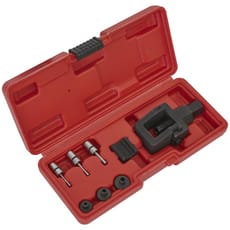
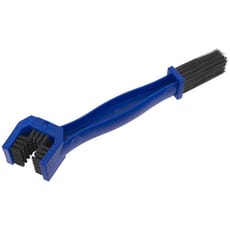

 Loading...
End of content
Error - No more pages to load
About Chain Breakers & Chain Tools
Chain breakers and chain tools are indispensable pieces of equipment for anyone who maintains motorcycles, bicycles, or machinery with roller chain drives. These specialist tools enable you to safely remove, install, and service drive chains without causing damage to components or risking injury. Whether you're a professional motorcycle mechanic working in a busy workshop or a DIY enthusiast servicing your own bike at home, having the right chain maintenance equipment ensures jobs are completed properly and efficiently. The selection available from Tooled-Up.com includes everything from basic chain splitters through to comprehensive maintenance kits containing brushes, cleaning accessories, and split link pliers.
Professional-grade chain breaking tools from leading brands such as Sealey and Draper are designed to handle the demanding requirements of regular workshop use whilst remaining accessible enough for home mechanics. Most modern chain breakers feature adjustable designs to accommodate different chain sizes and pitches, making them versatile additions to any toolkit. From entry-level chain splitters suitable for occasional maintenance through to heavy-duty combined breaker and riveting tools built for daily workshop use, these precision instruments allow you to separate, resize, and reconnect chains with confidence and accuracy.
Proper chain maintenance is crucial for safety, performance, and longevity of motorcycles and machinery. Regular cleaning, lubrication, and tension adjustment can significantly extend chain life, whilst a quality chain breaker allows you to replace worn chains quickly and safely. Many professional mechanics invest in complete chain tool kits that provide all the necessary equipment for comprehensive chain servicing, from initial removal through to final adjustment and lubrication. With chains requiring replacement every 15,000-25,000 miles depending on usage and maintenance, having reliable tools to hand helps keep motorcycles and equipment operating safely and efficiently.
Jargon Buster
- Chain Breaker/Chain Splitter: A tool designed to push out the retaining pins from chain links, allowing you to separate the chain for removal or resizing. Essential for servicing sealed and unsealed motorcycle chains across various pitch sizes.
- Chain Riveting Tool: Used to install new connecting links by flaring or "mushrooming" the ends of the connecting pin to secure it permanently. Professional kits often combine breaking and riveting functions in one unit with interchangeable attachments.
- Split Link/Master Link: A removable connecting link that allows chain removal without using a chain breaker. Split link pliers are specifically designed to safely install and remove these links without damaging the retaining clips.
- Chain Pitch: The distance between the centres of two adjacent pins, typically measured in eighths of an inch. Common motorcycle chain pitches include 420, 520, 525, and 530, with the first digit representing the pitch measurement.
- O-Ring/X-Ring Chain: Sealed chains that use rubber rings between the side plates to retain lubrication and exclude dirt. These require specific maintenance products that won't damage or degrade the seals, extending chain life significantly.
- Side Plate: The outer and inner plates of a roller chain that connect the pins and rollers together. Chain breakers must be carefully aligned to avoid damaging these plates during pin removal or installation operations.
Who Uses Chain Breakers & Chain Tools?
- Motorcycle mechanics working in dealerships, independent garages, and MOT centres
- Mobile motorcycle technicians providing on-site servicing and repairs
- Motorcycle enthusiasts and home mechanics maintaining their own bikes
- Bicycle shop technicians servicing high-performance and electric bikes
- Agricultural engineers maintaining machinery with chain drives
- Plant and machinery fitters working with industrial equipment
- Motorcycle racing teams and track day participants requiring frequent chain changes
- Couriers and delivery riders performing their own maintenance to reduce downtime
- Off-road and trials riders who regularly adjust and replace chains due to harsh conditions
- Karting mechanics servicing racing karts with exposed chain drive systems
How to Choose the Right Chain Breakers & Chain Tools
Selecting the appropriate chain tools depends on several important factors. Firstly, consider the type and size of chains you'll be working with. Motorcycle chains typically range from 420 to 630 pitch, so ensure your chain breaker can accommodate the sizes you need. Professional mechanics should opt for heavy-duty models with robust construction that can withstand daily workshop use, whilst occasional users may find standard-duty tools perfectly adequate for home maintenance. The range at Tooled-Up.com includes both professional-grade and entry-level options to suit different requirements and budgets.
Quality and precision are paramount when choosing chain breaking tools. Look for products from established brands like Sealey and Draper that offer accurate pin alignment and smooth operation. A poorly made chain breaker can damage chain plates or break pressing pins, potentially ruining an expensive chain. Features such as adjustable pressure screws, replaceable pressing pins, and sturdy mounting options all contribute to better results and longer tool life. Expert Quality tools typically include hardened steel components and precision-machined pressing pins that maintain alignment even after repeated use.
Consider whether you need individual tools or a complete kit. Comprehensive maintenance kits typically include a chain breaker, riveting tool, cleaning brushes, and split link pliers, providing everything needed for complete chain servicing. These kits often represent better value for money and ensure you have all the necessary equipment to hand. For professional workshops, investing in separate high-quality individual tools may be preferable, allowing you to choose the best tool for each specific task and replace individual components as they wear.
Finally, think about portability and storage requirements. Some chain breakers are designed to be mounted in a vice or on a workbench, offering maximum stability for precise work. Others are more compact and portable, ideal for mobile mechanics or riders who need to carry tools with them. Many modern designs strike a balance, offering both bench-mounting holes and compact dimensions suitable for toolbox storage. Consider also whether you need tools that work with both cam chains and final drive chains, as some breakers handle the full range from lightweight No.25 cam chains through to heavy-duty 520 motorcycle drive chains.
Popular Accessories
- Chain cleaning brushes - specialist brushes designed to clean all surfaces of the chain simultaneously
- Chain lubricants and cleaners - formulated specifically for O-ring and X-ring sealed chains
- Split links and connecting links - replacement master links in various sizes and strength ratings
- Chain alignment tools - ensure accurate rear wheel alignment for optimal chain life and performance
- Paddock stands and rear lifts - provide safe, stable access to the chain for maintenance work
- Replacement pressing pins - spare pins for chain breakers to ensure continued precision
- Chain measurement tools - quickly check chain wear and stretch to determine replacement intervals
- Workshop vice - provides secure mounting for chain breaker tools during use
- Drip trays and cleaning mats - protect workshop floors from chain lubricant and cleaner
- Safety glasses and protective gloves - essential PPE for chain maintenance work
Safety Information
When using chain breakers and chain tools, always observe proper safety precautions to prevent injury and equipment damage. Ensure chains are thoroughly cleaned before working on them to avoid contact with potentially harmful degreasers and old lubricant. Wear appropriate PPE including safety glasses to protect your eyes from metal fragments and chemical splashes, and use protective gloves when handling chains and chemicals. The HSE recommends suitable hand protection when working with maintenance chemicals and mechanical components.
Never attempt to break or rivet a chain whilst it's under tension or still fitted to the vehicle. Always remove the chain completely or ensure adequate slack before using chain tools. When operating a chain breaker, apply pressure gradually and evenly to avoid breaking the pressing pin or damaging the chain plates. If excessive force is required, stop and check your alignment – the tool may not be properly positioned. For heavy-duty 520 drive chains, you may need to grind off the rivet head first before attempting to press out the pin.
Follow manufacturer instructions carefully, particularly regarding chain rivet installation. Over-riveting can weaken the connection, whilst under-riveting may result in the link failing during use, which could cause serious accidents. After installing a new chain or connecting link, always check the connection thoroughly before use and perform a final inspection after the first few miles of operation. Ensure your workspace is well-ventilated when using chain cleaners and lubricants, and dispose of old chains, links, and contaminated cleaning materials responsibly in accordance with local environmental regulations and COSHH guidelines.
Frequently Asked Questions
Can I use the same chain breaker for bicycle and motorcycle chains?
Whilst some chain breakers are adjustable enough to handle both, motorcycle chains are generally much heavier duty than bicycle chains and require more robust tools. Motorcycle chain breakers typically handle chains from 420 to 630 pitch, whereas bicycle chain tools are designed for narrower 1/8" and 3/32" chains. For best results and to avoid damaging your tools, use equipment specifically designed for the type of chain you're working with. Tooled-Up stocks dedicated tools for both applications.
Do I need a chain breaker if I use split links?
Split links or master links allow chain removal without a chain breaker, making them convenient for regular maintenance. However, many motorcycle manufacturers don't recommend split links for high-performance applications due to safety concerns, and some chains don't accommodate them. Professional mechanics typically use properly riveted connecting links for permanent installations and reliability. A quality chain breaker remains essential for these applications and for resizing chains to the correct length.
How often should I service my motorcycle chain?
Chain maintenance frequency depends on usage, conditions, and chain type. As a general guide, clean and lubricate your chain every 300-600 miles for road use, or after every ride in wet or off-road conditions. Check tension and alignment every 500 miles. Most motorcycle chains require replacement every 15,000-25,000 miles, though this varies significantly with riding style, maintenance quality, and whether you have a sealed O-ring or X-ring chain.
What's the difference between breaking and riveting tools?
A chain breaker (or splitter) pushes out the retaining pins to separate chain links, whilst a riveting tool flares the ends of new connecting pins to secure them permanently. Many professional-grade tools from brands like Sealey and Draper combine both functions in one unit, with different attachments or settings for breaking and riveting operations. Entry-level kits may include separate tools for each function, which can actually provide better control for inexperienced users.
Can damaged chain tools affect my chain's performance?
Absolutely. Worn or damaged pressing pins can slip during use, scratching chain plates or breaking off inside the chain. Misaligned tools can bend pins or crack side plates, creating weak points that may fail during use with potentially dangerous consequences. Always inspect your chain tools before use, replace worn components promptly, and invest in quality tools from reputable brands that offer replacement parts and reliable performance over time.