

Chain Tools

Pay in 3 interest-free payments on purchases from £20-£3000 with  . Learn more.
 Loading...
End of content
Error - No more pages to load
About Chain Tools
Chain tools are specialised instruments designed for the maintenance, repair, and adjustment of bicycle chains and other similar drive chain systems. Whether you're a professional bicycle mechanic, a keen cycling enthusiast, or a mobile bike repair service, having the right chain tools in your workshop or toolkit is essential for ensuring smooth, efficient chain operation and extending the lifespan of drivetrain components. These precision tools enable you to perform critical maintenance tasks that keep bicycles running safely and efficiently, from chain sizing and replacement to cassette servicing.
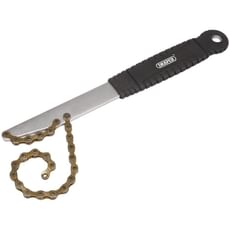
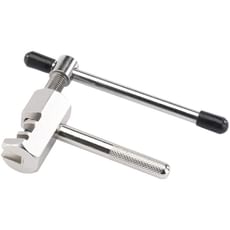
The core chain tools include chain rivet extractors, which allow you to remove and replace chain pins for chain sizing and repair, and chain whips, which hold the cassette or freewheel in place whilst you loosen or tighten lockrings. These tools are fundamental to bicycle maintenance, enabling you to perform tasks such as shortening or lengthening chains to fit different gearing setups, replacing worn chains, and servicing cassette systems. Quality chain tools deliver precise, controlled operation that prevents damage to expensive drivetrain components, making them indispensable for anyone who regularly services bicycles.
Tooled-Up.com stocks reliable chain tools from trusted brands like Draper, offering professional-grade equipment that combines durability with user-friendly design. Whether you're setting up a home workshop for weekend maintenance or equipping a professional bicycle repair centre, the range available includes chain rivet extractors and eight-speed chain whips engineered for dependable performance. From mobile repair businesses to cycling enthusiasts, these tools provide the precision and reliability required for expert-level chain servicing.
Jargon Buster
- Chain Rivet Extractor: A tool designed to push out the pins (rivets) that hold bicycle chain links together, allowing you to break and rejoin chains for sizing, repair, or replacement. Also known as a chain breaker or chain splitter.
- Chain Whip: A handled tool with a length of chain attached, used to grip and hold a cassette or freewheel stationary whilst you apply torque with another tool. Essential for cassette removal and installation.
- Quick Link: A special connecting link that allows chains to be joined and separated without a rivet extractor. Some chain tools are designed to work specifically with quick link systems, providing tool-free chain maintenance.
- Chain Pin: The rivet that connects individual links in a bicycle chain. Some chains use single-use pins that must be replaced when the chain is broken, whilst others use reusable pins.
- Speed Compatibility: Refers to the number of rear cogs a chain is designed for (e.g., 8-speed, 10-speed, 11-speed). Chain tools and whips must often be compatible with specific speed configurations due to varying chain widths and cassette designs.
- Drivetrain: The complete system of components that transfers pedalling power to the rear wheel, including the chain, chainrings, cassette, and derailleurs. Proper drivetrain maintenance significantly extends component life.
Who Uses Chain Tools?
- Professional bicycle mechanics and cycle shop technicians
- Mobile bicycle repair and servicing businesses
- Cycling enthusiasts and serious amateur riders who maintain their own bikes
- Bike fleet managers for hire schemes and delivery services
- Sports clubs and cycling teams requiring regular drivetrain maintenance
- Educational institutions with cycle maintenance training programmes
- DIY enthusiasts who prefer to service their own bicycles at home
- Outdoor activity centres and bike tour operators
- Local authority cycle maintenance teams
- E-bike servicing specialists
How to Choose the Right Chain Tools
When selecting chain tools for your workshop or toolkit, consider the compatibility with the bicycle types you'll be servicing. Modern bicycles range from 6-speed to 12-speed systems, with chain widths varying accordingly. An 8-speed chain whip, for instance, works well with many common bicycle configurations, but if you're servicing high-end road bikes with 11 or 12-speed cassettes, ensure your tools are compatible with these narrower chains. Check the specifications carefully to match your typical workload.
Build quality is paramount when choosing chain tools. Look for rivet extractors with robust construction, smooth threading, and replaceable driving pins. Tools with ergonomic handles and non-slip grips reduce hand fatigue during repetitive work, whilst those with adjustable positions accommodate different chain widths. Professional mechanics should invest in tools with a proven track record for durability, as inferior tools can damage expensive chains or fail during critical operations. Brands like Draper offer extra-strong and durable construction that withstands the demands of professional use.
Consider whether you need portable tools for mobile repairs or workshop-based equipment. Compact, lightweight chain tools are ideal for carrying in a tool bag or van, whilst heavier workshop models offer greater stability and precision. Many professional mechanics maintain both portable and workshop sets to cover all scenarios. Additionally, check that your chain whip has sufficient length and multiple chain engagement points to provide adequate grip on various cassette sizes. Features like hang holes for easy storage can help keep your workspace organised and tools readily accessible.
Popular Accessories
- Cassette removal tools and lockring spanners
- Chain wear indicators and measuring gauges
- Chain cleaning devices and drivetrain degreasers
- Replacement chain pins for single-use pin systems
- Chain quick links and master links in various speeds
- Bicycle chain lubricants and oils
- Workstands and repair stands for stable servicing
- Torque wrenches for precise cassette installation
- Cleaning brushes and chain scrubbers
- Protective workshop gloves
- Parts trays and magnetic bowls for small components
Frequently Asked Questions
Do I need different chain tools for different speed cassettes?
Chain whips are generally speed-specific due to varying chain widths between systems. An 8-speed chain whip works with 6, 7, and 8-speed cassettes, but narrower 10, 11, and 12-speed systems may require dedicated tools. Most chain rivet extractors are adjustable and work across multiple speeds, though it's important to verify compatibility before purchase to avoid damaging delicate modern chains.
Can I reuse chain pins after breaking a chain?
This depends on the chain type. Some manufacturers design chains with reusable pins, whilst others specify single-use pins that must be replaced when the chain is broken. Many modern chains use quick links instead, which can be opened and closed multiple times. Always consult the chain manufacturer's specifications to avoid weakening your drivetrain and compromising safety.
How often should bicycle chains be replaced?
Chain replacement frequency depends on riding conditions, maintenance, and mileage. Regular use in UK weather conditions with proper cleaning and lubrication typically requires chain replacement every 2,000-3,000 miles for road bikes, or more frequently for mountain bikes in muddy conditions. Using a chain wear gauge helps determine when replacement is necessary before damage occurs to cassettes and chainrings, saving money on more expensive component replacements.
What's the difference between a chain whip and a chain tool?
A chain whip is specifically designed to hold a cassette stationary whilst you loosen or tighten the lockring, preventing it from spinning. A chain tool (or chain rivet extractor) is used to push out and install the pins that hold chain links together, allowing you to break and rejoin chains. Both are essential but serve completely different functions in bicycle maintenance, and most professional mechanics need both tools.
Are budget chain tools suitable for professional use?
Whilst budget chain tools can work for occasional home maintenance, professional mechanics typically invest in higher-quality tools from established brands available at Tooled-Up. Professional-grade tools offer better precision, durability under repeated use, and reduced risk of damaging expensive chains or components. The cost difference is quickly justified by reliability and longevity in a commercial workshop environment, where tool failure can result in lost time and damaged customer property.