

Chain Wrenches

Pay in 3 interest-free payments on purchases from £20-£3000 with  . Learn more.
 Loading...
End of content
Error - No more pages to load
About Chain Wrenches
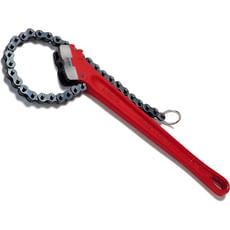
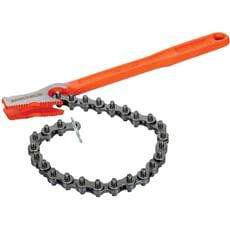
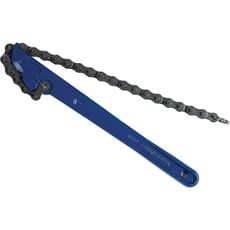
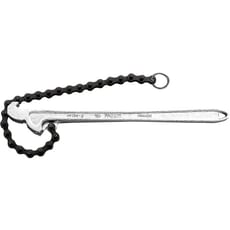
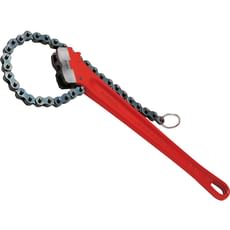
Chain wrenches are essential hand tools designed to grip and turn cylindrical objects that standard spanners and pipe wrenches cannot effectively handle. Featuring a length of heavy-duty chain that wraps around the workpiece and a handle mechanism that tightens for secure grip, these versatile tools provide exceptional holding power across a wide range of diameters. The chain design distributes pressure evenly around the circumference, making them particularly valuable for working with large diameter pipes, oil filters, industrial drums, and polished fittings where conventional toothed jaw wrenches would cause surface damage.
The selection at Tooled-Up.com includes various duty ratings to suit different applications, from light-duty models ideal for occasional domestic plumbing tasks on pipes up to 100mm diameter, through to heavy-duty professional-grade options capable of handling industrial pipework exceeding 300mm. Leading manufacturers such as Ridgid, Bahco, Facom, and Record engineer these tools with hardened steel chains and ergonomic handles for reliable performance on demanding job sites. Specialist variants include strap wrenches with fabric or rubber-coated chains that offer superior surface protection on chrome-plated pipes and delicate finishes, plus application-specific designs like HGV air dryer cartridge wrenches for commercial vehicle maintenance.
Whether working in confined spaces beneath sinks, servicing industrial equipment, or tackling large bore pipework installations, chain wrenches excel where traditional gripping tools prove impractical. Their ability to accommodate irregular diameters and work in restricted access areas makes them indispensable for plumbers, heating engineers, automotive mechanics, and facilities maintenance professionals who need dependable torque without damaging expensive fittings or visible pipework.
Jargon Buster
- Chain Pitch: The distance between individual chain links, which determines how well the chain conforms to the object being gripped. Finer pitch provides better contact on smaller diameters whilst coarser pitch suits larger applications and heavier components.
- Duty Rating: Classification indicating the tool's intended workload capacity. Light-duty models suit occasional use on smaller diameters (typically up to 100mm), whilst heavy-duty versions are engineered for professional applications and larger pipes (up to 300mm or more) with regular daily use.
- Strap Wrench: A protective variant using fabric, leather, or rubber strap material instead of metal chain, offering superior surface protection for highly polished, chrome-plated, or coated materials where any marking or scratching is unacceptable.
- Handiwrench: A compact chain wrench design combining portability with functionality, featuring shorter handle and chain lengths specifically for working in restricted spaces or for tradespeople requiring mobile toolkit solutions.
- Working Diameter Range: The minimum and maximum circumference or diameter that a particular chain wrench can effectively grip, determined by chain length and handle mechanism capacity. Always verify this specification matches your typical workpiece dimensions.
- Traction Coefficient: A measure of grip provided by the chain or strap material against the workpiece surface. Higher coefficients deliver better grip with less applied force, significantly reducing user fatigue during extended applications.
Who Uses Chain Wrenches?
- Plumbers and heating engineers working with large diameter waste pipes, soil stacks, industrial pipework installations, and commercial heating systems
- Automotive mechanics removing oil filters, fuel filters, and cylindrical components in tight engine bays where conventional tools cannot access
- HGV and commercial vehicle technicians servicing air brake systems, air dryer cartridges, and truck-specific maintenance requirements
- Plant and machinery fitters maintaining industrial equipment with large threaded components, cylindrical housings, and processing plant installations
- Marine engineers working on boat propulsion systems, through-hull fittings, marine plumbing installations, and watercraft maintenance
- Facilities maintenance teams servicing commercial water treatment equipment, industrial filtration units, and building services infrastructure
- Oil and gas industry technicians handling pipeline connections, wellhead equipment, and petrochemical processing plant components
- DIY enthusiasts tackling home plumbing projects, radiator installations, bathroom refurbishments, and general household maintenance tasks
How to Choose the Right Chain Wrenches
Begin by assessing the diameter range of objects you'll encounter most frequently. Measure your typical workpieces and select a wrench with a working diameter range that comfortably encompasses these dimensions. Light-duty Ridgid models suit occasional use on pipes up to 100mm diameter, whilst heavy-duty versions from brands like Bahco and Facom are essential for regular professional applications on larger industrial components.
Consider the material and surface finish of your workpieces carefully. Standard steel chain wrenches excel on robust pipework and general applications, but chrome-plated pipes, painted surfaces, and polished fittings require strap wrenches like the Bahco Chain Strap Wrench which feature protective materials preventing surface damage. This consideration proves particularly important for visible pipework in commercial installations or when working with expensive components where cosmetic damage affects value or aesthetics.
Handle design significantly impacts efficiency and user comfort. Longer handles provide greater mechanical advantage, reducing physical effort required for stubborn fittings, but may prove impractical beneath sinks, behind boilers, or within machinery housings. Compact handiwrench designs like the Record 240 offer portability and access advantages whilst still delivering adequate grip for many applications. Ergonomic handle grips reduce hand fatigue during extended professional use.
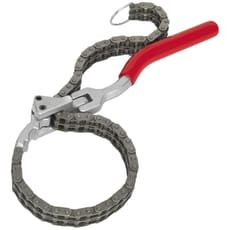
For specialised requirements, purpose-built chain wrenches often outperform general-purpose alternatives. HGV technicians benefit from dedicated tools like the Sealey air dryer cartridge wrench, specifically engineered for commercial vehicle maintenance demands. Application-specific tooling typically justifies the investment through improved efficiency and reduced component damage risk.
Popular Accessories
- Replacement chains and straps to extend tool life and maintain optimal gripping performance as components experience wear
- Penetrating oils and release sprays to help loosen seized fittings before applying the chain wrench, reducing required force
- Pipe grips and Stillsons as complementary tools for different gripping applications across various pipework installations
- Adjustable spanners and basin wrenches for working on associated nuts, compression fittings, and tap installations
- PTFE tape and pipe jointing compound for reassembling threaded connections after servicing and maintenance work
- Tool rolls and storage solutions to organise chain wrenches alongside other plumbing and mechanical tools on site
- Work gloves with good grip characteristics to improve handling security and protect hands during demanding applications
Safety Information
Always ensure the chain wrench is properly seated and tensioned around the workpiece before applying turning force. Insufficient grip can cause sudden chain slippage, potentially resulting in trapped fingers, skinned knuckles, or tool damage. Inspect chains regularly for signs of wear, stretched links, or damage, replacing worn components immediately as compromised chains can fail under load with serious injury potential.
Be mindful of pipe and vessel contents before commencing work. Confirm systems are depressurised and drained where appropriate, following HSE guidelines for working with pressurised systems and hazardous contents. Hot pipes require particular caution—allow adequate cooling time or use appropriate heat-resistant gloves to prevent burns. Never assume pipework is cold or depressurised without verification.
Position yourself carefully to avoid injury if fittings release suddenly or chains slip under load. Maintain stable footing and avoid overreaching, particularly when working at height or on ladders. Apply force in controlled movements rather than jerking motions, and consider the direction you'll move if components suddenly loosen. When working on overhead pipework, wear appropriate eye protection to guard against falling debris, dripping liquids, or dislodged scale.
Frequently Asked Questions
What's the difference between a chain wrench and a strap wrench?
Chain wrenches use metal chain links providing robust grip for general-purpose applications where surface protection isn't critical. Strap wrenches employ fabric, rubber, or leather straps offering gentler contact, making them perfect for polished pipes, chrome fittings, and delicate surfaces where scratching or marking must be avoided. Both operate on the same wrapping and tightening principle, but strap wrenches trade some gripping power for superior surface protection on visible or expensive components.
Can I use a chain wrench on square or hexagonal objects?
Whilst chain wrenches primarily suit cylindrical objects, they can grip square and hexagonal items when necessary, though conventional spanners or adjustable wrenches prove more efficient for these shapes. The chain may not seat as securely on corners and edges, increasing slippage risk. For regular work on non-cylindrical components, dedicated tools designed for those specific shapes deliver better results and improved safety performance.
How do I prevent chain damage on plastic or PVC pipes?
For plastic pipework, always use a strap wrench rather than metal chain wrenches, as even careful steel chain application can score or crack plastic surfaces. If you must use a chain wrench, wrap the pipe first with several layers of cloth or rubber matting providing a protective barrier. Apply only moderate force as plastic fittings don't require the same torque as metal components and can crack if over-tightened.
What size chain wrench do I need for domestic plumbing work?
For typical domestic plumbing including bathroom and kitchen installations, Tooled-Up stocks light to medium-duty chain wrenches with working ranges up to 100-150mm diameter handling most requirements, including bath traps, basin waste pipes, and standard copper or plastic pipework. This covers 15mm to 40mm pipe diameters with adequate clearance. Professional plumbers working on commercial projects or soil stacks should invest in heavy-duty models with extended capacity specifications.
Why does my chain wrench keep slipping on oily components?
Oil, grease, and lubricants significantly reduce friction between chain and workpiece surfaces. Before using a chain wrench, clean surfaces thoroughly with degreaser or brake cleaner and allow complete drying. If cleaning proves impractical, improve grip by wrapping components with abrasive cloth or applying rosin powder to increase the traction coefficient. Ensuring proper chain tension before applying turning force also helps prevent slippage on contaminated surfaces.