

Chainmail Gloves
Pay in 3 interest-free payments on purchases from £30-2000 with  . Learn more.
 Loading...
End of content
Error - No more pages to load
About Chainmail Gloves
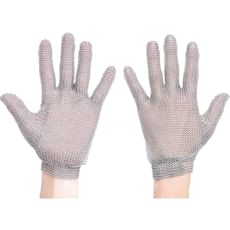
Chainmail gloves deliver essential cut-resistant protection for professionals working with sharp blades, knives, and cutting equipment across food processing, butchery, and commercial kitchen environments. Constructed from interlocking stainless steel rings, these specialist safety gloves offer a time-tested solution to modern workplace hazards, providing superior protection against lacerations and punctures whilst maintaining the flexibility and dexterity required for precision cutting tasks. Unlike fabric-based cut-resistant gloves that can degrade over time, chainmail protection offers consistent performance throughout its working life.
Available in both standard glove and extended gauntlet designs, the chainmail hand protection at Tooled-Up.com is manufactured to meet stringent European EN 1082-1 standards for protective gloves against cuts and stabs by hand knives. Products from trusted PPE manufacturer Portwest feature high-grade stainless steel construction that's easy to clean, hygienic, and suitable for food preparation environments where hygiene standards are paramount. Whether protection is required for the left or right hand, or full coverage extending up the forearm is needed, chainmail gloves deliver uncompromising protection without sacrificing tactile sensitivity.
The open mesh design of chainmail gloves allows for excellent ventilation and can be easily sanitised between uses, making these gloves particularly valuable in meat processing, fish preparation, and commercial kitchen settings. The durable stainless steel construction resists corrosion, maintains its protective properties indefinitely when properly maintained, and can withstand regular hot water washing and food-safe sanitisation procedures required in professional food handling environments.
Jargon Buster
- EN 1082-1 - European standard specifying performance requirements for protective gloves and arm guards against cuts and stabs by hand knives. This certification is essential for chainmail protective equipment used in professional environments and ensures products have been independently tested for cut resistance.
- Stainless Steel Mesh - The interlocking metal ring construction that forms the protective barrier in chainmail gloves. Stainless steel is specifically chosen for its corrosion resistance, strength, durability, and hygienic properties essential for food-safe applications in commercial kitchens and processing facilities.
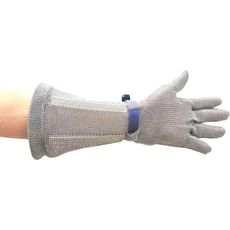
- Gauntlet - An extended chainmail glove design that provides protection beyond the wrist and up the forearm, offering additional coverage for tasks requiring greater reach or increased exposure to cutting hazards, such as working with large cuts of meat or reaching into carcasses during processing.
- Cut Level Protection - A rating system indicating the glove's resistance to cuts from sharp edges and blades. Chainmail typically offers the highest level of cut protection available in hand safety equipment, making it ideal for high-risk cutting environments where blade contact is likely.
- Food Contact Safe - Certification indicating the materials used in construction are suitable for direct contact with food products. This certification is essential for butchery, food processing, and commercial kitchen applications where hygiene and food safety regulations must be met.
- Ambidextrous Design - Gloves designed to fit either left or right hand, offering flexibility in ordering and use. Some chainmail products are hand-specific for optimal fit, whilst others can be worn on either hand depending on user requirements.
Who Uses Chainmail Gloves?
Chainmail gloves are essential PPE for various professionals who work with sharp cutting implements:
- Butchers and Meat Processors - Protection during boning, trimming, and cutting operations in abattoirs, processing facilities, and independent butcher shops
- Commercial Kitchen Staff - Chefs and food preparation workers handling mandolins, slicing machines, and sharp knives in restaurants and catering establishments
- Fishmongers - Protection when filleting, preparing, and processing fresh fish with sharp deboning and filleting knives
- Food Manufacturing Operatives - Workers in production environments operating cutting and slicing equipment for prepared meals and food products
- Deli Counter Staff - Protection when using manual or electric slicing machines in supermarkets, delicatessens, and food retail environments
- Oyster Shuckers - Specialist protection against knife slips during shellfish preparation in seafood restaurants and processing facilities
- Packaging Operatives - Workers frequently using Stanley knives and box cutters for unpacking deliveries in warehouses and distribution centres
- Recycling Centre Staff - Protection when sorting materials that may contain sharp objects, broken glass, or concealed blades
How to Choose the Right Chainmail Gloves
Selecting appropriate chainmail protection requires consideration of several key factors:
Glove vs Gauntlet: Standard chainmail gloves protect the hand and wrist area, whilst gauntlet designs extend protection up the forearm. Choose gauntlets for tasks requiring extended reach or where forearm exposure to cutting hazards is likely, such as reaching into carcasses or working with larger cutting equipment. Standard gloves are typically sufficient for most food preparation and deli counter applications.
Hand Specification: Many chainmail products are designed as single gloves for either left or right hand use. Consider which hand requires protection—typically the non-dominant hand that holds the product being cut—though some high-risk environments may require protection on both hands. Some Portwest products offer ambidextrous designs for added flexibility.
Size and Fit: Proper sizing is crucial for both safety and dexterity. Chainmail that's too loose can catch on equipment and compromise protection, whilst overly tight mesh restricts movement and causes hand fatigue during extended wear. Consult manufacturer sizing charts carefully, as chainmail sizing differs from standard glove measurements.
Hygiene Requirements: For food preparation environments, ensure the chainmail is manufactured from food-safe stainless steel and can withstand regular sanitisation procedures. Products available from Tooled-Up.com meet food industry hygiene standards and can be easily cleaned and sterilised according to food safety regulations.
Compliance Standards: Verify that gloves meet UK and European EN 1082-1 standards as a minimum requirement. This certification ensures the product has been independently tested and approved for protection against cuts and stabs from hand knives in professional environments.
Comfort Features: Look for chainmail with textile cuffs or adjustable fastenings that provide secure, comfortable fitting without restricting circulation. Some designs incorporate strap fastenings for additional security during demanding tasks, whilst others feature textile liners for improved comfort during extended wear periods.
Popular Accessories
- Cut-Resistant Sleeves - Fabric arm protection to complement chainmail gloves for additional forearm coverage in high-risk environments
- Nitrile Gloves - Disposable gloves worn over chainmail for enhanced hygiene in food preparation and to prevent metal contact with certain foods
- Protective Aprons - Complementary body protection from Portwest and other workwear specialists for butchery and food processing
- Hand Soap and Sanitiser - Essential hygiene products for maintaining cleanliness when removing and cleaning protective equipment
- Glove Storage Hooks - Dedicated hanging points for proper drying and hygienic storage of chainmail between uses
- First Aid Kits - Workplace first aid supplies appropriate for food processing, commercial kitchen, and warehouse environments
- Knife Sharpening Equipment - Professional sharpening tools to maintain sharp blades, which reduces cutting force required and improves overall safety
Safety Information
Whilst chainmail gloves provide excellent cut protection, proper use and maintenance are essential for continued safety performance:
Regular Inspection: Examine chainmail before each use for broken rings, damaged links, or compromised integrity. Any damage significantly reduces protective capability and the glove should be removed from service immediately and replaced. Even a single broken link can create a weak point that allows blade penetration.
Proper Cleaning: Clean chainmail thoroughly after each use according to manufacturer instructions. In food environments, regular sanitisation is essential to prevent bacterial growth within the mesh structure. Most stainless steel chainmail can withstand hot water washing and approved food-safe sanitisers, but always verify specific cleaning recommendations.
Limitations: Chainmail protects against cuts and slashes but does not provide puncture protection from pointed implements thrust directly at the material with force. It also offers no protection against impact injuries, burns, electrical hazards, or chemical exposure. Use appropriate additional PPE for these risks as identified in workplace risk assessments.
HSE Compliance: Employers must conduct risk assessments under the Personal Protective Equipment at Work Regulations 1992 to determine appropriate hand protection for specific tasks. Chainmail must be provided, properly maintained, and replaced as necessary to ensure continued protection meets the identified hazards.
Training Required: Workers must receive proper training in donning, removing, cleaning, inspecting, and storing chainmail gloves. Never assume protection is adequate without verification that the equipment meets the specific hazards present in your workplace through proper risk assessment procedures.
Frequently Asked Questions
Can chainmail gloves be worn on either hand?
Some chainmail gloves feature ambidextrous designs, but many are specifically manufactured for left or right hand use to ensure optimal fit and protection. Check product specifications carefully, as Portwest offers dedicated single gloves for specific hands as well as universal designs. Hand-specific gloves typically provide better fit and comfort for extended wear.
How do I clean and maintain chainmail gloves?
Stainless steel chainmail should be washed in hot soapy water after each use, then thoroughly rinsed and dried. In food preparation environments, use food-safe sanitisers approved for metal surfaces according to your workplace hygiene procedures. Hang chainmail to dry completely before storage to prevent moisture retention and potential corrosion. Regular inspection for damaged links is essential before each use.
Do chainmail gloves meet UK food safety standards?
Quality chainmail gloves manufactured from stainless steel, such as those from Portwest, are suitable for food contact applications when properly cleaned and maintained. Ensure products specify food-safe certification and comply with relevant food hygiene regulations for your specific application, whether commercial kitchen, butchery, or food processing environment.
Why would I choose a gauntlet over a standard glove?
Chainmail gauntlets provide extended protection up the forearm, making them ideal for tasks requiring deeper reach into carcasses, working with larger cuts of meat, or situations where the forearm is exposed to cutting hazards during processing operations. Standard gloves are typically sufficient for most food preparation, deli counter work, and general cutting tasks where forearm exposure is minimal.
How long do chainmail gloves last?
With proper care and maintenance, quality stainless steel chainmail gloves can provide years of reliable service in demanding professional environments. Unlike fabric cut-resistant gloves that degrade over time with washing and wear, chainmail maintains its protective properties throughout its life. However, any damaged links or broken rings require immediate replacement of the entire glove to ensure continued protection meets safety standards.