

Chainsaw Bars

Pay in 3 interest-free payments on purchases from £20-£3000 with  . Learn more.
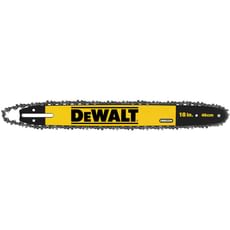
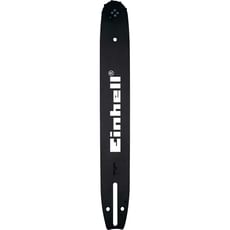
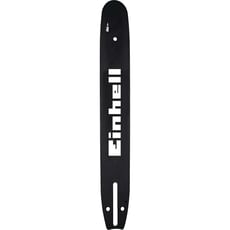
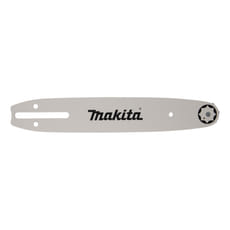
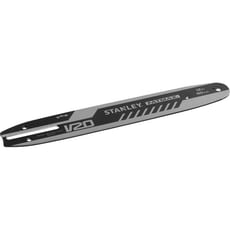

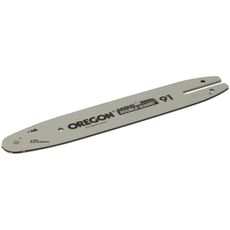
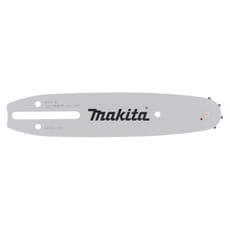
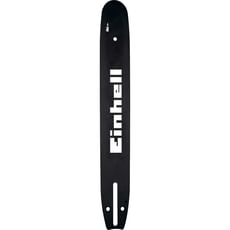
 Loading...
End of content
Error - No more pages to load
About Chainsaw Bars
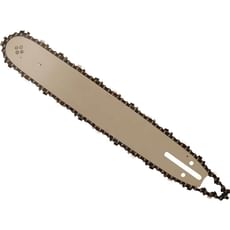
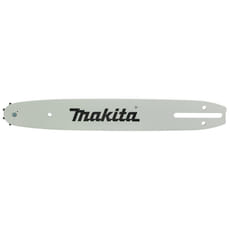
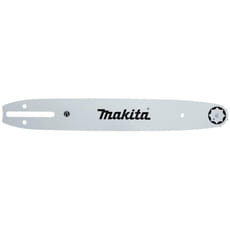
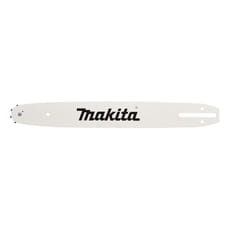
Chainsaw bars, also known as guide bars, are the critical component that supports and guides the cutting chain around your chainsaw. Whether you're a professional arborist, groundscare specialist, or DIY enthusiast maintaining your property, having the right chainsaw bar is essential for safe and efficient cutting performance. The range at Tooled-Up includes genuine replacement bars from leading manufacturers including Makita, DeWalt, Einhell, Festool, and Stanley, ensuring compatibility with popular corded and cordless chainsaw models used across the UK.
Over time, chainsaw bars naturally wear due to friction and heat generated during cutting operations. The rail grooves can become damaged, the bar can develop warping, or the sprocket nose can wear out, all of which compromise cutting efficiency and safety. Replacing a worn bar not only restores optimal performance but also extends the life of your chainsaw chain. Available options include genuine OEM replacement bars designed specifically for popular models, as well as universal solutions from trusted brands like ALM and Draper that offer versatile compatibility for multiple chainsaw types.
Whether you need a compact 250mm bar for pruning work, a standard 350mm bar for general tree maintenance, or a longer professional-grade bar for demanding forestry applications, the selection covers various lengths and specifications. Tooled-Up.com stocks bars for both petrol and battery-powered chainsaws, including specific replacements for popular cordless platforms like Makita's 18V and 36V systems, DeWalt's 18V XR range, and Einhell's Power X-Change series. With models from Karcher Home and Garden through to professional Festool guide rails, there's a replacement bar to suit every application and budget.
Jargon Buster
- Guide Bar Length: Measured in inches or millimetres from the tip of the bar to where it enters the chainsaw housing. Common UK sizes range from 10" (250mm) for compact pruners to 16" (400mm) for general-purpose chainsaws. Always match the bar length to your specific model's requirements.
- Pitch: The distance between any three consecutive rivets on the chain, divided by two. Standard pitches include 1/4", .325", 3/8", and .404". The bar pitch must match your chain pitch exactly for safe operation.
- Gauge: The thickness of the drive links that fit into the guide bar groove, typically measured in inches (e.g., 1.1mm, 1.3mm, 1.5mm, or .043", .050", .058"). An incorrect gauge will prevent the chain from fitting properly or cause dangerous looseness.
- Nose Sprocket: The small bearing-mounted sprocket at the tip of some guide bars that reduces friction and wear. Sprocket-nose bars are common on professional-grade chainsaws and require periodic lubrication.
- Bar Rail: The edges of the guide bar that contain the groove where the chain runs. Rails wear over time and should be checked regularly for burrs, uneven wear, or damage that could cause chain derailment.
- Oil Port: The hole in the bar that allows chain oil to flow from the chainsaw's automatic oiling system through the bar to lubricate the chain during operation.
Who Uses Chainsaw Bars?
- Arborists and Tree Surgeons: Professional tree care specialists who require reliable replacement bars for intensive daily use, often maintaining multiple chainsaws with different bar lengths for various applications.
- Groundscare and Landscaping Contractors: Garden maintenance professionals who need dependable bars for regular pruning, hedge management, and site clearance work.
- Forestry Workers: Commercial logging and woodland management professionals operating chainsaws in demanding conditions that accelerate bar wear.
- Estate and Facilities Managers: Those responsible for maintaining large properties, parks, and estates where tree management is a regular requirement.
- Agricultural Workers and Farmers: For maintaining hedgerows, clearing fallen timber, and general farm maintenance tasks.
- Fencing Contractors: Specialists who regularly cut posts and clear vegetation as part of fence installation and maintenance.
- DIY Enthusiasts and Homeowners: Property owners maintaining their own gardens, cutting firewood, or managing woodland areas who need replacement bars to keep their chainsaws operational.
- Local Authority and Council Workers: Public sector employees responsible for maintaining public spaces, parks, and roadside vegetation.
How to Choose the Right Chainsaw Bars
Check Your Model Compatibility: The most critical factor is ensuring the replacement bar is designed for your specific chainsaw model. Genuine manufacturer bars from Makita, DeWalt, Einhell, and others are engineered precisely for their respective chainsaws, guaranteeing proper fit, safety, and performance. Always reference your chainsaw's model number before purchasing.
Verify Bar Length Requirements: Your chainsaw is designed to accommodate specific bar lengths. Installing a bar that's too long can overload the motor and create dangerous kickback situations, whilst one that's too short may not utilise the saw's full capabilities. Consult your operator's manual or the manufacturer's specifications to confirm compatible lengths.
Match Pitch and Gauge Specifications: These measurements must correspond exactly with your existing chain. If you're replacing both bar and chain together, ensure they share the same pitch and gauge. Mismatched specifications will result in poor performance, excessive wear, or dangerous operating conditions. Most manufacturers clearly mark these specifications on the bar itself.
Consider Your Application: For lighter pruning and garden maintenance, a shorter bar (250-300mm) offers better manoeuvrability and control. General property maintenance typically suits medium bars (350-400mm), whilst professional forestry work may require longer bars. Battery-powered chainsaws generally use shorter bars to optimise runtime and reduce motor strain.
Genuine vs Universal Bars: Genuine OEM bars guarantee perfect compatibility and are manufactured to exacting standards, making them ideal for professional use where reliability is paramount. Universal bars from reputable brands like ALM offer cost-effective alternatives for multiple chainsaw types, though you'll need to verify all specifications match your requirements.
Bar Type and Features: Laminated bars (made from steel plates welded together) are lighter and suit occasional use, whilst solid bars offer greater durability for professional applications. Sprocket-nose bars reduce friction for smoother cutting but require more maintenance than hard-nose bars, which are simpler but create more friction.
Popular Accessories
- Replacement Chainsaw Chains: When replacing your bar, it's often sensible to fit a new chain simultaneously for optimal cutting performance and balanced wear.
- Bar and Chain Oil: High-quality lubricant specifically formulated for chainsaw use, essential for preventing premature wear and maintaining smooth operation.
- Chain Sharpening Kits: Including files, guides, and depth gauges to maintain sharp cutting teeth and extend chain life between replacements.
- Bar Covers and Guards: Protective sheaths that prevent damage during storage and transport whilst protecting users from the sharp chain.
- Bar Dressing Tools: Specialised files for maintaining flat, even bar rails and cleaning out the guide groove.
- Chain Tensioning Tools: Scrench combination tools or dedicated tensioners for properly adjusting chain tension after bar replacement.
- Spare Drive Sprockets: The internal component that drives the chain around the bar, also subject to wear over time.
- Cleaning Brushes: For removing sawdust, resin, and debris from the bar groove and oil ports.
Safety Information
Chainsaw bar replacement and maintenance require strict adherence to safety protocols. Always disconnect the spark plug (on petrol models) or remove the battery (on cordless models) before performing any maintenance work. Wear appropriate PPE including safety gloves, as chains remain sharp even when stationary. Ensure the replacement bar matches all specifications for your chainsaw model – using incorrect bars can result in chain derailment, kickback, or other serious accidents.
Before each use, inspect your guide bar for signs of wear, damage, or distortion. Check that the bar groove is clear of debris and that oil flows freely through the oil port. The bar rails should be flat and even – burrs or uneven wear indicate the bar needs dressing or replacement. According to HSE guidance for chainsaw safety, proper equipment maintenance is fundamental to safe operation, and worn guide bars significantly increase accident risk.
When fitting a new bar, ensure proper chain tension – the chain should pull freely around the bar but not sag beneath it. Over-tightening can damage the bar and chain, whilst insufficient tension risks chain derailment. Always rotate the bar regularly (turning it upside down) to ensure even wear on both rails, extending service life and maintaining cutting accuracy. Never operate a chainsaw with a damaged, bent, or excessively worn guide bar, as this compromises both performance and safety.
Frequently Asked Questions
How often should I replace my chainsaw bar?
This depends on usage intensity, but as a general rule, you should replace the bar after every 2-3 chains have worn out, or sooner if you notice uneven wear, damage, or the bar groove has widened. Professional users in intensive applications may replace bars every few months, whilst occasional domestic users might get several years from a single bar. Regular inspection and maintenance, including bar rotation and rail dressing, significantly extends service life.
Can I use a universal chainsaw bar instead of the genuine manufacturer's part?
Universal bars from reputable brands like ALM can be suitable alternatives provided all specifications (length, pitch, gauge, and mounting pattern) match your chainsaw exactly. However, genuine OEM bars from manufacturers like Makita, DeWalt, or Einhell guarantee perfect compatibility and are generally recommended for professional applications where reliability is critical. Always verify specifications carefully before purchasing a universal bar.
What causes chainsaw bars to wear out?
Bar wear results from several factors: friction between the chain and bar rails generates heat and abrasion; cutting dirty or abrasive materials accelerates wear; inadequate chain lubrication causes excessive friction; improper chain tension (too tight or too loose) increases stress; and contact with soil, rocks, or hard materials damages rails. Regular maintenance, proper lubrication, and avoiding contact with contaminants significantly extends bar life.
Do I need to replace the chain when I replace the bar?
Whilst not always strictly necessary, replacing both simultaneously is often recommended. A worn chain will accelerate wear on a new bar, whilst a stretched chain may not tension properly on a new bar with unworn rails. If your existing chain shows signs of wear, damage, or has been sharpened multiple times, fitting a new chain with your new bar ensures optimal performance and balanced component life.
How do I know what size guide bar my chainsaw needs?
Check your chainsaw's operator manual or the manufacturer's specifications, which will list compatible bar lengths along with required pitch and gauge measurements. Many chainsaws also have this information on a label affixed to the housing. You can also measure your existing bar from the tip to where it enters the housing, though it's best to verify this matches manufacturer specifications. Product descriptions at Tooled-Up clearly state which specific chainsaw models each bar fits, making selection straightforward.