

Chainsaw Oil
Pay in 3 interest-free payments on purchases from £30-2000 with  . Learn more.

 Loading...
End of content
Error - No more pages to load
About Chainsaw Oil
Chainsaw oil is a specialised lubricant formulated specifically to protect and maintain chainsaw bars and chains during cutting operations. Unlike standard motor oils, bar and chain oil contains unique tackiness additives that enable it to cling to the rapidly rotating chain, ensuring consistent lubrication whilst minimising fling-off at high speeds. This essential consumable significantly extends the working life of cutting components, reduces friction and heat build-up, improves cutting efficiency, and prevents premature wear on both the guide bar and cutting chain.
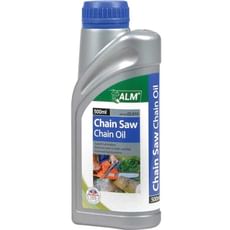
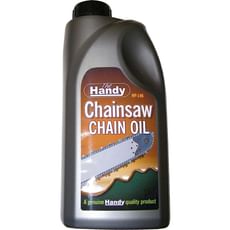
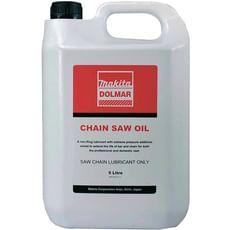
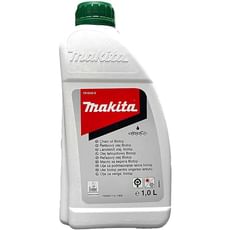
Tooled-Up.com stocks a comprehensive selection of chainsaw oils from trusted professional brands including Makita, DeWalt, Bosch Professional, Sealey, ALM, and Handy. The range encompasses both traditional mineral-based formulations and modern biodegradable oils that comply with environmental regulations whilst delivering excellent lubrication properties. Whether you're a forestry contractor requiring heavy-duty performance for daily use, a tree surgeon working in environmentally sensitive areas, or a DIY enthusiast tackling occasional garden maintenance, selecting appropriate chainsaw oil is crucial for maintaining equipment performance and longevity.
Available in convenient bottle sizes ranging from 1 litre containers for occasional users through to economical 5 litre containers for professional tradespeople, chainsaw oil remains one of the most important maintenance products for both petrol and electric chainsaws. Regular application through your chainsaw's automatic oiling system ensures smooth operation, reduces kickback risk, protects against corrosion, and safeguards your investment in quality cutting equipment.
Jargon Buster
- Bar and Chain Oil: The correct technical term for chainsaw oil, emphasising that it lubricates both the guide bar groove and the cutting chain that runs along it. Often abbreviated to "bar oil" in the trade.
- Tackiness/Adhesion: The ability of chainsaw oil to cling to the chain and bar during high-speed rotation. Quality oils contain tackiness additives that prevent excessive fling-off, ensuring lubrication reaches critical contact points where it's needed most.
- Biodegradable Oil: Environmentally-friendly chainsaw oil formulated from plant-based ingredients (typically rapeseed or sunflower oil) that break down naturally without harming soil or waterways. Required in many environmentally sensitive areas and often mandated for forestry work under UK environmental regulations.
- Viscosity Rating: Measures the oil's thickness and flow characteristics. Chainsaw oils are typically formulated with higher viscosity than motor oils to maintain a protective film under the extreme pressures and temperatures of cutting operations.
- COSHH Compliance: Refers to the Control of Substances Hazardous to Health regulations that govern the safe storage, handling, and disposal of chainsaw oils in UK workplaces. Employers must conduct risk assessments and ensure proper handling procedures are followed.
- Mineral Oil vs Bio Oil: Mineral oils are petroleum-based products offering excellent lubrication and lower cost, whilst bio oils are plant-based, biodegradable alternatives preferred for environmental reasons and increasingly specified for commercial forestry operations and work near watercourses.
Who Uses Chainsaw Oil?
Chainsaw oil is an essential consumable for a diverse range of professionals and DIY users, including:
- Tree Surgeons and Arborists: Professional tree care specialists who rely on chainsaws daily for pruning, felling, and sectioning work at height
- Forestry Contractors: Commercial operators undertaking large-scale timber harvesting and woodland management across the UK
- Landscapers and Groundskeepers: Garden maintenance professionals managing trees, hedges, and vegetation on estates, parks, and commercial properties
- Estate Managers and Gamekeepers: Rural professionals maintaining woodland, managing habitats, and clearing fallen timber on country estates
- Local Authorities and Council Workers: Highway maintenance teams and parks departments responsible for tree management along roads and in public spaces
- Farmers and Agricultural Workers: Using chainsaws for hedge maintenance, timber processing, firewood preparation, and general farm maintenance tasks
- DIY Enthusiasts and Homeowners: Garden owners with mature trees requiring regular maintenance, firewood processing, or storm damage clearance
- Wood Sculptors and Carvers: Artists using chainsaws for creative work requiring well-maintained equipment for precision cutting
How to Choose the Right Chainsaw Oil
Selecting the appropriate chainsaw oil ensures optimal performance and longevity of your cutting equipment. Consider these key factors:
Biodegradable vs Mineral-Based: If you're working in environmentally sensitive areas, near waterways, or on sites with specific environmental requirements, opt for biodegradable oils such as Makita Biotop or Bosch Professional's biodegradable range. These plant-based formulations offer excellent lubrication whilst breaking down naturally within months. For general site work and garden use, traditional mineral-based oils from brands like DeWalt, Sealey, or ALM provide cost-effective performance and are perfectly suitable for most applications.
Manufacturer Recommendations: Always check your chainsaw manufacturer's specifications. Whilst most quality bar and chain oils are suitable for all brands, premium manufacturers like Stihl, Husqvarna, Makita, and DeWalt may recommend specific formulations. Using the correct oil maintains warranty coverage and ensures optimal performance of the automatic oiling system.
Seasonal Considerations: Temperature affects oil viscosity significantly. During winter months or when working in cold conditions, consider oils formulated for low-temperature performance that maintain proper flow characteristics and don't thicken excessively. Summer and warm-weather use typically suits standard viscosity formulations without issue.
Usage Frequency and Volume: Occasional users may prefer 1-litre bottles from brands like Handy or ALM, whilst professional tradespeople benefit from bulk 5-litre containers from Makita, DeWalt, or Sealey that offer better value and reduce packaging waste. Consider your storage facilities, typical consumption rates, and whether you have multiple chainsaws operating simultaneously.
Quality and Brand Reputation: Professional-grade oils from established brands available at Tooled-Up contain superior tackiness additives and protective compounds. Whilst they may cost slightly more than economy alternatives, they reduce chain and bar wear, potentially saving money long-term through extended component life, improved cutting efficiency, and reduced downtime for maintenance.
Popular Accessories
Maximise your chainsaw's performance and longevity with these complementary products:
- Replacement Chains: Keep spare cutting chains matched to your bar length for quick changes when chains become dull or damaged
- Chain Sharpening Tools: File guides, depth gauges, and electric sharpeners from brands like Oregon and Stihl to maintain cutting edge performance between professional services
- Guide Bars: Replacement bars in various lengths to suit different cutting applications and working conditions
- Chain Brake Components: Safety parts and brake bands to ensure your chainsaw's safety systems function correctly
- Funnel Sets: Avoid spills and contamination when topping up oil reservoirs with dedicated filling funnels
- Personal Protective Equipment: Chainsaw safety trousers, gloves, helmets with visors, and hearing protection meeting HSE requirements
- Two-Stroke Oil: For petrol chainsaws, quality 2-stroke engine oil for proper fuel mixing in correct ratios
- Cleaning Products: Degreasers and maintenance sprays to keep your chainsaw in optimal condition and prevent resin build-up
- Storage Cases: Protective chainsaw carry cases and bar covers for safe transport and storage between jobs
Safety Information
Proper handling and storage of chainsaw oil is essential for workplace safety and environmental protection:
Storage and Handling: Store chainsaw oil in its original container in a cool, dry location away from direct sunlight and sources of ignition. Ensure lids are tightly sealed to prevent contamination and spillage. Keep out of reach of children and unauthorised persons. Most chainsaw oils are classified as combustible rather than flammable, but proper storage practices remain important for workplace safety.
COSHH Compliance: Employers must conduct COSHH risk assessments when chainsaw oil is used in workplace settings. Ensure safety data sheets are readily available, and workers receive training in safe handling procedures. Provide appropriate PPE including chemical-resistant gloves when handling oils, particularly during prolonged contact or bulk dispensing operations.
Environmental Considerations: Never dispose of used or surplus chainsaw oil by pouring it down drains, into watercourses, or onto soil. Mineral-based oils can contaminate groundwater and harm wildlife. Contact your local council for details of oil recycling facilities. When working near watercourses or in Sites of Special Scientific Interest (SSSI), biodegradable oils may be mandatory to minimise environmental impact should spillage occur.
Skin Contact: Whilst chainsaw oils have relatively low toxicity, prolonged skin contact may cause irritation or dermatitis. Wash affected areas thoroughly with soap and water. If irritation persists, seek medical advice. Use barrier creams and appropriate gloves for extended handling periods.
First Aid: If chainsaw oil is accidentally ingested, do not induce vomiting. Rinse mouth with water and seek medical attention immediately. For eye contact, rinse thoroughly with clean water for at least 15 minutes and consult a medical professional if irritation continues.
Frequently Asked Questions
Can I use regular motor oil in my chainsaw?
No, standard motor oil is not suitable for chainsaw lubrication. Motor oils lack the tackiness additives that allow chainsaw oil to cling to the fast-moving chain and bar. Using motor oil results in excessive fling-off, inadequate lubrication, accelerated wear on both chain and bar, and potential damage to your chainsaw's cutting components. Always use purpose-formulated bar and chain oil from reputable brands like Makita, DeWalt, Bosch Professional, or Sealey.
How often should I refill my chainsaw's oil reservoir?
Most chainsaws are designed so that the bar oil reservoir empties at approximately the same rate as the fuel tank on petrol models. As a general rule, check and refill the oil reservoir every time you refuel. For electric chainsaws, check oil levels every 15-20 minutes of continuous use. If you notice the level dropping unusually quickly, check for leaks in the tank, blockages in the oiling system, or over-adjustment of the automatic oiler.
What's the difference between biodegradable and mineral chainsaw oil?
Biodegradable oils are formulated from plant-based sources (typically rapeseed or sunflower oil) and break down naturally within months when exposed to soil microorganisms. They're environmentally friendly, required in many sensitive areas, and ideal for forestry work near watercourses. Mineral oils are petroleum-derived, offer excellent lubrication properties at lower cost, but persist in the environment for longer periods. Both provide effective lubrication when quality formulations from brands like Bosch Professional or Makita are chosen.
Why is my chainsaw throwing off so much oil?
Excessive oil fling-off usually indicates either an over-adjusted automatic oiler (check your manual for adjustment procedures), damaged or worn bar rails that don't retain oil properly, or use of incorrect oil lacking proper tackiness. Ensure you're using quality bar and chain oil rather than substitutes. Also check that chain tension is correct – a loose chain won't pick up and distribute oil effectively along the bar groove.
Do I need different oils for summer and winter use?
In most UK conditions, standard chainsaw oil performs adequately year-round. However, if you regularly work in winter temperatures below freezing, consider oils specifically formulated for cold-weather performance. These maintain proper viscosity and flow characteristics in low temperatures. Conversely, standard oils may thicken in extreme cold, reducing flow through the oiling system and potentially causing inadequate lubrication. Professional forestry contractors often keep both formulations in stock for seasonal use.