

Chainsaw Sharpeners
Pay in 3 interest-free payments on purchases from £30-2000 with  . Learn more.
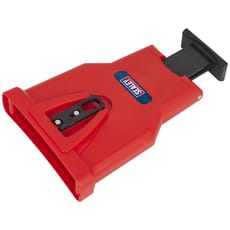
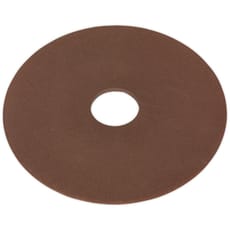
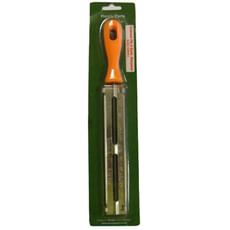
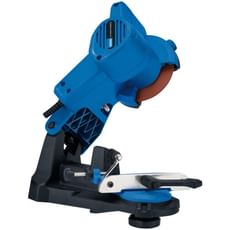
 Loading...
End of content
Error - No more pages to load
About Chainsaw Sharpeners
Maintaining a sharp chainsaw chain is essential for safe, efficient cutting and prolonging the life of your equipment. Chainsaw sharpeners are specialised tools designed to restore the cutting edges of chainsaw teeth to their optimal performance. Whether you're a professional arborist working daily with chainsaws or a homeowner maintaining your garden, keeping your chain properly sharpened reduces kickback risk, decreases cutting time, and puts less strain on your chainsaw's motor and bar.
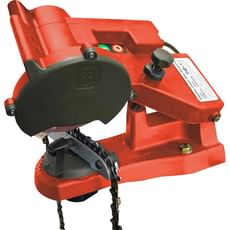
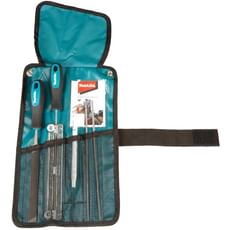
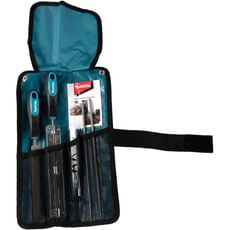
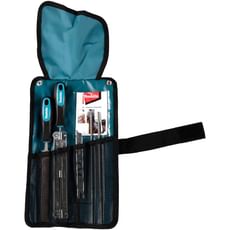
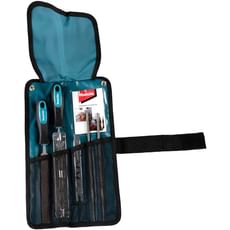
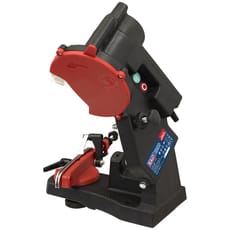
The chainsaw sharpener range at Tooled-Up.com includes both manual file and guide sets for on-site touch-ups and electric bench-mounted sharpeners for precise, consistent results. Manual sharpening kits are portable and ideal for quick maintenance in the field, whilst electric sharpeners offer accuracy and speed for those who regularly sharpen multiple chains. Available from trusted brands including Makita, Sealey, Draper, Faithfull, and Handy, there are options to suit different chain pitches and cutter sizes.
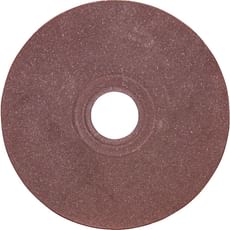
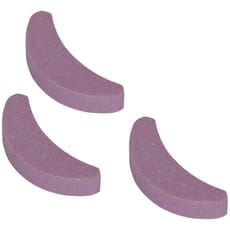
From simple hand files with depth gauge guides to sophisticated electric grinders with adjustable angles, the selection caters to various skill levels and sharpening requirements. Replacement grinding wheels, diamond-coated discs, and sharpening stones are also available to keep your sharpening equipment performing at its best, ensuring long-term value and consistent results.
Jargon Buster
- Chain Pitch: The distance between three consecutive rivets divided by two, typically measured in inches (3/8", .325", etc.). This determines the file size needed for sharpening and must match your specific chain type.
- Depth Gauge (Raker): The curved metal projection in front of each cutter tooth that controls how deep the tooth cuts into the wood. These also require periodic filing to maintain proper cutting depth and prevent aggressive or insufficient cutting.
- Top Plate Angle: The angle of the cutting edge on top of the tooth, typically between 25-35 degrees depending on chain type and cutting application. Maintaining the correct angle is crucial for efficient cutting performance.
- File Diameter: The size of round file needed to sharpen your specific chain, commonly ranging from 3/16" (4.8mm) to 7/32" (5.5mm). Using the correct diameter ensures proper sharpening without damaging the tooth profile.
- Filing Guide: A tool that holds the file at the correct angle and height whilst sharpening, ensuring consistent results across all teeth. Essential for beginners and useful for maintaining accuracy even with experience.
- Electric Chainsaw Sharpener: A bench-mounted grinding tool powered by 240v mains electricity that uses a rotating abrasive wheel to sharpen chain teeth with precision and consistency, typically featuring adjustable angle settings.
Who Uses Chainsaw Sharpeners?
- Arborists and Tree Surgeons: Professional tree care specialists who rely on sharp chains for safe, efficient work at height and need reliable sharpening equipment for daily use.
- Forestry Workers: Those involved in commercial timber harvesting and woodland management who sharpen chains multiple times daily during intensive cutting operations.
- Groundskeepers and Estate Managers: Professionals maintaining large properties, parks, and country estates where chainsaws are used regularly for tree maintenance and landscaping work.
- Landscape Gardeners: Tradespeople who regularly use chainsaws for tree work and site clearance, requiring both workshop and portable sharpening solutions.
- Agricultural Workers: Farmers and estate workers managing hedgerows, fencing, and woodland areas who need practical sharpening tools that can be used on-site.
- Local Authority Maintenance Teams: Council workers responsible for maintaining public spaces and tree safety who maintain chainsaw fleets and require efficient sharpening systems.
- DIY Enthusiasts and Homeowners: Anyone who owns a chainsaw for garden maintenance, firewood cutting, or general property upkeep and wants to maintain their equipment properly.
- Hire Shops and Tool Rental Companies: Businesses that maintain chainsaw fleets for customer hire and need efficient sharpening systems to turn equipment around quickly.
How to Choose the Right Chainsaw Sharpeners
Determine Your Chain Specifications: Before purchasing a sharpener, you need to know your chain pitch and the file diameter required. Check your chainsaw manual or measure the chain pitch yourself. Common sizes include 4.5mm, 4.8mm, 5.2mm, and 5.5mm, with brands like Makita offering specific sharpening sets for each size to ensure perfect compatibility.
Manual vs Electric: Manual file and guide sets are affordable, portable, and perfect for field sharpening or occasional use. They're ideal if you sharpen infrequently or work on-site. Electric sharpeners like those from Draper and Sealey offer faster, more consistent results and are worth the investment if you sharpen chains regularly or maintain multiple saws. Most run on standard 240v power supplies suitable for workshop environments.
Frequency of Use: If you use your chainsaw daily, an electric bench-mounted sharpener will save considerable time and ensure uniform sharpening across all teeth. For occasional users, a manual file set like those from Handy or Faithfull provides adequate performance at a lower cost whilst still delivering professional results.
Portability Requirements: Consider where you'll be sharpening. Manual file sets and portable sharpeners are excellent for site work, whilst electric models require mains power and a stable work surface. Site workers and mobile arborists typically carry manual files for touch-ups between jobs, reserving electric sharpeners for workshop use.
Replacement Parts Availability: Check that replacement grinding wheels, stones, and files are readily available. Tooled-Up stocks replacement components for Sealey, Draper, and other major brands to keep your sharpener operational long-term, including diamond-coated grinding discs and abrasive wheels in various specifications.
Skill Level: Beginners may find filing guides particularly helpful for maintaining correct angles without extensive practice. Electric sharpeners with adjustable angle settings can help achieve professional results with less experience, whilst manual sharpening develops valuable skills for field work.
Popular Accessories
- Replacement Grinding Wheels: Diamond-coated and standard abrasive wheels for electric sharpeners in various grits and specifications
- Round Files: Individual replacement files in various diameters (3/16", 5/32", 7/32") for different chain pitches
- Flat Files: For maintaining depth gauges at the correct height and ensuring proper cutting performance
- File Handles: Comfortable handles to make manual sharpening easier on your hands during extended use
- Depth Gauge Tools: Gauges to check and set proper raker height for optimal cutting efficiency
- Chain Oils: Quality bar and chain oil to lubricate your freshly sharpened chain and extend its lifespan
- Work Gloves: Heavy-duty gloves for safe handling of sharp chains during maintenance work
- Chainsaw Accessories: Spare chains, guide bars, and comprehensive maintenance kits
- Cleaning Brushes: For removing sawdust and debris from chains before sharpening to ensure clean, accurate results
Safety Information
Sharpening chainsaw chains involves working with sharp cutting edges and, in the case of electric sharpeners, rotating grinding wheels. Always wear appropriate PPE including safety glasses or goggles to protect against metal filings and sparks. Heavy-duty work gloves are recommended when handling chains to prevent cuts from sharp teeth.
When using electric sharpeners, ensure your workspace is well-lit and the sharpener is securely mounted to a stable bench. Never operate electric sharpening equipment without the safety guards in place. Follow the manufacturer's instructions regarding grinding wheel installation and replacement, and always allow wheels to reach full speed before applying the chain. Ensure the equipment is properly earthed and connected to a suitable 240v power supply with appropriate circuit protection.
For manual sharpening, secure the chainsaw bar properly in a vice or use a purpose-built bar clamp to prevent movement. File away from your body and keep fingers clear of the cutting edges. Ensure the chain brake is engaged before starting work. Store sharp files and chains safely when not in use, and dispose of worn grinding wheels according to local regulations and HSE guidance on abrasive wheel disposal.
Frequently Asked Questions
How often should I sharpen my chainsaw chain?
This depends on usage, but as a general rule, sharpen your chain whenever you notice it producing sawdust instead of wood chips, requires extra pressure to cut, or pulls to one side. Professional users may sharpen daily, whilst occasional users might sharpen every few hours of cutting time. If you hit dirt or stones, sharpen immediately as this quickly dulls the teeth and compromises cutting performance.
Can I sharpen a chainsaw chain too much?
Yes, chains have a limited lifespan. Each sharpening removes material from the cutters, and once they become too short (typically when they've lost about 3-4mm from the original length), the chain should be replaced for safety reasons. Excessive sharpening also affects the depth gauge relationship, compromising cutting performance and potentially creating dangerous kickback situations.
What's the difference between different file sizes?
File diameter must match your chain pitch and cutter size. Using the wrong size file results in incorrect cutting angles and poor performance. Common sizes include 4.0mm (5/32"), 4.8mm (3/16"), and 5.5mm (7/32"). Check your chainsaw manual or chain packaging for the correct specification, or consult the product details at Tooled-Up.com where matching sharpening sets are clearly specified.
Do I need an electric sharpener or will a manual file do?
Manual files are perfectly adequate for most users and are essential for field sharpening. Electric sharpeners offer speed, consistency, and precision, making them worthwhile for professional users or anyone maintaining multiple chains. Many professionals use both: electric sharpeners in the workshop and manual files for on-site touch-ups between jobs.
How do I know when my grinding wheel needs replacing?
Replace grinding wheels when they become worn down, develop grooves, show cracks, or no longer cut efficiently. Most manufacturers provide minimum diameter specifications for their wheels. Always inspect wheels before use and replace if damaged to maintain both safety and sharpening quality. Replacement wheels for popular models from Sealey, Draper, and Faithfull are readily available to minimise downtime.