

Chalk Lines

Pay in 3 interest-free payments on purchases from £20-£3000 with  . Learn more.
 Loading...
End of content
Error - No more pages to load
About Chalk Lines
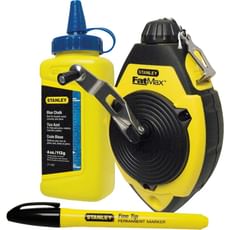
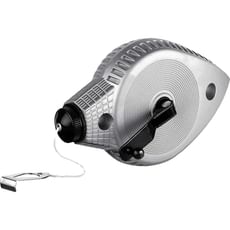
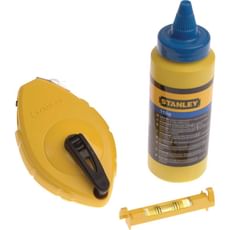
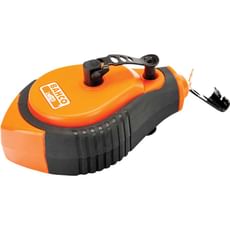
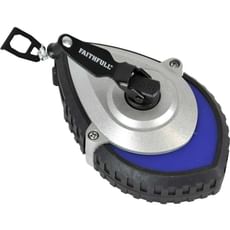
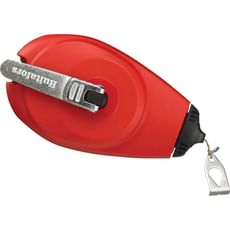
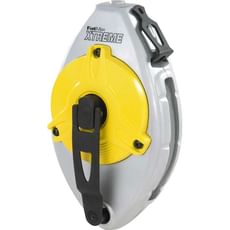
Chalk lines are indispensable marking tools that enable tradespeople and DIY enthusiasts to create perfectly straight reference lines across long distances quickly and accurately. Whether marking out stud positions for partition walls, establishing guidelines for floor tiling, aligning roofing courses, or setting out foundations, a quality chalk line reel makes short work of tasks that would otherwise require painstaking measurement and marking. The basic principle remains unchanged: a length of cord is housed within a chalk-filled reel, absorbing the powder as it pays out, then snapped against a surface to transfer a crisp, visible line.
The selection at Tooled-Up.com encompasses everything from budget-friendly basic reels perfect for occasional home improvement projects through to professional-grade speedline systems designed for high-volume site work. Available from trusted manufacturers including Stanley, Faithfull, Tajima, DeWalt, Hultafors, and Bahco, these tools feature various line lengths (typically 15-30 metres), construction materials ranging from impact-resistant ABS housings to robust aluminium bodies, and modern conveniences such as fast-rewind mechanisms, secure line locks, and generous chalk reservoirs. Many professional models incorporate ergonomic grips, belt clips for easy access, and even integrated spirit levels for establishing perfectly horizontal or vertical references.
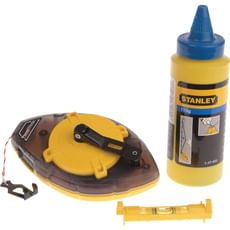
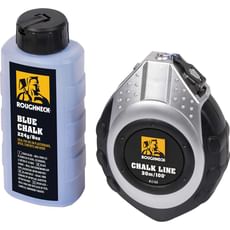
Beyond the chalk line reels themselves, Tooled-Up stocks a comprehensive range of replacement chalk refills in multiple colours including blue for general-purpose marking, red for more permanent applications, and white for enhanced visibility on dark surfaces. Complete chalk line sets bundling the reel with chalk powder offer excellent value for those starting out or replacing worn equipment. Whether you're a professional bricklayer requiring a durable aluminium-bodied reel for daily site use, a carpenter needing reliable reference lines for framework installation, or a homeowner tackling a weekend tiling project, you'll find the appropriate marking solution amongst the extensive range available.
Jargon Buster
- Chalk Line Reel
- A handheld marking tool containing a length of cord (typically 15-30 metres) wound around a spool inside a chalk-filled housing. As the cord pays out, it absorbs chalk powder, enabling you to snap straight reference lines onto surfaces by pulling the line taut and releasing it against the workpiece.
- Braided Nylon Line
- High-strength cord constructed from interwoven nylon fibres, offering superior durability and resistance to fraying compared to twisted alternatives. Braided lines retain chalk more effectively and withstand the rigours of daily professional use, making them the preferred choice for tradespeople.
- Fast Rewind
- A gearing mechanism that accelerates line retrieval, typically offering 3:1 or 4:1 gear ratios to significantly speed up the winding process between uses. This feature dramatically improves productivity when snapping multiple lines throughout the working day.
- Line Lock/Thumb Lock
- A mechanism on the chalk line reel that secures the cord at the desired length, preventing unwanted retraction whilst positioning and snapping the line. This allows single-handed operation and ensures consistent line tension for accurate marking.
- Snapping
- The technique of pulling the chalked line taut between two points, then lifting and releasing it sharply to transfer a straight chalk mark onto the work surface. Proper snapping technique ensures crisp, clearly visible lines.
- Breaking Strain
- The maximum load or tension that the line can withstand before breaking, typically measured in kilograms. Professional-grade braided lines often feature breaking strains of 16kg or higher, providing confidence when marking over long distances or on vertical surfaces.
Who Uses Chalk Lines?
Chalk lines are versatile marking tools used across numerous construction trades and applications:
- Bricklayers and Blocklayers: For establishing course lines, ensuring level alignment across walls, and marking bond patterns on large masonry structures
- Carpenters and Joiners: Marking cut lines on sheet materials, establishing stud positions for studwork, and creating straight reference points for framework and joinery installation
- Roofers: Laying out roof tile courses, marking felt positions, establishing ridge lines, and ensuring consistent batten spacing
- Flooring Installers: Creating guidelines for tile, laminate, vinyl, and hardwood installation to ensure straight, professional results and proper room alignment
- Groundworkers and Landscapers: Setting out building foundations, marking drainage runs, establishing level references across large areas, and planning paving layouts
- Plasterers and Drywall Installers: Marking ceiling batten positions, establishing plumb lines for partition walls, and creating references for screeding work
- Painters and Decorators: Creating straight guidelines for feature walls, marking ceiling and skirting lines, and establishing boundaries for different paint finishes
- Shopfitters and Exhibitors: Laying out display areas, ensuring accurate positioning of fixtures, and marking installation points for commercial fitouts
- DIY Enthusiasts: For home improvement projects requiring accurate straight lines over distance, from garden landscaping to interior renovations
How to Choose the Right Chalk Lines
Line Length: Consider the typical distances you'll be marking in your work. Standard 30-metre reels suit most construction applications and larger domestic projects, whilst 15-metre versions offer improved portability and are perfectly adequate for smaller-scale work or confined spaces. Professional groundworkers laying out large foundations may occasionally require longer lines for extensive site work.
Line Material: Braided nylon lines offer superior strength, longevity, and chalk retention compared to twisted alternatives, making them the sensible choice for daily professional use where durability justifies the modest additional investment. Twisted nylon lines provide adequate performance for occasional DIY applications where cost considerations take priority over extended service life.
Reel Construction: Aluminium-bodied chalk lines provide exceptional durability and impact resistance for demanding site conditions, particularly where tools are subjected to rough handling or adverse weather. Impact-resistant ABS housings offer excellent protection at a more accessible price point and typically prove perfectly adequate for regular trade use and careful handling. Consider your working environment and how the tool will be transported and stored.
Gear Ratio and Rewind Speed: Fast-rewind mechanisms with 3:1 or 4:1 gear ratios significantly reduce the time spent retrieving line between uses, dramatically improving productivity if you'll be snapping multiple lines throughout the working day. For occasional use, a standard rewind mechanism may prove perfectly satisfactory and represents a cost-effective option.
Chalk Capacity: Larger chalk reservoirs mean less frequent refilling, improving productivity on extended projects and reducing downtime. Some professional models feature convenient fill doors that allow quick chalk replenishment without line removal, whilst basic designs require partial disassembly. Consider how frequently you'll use the tool when evaluating reservoir capacity.
Additional Features: Pointed end hooks with claw designs allow the line to be anchored into timber, masonry, and other materials without requiring an assistant. Integrated spirit levels enable you to establish perfectly horizontal or vertical references without additional tools. Belt clips ensure the reel remains accessible throughout the working day, whilst ergonomic grips enhance comfort during extended marking sessions.
Popular Accessories
- Chalk Refill Powder: Available in multiple colours for visibility on different surfaces – blue for general-purpose use and easy removal, red for more permanent outdoor marking, white for enhanced visibility on dark surfaces and concrete, and fluorescent shades for low-light conditions
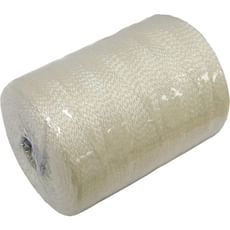
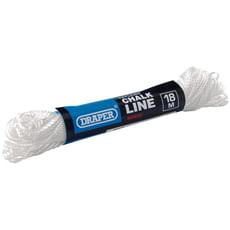
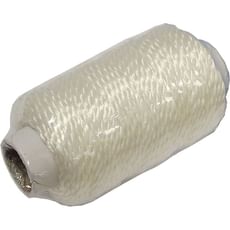
- Replacement Line Cord: Keep spare braided or twisted nylon line for quick replacement when wear occurs at the hook end or when the line becomes frayed from extended use
- Chalk Line Sets: Complete kits bundling the reel with chalk powder and sometimes additional accessories, offering excellent value for those setting up or replacing equipment
- Measuring Tapes: Essential companion tools for establishing accurate distances and measurements before snapping reference lines
- Spirit Levels: For verifying level and plumb before marking reference lines, ensuring accuracy on critical structural work
- Marking Spray Paint: Alternative marking method for rough surfaces, exterior groundwork, or applications where chalk visibility may be limited by surface texture
- Carpenter's Pencils: For marking connection points, making annotations alongside chalk lines, and detailing work that requires more precision than snapped lines
- Line Pins and Marking Pegs: For securing chalk line ends when working on the ground or where hook attachment isn't practical
Frequently Asked Questions
What colour chalk should I use for different applications?
Blue chalk is the most versatile choice for general marking on most surfaces and washes away relatively easily with water, making it ideal for temporary reference lines. Red chalk provides more permanent marking that resists weathering, making it suitable for long-term reference lines or outdoor applications where the marks need to survive rain and site traffic. White chalk offers excellent visibility on dark surfaces such as concrete, asphalt, and bituminous felt. Fluorescent colours are ideal for low-light conditions, underground work, or any situation where maximum visibility is required. Always verify whether you need temporary or permanent marking before selecting your chalk colour to avoid unintended permanent marks on finished surfaces.
How do I prevent the chalk line from breaking during use?
Ensure the line is pulled taut but not over-stretched when snapping – excessive tension is the primary cause of line breakage. Regularly inspect the cord for fraying or damage, particularly at the hook end where most wear occurs from repeated anchoring. Replace worn lines promptly before they fail mid-job. Avoid dragging the line across sharp edges, rough masonry, or abrasive surfaces that can damage the fibres. Quality braided nylon lines offer significantly better durability and breaking strain than twisted alternatives, typically withstanding 16kg or more of tension. When working over very long distances, consider having an assistant support the line at the midpoint to reduce sag and strain.
Can I use chalk lines on vertical surfaces and overhead?
Yes, chalk lines work perfectly well on vertical surfaces such as walls. Simply secure the hook at the top or bottom anchor point, pull the line taut, and snap as normal. Many tradespeople use chalk lines to establish plumb references on walls for partition installation or to mark stud positions. For overhead marking on ceilings, you may need an assistant to hold one end whilst you secure and snap the line, or use temporary fixing pins to anchor the line. Ensure the line is adequately chalked as vertical and overhead snapping may cause some chalk to fall away before marking occurs.
How often should I refill the chalk reservoir?
This depends on usage frequency, line length, and the number of snaps made. Most reels provide approximately 20-30 clear snaps before requiring refill, though this varies with chalk type and environmental conditions. When the line no longer leaves crisp, consistent marks, it's time to add more chalk powder. Shake the reel periodically during use to redistribute chalk along the line length and ensure optimal marking quality. In dusty or windy conditions, you may need to refill more frequently as environmental factors can reduce chalk retention on the line.
What's the difference between permanent and temporary chalk?
Permanent chalk (typically red or orange) contains pigments and formulations designed to resist weathering, washing, and site traffic, making it suitable for long-term outdoor marking on foundations, drainage layouts, and other applications where the marks need to survive for weeks or months. Temporary chalk (usually blue or white) washes away more easily with water or rain, making it ideal for short-term reference lines that will be covered, removed, or are no longer needed once the work progresses. Some temporary chalks are specifically formulated for easy removal from finished surfaces. Always verify the chalk type before use and test on an inconspicuous area if working near finished surfaces to avoid unintended permanent marking.