

Channel Nuts

Pay in 3 interest-free payments on purchases from £20-£3000 with  . Learn more.

 Loading...
End of content
Error - No more pages to load
About Channel Nuts
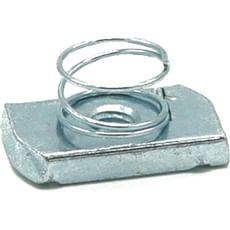
Channel nuts are specialised fastening components designed to work seamlessly with metal channel systems, also known as strut channels or support channels. These innovative fixings feature an integrated spring mechanism that allows them to be easily inserted and positioned anywhere along a channel's length, eliminating the need for drilling or welding. The spring-loaded design compresses during insertion and then expands to grip the channel walls securely, providing a flexible and efficient mounting solution for cable management installations, support frameworks, and adjustable mounting systems across commercial, industrial, and residential applications.
The versatility of channel nuts makes them indispensable for creating adaptable support systems that can be modified without dismantling entire installations. This clever mechanism allows tradespeople to add, remove, or reposition fixings quickly, delivering significant time savings on site. Tooled-Up.com stocks channel nuts manufactured from steel with protective finishes such as bright zinc plated (BZP) to resist corrosion, making them suitable for both indoor and outdoor installations where adjustability and reliability are paramount.
Available in different spring length variants – typically short spring and long spring options – channel nuts cater to various channel depths and load requirements. The choice between these options depends on the specific channel profile being used and the mechanical demands of your installation. Quality brands like Sirius provide reliable channel nuts that meet industry standards, ensuring your support systems remain secure and adjustable throughout their service life, whether you're installing cable trays, mounting equipment, or building modular frameworks.
Jargon Buster
- Channel System: A modular metal framework consisting of C-shaped or U-shaped steel sections (strut channels) used for creating support structures, mounting equipment, and cable management systems in commercial and industrial settings.
- BZP (Bright Zinc Plated): A protective coating applied to steel fasteners that provides corrosion resistance whilst maintaining a bright, attractive finish suitable for visible installations and moderate environmental exposure.
- Spring Mechanism: The integrated spring component within the channel nut that compresses during insertion into the channel and then expands to grip the channel walls, holding the nut securely in position for bolting.
- Long Spring vs Short Spring: Refers to the length of the spring element within the channel nut; long spring nuts suit deeper channels and provide greater grip strength, whilst short spring variants are designed for shallower channel profiles and lighter-duty applications.
- Strut Channel: Another term for metal channel systems, often used interchangeably with "support channel" or simply "channel." The standardised metal profiles that channel nuts are specifically designed to fit within.
- Load Rating: The maximum weight or force that a channel nut can safely support, dependent on factors including the nut size, thread diameter, channel gauge, and installation configuration.
Who Uses Channel Nuts?
Channel nuts are essential components for a diverse range of trades and professionals who work with support systems and mounting frameworks:
- Electricians and Electrical Contractors: For installing cable trays, conduit supports, mounting electrical equipment panels, and creating cable management systems in commercial buildings
- Mechanical and HVAC Engineers: Creating support systems for pipework, ducting, air conditioning units, and mechanical services installations
- Plumbers: Building adjustable pipe support frameworks, mounting commercial plumbing installations, and supporting heating systems
- Shopfitters and Retail Installers: Constructing display systems, shelving supports, and modular retail fixtures that require flexibility and adjustment
- Facilities Managers: Maintaining and modifying building services, support infrastructure, and equipment mounting systems in commercial properties
- Solar Panel Installers: Creating mounting frameworks for photovoltaic systems on commercial and residential properties
- Industrial Fitters: Installing machinery supports, conveyor systems, and industrial equipment frameworks in manufacturing environments
- Warehouse and Logistics Professionals: Setting up racking systems, cable management, and storage solutions in distribution centres
- DIY Enthusiasts: Tackling home workshop organisation, garage storage systems, and utility mounting projects requiring professional-grade solutions
How to Choose the Right Channel Nuts
Selecting the appropriate channel nuts for your project requires consideration of several key factors:
Spring Length: Match the spring length to your channel depth and profile. Long spring channel nuts provide greater grip and are suited to deeper channels or applications requiring higher load capacity. Short spring variants work well with shallower channels and lighter-duty applications. Always verify compatibility with your specific channel system by checking the manufacturer's specifications to ensure proper fit and performance.
Material and Finish: For most indoor applications, bright zinc plated (BZP) steel channel nuts offer excellent value and adequate corrosion protection. For external installations or environments with high moisture or chemical exposure, consider stainless steel options or nuts with enhanced protective coatings to ensure long-term reliability and prevent premature failure.
Thread Size: Channel nuts are available in various thread sizes, typically including M6, M8, M10, and M12. Select the thread size that matches your bolts and the load requirements of your installation. Larger thread diameters provide greater load capacity but require appropriate channel gauge to accommodate them safely without compromising the structural integrity of the system.
Load Requirements: Calculate the anticipated loads your support system will bear, including both static weight and any dynamic forces. Consult load tables provided by the channel system manufacturer, as the combined capacity of the channel, nuts, and bolts must exceed your maximum expected loads with an appropriate safety factor built in for compliance with HSE guidelines.
Quantity Required: Plan your channel nut requirements carefully, considering support point spacing recommendations for your specific application. The range at Tooled-Up includes various pack sizes, and it's advisable to purchase additional nuts beyond your calculated needs to allow for adjustments, replacements, or future modifications to your system.
Popular Accessories
Channel nuts work as part of a complete support system. Consider these complementary products for your installation:
- Metal Channel/Strut Channel: The foundation of your support system, available in various lengths, depths, and gauges to suit different applications
- Channel Bolts: Specifically designed bolts with appropriate head styles that work in conjunction with channel nuts for secure fixing
- Flat Washers: Distribute loads evenly across mounted surfaces and prevent damage to components
- Spring Washers: Provide additional locking security against loosening due to vibration in dynamic installations
- Channel Brackets: Pre-formed brackets in various configurations that connect to channel systems for specific mounting applications
- Channel Beam Clamps: Alternative fixing methods for specific channel system applications requiring different mounting angles
- Threaded Rod: For creating hanging supports and drop-down mounting points from channel systems in ceiling installations
- End Caps: Finish channel ends neatly and safely whilst preventing debris accumulation inside the channel profile
- Channel Joiners: Connect channel sections to create longer runs or complex frameworks for extended installations
Frequently Asked Questions
Can channel nuts be repositioned once installed?
Yes, one of the primary advantages of channel nuts is their repositionability. Simply loosen the bolt, and the spring mechanism allows you to slide the nut along the channel to a new position without removing it entirely. This makes them ideal for installations that may require adjustment or modification over time, significantly reducing labour costs for system changes.
What's the difference between long spring and short spring channel nuts?
Long spring channel nuts have an extended spring element that provides greater grip and load capacity, making them suitable for deeper channels and heavier-duty applications. Short spring nuts are designed for shallower channel profiles and lighter loads. The spring length affects how securely the nut grips the channel walls – always verify compatibility with your specific channel system to ensure optimal performance.
Do I need special tools to install channel nuts?
No special tools are required for installation. Simply compress the spring mechanism (often by hand or with standard pliers), insert the nut into the open side of the channel, position it where needed, and release. The spring expands to hold the nut in place, ready for your bolt to be threaded in. Standard spanners or socket sets are then used to tighten the bolt to the appropriate torque.
Are BZP channel nuts suitable for outdoor use?
Bright zinc plated channel nuts offer moderate corrosion resistance and can be used in sheltered outdoor locations or areas with limited moisture exposure. For fully exposed external installations, coastal environments, or corrosive atmospheres, consider upgrading to stainless steel channel nuts or those with enhanced protective coatings for longer service life and compliance with building regulations.
How many channel nuts do I need for a typical support installation?
The number of channel nuts required depends on your specific application, load requirements, and channel length. As a general guide, support points should be spaced according to the load being supported and the channel gauge being used. Consult the channel system manufacturer's load tables and spacing recommendations, and always include a safety factor in your calculations. For cable tray supports, typical spacing ranges from 1.2 to 2 metres depending on load.