

Childrens High Vis Clothing

Pay in 3 interest-free payments on purchases from £20-£3000 with  . Learn more.
 Loading...
End of content
Error - No more pages to load
About Childrens High Vis Clothing
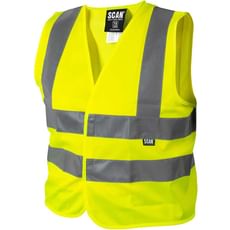
Childrens high visibility clothing provides essential safety wear designed to keep young people visible and protected in low-light conditions or potentially hazardous environments. Whether accompanying parents to construction sites, participating in school trips, cycling during winter months, or helping with family businesses, properly fitted hi-vis garments offer crucial visibility that can prevent accidents. These specially designed safety items meet stringent British and European standards whilst being appropriately sized and styled for younger wearers, ensuring both effective protection and comfortable all-day wear.
High visibility waistcoats and jackets for children are manufactured to comply with EN 1150 or EN ISO 20471 standards, featuring fluorescent materials in bright yellow, orange, or pink combined with retroreflective strips that reflect light directly back to its source. This dual-action approach to visibility works effectively in daylight conditions, where the fluorescent fabric stands out against most backgrounds, and during night-time or poor weather, where the reflective strips catch vehicle headlights and torches. Quality children's hi-vis clothing from trusted brands like Scan ensures younger wearers benefit from the same level of professional-grade protection that tradespeople rely upon daily on building sites across the UK.
The range available at Tooled-Up.com includes children's high visibility clothing suitable for keeping youngsters safe across various situations and activities. From lightweight waistcoats that slip easily over school uniforms or casual wear to more substantial jackets designed for outdoor activities, the selection provides parents, schools, and youth organisations with reliable safety solutions. These garments are engineered to withstand active use whilst remaining lightweight and non-restrictive, encouraging consistent wear without discomfort or complaint from young wearers.
Jargon Buster
- EN ISO 20471: The European standard specifying requirements for professional high visibility clothing, including minimum areas of fluorescent and retroreflective material. Class 1 offers basic visibility, Class 2 provides intermediate protection, whilst Class 3 delivers the highest level of visibility for the most hazardous environments.
- EN 1150: A standard specifically designed for non-professional high visibility clothing, suitable for children and recreational users. This applies to garments worn in areas with low-speed traffic or less hazardous environments where professional-grade protection isn't required.
- Retroreflective Material: Specially engineered tape or fabric that reflects light directly back towards its source, making the wearer highly visible to drivers and machine operators during night-time or poor visibility conditions. This material typically appears as silver or grey strips on fluorescent garments.
- Fluorescent Fabric: Brightly coloured material that converts ultraviolet light into visible light, making it stand out dramatically during daylight hours. Common colours include yellow, orange, and pink, chosen for their high contrast against typical outdoor backgrounds.
- Hi-Vis Waistcoat: A sleeveless garment worn over regular clothing, providing high visibility without restricting arm movement or causing overheating. Also known as a safety vest, visibility vest, or tabard in different contexts.
- Conformity Marking: Labels and permanent markings on high visibility clothing indicating which safety standards the garment meets, along with the classification level, manufacturer details, and care instructions necessary to maintain protective properties.
Who Uses Childrens High Vis Clothing?
Children's high visibility clothing serves a diverse range of users and situations across the UK:
- School Groups: Teachers and educational trip organisers ensuring pupil visibility during visits to museums, historical sites, or any location near roads or construction areas
- Youth Organisations: Scout leaders, Duke of Edinburgh Award supervisors, and youth club coordinators keeping young people visible during outdoor expeditions and activities
- Construction Families: Site managers and tradespeople whose children occasionally visit work sites or help with family-run building and construction businesses
- Agricultural Workers: Farmers and smallholders ensuring children remain visible around farm machinery, vehicles, and livestock in rural environments
- Event Organisers: Those running community events, fun runs, charity walks, or outdoor festivals where child participants need enhanced visibility for safety and supervision
- Cycling Families: Parents ensuring their children remain visible when cycling on roads or shared paths, particularly during darker winter months
- Equestrian Centres: Horse riding instructors and stable managers keeping young riders visible around horses, vehicles, and machinery in yard environments
- Parents and Guardians: Anyone wanting to improve their child's visibility during darker months or when walking near traffic during school runs
How to Choose the Right Childrens High Vis Clothing
Size and Fit: Ensure the garment fits properly over the child's regular clothing without excessive looseness or restriction of movement. Hi-vis waistcoats should ideally be adjustable to accommodate growth spurts and seasonal layering. Check manufacturer sizing guides carefully, as children's sizes can vary significantly between brands. The waistcoat should sit comfortably on the shoulders without riding up during activity.
Safety Standards: Look for garments meeting EN 1150 for general recreational use or EN ISO 20471 for higher-risk environments like construction sites. The relevant standard should be clearly marked on the product label alongside conformity information and classification level. For children visiting professional work sites with parents, EN ISO 20471 Class 2 or above is typically required to comply with HSE guidance.
Intended Use: Consider where and when the clothing will be worn most frequently. Lightweight waistcoats are ideal for school trips, short-term wear, and warm weather use, whilst more substantial jackets with sleeves provide better protection for extended outdoor activities in cold or wet conditions. For cycling or regular outdoor use during winter, choose garments with generous amounts of retroreflective material positioned at multiple angles for 360-degree visibility.
Colour Choice: Fluorescent yellow and orange remain the most common colours, offering excellent daytime visibility against most backgrounds. Some children prefer pink high visibility clothing, which can significantly improve compliance with wearing it consistently. Regardless of colour chosen, ensure the garment includes adequate retroreflective striping for effective night-time visibility.
Durability and Maintenance: Children's hi-vis clothing needs to withstand regular washing without losing reflective properties or fluorescent brightness. Check care instructions and choose garments from reputable brands like Scan that maintain their safety features through multiple wash cycles. Quality construction with reinforced seams and durable hook-and-loop fastenings ensures longer service life.
Popular Accessories
- Adult Hi-Vis Clothing: Matching visibility wear for parents, teachers, or supervisors accompanying children on trips or site visits
- Hi-Vis Backpack Covers: Waterproof covers that increase visibility whilst protecting school bags during wet weather commutes
- Reflective Armbands: Additional visibility aids that can be worn on arms, ankles, or attached to bags for extra conspicuity
- LED Safety Lights: Clip-on flashing lights providing extra visibility during dark conditions for cycling or walking
- Hi-Vis Bags and Rucksacks: School bags incorporating fluorescent materials and reflective strips for improved visibility during school runs
- Cycle Helmets with Reflective Elements: Head protection that enhances visibility for young cyclists alongside standard hi-vis clothing
- Reflective Stickers: Self-adhesive reflective patches for customising clothing, bags, helmets, or scooters with additional visibility
Safety Information
Children's high visibility clothing represents an important safety measure but should form part of a comprehensive approach to child safety rather than being relied upon in isolation. Always ensure children receive appropriate supervision in potentially hazardous environments, regardless of what safety wear they're using. Hi-vis clothing makes children more visible to drivers and machine operators but doesn't make them invincible – proper road safety education and awareness training remain absolutely essential.
Regularly inspect children's hi-vis garments for damage, paying particular attention to the retroreflective strips which can crack, peel, or lose effectiveness over time. Washing gradually reduces the effectiveness of both fluorescent fabric and reflective elements, so replace garments when they become noticeably faded, worn, or damaged. Always follow the manufacturer's care instructions carefully to maximise the garment's effective lifespan and maintain its protective properties.
When children are visiting professional work sites, ensure their hi-vis clothing meets the same standards required of adult workers in that specific environment. The HSE recommends that anyone entering a construction site wears appropriate high visibility clothing meeting EN ISO 20471 standards, and this applies equally to children regardless of age. Never allow children to enter hazardous areas without proper supervision and appropriate safety briefings, even when wearing correct safety gear.
Store children's hi-vis clothing in a clean, dry location away from direct sunlight when not in use, as prolonged UV exposure can degrade fluorescent materials and reduce their effectiveness over time. Keep spare garments available, particularly during winter months when visibility is naturally reduced for longer periods each day and garments may need more frequent washing.
Frequently Asked Questions
What's the difference between EN 1150 and EN ISO 20471 for children's hi-vis clothing?
EN 1150 is designed for non-professional use and is perfectly suitable for children in general situations like school trips, recreational activities, or everyday visibility needs. EN ISO 20471 is the professional standard used on construction sites and industrial environments, offering higher levels of visibility with greater areas of fluorescent and reflective material. For children occasionally visiting work sites with parents or involved in family construction businesses, EN ISO 20471 Class 2 is the appropriate choice. Products stocked at Tooled-Up include garments meeting EN ISO 20471 Class 2 for professional-grade protection.
How often should I replace my child's high visibility clothing?
Replace hi-vis clothing when the fluorescent fabric becomes noticeably faded compared to when new, the retroreflective strips show signs of cracking or peeling, or the garment no longer fits properly due to growth. Even with careful washing following manufacturer instructions, fluorescent materials typically lose effectiveness after 6-12 months of regular use and washing. If the garment has been exposed to harsh chemicals, excessive sunlight, or shows any damage, replace it immediately rather than compromising safety.
Can children's hi-vis waistcoats be worn over winter coats?
Yes, hi-vis waistcoats are specifically designed to be worn over regular clothing, including winter coats and jackets. Choose a size that comfortably accommodates this layering without being excessively loose, and ensure the waistcoat remains visible and doesn't ride up when the child moves or raises their arms. Some parents prefer purchasing hi-vis jackets for winter use, which provide both visibility and weather protection in a single garment.
Are children required by law to wear high visibility clothing in the UK?
There's no general legal requirement for children to wear hi-vis clothing in public spaces or when cycling on UK roads. However, specific environments like construction sites have HSE regulations requiring all visitors, including children, to wear appropriate safety equipment meeting relevant standards. Many schools require hi-vis clothing for educational trips as a matter of policy, and it's considered best practice for children cycling on roads during darker months, though not legally mandatory for general road use.
Will washing damage the reflective properties of children's hi-vis clothing?
Quality hi-vis clothing from reputable brands like Scan is designed to withstand regular washing cycles, but always follow care label instructions carefully to maximise lifespan. Use mild detergent at the recommended temperature (usually 40°C or below), avoid bleach and fabric softeners which can damage materials, and air dry rather than tumble dry where possible. Each wash cycle gradually reduces effectiveness, which is why regular visual inspection and eventual replacement remains necessary for maintaining adequate protection.