

Chisel Sets
Pay in 3 interest-free payments on purchases from £30-2000 with  . Learn more.
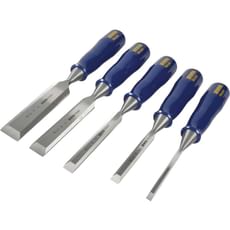
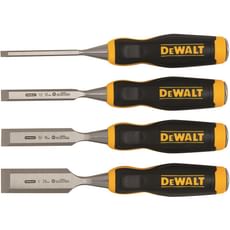
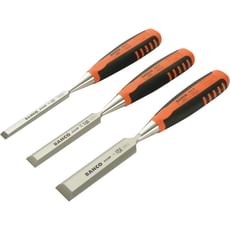
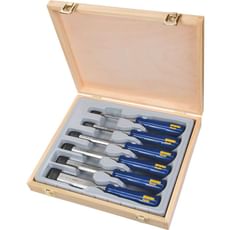
 Loading...
End of content
Error - No more pages to load
About Chisel Sets
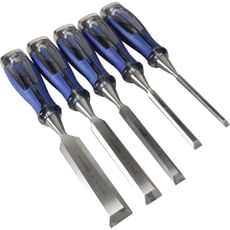
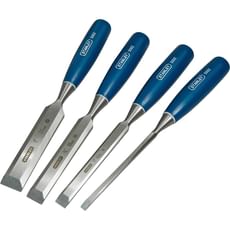
A quality chisel set represents an essential investment for any woodworker, carpenter, or joiner looking to build their toolkit efficiently and economically. Rather than purchasing individual chisels as needs arise, a comprehensive chisel set provides a carefully curated range of widths in one convenient package, ensuring you have the right tool for every cutting task. Whether you're cutting mortises for door hinges, paring joints for furniture assembly, cleaning out housings for shelving, or fine-tuning dovetails in cabinetwork, having an assortment of bevel edge chisels to hand will significantly improve both the quality of your work and your overall productivity.
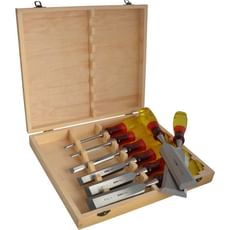
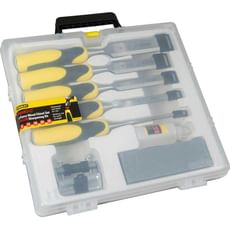
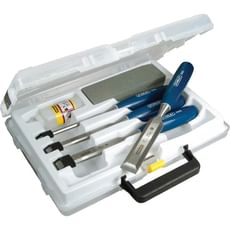
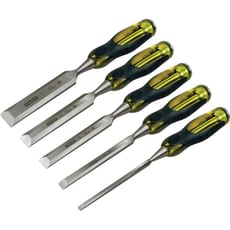
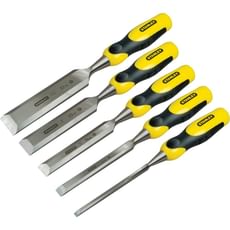
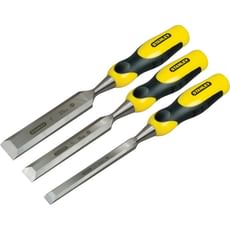
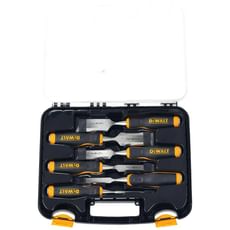
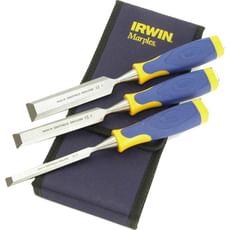
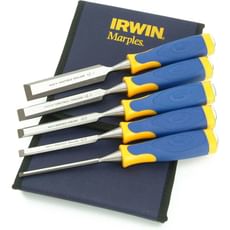
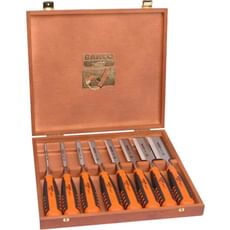
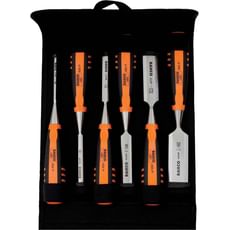
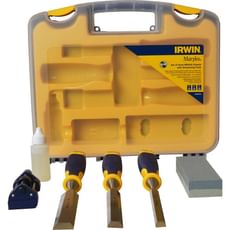
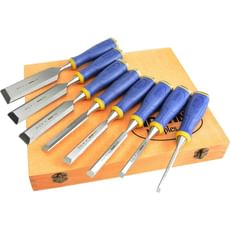
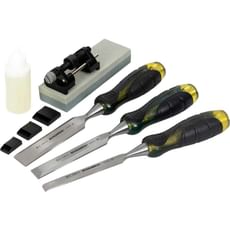
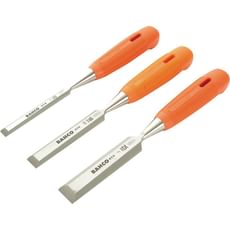
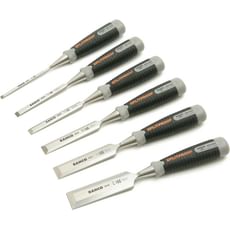
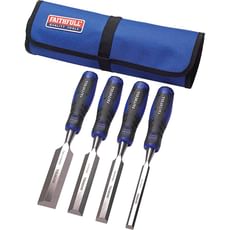
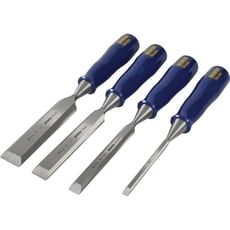
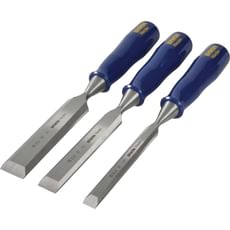
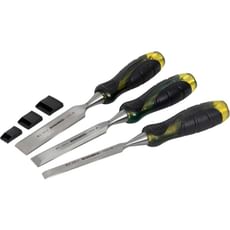
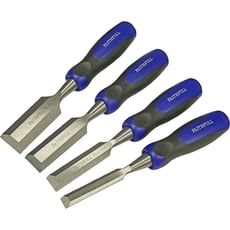
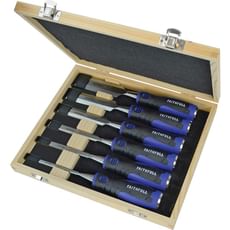
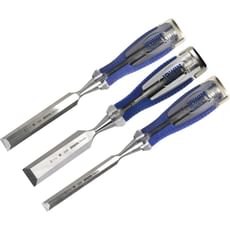
Most chisel sets available from Tooled-Up.com contain between three and eight pieces, typically ranging from 6mm to 38mm widths, covering the most commonly used sizes for general woodworking and carpentry applications. Many sets come with protective storage solutions such as canvas tool rolls, plastic cases, or wooden storage boxes that keep your chisels organised, protected from damage during transport, and easy to locate on site or in the workshop. Leading brands like Marples, Bahco, Stanley, DeWalt, and Draper offer sets suitable for everyone from serious DIY enthusiasts to professional tradespeople, with options ranging from budget-friendly starter sets to premium professional-grade tools crafted from high-carbon steel.
It's worth noting that many brand new chisels arrive from the manufacturer unsharpened or only partially sharpened, so investing in a sharpening stone or honing guide is essential for achieving optimal performance from the outset. Regular maintenance and proper sharpening will ensure your chisel set remains a reliable part of your toolkit for years to come, delivering the clean, precise cuts that quality joinery and carpentry work demands.
Jargon Buster
- Bevel Edge: The most common chisel profile, featuring angled sides that allow access into acute angles and tight corners, making them ideal for dovetail joints and general woodworking tasks where versatility is required.
- Tang vs Socket: Tang chisels have a pointed end of the blade that extends into the handle, whilst socket chisels feature a hollow socket on the blade into which the handle fits. Socket designs generally provide superior strength for heavy-duty work.
- Pound-Through (Strike-Through): Chisels designed with a reinforced striking cap or metal hoop that allows them to be hit with a hammer without damaging the handle, ideal for site work and heavy-duty carpentry applications.
- Honing: The process of sharpening and polishing the chisel blade to achieve a razor-sharp edge, typically performed on a whetstone or diamond sharpening stone at a specific angle, usually between 25 and 30 degrees for general woodworking.
- Paring: A delicate hand-pressure cutting technique used for fine trimming and fitting work, requiring an extremely sharp chisel but no mallet strikes. Essential for precise joinery and finishing work.
- Mortise: A rectangular cavity cut into timber to receive a tenon joint. Whilst specialist mortise chisels exist for this purpose, bevel edge chisels from quality sets can handle lighter mortising work effectively.
Who Uses Chisel Sets?
Chisel sets are indispensable tools for a wide range of tradespeople and woodworking enthusiasts, including:
- Carpenters and Joiners: Professional chippies rely on chisel sets daily for fitting doors, hanging gates, cutting housings for shelving, and cleaning up joints on site and in the workshop.
- Cabinetmakers and Furniture Makers: Precision work demands quality chisels for cutting dovetails, tenons, and fine detail work where accuracy is paramount.
- Shop Fitters and Installers: Installing fixtures and fittings often requires chiselling hinge recesses, lock mortises, and making fine adjustments to ensure perfect fits.
- Heritage and Restoration Specialists: Working with traditional joinery methods on period properties and listed buildings where modern power tools may not be suitable or permitted.
- Boat Builders: Marine carpentry and traditional wooden boat construction require precise hand-cutting skills that quality chisel sets facilitate.
- Pattern Makers: Creating precise wooden patterns for casting and moulding demands accurate chisel work for fine details and clean edges.
- DIY Enthusiasts: Home improvers tackling projects from hanging doors and fitting architraves to building garden furniture and undertaking kitchen installations.
- Woodworking Students and Apprentices: Learning traditional skills and building their first professional toolkit with reliable, affordable sets from brands like Draper and Faithfull.
How to Choose the Right Chisel Sets
Selecting the ideal chisel set at Tooled-Up depends on several key factors that will affect both performance and longevity:
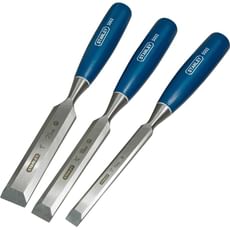
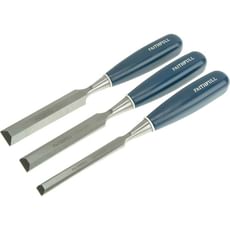
Number of Pieces: Three-piece sets cover basic needs, typically including 12mm, 19mm, and 25mm widths—the most frequently used sizes for general carpentry. Six to eight-piece sets offer greater versatility with sizes ranging from 6mm to 38mm, providing coverage for both fine detail work and wider housings. Consider what tasks you'll undertake most frequently before deciding on set size.
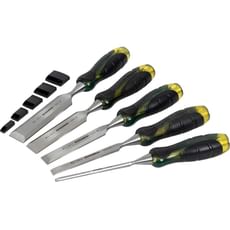
Handle Material and Design: Traditional wooden handles, often crafted from ash or beech, offer excellent feel and natural shock absorption. Modern plastic or composite handles provide enhanced durability and resistance to splitting, particularly important for site work. Soft-grip handles reduce hand fatigue during extended use, whilst pound-through designs with striking caps allow hammer use without damage to the handle.
Blade Quality: Look for high-carbon steel or chrome vanadium steel construction, which holds an edge well and can be resharpened multiple times. Premium chisels from brands like Bahco, Marples, and Stanley offer superior edge retention and require less frequent sharpening, making them ideal for professional daily use.
Storage Solution: Sets with included storage—whether canvas rolls, plastic cases, or wooden boxes—protect your investment and keep chisels organised. This proves particularly important for site work where tools face harsher conditions and need to be transported regularly between jobs.
Professional vs DIY Use: Professional tradespeople should invest in higher-quality sets that withstand daily use and maintain their edges longer. Occasional DIY users may find mid-range options from brands like Draper, Faithfull, or BlueSpot perfectly adequate for their needs, offering excellent value without compromising on essential quality.
Popular Accessories
- Sharpening Stones: Combination whetstones, diamond stones, or water stones for maintaining sharp edges and optimal cutting performance.
- Honing Guides: Ensure consistent angles when sharpening, typically 25-30 degrees, for optimal results and extended edge life.
- Wooden Mallets: Traditional beech mallets provide controlled striking force without damaging chisel handles during heavier work.
- Chiselling Hammers: Specialist hammers designed for striking chisels during heavy-duty work, particularly useful with pound-through designs.
- Protective Blade Guards: Individual guards to protect sharp edges during storage and transport, preventing damage and accidental cuts.
- Tool Rolls and Storage Cases: Additional organisation solutions for expanding chisel collections, including options from Stanley, DeWalt, and Sealey.
- Lapping Oil or Honing Fluid: Lubricants that improve sharpening performance and achieve a superior blade finish.
- Bench Hooks: Secure workpieces safely during chiselling operations, providing stability and protecting work surfaces.
- Strops and Stropping Compound: For final polishing of edges to achieve razor-sharp results for fine paring work.
Safety Information
Chisels are sharp cutting tools that demand respect and proper handling to prevent injury. Always work with sharp chisels—counterintuitively, blunt chisels are more dangerous as they require excessive force and are more likely to slip from the workpiece. When using chisels, always cut away from your body and keep both hands behind the cutting edge at all times.
Wear appropriate PPE including safety glasses or goggles to protect against flying wood chips and splinters, particularly when striking chisels with mallets or hammers. Ensure handles are in good condition without splits or cracks that could lead to failure during use. Store chisels with blade guards or in protective cases to prevent accidental cuts when reaching into toolboxes or tool bags.
Secure workpieces properly using clamps, vices, or bench hooks—never hold timber in your hand whilst chiselling, as slippage can result in serious injury. When paring by hand without striking, maintain controlled movements and remain conscious of where the blade will travel if it slips. Follow HSE guidance for hand tool use, particularly on construction sites where additional hazards may be present and tool maintenance is critical for safety.
Frequently Asked Questions
Do new chisels come ready to use or do they need sharpening?
Most new chisels require sharpening before use, even premium brands from manufacturers like Bahco and Marples. Manufacturers typically supply chisels with a ground bevel but not a fully honed edge. Expect to spend time flattening the back and establishing a proper cutting edge on a sharpening stone before first use. This initial preparation is crucial for achieving the clean cuts that quality chisels are capable of delivering.
What's the difference between bevel edge and firmer chisels?
Bevel edge chisels have angled sides that allow them to reach into acute angles like dovetail joints, making them the most versatile choice for general woodworking. Firmer chisels have rectangular cross-sections with flat sides, providing extra strength for heavier work but limiting access to tight corners. Most chisel sets contain bevel edge chisels due to their all-round versatility for carpentry and joinery applications.
Can I use a claw hammer to strike my chisels?
Traditional wooden-handled chisels should only be struck with wooden or rubber mallets to prevent handle damage and splitting. However, many modern chisels feature pound-through or strike-through designs with reinforced striking caps, which can withstand metal hammer blows. Always check the manufacturer's guidance—using a claw hammer on unsuitable chisels will quickly split and destroy the handle.
How often should I sharpen my chisels?
Sharpening frequency depends on usage intensity and the timber being worked. As a general rule, hone your chisels whenever you notice increased resistance when cutting or observe torn rather than cleanly cut fibres. Professional carpenters often give their chisels a quick touch-up on a strop or fine stone several times daily, whilst occasional users might sharpen every few projects. Regular light honing is preferable to infrequent heavy grinding.
What chisel sizes are most useful for general carpentry?
For general carpentry and joinery work, the most frequently used sizes are 12mm, 19mm, and 25mm, which handle the majority of common tasks including hinge recesses, lock mortises, and cleaning up joints. A six-piece set adding 6mm, 32mm, and 38mm widths provides excellent versatility for both fine detail work and wider housings, making it ideal for professional tradespeople who encounter diverse tasks daily.