
Chucks, Keys & Adaptors

Pay in 3 interest-free payments on purchases from £20-£3000 with  . Learn more.
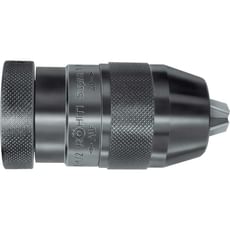
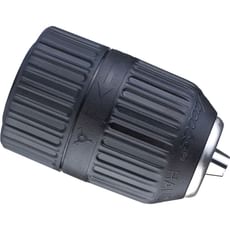
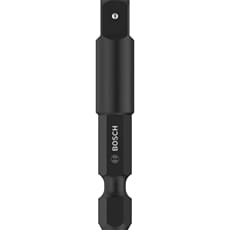
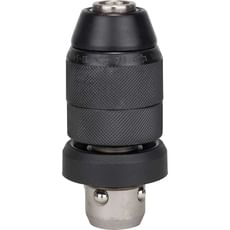
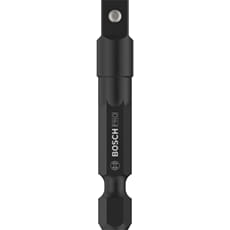
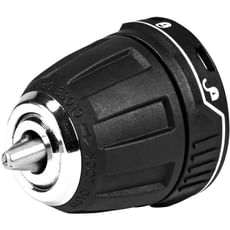
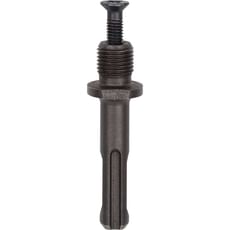
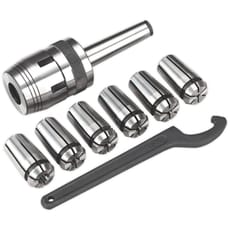
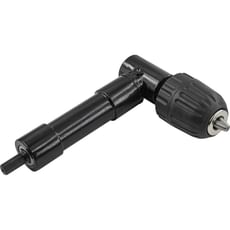
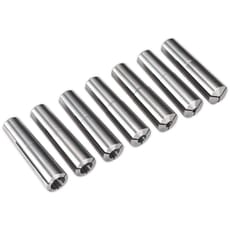
Loading...
End of content
Error - No more pages to load
About Chucks, Keys & Adaptors
Chucks, keys and adaptors represent the critical interface between your power tools and their working attachments, transforming a standard drill or driver into a versatile workhorse capable of tackling diverse applications. From the workshop to the building site, these essential components determine how securely bits are held, how quickly you can change between tasks, and whether you can access those awkward drilling positions that would otherwise require expensive specialist equipment. Whether you're running a professional contracting business or managing complex DIY projects at home, understanding the range of chucks, keys and adaptors available from Tooled-Up.com ensures you maximise the capabilities of your existing tool collection.
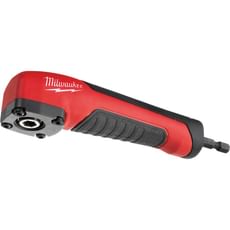
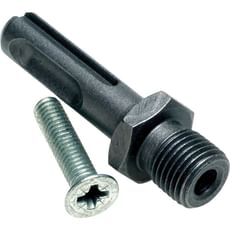
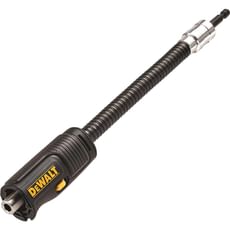
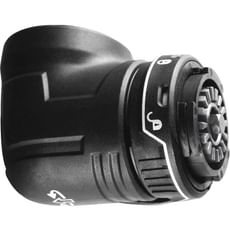
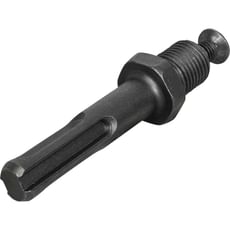
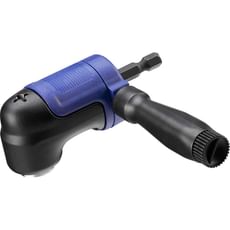
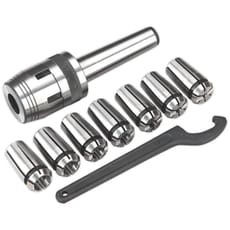
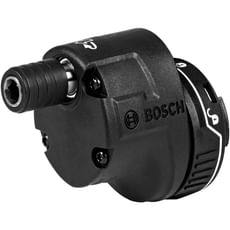
This comprehensive category encompasses everything from traditional keyed chucks offering maximum grip strength for heavy-duty metalwork, through to convenient keyless designs that speed up bit changes during fast-paced site work. You'll discover replacement chuck keys sized to fit popular models from manufacturers like Makita, DeWalt, Milwaukee and Bosch, alongside specialist adaptors that bridge compatibility gaps between different shank types and tool systems. Flexible shaft attachments extend your drilling reach into confined spaces behind pipework and within wall cavities, whilst angle attachments convert standard drills into right-angle drivers for working in corners, joists and ceiling voids where conventional tools simply won't fit.
The versatility offered by quality chucks, keys and adaptors cannot be overstated. Rather than investing in multiple dedicated tools for specialist tasks, the right adaptor or attachment transforms your existing 240v corded drill or cordless driver into equipment capable of handling situations far beyond its original design brief. For tradespeople managing tight budgets or limited van storage, and for DIY enthusiasts building their toolkit gradually, these accessories represent outstanding value by multiplying the functionality of tools already owned.
Jargon Buster
- Chuck: The clamping mechanism fitted to a drill spindle that grips and secures drill bits, driver bits or other rotating attachments during operation, available in keyed or keyless configurations.
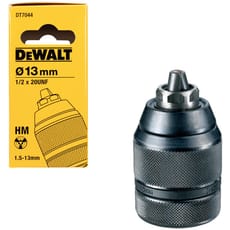
- Keyless Chuck: A chuck design featuring a rotating collar that tightens and loosens by hand without requiring a separate key, enabling single-handed operation and faster bit changes particularly valued by professional tradespeople.
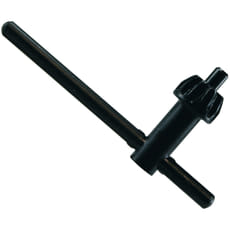
- Chuck Key: A specialised tool with gear teeth that engages with a keyed chuck's toothing to provide mechanical advantage when tightening or loosening the jaws, delivering greater clamping force than manual tightening alone.
- SDS Chuck: Special Direct System chuck found on rotary hammers and heavy-duty percussion drills, featuring a slotted design where bits slide in and lock automatically without requiring manual tightening or keys.
- Arbor: A spindle or mandrel adaptor that mounts hole saws, grinding wheels, wire brushes or polishing mops to power tools, typically incorporating a central pilot drill bit for accurate positioning before cutting commences.
- Hex Shank Adaptor: A conversion device enabling hex-shanked bits to fit round chucks or vice versa, expanding compatibility between different bit formats and allowing use of specialist attachments across various tool brands.
Who Uses Chucks, Keys & Adaptors?
These vital accessories serve a broad spectrum of professionals and skilled users across numerous trades:
- General Builders and Construction Workers - requiring versatile drilling solutions across timber, masonry, metal and composite materials in varying access conditions
- Electricians and Sparkies - needing angle attachments for drilling through joists, behind consumer units and within confined back boxes where standard drills cannot reach
- Plumbers and Heating Engineers - using flexible shafts to access awkward pipe runs behind boxing, under baths and within airing cupboards
- Carpenters and Chippies - replacing worn chucks on heavily-used site drills and employing specialist adaptors for Forstner bits and plug cutters
- Metalworkers and Fabricators - demanding precision chucks with minimal run-out for accurate drilling, reaming and light machining operations
- Maintenance Engineers and Facilities Staff - keeping replacement chuck keys and adaptors available for servicing diverse equipment across multiple buildings
- Automotive Mechanics and Vehicle Technicians - utilising flexible shafts and angle attachments to reach drilling positions within engine bays and under vehicle bodies
- DIY Enthusiasts and Home Improvers - expanding tool capabilities for ambitious projects without requiring major financial investment in additional equipment
How to Choose the Right Chucks, Keys & Adaptors
Thread Compatibility: Before purchasing a replacement chuck, identify your tool's spindle thread specification stamped on the existing chuck body or documented in the manual. Common UK specifications include metric threads (M10, M12, M14) and imperial threads (1/2"-20, 5/8"-16). Mismatched threads will not fit regardless of physical appearance, so accurate identification proves essential.
Capacity Range: Chucks are designated by maximum jaw opening, typically 10mm or 13mm for standard drills, with professional models offering up to 16mm capacity. Consider both your current bit sizes and anticipated future requirements for larger diameter drilling. Professional tradespeople generally prefer 13mm chucks for versatility, whilst 10mm versions suit overhead work where reduced weight matters.
Keyed or Keyless Design: Keyed chucks deliver maximum grip strength for heavy-duty metalwork, large diameter drilling and high-torque applications where bit slippage could prove dangerous. Their mechanical advantage prevents loosening under load. Keyless chucks prioritise convenience and speed for frequent bit changes, particularly beneficial during varied site work requiring regular switching between drilling and driving tasks throughout the day.
Brand Compatibility: Whilst many chucks and adaptors follow universal standards, manufacturers including Makita, DeWalt and Milwaukee occasionally specify proprietary systems within their professional tool ranges. The extensive selection at Tooled-Up includes both universal and manufacturer-specific options, ensuring compatibility with your existing equipment whilst maintaining warranty compliance.
Application-Specific Adaptors: Consider specialist attachments matched to your working environment. Angle attachments prove invaluable for drilling between ceiling joists or within corner assemblies. Flexible shafts reach behind immovable obstacles like pipework or wall-mounted furniture. SDS adaptors allow standard round-shank bits to fit hammer drills when light drilling precedes fixing installation.
Build Quality and Longevity: Professional-grade chucks from established manufacturers like Bosch, Festool and Fein employ hardened steel jaws, precision machining and sealed bearings for extended service life under demanding daily site conditions. Budget alternatives may suffice for occasional DIY use but can wear rapidly when subjected to professional workloads, resulting in reduced grip strength and increased run-out affecting drilling accuracy.
Popular Accessories
- Drill Bit Sets - comprehensive HSS, masonry and wood bit collections in sizes matching your chuck capacity for immediate versatility
- Hole Saw Kits - requiring compatible arbors for mounting larger diameter cutting tools when installing door furniture, pipe penetrations and downlighter apertures
- Magnetic Bit Holders - extending reach and improving bit retention during driving applications, particularly when working at height or in confined spaces
- Spare Chuck Keys - additional keys stored in toolboxes, site boxes and vans prevent work stoppages when originals go missing during busy projects
- Depth Stops and Guides - ensuring consistent drilling depths for shelf pins, dowel joints and fixing installations when precision matters
- Quick-Change Systems - rapid bit exchange mechanisms from manufacturers like DeWalt and Milwaukee for production work involving repetitive operations
- Spindle Lock Tools - specialised spanners providing secure grip when fitting or removing chucks from tool spindles without damaging components
Safety Information
Disconnect Power Before Adjustments: Always remove battery packs from cordless tools and unplug corded equipment from the 240v mains supply before changing chucks, fitting adaptors or adjusting attachments. This fundamental precaution prevents accidental activation that could cause serious hand injuries or facial trauma.
Tighten Chucks Properly: Use all three holes on keyed chucks, systematically moving the key between positions to ensure even jaw clamping around the bit. Under-tightened chucks allow bits to slip or detach during operation, creating dangerous projectiles. With keyless chucks, apply firm hand-tightening pressure rather than relying on initial finger pressure alone, and check tightness before each use.
Regular Inspection for Wear: Examine chucks and adaptors periodically for damaged threads, worn jaw teeth, bent shanks or hairline cracks. Worn components compromise grip strength and concentricity whilst increasing failure risk under load. Replace any damaged items immediately rather than gambling on continued service. The HSE recommends documented pre-use checks for professional tools subjected to daily site work.
Match Speed Ratings: When using adaptors with hole saws, grinding wheels or polishing accessories, verify that attachments are rated for your tool's maximum RPM stamped on the specification plate. Exceeding speed ratings can cause catastrophic adaptor or attachment failure, particularly with larger diameter accessories where centrifugal forces increase dramatically.
Chuck Key Storage: Never leave chuck keys inserted in chucks when not actively tightening. Store keys safely in designated tool compartments or attach them to power tool cables using the provided retaining clip. Loose chuck keys forgotten in chucks create serious hazards when tools are activated, potentially causing facial injuries or striking bystanders as they rotate at high speed.
Frequently Asked Questions
Can I fit any chuck to my existing drill?
Not all chucks offer universal compatibility. You must match both the thread type (metric or imperial) and thread size to your drill's spindle specification. Most drills display the thread size stamped on the original chuck body near the base, or documented in the instruction manual. Common UK specifications include M10, M12 and M14 metric threads, plus 1/2"-20 and 5/8"-16 imperial threads. When uncertain, consult Tooled-Up product specifications or seek professional fitting advice to avoid purchasing incompatible components.
How do I remove a seized chuck from my drill spindle?
Most chucks secure via a left-hand thread on the spindle (anticlockwise to tighten, clockwise to loosen) plus an additional retaining screw visible inside the jaws featuring a right-hand thread. First remove this internal retaining screw by turning clockwise using a large flat-blade screwdriver. Then grip the chuck body firmly using strap wrenches or padded grips whilst rotating the entire drill anticlockwise. For severely seized chucks, apply penetrating oil 24 hours beforehand and use gentle heat from a heat gun to expand the chuck body slightly.
What advantages do keyed chucks offer over keyless designs?
Keyed chucks provide superior clamping force through mechanical advantage, making them essential for heavy-duty applications including large diameter drilling, metalwork and high-torque driving where bit slippage could prove dangerous. They maintain grip under extreme loads and resist loosening from vibration or reverse rotation. However, they require carrying and using a separate key, slowing bit changes. Keyless chucks prioritise convenience for tradespeople making frequent bit changes throughout the day, though they may loosen during particularly demanding applications.
Why does my drill bit wobble despite tight chuck clamping?
Bit wobble or run-out despite secure tightening usually indicates either worn chuck jaws, debris within the jaw mechanism, or a bent bit shank. Remove the bit and clean both the bit shank and inside the chuck jaws thoroughly using a wire brush and degreaser. Inspect the bit shank for straightness by rolling it across a flat surface. If wobble persists with known-good bits, the chuck jaws have likely worn and require replacement. Professional-grade chucks from brands like Bosch and DeWalt typically specify maximum run-out tolerances for precision work.
Are flexible shaft attachments suitable for drilling masonry?
Flexible shafts are designed for light to medium-duty applications requiring access rather than heavy drilling or high-torque work. They excel at small diameter drilling in timber, plastics and thin metal within confined spaces behind obstacles. However, masonry drilling generates significant resistance and vibration that quickly damages flexible shaft mechanisms. For drilling masonry in awkward positions, consider rigid angle attachments which provide full torque transmission whilst changing the drill orientation, or use shorter masonry bits with conventional drill orientation where possible.