

Clamps
Pay in 3 interest-free payments on purchases from £30-2000 with  . Learn more.

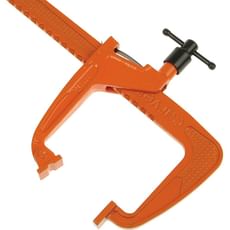
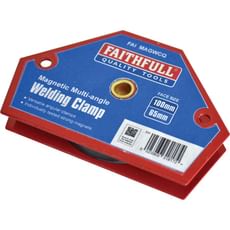
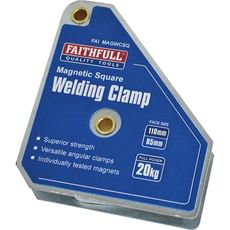
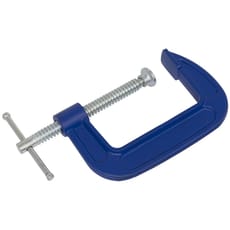
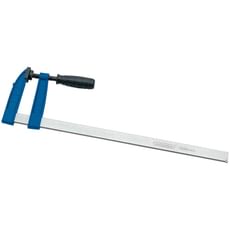
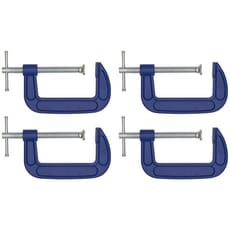
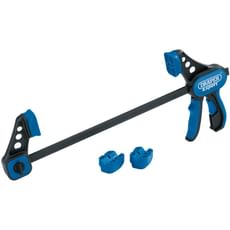
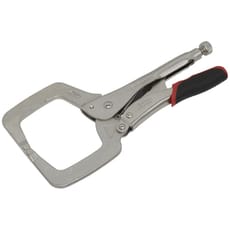
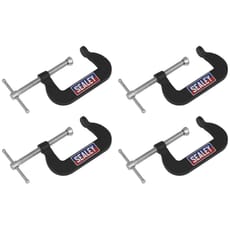
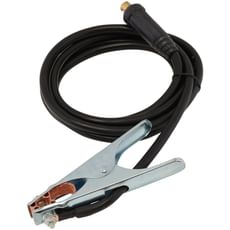
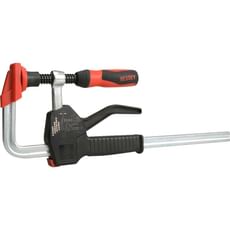
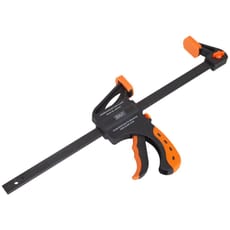
 Loading...
End of content
Error - No more pages to load
About Clamps
Clamps are indispensable workshop tools that act as an extra pair of hands, holding materials firmly and securely whilst you work. Whether you're gluing, sawing, drilling, welding or assembling, the right clamp keeps your workpiece stable and allows you to work with greater precision, safety and efficiency. From small spring clamps that grip delicate materials to heavy-duty sash clamps capable of holding large frameworks, the variety available reflects the diverse applications these tools serve across woodworking, metalworking, construction and fabrication.
The range at Tooled-Up.com encompasses traditional designs like G Clamps and modern innovations such as quick-release models, alongside specialist options including welding clamps, corner clamps and toggle clamps. Each type offers distinct advantages: some prioritise clamping pressure and durability, whilst others emphasise speed of adjustment and one-handed operation. Understanding the strengths of different clamp styles helps tradespeople and DIY enthusiasts select the right tool for specific tasks, from cabinetmaking and joinery to metalwork and automotive repairs.
Quality clamps are characterised by robust construction, smooth adjustment mechanisms, and jaws that grip firmly without damaging workpieces. Professional-grade models from brands like Bessey, Irwin, Stanley and Bahco offer superior reliability and longevity, making them worthwhile investments for regular users. Whether you need a single specialised clamp for an occasional task or a comprehensive set for a busy workshop, choosing appropriate models based on capacity, throat depth, clamping force and material compatibility ensures optimal results.
Jargon Buster
- Clamping Capacity: The maximum opening or reach of the clamp jaws, typically measured in millimetres or inches. This determines the thickness of material the clamp can accommodate.
- Throat Depth: The distance from the jaw face to the back of the clamp frame, which determines how far from the edge of a workpiece the clamp can reach. Deeper throats provide greater versatility for clamping centrally located joints.
- Clamping Force: The amount of pressure a clamp can exert, measured in kilograms or newtons. Higher clamping force is essential for glue-ups and applications requiring maximum hold, whilst lower forces suit delicate materials.
- Quick-Release Mechanism: A system allowing rapid adjustment of the jaw position without turning a screw thread, typically using a trigger or lever. This significantly speeds up positioning and removal.
- Parallel Jaws: Jaws designed to remain parallel to each other throughout their range of travel, ensuring even pressure distribution across the workpiece and preventing slippage or distortion.
- Protective Pads: Soft covers or caps fitted to clamp jaws to prevent marking or damaging finished surfaces, particularly important when working with visible faces or delicate materials.
Who Uses Clamps?
- Carpenters and Joiners: Essential for gluing joints, assembling cabinets, and holding timber during cutting or routing operations
- Cabinet Makers and Furniture Makers: Require various clamps for complex assemblies, veneering, edge banding and precise alignment
- Welders and Fabricators: Use specialised welding clamps and G clamps to position metal components accurately before tacking or welding
- Metalworkers and Engineers: Employ toolmaker clamps and precision models for holding work on milling machines, drill presses and workbenches
- Picture Framers: Rely on corner clamps and band clamps to create perfect mitred joints and square frames
- Vehicle Body Repair Technicians: Use clamps for panel alignment, temporary fixings and holding components during repair work
- Plumbers and Heating Engineers: Benefit from quick clamps for holding pipes during cutting and fitting
- DIY Enthusiasts and Homeowners: Need versatile clamps for furniture repairs, craft projects and general household maintenance
- Shopfitters and Installers: Use heavy-duty clamps for positioning units, worktops and fixtures during installation
How to Choose the Right Clamps
Assess Your Application: Consider what materials you'll be clamping and the typical size of workpieces. Woodworkers generally need different clamps than metalworkers, whilst someone working on small crafts requires different capacity than someone building furniture or site joinery.
Determine Required Capacity: Measure the maximum thickness or width of materials you'll clamp. Allow extra capacity beyond your immediate needs for versatility. Common capacities range from 50mm for light-duty spring clamps to over 1000mm for large sash clamps used in door and frame assembly.
Consider Throat Depth: If you need to clamp away from edges—such as when gluing breadboard ends or holding work centrally on a bench—ensure adequate throat depth. Deep-throat F clamps and G clamps provide greater reach than standard models.
Evaluate Clamping Force Requirements: Laminating, metalwork and dense hardwoods require substantial clamping pressure, making all-metal G clamps or heavy-duty F clamps appropriate. Lighter applications suit quick clamps or spring clamps that offer convenience over maximum force.
Speed vs. Strength Trade-off: Quick clamps with trigger mechanisms excel for rapid, repetitive tasks and one-handed operation, making them favourites on site and in busy workshops. Traditional screw-type clamps offer greater pressure and durability but take longer to adjust. Tooled-Up stocks both types to suit different working preferences.
Quantity Considerations: Most gluing and assembly operations require multiple clamps. Budget for buying sets or purchasing several clamps of the same type to ensure you have enough for typical projects. Panel glue-ups and carcass assembly often need six or more clamps simultaneously.
Material Compatibility: Check whether clamp jaws are suitable for your materials. Soft pads or protective caps prevent marking on finished surfaces, whilst serrated metal jaws provide maximum grip on rough timber or metal stock.
Quality and Durability: Professional brands like Bessey, Irwin Record and Bahco offer superior build quality, smoother operation and longer service life than budget alternatives. For frequent use, investing in quality clamps proves economical long-term through reliability and performance.
Popular Accessories
- Clamp Pads and Protective Caps: Prevent jaw marks on finished surfaces and distribute pressure more evenly
- Clamp Heads and Tail Stops: Convert lengths of steel tube or timber into custom-length sash clamps
- Clamp Storage Racks: Wall-mounted or mobile storage systems that organise clamps and keep them accessible
- Corner Blocks and Cauls: Distribute clamping pressure across wider areas and help maintain square assemblies
- Bench Dogs and Holdfast Clamps: Work with traditional workbenches to provide versatile clamping options
- Adhesives and Wood Glue: PVA wood glues, epoxy resins and construction adhesives that require clamping during cure
- Squares and Measuring Tools: Ensure assemblies remain square and accurate whilst clamped
- Workbenches and Sawhorses: Provide stable platforms for clamping operations
Safety Information
Inspect Before Use: Check clamps for damage, cracks or deformed components before each use. Damaged clamps can slip suddenly or fail under pressure, potentially causing injury or workpiece damage.
Secure Positioning: Ensure clamps are properly seated and tightened before releasing your grip on the workpiece. Position clamps so that handles and adjustment mechanisms don't create tripping hazards or obstruct movement around the work area.
Avoid Over-Tightening: Excessive force can damage workpieces, strip threads, bend clamp frames or cause sudden slippage. Apply only the pressure necessary for the task—more force isn't always better, particularly with softer materials or delicate assemblies.
Use Appropriate PPE: Wear safety glasses when working with clamps, as sudden releases can cause components to move unexpectedly. Gloves protect hands from sharp edges on metal clamps and prevent pinching injuries during adjustment.
Balanced Loading: Distribute clamping pressure evenly using multiple clamps and appropriate cauls or blocks. Uneven pressure can cause workpieces to buckle, split or slip from position suddenly.
Storage Considerations: Store clamps in organised racks or designated areas where they won't fall or create tripping hazards. Keep adjustment mechanisms clean and lightly lubricated for smooth, predictable operation.
Frequently Asked Questions
How many clamps do I need for a typical project?
The number varies considerably depending on project size and complexity. As a general rule, panel glue-ups require clamps every 150-200mm along the joint, so a 1200mm wide tabletop might need six to eight clamps. Many experienced woodworkers maintain a collection of 20 or more clamps in various sizes, whilst DIY enthusiasts might manage with four to six versatile F clamps or quick clamps for occasional projects. It's worth building your collection gradually, starting with a few quality clamps in commonly used sizes.
What's the difference between a quick clamp and an F clamp?
Both share similar F-shaped designs with a fixed jaw and sliding jaw on a bar, but quick clamps feature a trigger mechanism for rapid one-handed adjustment and release, making them ideal for site work and repetitive operations. Traditional F clamps use a screw mechanism that's slower to adjust but typically provides greater clamping force and durability. Quick clamps excel for speed and convenience, whilst F clamps offer maximum pressure for demanding glue-ups and metalwork.
Can I use clamps on finished surfaces without marking them?
Yes, but you'll need to use protective measures. Fit soft pads, rubber caps or cork faces to clamp jaws, or place scrap wood blocks between the clamp and your workpiece. Purpose-made clamp pads distribute pressure evenly and prevent denting or bruising. Many modern quick clamps feature non-marking plastic jaws suitable for finished work, though additional protection is advisable for high-quality surfaces or delicate veneers.
What's the best type of clamp for metal work?
G clamps and toolmaker clamps are traditional favourites for metalwork due to their robust all-steel construction and high clamping force. Welding clamps offer heat resistance and specialised jaw designs for holding metal components during fabrication. For heavier fabrication, consider rack clamps or heavy-duty F clamps with sufficient capacity. The best choice depends on your specific application—precision engineering work suits toolmaker clamps, whilst structural welding benefits from heavy-duty welding clamps with wider jaw openings.
How do I maintain my clamps for long service life?
Keep screw threads and sliding mechanisms clean and lightly lubricated with machine oil or PTFE spray. Remove dried adhesive from jaws promptly using a scraper or chisel—dried glue interferes with grip and can transfer to new workpieces. Store clamps in a dry environment to prevent rust on metal components. Check periodically for bent frames, stripped threads or damaged jaws, and retire any clamps showing significant wear or damage. Quality clamps from established brands available at Tooled-Up.com will provide decades of service with basic maintenance.