

Claw Hammers

Pay in 3 interest-free payments on purchases from £20-£3000 with  . Learn more.
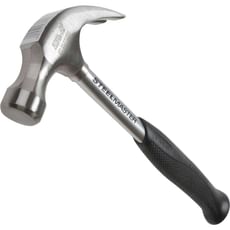
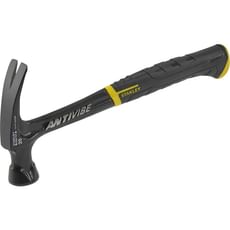
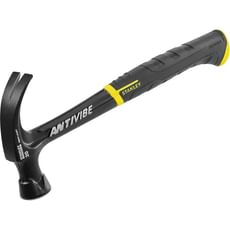
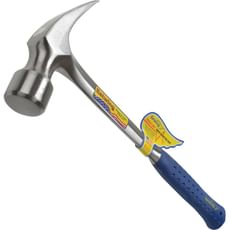
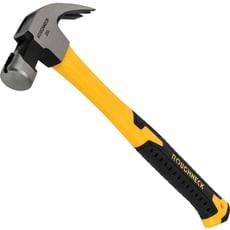
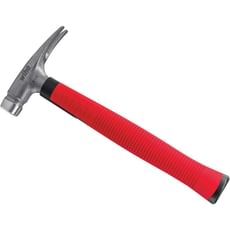
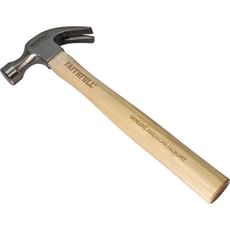
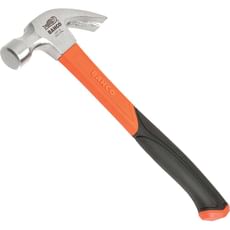
 Loading...
End of content
Error - No more pages to load
About Claw Hammers
Claw hammers represent the quintessential striking tool found in virtually every tradesperson's kit and home workshop across the UK. Characterised by their distinctive two-pronged claw on the reverse of the head, these versatile implements combine powerful driving capability with nail extraction functionality in a single tool. Whether you're tackling first-fix carpentry on a building site, installing architrave and skirting during second-fix work, or undertaking weekend DIY projects around the home, a quality claw hammer remains an indispensable companion. The claw hammer's enduring popularity stems from its elegant simplicity—no batteries to charge, no maintenance schedules, just reliable performance whenever it's needed.
The extensive selection at Tooled-Up.com encompasses everything from lightweight 8oz finishing hammers perfect for delicate trim work, through to robust 24oz framing hammers engineered for heavy-duty construction applications. Modern claw hammer designs incorporate advanced materials including fibreglass and steel handles that deliver superior shock absorption and durability, whilst traditional hickory-handled models remain favoured by many experienced chippies for their natural feel and proven longevity. Leading manufacturers such as Estwing, DeWalt, Bahco, and Draper offer comprehensive ranges covering every application and budget—from entry-level options suitable for occasional use through to professional-grade tools built to withstand years of daily site work.
Understanding the fundamental distinctions between claw hammer types helps ensure you select the right tool for your specific requirements. Curved claw hammers excel at nail extraction, with their arched profile providing excellent leverage for pulling fasteners cleanly from timber. Straight claw variants—often called rip hammers—prioritise prying and demolition tasks, their straighter geometry proving ideal for working between boards and splitting timber. Face finish represents another crucial consideration: milled or checkered faces grip nail heads firmly to prevent glancing blows, though they leave distinctive marks on wood surfaces. Smooth faces suit visible finish work where surface appearance matters, making them essential for cabinet makers, shopfitters, and finish carpenters.
Jargon Buster
- Curved Claw vs Straight Claw: Curved claws feature an arched profile optimised for nail extraction, providing superior leverage when pulling fasteners. Straight claws (rip claws) have a flatter geometry better suited to prying, demolition work, and splitting timber boards.
- Milled Face: Also termed waffle face or checkered face, this textured striking surface features a cross-hatched pattern that grips nail heads during driving to prevent mis-hits. The pattern leaves corresponding marks on timber, making it unsuitable for visible finish work.
- Drop Forged: A manufacturing process where heated steel is shaped under extreme pressure, creating a dense, durable hammer head with exceptional strength characteristics and long service life favoured by professional tradespeople.
- Overstrike Protection: A reinforced collar or shield where the handle meets the head, designed to prevent damage when users accidentally strike with the handle shaft rather than the face—common during repetitive work or confined space applications.
- Shock Absorption: The handle's capacity to dampen vibration and impact forces transmitted to the user's hand and arm. Fibreglass handles typically offer superior shock absorption compared to traditional wooden variants, reducing fatigue during extended use.
- Face Diameter: The size of the striking surface, typically ranging from 25mm to 40mm. Larger faces distribute driving force over a greater area and suit heavy framing work, whilst smaller faces provide enhanced precision for delicate applications.
Who Uses Claw Hammers?
Claw hammers serve an exceptionally broad spectrum of professionals and enthusiasts across numerous trades and applications:
- Carpenters and Joiners: Essential for timber framing, first and second-fix carpentry, stud wall construction, batten installation, and general joinery work throughout building projects
- General Builders: Daily use for formwork assembly, timber studding, temporary structures, and demolition tasks on construction sites of all scales
- Roofers: Installing roofing battens, felt work, fascia boards, and general roof carpentry applications
- Shopfitters and Cabinet Makers: Lighter models for precision work, trim installation, mock-up assembly, and finishing tasks where control matters
- Property Maintenance Teams: Versatile tool for repairs, renovations, and general maintenance work across residential and commercial properties
- Fencing Contractors: Driving and extracting nails during fence panel installation, arris rail fitting, and repair work
- Set Builders and Theatre Technicians: Constructing temporary structures and stage sets requiring regular assembly and disassembly
- Decking Installers: Fitting handrails, fascia boards, and supplementary fixing work alongside power tools
- DIY Enthusiasts and Home Improvers: General household repairs, flat-pack furniture assembly, picture hanging, garden projects, and home renovation work
How to Choose the Right Claw Hammers
Weight and Size: Hammer weight typically ranges from 8oz (227g) for delicate finish work up to 24oz (680g) or more for framing and heavy construction. A 16oz (454g) hammer represents the standard all-purpose choice suitable for most general carpentry tasks and makes an excellent first purchase. Consider your physical capability and intended use—heavier hammers deliver more driving force per blow but cause faster fatigue during extended use. Professional carpenters often maintain multiple hammers at different weights for various applications.
Claw Configuration: Select curved claw designs if nail extraction features prominently in your work, particularly for maintenance, renovation, and general carpentry applications. Opt for straight claw (rip hammer) variants if demolition, prying, and splitting tasks dominate your requirements. Many experienced tradespeople maintain both configurations to cover all eventualities, whilst DIY users typically find curved claw hammers more versatile for household applications.
Face Type: Milled or checkered faces suit rough carpentry, framing, and site work where speed and accuracy matter more than surface appearance. Smooth faces prove essential for finish carpentry, furniture making, cabinet installation, and any application where visible timber must remain unmarked. Some experienced chippies lightly abrade smooth faces with emery cloth to improve grip whilst avoiding the pronounced marking of fully milled versions.
Handle Material: Traditional hickory handles offer excellent shock absorption and a natural feel appreciated by many experienced tradespeople, though they can break under excessive side loading or if allowed to dry out. Fibreglass handles provide superior durability and consistent shock dampening, making them popular for heavy site work and outdoor applications where weather resistance matters. Steel handles, often with rubber or vinyl grips, offer maximum strength for demolition applications but transmit more vibration to the user's hand and arm. Tooled-Up stocks comprehensive ranges featuring all three handle types from manufacturers including Estwing, Bahco, and DeWalt.
Brand and Build Quality: Professional-grade hammers from established manufacturers like Estwing, DeWalt, Bahco, and Faithfull justify their higher price through superior materials, precise balance, secure head-to-handle fixings, and long service life. For occasional DIY use, quality mid-range options from brands such as Draper or Roughneck provide excellent value. Check for drop-forged steel heads, permanent or securely wedged head-to-handle connections, and comfortable, slip-resistant grips.
Ergonomics and Balance: Handle length and grip diameter significantly affect comfort and control during use. The hammer should feel naturally weighted without excessive head-heaviness—a well-balanced tool requires less effort and delivers better accuracy. Rubberised or cushioned grips reduce hand fatigue during prolonged use, particularly important for professional tradespeople working full shifts. If possible, handle the hammer before purchasing to assess its weight distribution and comfort.
Popular Accessories
- Nail Bars and Pry Bars: Complement your claw hammer for heavy extraction and demolition work requiring additional leverage beyond the hammer's claw capability
- Nail Punches and Sets: Essential for driving nail heads below timber surfaces during finishing work, skirting installation, and cabinet making
- Magnetic Nail Holders: Allow one-handed nail starting, particularly useful when working on ladders, scaffolding, or in confined spaces
- Tool Belts and Pouches: Keep your hammer readily accessible alongside other hand tools during site work, improving efficiency and reducing trips
- Replacement Handles: Extend the life of quality hammer heads with new hickory or fibreglass handles when originals become damaged or worn
- Protective Caps: Safeguard polished faces during transport and storage, preventing damage to the striking surface
- Safety Glasses: Essential PPE when striking metal against metal or working with brittle materials that may produce flying fragments
- Anti-Vibration Work Gloves: Reduce hand strain and improve comfort during extended hammering sessions, particularly valuable for high-repetition work
- Tool Lanyards: Prevent dropped tools when working at height, crucial for HSE compliance on commercial sites and scaffolding work
Safety Information
Head Security: Regularly inspect the head-to-handle connection, particularly on wooden-handled models where wedges can loosen over time. A loose head poses serious injury risks to both the user and nearby workers—re-wedge or replace immediately if any movement is detected. Steel and fibreglass-handled hammers with permanently attached heads eliminate this concern but still require checking for cracks or damage to the shaft.
Personal Protective Equipment: Always wear safety glasses or goggles when using claw hammers, as flying debris, nail fragments, chips from struck surfaces, or pieces of hardened masonry nails can cause serious eye injuries. Consider hearing protection during extended use in enclosed spaces where repeated striking creates cumulative noise exposure. Suitable work gloves protect against blisters and improve grip in cold conditions, though some tradespeople prefer bare hands for enhanced feel and control during precision work.
Striking Technique: Allow the hammer's weight and swing momentum to perform the work rather than forcing blows with excessive arm strength. This approach reduces fatigue, improves accuracy, and minimises the risk of repetitive strain injuries. Maintain a firm but relaxed grip, and ensure clear space around your swing path to prevent striking colleagues or objects. Never use standard claw hammers to strike hardened steel surfaces, punches, or chisels—use appropriate striking tools such as club hammers or ball pein hammers designed for metalwork.
Handle Condition: Damaged handles, particularly wooden ones with splits, cracks, or loose grain, can fail catastrophically during use or cause painful splinters. Fibreglass handles can develop surface damage that compromises grip security. Replace compromised handles promptly or retire the tool from service entirely. Keep handles clean and free from oil, grease, or paint that could cause slippage during use.
Working at Height: Use tool lanyards when working from ladders, scaffolding, mobile elevated work platforms, or other elevated positions to prevent dropped tools injuring those below—a requirement on most commercial sites under HSE regulations. Ensure hammers are properly secured in tool belts or pouches when not in active use rather than balanced on beams or left on scaffold boards.
Frequently Asked Questions
What's the difference between a claw hammer and a rip hammer?
Whilst the terms are sometimes used interchangeably, rip hammers specifically feature straight claws designed for prying apart timber and demolition work, whereas standard claw hammers have curved claws optimised for nail extraction. Rip hammers are generally heavier and more robustly constructed, built for rougher construction and demolition tasks. Many UK builders refer to straight claw versions as "rip claw hammers" or simply "rip hammers" to distinguish them from curved claw models, though both types fall under the general claw hammer category.
What weight claw hammer should I choose?
For general-purpose DIY and light carpentry work, a 16oz (454g) hammer provides the best balance of driving power, control, and comfortable handling for most users. Professional carpenters often prefer 20oz models for framing and first-fix work where driving power matters, whilst finish carpenters might opt for lighter 12-14oz hammers for delicate trim work and cabinet installation. If you're purchasing your first hammer or building a basic toolkit, start with a quality 16oz model—it handles the widest range of applications effectively without causing excessive fatigue.
Are fibreglass handles better than wooden ones?
Each material offers distinct advantages depending on your requirements. Fibreglass handles provide superior durability, consistent shock absorption throughout their service life, and excellent weather resistance, making them popular for heavy site work and outdoor applications. Traditional hickory handles offer excellent natural shock dampening and a feel many experienced tradespeople prefer, though they require more careful maintenance and can break under side loading if the grain isn't perfectly aligned. Steel handles are strongest for demolition work but transmit more vibration. Your choice depends on intended use, working environment, and personal preference—there's no universally "best" option.
Why do some claw hammers have textured faces?
Milled, waffle, or checkered faces feature a cross-hatched pattern that grips nail heads during striking, reducing glancing blows and helping drive nails straight—particularly valuable for inexperienced users or speed-critical framing work where productivity matters. However, this pattern leaves corresponding marks on timber surfaces, making smooth-faced hammers essential for any visible finish work, furniture making, shopfitting, or fine carpentry where surface appearance matters. Many professional carpenters own both types for different applications.
How do I maintain my claw hammer?
Keep the striking face clean and free from oil or debris that might cause nails to slip during driving. Regularly check head security, particularly on wooden-handled models, tightening or re-wedging as necessary. Wipe down handles after use to prevent moisture damage, and store hammers in dry conditions away from ground contact. Occasionally apply linseed oil to wooden handles to prevent drying and cracking. Inspect fibreglass and steel handles for cracks, splits, or damage to protective coatings, and replace any hammer showing structural compromise. With proper care, quality claw hammers from brands like Estwing, Bahco, or DeWalt can provide decades of reliable service.