

Claw Pick Up Tools
Pay in 3 interest-free payments on purchases from £30-2000 with  . Learn more.

 Loading...
End of content
Error - No more pages to load
About Claw Pick Up Tools
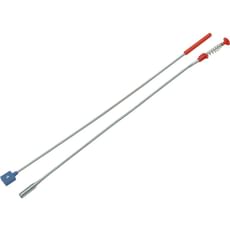
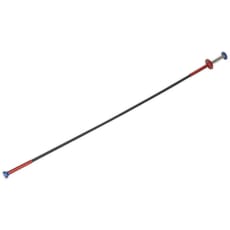
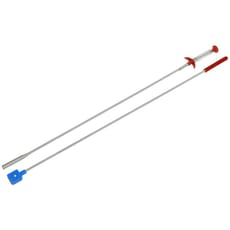
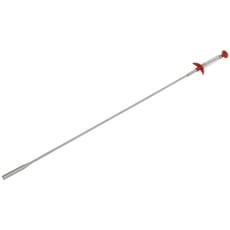
Claw pick up tools are indispensable retrieval devices that solve one of the most frustrating problems faced by tradespeople and DIY enthusiasts: recovering dropped items from awkward, inaccessible locations. Featuring flexible or rigid shafts with spring-loaded mechanical claw mechanisms at the tip, these clever tools extend your reach into engine bays, behind radiators, down drains, under floorboards, into wall cavities, and countless other confined spaces where fingers simply cannot reach. The claw prongs, typically three or four in number, are controlled via a thumb-operated trigger or plunger on the handle, allowing you to open and close the grip with precision to securely grasp screws, nuts, bolts, washers, and other small components that would otherwise require dismantling surrounding structures to retrieve.
The selection at Tooled-Up.com includes various configurations to suit different retrieval scenarios. Standard models typically feature lengths ranging from 600mm for general workshop applications to extended versions reaching over a metre for deep automotive work or beneath-vehicle retrieval. Many designs incorporate flexible or gooseneck shafts that can be bent and positioned around obstacles whilst maintaining sufficient rigidity for controlled operation. Professional-grade options from respected manufacturers such as Sealey, Draper, Faithfull, and Siegen offer reliable performance on demanding job sites, with some models combining both magnetic and mechanical claw functionality in dual-ended designs or comprehensive multi-piece sets for maximum versatility.
Whether you're a motor mechanic recovering a dropped socket from deep within an engine compartment, an electrician retrieving fixings from behind consumer units, a plumber fishing components from tight pipework spaces, or a home improver tackling vehicle maintenance, a quality claw pick up tool can save considerable time, effort, and frustration. Many professionals consider these tools essential additions to their everyday toolkit, particularly when working in locations where the alternative—dismantling fitted units, removing panels, or accessing from opposite sides—would prove impractical, time-consuming, or simply impossible.
Jargon Buster
- Flexible Shaft
- A bendable metal cable or gooseneck design that allows the tool to navigate around obstacles and reach into confined spaces whilst maintaining sufficient rigidity for controlled operation. Can typically be bent to hold a desired angle during retrieval, though applying excessive force may alter the position.
- Claw Mechanism
- A set of spring-loaded metal prongs or fingers (usually three or four) at the tool's tip that open and close via a trigger button on the handle. When the trigger is released, the claws grip objects securely for retrieval regardless of material composition.
- Trigger Release
- The thumb-operated plunger or button mechanism that controls the opening and closing action of the claw prongs, allowing precise control over the gripping sequence. Quality mechanisms provide smooth, responsive action even after extended use.
- Gooseneck Design
- A particular type of flexible shaft construction that holds its shaped position exceptionally well, allowing you to pre-position the tool at complex angles before attempting retrieval operations in particularly awkward locations.
- Magnetic Tip
- Some models feature magnetic ends alongside or instead of mechanical claws, ideal for retrieving ferrous metal items like screws, bolts, and washers without requiring a gripping action. Particularly useful when the dropped item is difficult to position the claws around.
- LED Illumination
- Built-in lighting at the tool's tip or handle to illuminate dark recesses and confined spaces, making dropped items significantly easier to locate before attempting retrieval. Especially valuable when working in unlit engine bays or beneath kitchen units.
Who Uses Claw Pick Up Tools?
Claw pick up tools prove invaluable across numerous trades and applications:
- Motor mechanics and vehicle technicians – retrieving dropped components from engine bays, gearbox areas, underneath vehicles, and tight automotive spaces where access is severely restricted
- Electricians and sparkies – recovering fixings dropped behind fitted units, consumer units, distribution boards, and within wall cavities during installation work
- Plumbers and heating engineers – fishing out components from behind boilers, under baths, within airing cupboards, and tight pipework installations
- HVAC engineers – retrieving fixings and components from air conditioning units, ventilation ducting, and suspended ceiling voids
- Maintenance engineers – recovering dropped items from machinery, industrial equipment, production lines, and confined plant rooms
- Joiners and chippies – retrieving fixings dropped during fitted furniture installation, kitchen fitting, and carpentry work in tight spaces
- General builders – recovering dropped items from wall cavities, suspended ceilings, beneath timber floors, and construction sites
- DIY enthusiasts – essential for home improvement projects, vehicle maintenance, and general household repairs
- Manufacturing operatives – retrieving components from production machinery, assembly areas, and quality control stations
- Marine engineers – recovering items in the confined spaces found throughout boat engine compartments and bilge areas
How to Choose the Right Claw Pick Up Tools
Reach and Length: Consider the typical depth or distance you'll need to reach in your regular work. Compact tools around 600mm suit general workshop use and automotive applications, whilst extended models over a metre are necessary for deep engine bays, beneath vehicles, or behind fitted furniture. Telescopic models offer adjustable length for versatility across different scenarios.
Shaft Flexibility: Flexible or gooseneck shafts are essential for navigating around obstacles, pipework, and corners, but ensure they maintain sufficient rigidity to provide control during retrieval. Rigid shafts provide superior precision in straight-line applications but lack the manoeuvrability required for complex access routes. Consider whether your typical retrieval scenarios involve straight access or require bending around obstacles.
Claw Design and Capacity: Examine the number of claw prongs (typically three or four) and their maximum opening diameter. Larger claws can grip bigger objects like sockets and larger fixings but may struggle in particularly tight spaces. Smaller, more compact claw designs excel in confined areas but have limited gripping capacity. Match the claw size to the typical components you need to retrieve.
Magnetic vs Mechanical: Magnetic tips excel at retrieving ferrous metal items like screws, bolts, and washers without requiring precise positioning or gripping action, but they won't work on non-magnetic materials such as aluminium, plastic, or stainless steel. Mechanical claws offer universal compatibility regardless of material. Many professionals working at Tooled-Up.com opt for combination sets featuring both magnetic and claw options for maximum versatility.
Build Quality and Durability: Professional-grade tools from established manufacturers offer superior longevity for demanding site use. Check for robust construction with quality materials, reliable trigger mechanisms that won't become stiff or unresponsive, and comfortable grip handles with rubberised coatings for extended use. Budget models may suffice for occasional DIY use, but trade professionals benefit from investing in quality tools.
Additional Features: LED illumination integrated into the tool helps locate dropped items in dark recesses like engine bays or beneath units. Some comprehensive sets include inspection mirrors for visual confirmation before retrieval attempts. Rubberised or cushioned grips improve comfort during extended retrieval operations. Consider whether these features would genuinely benefit your typical applications.
Popular Accessories
- Magnetic pick up tools – complementary retrieval option specifically for ferrous metal components, often featuring telescopic designs with stronger lifting capacities
- Inspection mirrors – telescopic mirrors with angled heads for locating dropped items before retrieval attempts, reducing frustration and wasted effort
- LED inspection lights – portable lighting solutions including flexible neck designs for illuminating dark confined spaces during retrieval operations
- Endoscope cameras – advanced visual inspection equipment for particularly difficult retrieval situations where direct line-of-sight is impossible
- Tool roll organisers – storage solutions for pick up tools and related accessories, protecting flexible shafts during transportation
- Parts trays and magnetic bowls – organisers that prevent components being dropped in the first place, particularly valuable during disassembly work
- Work mats and creepers – comfortable positioning equipment when working underneath vehicles where dropped components are common
- Mechanics gloves – providing grip and protection when working in confined spaces where hands may contact sharp edges
Frequently Asked Questions
What's the difference between claw and magnetic pick up tools?
Claw pick up tools use mechanical spring-loaded prongs to physically grip objects regardless of material composition, making them suitable for retrieving plastic components, rubber washers, aluminium fixings, stainless steel items, and non-ferrous metals. Magnetic pick up tools only work with ferrous metals but don't require precise positioning around the object or a gripping action—they simply attract the item. Many professionals maintain both types in their toolkit, and several manufacturers offer combination sets with both features for maximum versatility across different retrieval scenarios.
How much weight can a claw pick up tool typically lift?
Most standard claw pick up tools can safely retrieve items weighing between 200g to 1kg, depending on the model's construction quality, claw design, and shaft rigidity. The flexible shaft design and gripping angle significantly affect lifting capacity—retrieving an item vertically provides maximum capacity, whilst awkward angles or extended horizontal reach will substantially reduce the effective lifting capability. Always check the manufacturer's specifications, and use gentle, controlled movements rather than forcing or jerking, which may cause the grip to slip.
Can flexible claw tools maintain their bent shape during retrieval operations?
Quality flexible claw tools featuring gooseneck or bendable shafts hold their shaped position reasonably well during retrieval operations, allowing you to pre-position the tool at complex angles. However, they're not completely rigid—applying significant lifting force or encountering resistance may cause the shaped angle to alter slightly. For precise control in difficult positions, bend the shaft to the desired angle, test the position and stability before attempting retrieval, and use gentle, controlled movements. Avoid applying excessive sideways force which may cause the shaft to buckle or lose its shape.
How do I maintain my claw pick up tool for long service life?
Keep the claw mechanism clean and free from debris, dirt, and metal filings that might prevent smooth operation or cause the prongs to stick. Periodically apply a small amount of light machine oil or penetrating lubricant to moving parts, particularly the trigger mechanism and claw pivot points, to maintain smooth action. Store in a dry environment to prevent corrosion, especially important for tools used in damp conditions. If the trigger becomes stiff or the claws unresponsive, disassemble if the design permits and clean thoroughly, or consider replacement if the mechanism is sealed. After use in contaminated environments, clean immediately to prevent debris setting in the mechanism.
Are claw pick up tools suitable for retrieving items from drains or wet environments?
Whilst claw pick up tools can technically reach into shallow drain openings or damp locations, standard models aren't specifically designed for submerged or heavily contaminated environments. The claw mechanisms may become clogged with debris, affecting smooth operation, and most models lack the sealing required for prolonged exposure to water. If you do use a claw tool in damp conditions, ensure thorough cleaning and drying immediately afterwards, paying particular attention to the trigger mechanism and claw pivot points. For regular drain work, consider specialist drain retrieval tools designed specifically for wet, contaminated environments.