

Cleaning Cloths & Tools
Pay in 3 interest-free payments on purchases from £30-2000 with  . Learn more.
 Loading...
End of content
Error - No more pages to load
About Cleaning Cloths & Tools
Professional cleaning cloths and tools are essential equipment for tradespeople working with pipe installations, plumbing systems, and precision fittings. These specialised implements ensure that surfaces are properly prepared before soldering, joining, or sealing, which is critical for achieving leak-free connections and long-lasting installations. From pipe cleaning brushes and deburring tools to polishing pads and fitting cleaners, this category encompasses the vital preparation equipment that makes the difference between a professional job and a problematic one.
When working with copper pipe, steel tubing, or brass fittings, surface preparation is paramount. Oxidation, burrs, flux residue, and general contamination can all compromise joint integrity and lead to costly failures. The cleaning tools available from Tooled-Up.com are designed to remove these contaminants efficiently, creating the clean, smooth surfaces necessary for proper solder flow and secure mechanical joints. Whether you're working on domestic heating systems, commercial installations, or industrial pipework, having the right cleaning implements to hand ensures that every connection meets professional standards.
Quality cleaning tools from trusted brands like Monument, Arctic Hayes, and Draper are built to withstand the demands of daily site work. These aren't disposable items but durable tools that tradespeople rely on throughout their careers. From multi-purpose pipe cleaners that tackle internal and external surfaces simultaneously to specialised fitting brushes that reach awkward spaces, these tools are engineered to make preparation work faster, more thorough, and ultimately more reliable.
Jargon Buster
- Deburring: The process of removing sharp edges, ridges, or rough material left on pipe ends after cutting. Proper deburring prevents damage to fittings and ensures smooth flow through the pipe system.
- Flux Residue: The corrosive remains of soldering flux that must be cleaned from joints after soldering. If left in place, flux residue can cause premature failure of pipe systems through chemical corrosion.
- Oxidation Layer: A thin film of copper oxide or other metal oxide that forms on pipe surfaces when exposed to air. This layer must be removed before soldering to ensure proper solder adhesion and joint strength.
- Fitting Brush: A specialised brush designed to clean the internal surfaces of pipe fittings, elbows, and couplings where standard cleaning tools cannot reach effectively.
- Polishing Pad: An abrasive pad used to brighten and clean pipe surfaces, removing light oxidation and preparing metal for soldering or compression fittings.
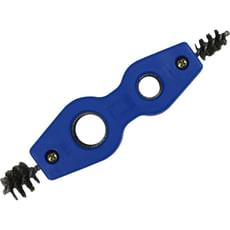
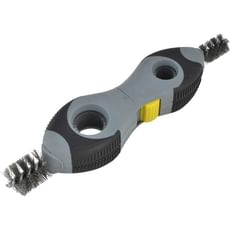
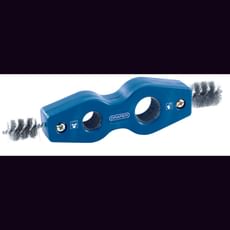
- Quad Brush: A four-sided pipe cleaning brush that cleans both internal and external pipe surfaces simultaneously, significantly reducing preparation time on site.
Who Uses Cleaning Cloths & Tools?
Cleaning cloths and tools for pipework are essential equipment for various trades and professionals:
- Plumbers and heating engineers preparing copper pipe and fittings for soldered joints in domestic and commercial installations
- Gas fitters ensuring clean, debris-free connections that meet Gas Safe standards
- HVAC technicians working on air conditioning and refrigeration pipework where cleanliness is critical
- Maintenance engineers in commercial and industrial settings carrying out repairs and modifications to existing pipe systems
- Marine engineers working on boat plumbing and fuel systems where corrosion prevention is essential
- General builders undertaking first-fix plumbing work on new construction projects
- DIY enthusiasts tackling home improvement projects involving pipework modifications or repairs
- Apprentices learning proper pipe preparation techniques under supervision
How to Choose the Right Cleaning Cloths & Tools
Selecting appropriate cleaning tools depends on several important factors:
Pipe Size and Material: Ensure your cleaning tools match the pipe dimensions you work with most frequently. Multi-size tools like quad brushes often cover 15mm and 22mm copper pipe, whilst deburring tools typically feature adjustable or interchangeable heads. Consider whether you're working with copper, steel, brass, or plastic, as some cleaning methods are material-specific.
Internal vs External Cleaning: Determine whether you need to clean pipe exteriors, fitting interiors, or both. Fitting brushes are essential for cleaning inside elbows and couplings, whilst wire wool or polishing pads work well on external surfaces. Combination tools that tackle both surfaces simultaneously can significantly speed up workflow on larger jobs.
Build Quality and Durability: Professional-grade tools from established brands like Monument, Arctic Hayes, and Draper offer superior longevity compared to budget alternatives. Look for brass bristles that won't rust, comfortable handles that withstand daily use, and robust construction that survives being carried in toolbags and dropped on site. The Tooled-Up range includes tools built specifically for the demands of professional tradespeople.
Job Type and Frequency: For occasional domestic work, basic cleaning pads and a simple deburring tool may suffice. Professional plumbers working daily should invest in comprehensive cleaning kits with multiple brush sizes and dedicated tools for different applications. Consider tools that work quickly if you're pricing jobs competitively and need to maximise efficiency.
Compliance Requirements: When working on gas installations or systems requiring certification, ensure your cleaning methods meet relevant British Standards and Gas Safe requirements. Thorough cleaning isn't just good practice—it's often a regulatory requirement for certain installations.
Popular Accessories
Complement your cleaning cloths and tools with these related products:
- Soldering flux and paste for prepared joints
- Pipe cutters and slices for clean, burr-free cuts
- Wire wool in various grades for different cleaning intensities
- Abrasive cloth and emery paper for fine surface preparation
- Degreasing sprays and cleaning solvents for removing oils and contaminants
- Pipe bending tools that work best with properly cleaned pipe
- Solder and blow torches for completing prepared joints
- Tool rolls and storage pouches to keep cleaning implements organised
- Safety gloves to protect hands during cleaning operations
- Inspection mirrors for checking cleaned internal surfaces
Safety Information
Personal Protective Equipment: Always wear appropriate safety glasses when using wire brushes or deburring tools, as metal particles can become airborne. Work gloves protect against sharp edges and burrs, whilst also providing grip when handling cleaning implements.
Sharp Edges: Freshly cut and deburred pipe ends remain sharp. Handle with care and be mindful of where you place tools and materials on site. Ensure proper deburring to protect both yourself and anyone else working on the installation.
Chemical Residues: Some cleaning products and fluxes contain chemicals that require proper ventilation and may cause skin irritation. Always follow COSHH guidelines when using chemical cleaners in conjunction with mechanical cleaning tools, and ensure adequate workspace ventilation, particularly when working in confined spaces.
Tool Maintenance: Keep brushes and cleaning tools in good condition. Worn or damaged bristles can be less effective and may break off, potentially contaminating pipe systems. Replace tools when they show significant wear.
Frequently Asked Questions
Do I really need to clean pipes before soldering, or can I just use more flux?
Proper cleaning is absolutely essential and cannot be replaced by additional flux. Oxidation, dirt, and oils prevent solder from bonding properly to the pipe surface, regardless of flux quantity. Clean pipe ensures strong, leak-free joints that will last for decades, whilst poorly prepared surfaces lead to weak joints prone to failure. Professional plumbers and Gas Safe engineers always clean thoroughly before soldering.
What's the difference between a fitting brush and a regular wire brush?
Fitting brushes are specifically sized and shaped to clean the internal surfaces of pipe fittings, couplings, and elbows. Their cylindrical design and appropriate diameter ensure thorough cleaning of these internal surfaces where standard wire brushes cannot reach. Regular wire brushes work well on external pipe surfaces but won't fit inside fittings properly.
How often should I replace my pipe cleaning tools?
Replace cleaning tools when bristles become worn, bent, or sparse, as effectiveness diminishes significantly with wear. A professional plumber working daily might replace frequently-used brushes every few months, whilst occasional users may find tools last several years. Monitor tool condition rather than following a strict schedule—if cleaning takes longer or requires more effort, it's time for replacement.
Can I use the same cleaning tools for copper, steel, and brass?
Yes, most pipe cleaning brushes and deburring tools work across different metals. However, be aware that harder materials like steel will wear tools more quickly than softer copper. Clean tools between different materials to avoid cross-contamination, particularly when moving from steel (which may have cutting oil residue) to copper that you're about to solder.
Are quad brushes better than separate internal and external cleaning tools?
Quad brushes offer significant time savings by cleaning both surfaces simultaneously, making them excellent for high-volume work or long runs of pipework. However, separate tools sometimes provide more control and thoroughness, particularly in difficult-to-reach locations or when dealing with heavily oxidised pipe. Many professional plumbers stock at Tooled-Up.com keep both options in their toolkit and choose based on the specific situation.