

Cleaning Discs

Pay in 3 interest-free payments on purchases from £20-£3000 with  . Learn more.
 Loading...
End of content
Error - No more pages to load
About Cleaning Discs
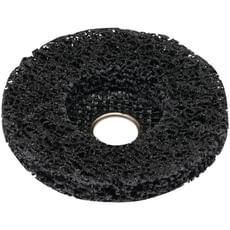
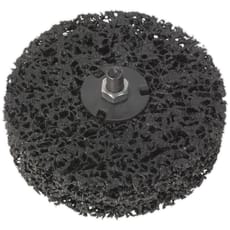
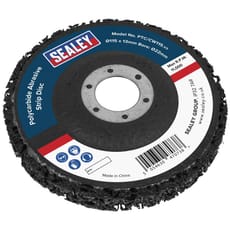
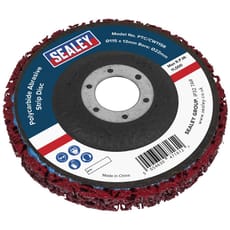
Cleaning discs are specialist abrasive accessories engineered to remove rust, paint, coatings, adhesives and other surface contaminants from metal, wood and various substrates without aggressively damaging the underlying material. Unlike conventional grinding or sanding discs that focus on material removal, cleaning discs are specifically designed to strip away unwanted surface layers whilst preserving the base substrate. Available in several configurations including polycarbide abrasive discs, fleece strip discs and silicon carbide fibre mesh varieties, these versatile accessories mount onto angle grinders and rotary tools to tackle demanding surface preparation challenges across workshop and site environments.
The primary advantage of cleaning discs over traditional wire brushes or grinding wheels is their controlled material removal with significantly reduced risk of gouging or surface damage. Polycarbide strip discs feature abrasive particles bonded throughout the disc structure for aggressive rust and paint removal, whilst fleece-based cleaning discs offer a more flexible, conforming surface ideal for irregular contours and delicate materials. The open mesh construction found in many cleaning discs resists loading and clogging, allowing debris to escape during operation and maintaining consistent cutting performance throughout the disc's lifespan.
Tooled-Up.com stocks cleaning discs from trusted manufacturers including Bosch Professional, Makita, Sealey, Draper and Faithfull, each offering different grades from coarse to fine for various applications. Whether preparing vehicle bodywork for repainting, removing old varnish from timber, cleaning weld seams or stripping corrosion from metal fabrications, there's a cleaning disc specifically engineered for professional tradespeople and DIY enthusiasts tackling surface restoration projects.
Jargon Buster
- Polycarbide Abrasive Discs: Cleaning discs featuring silicon carbide or aluminium oxide particles embedded throughout a durable polymer matrix. These discs maintain their cutting action as they wear down, making them considerably longer-lasting than surface-coated alternatives and ideal for heavy-duty rust and paint removal.
- Fleece Strip Discs: Non-woven abrasive discs constructed from synthetic fibres impregnated with abrasive particles. Available in coarse, medium and fine grades, they conform to irregular surfaces and provide consistent finishes without loading up with debris, making them suitable for both metal and wood applications.
- Smart Eraser: A rubber-bonded abrasive wheel or disc designed for gentle removal of adhesive residue, decals, pinstripes and light surface contaminants without damaging the underlying material. Particularly useful for automotive detailing and signage removal.
- Surface Conditioning: The process of preparing a surface by removing contamination, oxidation or old coatings whilst minimising substrate material removal. Cleaning discs excel at surface conditioning compared to aggressive grinding wheels, offering superior control.
- Fibre Mesh Construction: An open mesh disc design that resists loading and clogging by allowing debris to escape during use. This construction provides cooler running temperatures, reduces heat build-up and extends disc life considerably compared to solid disc designs.
- Centre Bore: The mounting hole diameter at the centre of the disc, typically 22.23mm for standard angle grinder fitment in the UK. Always verify compatibility with your specific tool before purchasing to ensure safe operation.
Who Uses Cleaning Discs?
Cleaning discs are invaluable across numerous trades and industries:
- Automotive technicians and body shop professionals – removing paint, rust and underseal from vehicle panels, chassis components and preparing surfaces for respray work
- Welders and metal fabricators – cleaning weld seams, removing mill scale and preparing metal surfaces for coating or further fabrication
- Maintenance engineers – stripping old paint and corrosion from machinery, plant equipment and structural steelwork during refurbishment projects
- Joiners and cabinet makers – removing old varnish, paint or adhesive residue from timber without damaging the grain structure
- Restoration specialists – carefully stripping multiple layers of paint from classic cars, antique furniture or architectural metalwork
- General construction workers – site preparation and cleaning tasks across various materials including concrete, brick and metal
- Building maintenance teams – removing graffiti, adhesive residue and surface contamination from building facades and infrastructure
- Agricultural engineers – cleaning and preparing farm machinery and equipment for welding repairs or repainting
- DIY enthusiasts – tackling home renovation projects requiring surface preparation without investing in specialist abrasive blasting equipment
How to Choose the Right Cleaning Discs
Selecting the appropriate cleaning disc depends on several critical factors:
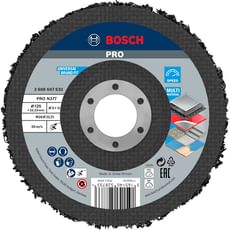
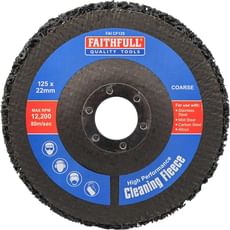
Material Type: Different disc constructions suit different substrates. Polycarbide discs from Sealey and Draper work excellently on metal for aggressive rust removal but may prove too harsh for softwoods. Fleece discs like the Bosch N377 or Faithfull surface cleaning discs offer greater versatility across metal, wood and composite materials. Always consider the substrate you're working with before selecting a disc type.
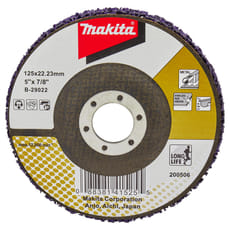
Disc Grade and Abrasiveness: Coarse discs remove material quickly but leave a rougher finish, ideal for heavy rust or thick paint layers. Fine grades provide gentler cleaning action suitable for final surface preparation or delicate materials. Medium grades offer a balanced compromise for general-purpose applications. The Makita silicon carbide fibre mesh construction provides excellent cutting action whilst resisting loading.
Tool Compatibility: Verify the centre bore diameter matches your angle grinder or rotary tool – 22.23mm is standard for 115mm and 125mm angle grinders commonly used in the UK. Check maximum RPM ratings to ensure the disc is rated for your tool's operating speed. Using incorrectly rated discs presents serious safety hazards and may result in disc failure.
Disc Diameter: Common sizes include 100mm, 115mm and 125mm. Larger discs cover more surface area but require more powerful tools with adequate motor capacity. Ensure your angle grinder guard accommodates the disc size you're purchasing, as oversized discs cannot be safely fitted.
Application Requirements: For heavy rust removal and thick contamination, polycarbide discs provide aggressive cutting action and extended lifespan. For gentler surface conditioning and finishing work, fleece strip discs offer better control and reduced risk of substrate damage. When working with paint or coatings, open mesh construction resists loading better than solid disc designs.
Durability versus Cost: Whilst budget discs may seem economical initially, premium options from Bosch Professional or Makita often outlast cheaper alternatives several times over, reducing overall cost per application and minimising downtime for disc changes during production work.
Popular Accessories
- Angle grinders – essential power tools for mounting cleaning discs, available at Tooled-Up in both 240v corded and cordless variants from Makita, DeWalt, Milwaukee and Bosch
- Backing pads – provide cushioning and support for flexible cleaning discs, extending disc life and improving surface conformity on irregular workpieces
- Quick-change systems – allow rapid disc changes without tools, improving productivity on jobs requiring multiple disc types or frequent changes
- Face shields and safety goggles – critical PPE for protecting eyes and face from flying debris during disc operation at high speeds
- Respiratory protection – dust masks or half-face respirators to guard against airborne particles when removing paint, rust or coatings containing hazardous materials
- Work gloves – protect hands from sharp edges and provide better grip control during extended use, available from DeWalt, Scruffs and Portwest
- Wire cup brushes and grinding wheels – complementary abrasives for heavier material removal or different surface finishes
- Tool bags and storage – organise discs and accessories using systems from Stanley FatMax, DeWalt TSTAK or Milwaukee PACKOUT
Safety Information
Operating cleaning discs requires adherence to proper safety protocols:
Personal Protective Equipment: Always wear approved safety glasses or a full face shield, as debris can be ejected at high velocity during operation. Use hearing protection, as angle grinders commonly exceed 85dB noise levels. Wear appropriate respiratory protection when removing paint, rust or coatings that may contain lead, chromates or other hazardous materials. Consult COSHH guidelines when working with contaminated surfaces. Heavy-duty work gloves protect hands from sharp edges and provide better tool control.
Tool Operation: Never exceed the maximum RPM rating printed on the disc – UK standard angle grinders typically operate at 10,000-12,000 RPM. Ensure the disc is correctly mounted and the angle grinder guard is properly fitted and positioned between the operator and the workpiece. Check discs for damage before use – cracks, chips or delamination indicate the disc should be discarded immediately. Allow the tool to reach full speed before contacting the workpiece, and never force the disc into the material.
Work Environment: Secure workpieces properly using clamps or vices to prevent movement during cleaning operations. Ensure adequate ventilation, particularly when removing old paint that may contain lead or other hazardous substances. Keep the work area clear of flammable materials, as friction generates sparks and considerable heat. Maintain a clean workspace free from trip hazards and ensure good lighting for precision work.
HSE Guidance: Familiarise yourself with HSE guidance on hand-held power tools and abrasive wheels (HSE Books publication). If working commercially, ensure proper training and risk assessments are completed before operating this equipment. Employers must provide adequate instruction and supervision for workers using abrasive wheels.
Frequently Asked Questions
What's the difference between polycarbide and fleece cleaning discs?
Polycarbide discs feature hard abrasive particles bonded throughout a rigid polymer structure, making them ideal for aggressive removal of rust, heavy paint layers and coatings from metal surfaces. Fleece discs use non-woven synthetic fibres with embedded abrasives, offering a more flexible, conforming surface that works well on both metal and wood whilst providing better control and finer finishes. Polycarbide suits heavy-duty applications whilst fleece excels at gentler surface conditioning and finishing work.
Can I use cleaning discs on wood as well as metal?
Yes, many cleaning discs work effectively on both materials, though results vary by disc type and grade. Fleece strip discs like those from Bosch Professional and Faithfull are particularly versatile across wood and metal substrates. Polycarbide discs can be used on hardwoods for paint stripping but may prove too aggressive for softwoods, potentially damaging the grain. Always test on an inconspicuous area first and use appropriate grades – finer discs for wood, coarser for metal.
How long does a cleaning disc typically last?
Lifespan depends on disc quality, application intensity and material being cleaned. Premium polycarbide discs may handle 1-2 square metres of heavy rust removal, whilst fleece discs working on lighter contamination could cover significantly more surface area. Discs wear gradually rather than catastrophically – replace when cleaning efficiency noticeably decreases or the disc diameter reduces substantially. Proper technique extends life considerably: use light to medium pressure rather than forcing the disc aggressively into the material.
Are cleaning discs safer than wire brushes for paint removal?
Cleaning discs generally produce less aggressive fragmentation than wire brushes, whose steel bristles can break off and become dangerous projectiles. However, both require identical PPE and safety precautions including eye protection and respiratory equipment. Cleaning discs often provide better control and more consistent results, with reduced risk of gouging the substrate. They're particularly advantageous when working near delicate areas or when surface preservation is important for subsequent coating adhesion.
What size cleaning disc do I need for my angle grinder?
Match the disc diameter to your angle grinder size – typically 115mm discs for 115mm grinders and 125mm discs for 125mm grinders. Verify the centre bore diameter is compatible (usually 22.23mm for standard UK angle grinders). Check your grinder's guard accommodates the disc size and never fit oversized discs as they cannot be safely guarded. The maximum RPM rating on the disc must meet or exceed your grinder's operating speed for safe use – this information is marked on both the tool and disc.