

Cleaning & Drainage
Pay in 3 interest-free payments on purchases from £30-2000 with  . Learn more.
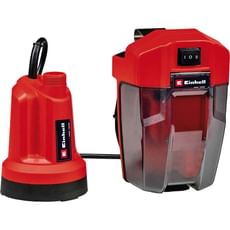
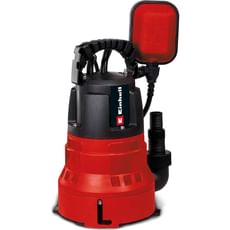
Einhell GE-SP 18 LL Li 18v Cordless Low Level Submersible Clean Water Pump 4500 l/h
in stock

 Loading...
End of content
Error - No more pages to load
About Cleaning & Drainage
Professional cleaning and drainage equipment has become indispensable for tradespeople, contractors, and facility managers who demand efficient solutions for everything from routine site maintenance to challenging industrial cleaning applications. This comprehensive category encompasses specialist tools designed to maintain commercial premises, construction sites, vehicles, and domestic properties to the highest standards of cleanliness and hygiene. From high-powered pressure washers delivering 150+ bar pressure to industrial-grade dust extractors with certified HEPA filtration, the right equipment dramatically reduces labour time whilst delivering superior, professional results that meet stringent HSE requirements.
The range at Tooled-Up.com spans compact cordless vacuums for quick spot cleaning through to heavy-duty 240v steam cleaners capable of chemical-free sanitisation in commercial environments. Modern equipment combines powerful performance with user-friendly features including brushless motor technology, intelligent battery systems that integrate with existing tool platforms, and advanced filtration meeting M-Class and H-Class standards for COSHH compliance. Leading manufacturers such as Kärcher, Makita, DeWalt, and Bosch continue to innovate with improved ergonomics, reduced noise levels, and enhanced energy efficiency that benefit both professional cleaning contractors and maintenance teams.
Complementary drainage solutions including submersible water pumps, specialist wet and dry vacuums, and professional-grade chemical treatments ensure comprehensive water management capabilities. Whether addressing flooded basements, clearing blocked drains, managing wastewater on construction sites, or maintaining commercial floor cleaning equipment, this category provides the specialist tools that keep operations running smoothly whilst maintaining safe, compliant working environments.
Jargon Buster
- Bar Pressure: Measurement of water pressure in pressure washers and steam cleaners, typically ranging from 100 to 200+ bar for professional models. Higher bar ratings deliver greater cleaning power for removing stubborn dirt, grease, and grime from hard surfaces, though adjustable pressure is valuable for protecting delicate materials.
- HEPA Filtration: High-Efficiency Particulate Air filters capturing 99.97% of particles down to 0.3 microns. Essential for dust extractors used in environments requiring strict air quality standards and mandatory for COSHH compliance when working with hazardous dusts on construction sites and renovation projects.
- Flow Rate (L/min): The volume of water delivered per minute by pressure washers, pumps, and cleaning equipment. Professional pressure washers typically offer 400-600 litres per minute, directly affecting cleaning speed, efficiency, and the ability to tackle large surface areas quickly.
- M-Class and H-Class: Dust extraction classifications under BS/EN standards governing workplace air quality. M-Class suits medium-hazard dusts including wood, plaster, and brick dust, whilst H-Class filtration is legally mandatory for hazardous materials such as asbestos, lead paint, silica, and carcinogenic dusts.
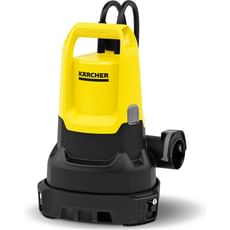
- Submersible Pump: Water pumps designed to operate whilst fully submerged in liquids, ideal for drainage applications, emptying flooded areas, clearing excavations, and removing wastewater from tanks and sumps on construction sites and commercial premises.
- Tank Capacity: The volume of dirty water, debris, or dust a vacuum or cleaner can hold before requiring emptying, measured in litres. Professional models range from 20L for portable cordless units to 80L+ for industrial applications requiring extended runtime between emptying cycles.
Who Uses Cleaning & Drainage?
- Professional Cleaners & Contract Cleaning Companies: Require reliable, high-capacity equipment for maintaining offices, schools, healthcare facilities, retail environments, and multi-site contracts with demanding schedules
- Facility & Maintenance Managers: Responsible for keeping commercial and industrial premises clean, safe, and compliant with health and safety regulations whilst managing equipment budgets and maintenance schedules
- Builders & General Contractors: Need robust vacuums and pressure washers for site cleanup, dust extraction during cutting and drilling operations, post-construction cleaning, and maintaining equipment between jobs
- Vehicle Valeting Professionals: Depend on specialised car cleaning equipment, steam cleaners, wet vacuums, and detailing tools for delivering professional results across multiple vehicles daily
- Plumbers & Drainage Engineers: Use water pumps, wet and dry vacuums, pressure washers, and chemical treatments to clear blockages, manage wastewater, and maintain drainage systems
- Window Cleaners: Rely on water-fed pole systems, window vacs, pressure washers, and specialised cleaning solutions for streak-free results when working at height on commercial and domestic properties
- Carpet & Upholstery Specialists: Require powerful extraction cleaners, steam cleaning equipment, and specialist chemicals for deep cleaning textile surfaces in commercial and residential settings
- Landscapers & Groundskeepers: Use pressure washers for patio cleaning, path maintenance, equipment cleaning, plus snow clearing equipment during winter months and general site maintenance
- DIY Enthusiasts & Property Owners: Invest in domestic and semi-professional grade equipment for maintaining properties, vehicles, driveways, and outdoor spaces to professional standards
How to Choose the Right Cleaning & Drainage Equipment
Application Type: Identify your primary cleaning challenges before selecting equipment. Pressure washers excel at outdoor hard surfaces, concrete cleaning, and vehicle washing, whilst steam cleaners provide chemical-free sanitisation ideal for indoor environments, kitchens, and healthcare settings. Vacuum systems vary enormously – standard wet and dry models suit general debris collection, but dust extractors with certified M-Class or H-Class filtration are legally required under COSHH regulations when working with wood dust, plaster, silica, and other hazardous materials.
Power Source Considerations: Mains-powered 240v equipment delivers consistent performance for prolonged use and higher power outputs, making them ideal for static workshop locations, site cabins, and commercial premises with reliable electrical access. Cordless battery-powered tools offer unbeatable portability and convenience, particularly valuable for vehicle valeting, window cleaning, and construction sites without convenient power supplies. Consider compatibility with existing battery platforms from Makita, Milwaukee, or DeWalt to maximise your investment across multiple tools.
Capacity and Performance: Professional users should prioritise larger tank capacities (40L+) and powerful motors that maintain consistent suction even when tanks approach capacity. For pressure washers, evaluate both bar pressure and flow rate together – higher specifications reduce cleaning time significantly but may prove excessive for delicate surfaces or soft materials. Water pumps require careful matching of flow rate and maximum head height to your specific drainage requirements and site conditions.
Build Quality and Durability: Commercial-grade equipment features reinforced housings, metal components, professional-duty motors, and robust wheels designed for daily professional use across demanding environments. Whilst initial investment is higher than DIY-grade alternatives, professional models from established brands typically offer longer warranties, better spare parts availability, superior service support, and significantly extended service life that justifies the cost through reduced downtime and replacement frequency.
Portability and Storage: Consider total weight, wheel quality, handle design, and cable/hose storage systems when equipment will be moved frequently between jobs or across large sites. Models with telescopic handles, large pneumatic wheels, organised accessory storage, and compact folding designs significantly improve efficiency and reduce fatigue during transport and setup.
Popular Accessories
- Extension Hoses and Lances: Increase operational reach for pressure washers and steam cleaners, essential for accessing difficult areas, vehicle undersides, high-level exterior cleaning, and commercial applications requiring extended working distances
- Rotating and Turbo Nozzles: Dramatically increase cleaning efficiency for pressure washers by combining focused high-pressure jets with rotating action for faster dirt removal, reduced water consumption, and superior results on concrete and paving
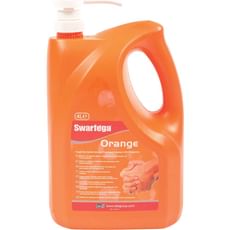
- Specialist Cleaning Solutions: Purpose-formulated chemicals for specific applications including concrete cleaning, mould and algae removal, vehicle shampoo, floor maintenance products, and industrial degreasers compatible with professional equipment
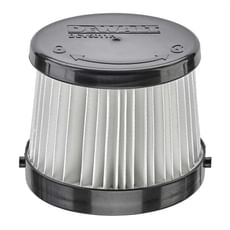
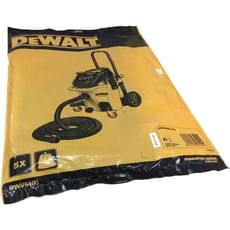
- Replacement Filters and Bags: Essential consumables for maintaining suction performance, air quality, and COSHH compliance in vacuum systems; HEPA filters require regular replacement according to manufacturer schedules to maintain certification and workplace safety standards
- Brush Heads and Pads: Various configurations for floor cleaners, scrubbers, and polishers suited to different surface types from delicate wooden floors and vinyl through to textured concrete, tiles, and commercial flooring systems
- Hose Connectors and Quick-Release Couplings: Speed up equipment setup and switching between different tools and accessories, particularly valuable for professional cleaning contractors working across multiple sites with varying requirements
- Detergent Tanks and Foam Lances: Allow controlled application of cleaning chemicals through pressure washers for enhanced cleaning power, reduced manual scrubbing, and professional results on vehicles and buildings
- Dust Extraction Accessories: Including anti-static hoses, additional filter cartridges, power tool adapters, and extension tubes that enhance the versatility of dust extractors across different trades and applications
Safety Information
Electrical Safety: Always use RCD (Residual Current Device) protection when operating mains-powered 240v equipment, particularly in wet environments, outdoors, or on construction sites. Ensure all equipment carries appropriate BS/EN certification marks and regularly inspect cables, plugs, and connections for damage or wear. On construction sites, equipment should comply with 110v site transformer requirements where specified by site regulations or HSE guidelines.
Chemical Handling: Follow COSHH guidelines when using cleaning chemicals, drainage treatments, disinfectants, and industrial cleaning solutions. Wear appropriate PPE including chemical-resistant gloves, eye protection, and respiratory protection where specified by manufacturers. Ensure adequate ventilation when working with strong chemicals indoors, store products securely according to safety data sheets, and never mix different chemical products unless explicitly approved by manufacturers to avoid dangerous reactions.
Pressure Washer Operation: High-pressure water jets can cause serious injury to skin and eyes. Never direct jets towards people, animals, electrical equipment, or yourself. Always wear safety footwear with water-resistant uppers and eye protection when operating pressure washers. Be aware that high-pressure equipment can damage soft materials, strip paint, force water into building structures, and cause injury through recoil if used incorrectly on delicate surfaces.
Dust Extraction Compliance: Use appropriately rated dust extractors (M-Class or H-Class) when working with hazardous materials as required by HSE regulations and COSHH assessments. Regularly inspect and replace filters according to manufacturer schedules to maintain certification and workplace air quality. Empty dust containers in well-ventilated areas whilst wearing respiratory protection where required by safety guidelines, and dispose of hazardous dusts through approved waste contractors.
Manual Handling: Many cleaning machines are heavy, with professional models weighing 20-40kg or more when empty. Use proper lifting techniques, bend at the knees, and arrange two-person lifts for equipment exceeding 25kg or when loading into vehicles. Ensure wheels, handles, and castors are in good condition before attempting to move loaded machines across sites or between levels.
Frequently Asked Questions
What pressure washer bar rating do I need for professional cleaning work?
For professional applications including vehicle valeting, building maintenance, and construction site cleanup, look for pressure washers rated between 140-200 bar. This provides sufficient power for concrete cleaning, removing oil stains, and building maintenance without excessive water consumption or risk of surface damage. Higher pressures can strip paint and damage soft materials, so consider models with adjustable pressure settings for versatility across different surfaces. Flow rate is equally important – professional models offering 400-600 L/min deliver faster cleaning and better rinsing than lower-capacity domestic units.
Do I need M-Class dust extraction for all power tool use on site?
M-Class extraction is mandatory under HSE guidelines when working with medium-hazard dusts including wood, plaster, brick dust, and concrete. For general construction work, joinery, and renovation projects, M-Class provides excellent protection and keeps sites cleaner whilst meeting COSHH requirements. H-Class filtration is legally required for hazardous materials including asbestos, lead paint, silica dust, and carcinogenic substances. Standard vacuum cleaners without certified filtration are unsuitable for trade use and do not meet workplace safety regulations for dust control.
Can I use a domestic pressure washer for professional valeting or cleaning work?
Domestic pressure washers aren't designed for daily commercial use and typically fail quickly under professional workloads due to lower-grade pumps, motors, and components. They offer reduced pressure, lower flow rates, shorter duty cycles, and lack the durability required for earning a living. Professional models available from Tooled-Up feature commercial-duty pumps, brass fittings, longer warranties (often 2-3 years), and higher specifications that justify the investment through improved cleaning speed, reliability, and significantly reduced downtime from equipment failure.
How often should I empty and clean my vacuum or dust extractor?
Empty containers before they reach maximum capacity to maintain optimal suction performance – typically around 75-80% full for best results. For dust extractors, check filters regularly throughout each working day and clean or replace according to manufacturer guidelines and usage intensity. HEPA filters should be replaced rather than cleaned to maintain certification and COSHH compliance. Failure to maintain equipment properly reduces efficiency, increases motor wear, can breach workplace safety requirements, and may invalidate warranties on professional equipment.
Are cordless cleaning tools powerful enough for professional use?
Modern cordless technology has advanced significantly, with professional-grade battery-powered pressure washers, vacuums, and cleaning tools now offering viable alternatives to 240v mains-powered equipment for many mobile applications. Whilst maximum runtime and peak power may be lower than corded equivalents, the convenience, portability, and elimination of trailing cables often outweigh these limitations for mobile professionals, vehicle valeters, and window cleaners. Consider cordless options from Makita, Milwaukee, or DeWalt that integrate with your existing battery platform to maximise flexibility, reduce investment in additional batteries, and maintain consistent performance across your tool collection.